
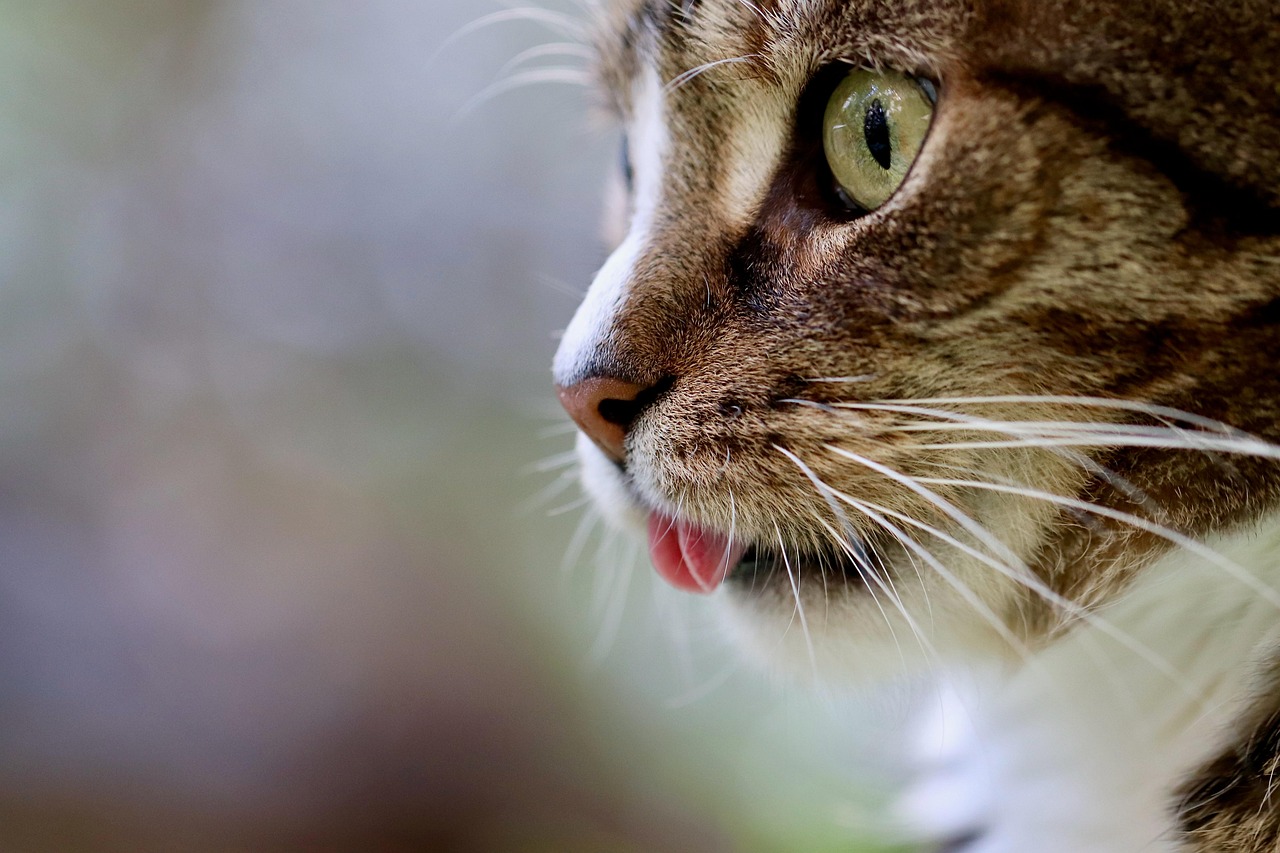
Cat Grooming Made Easy
Grooming your cat is an essential part of their overall health and well-being. Not only does regular grooming keep your cat looking and feeling their best, but it also helps prevent matting, reduces shedding, and can even prevent skin infections. However, many cat owners find grooming to be a challenging task. In this article, we will provide you with tips and tricks to make cat grooming easy and stress-free.
Benefits of Cat Grooming
Before we dive into grooming tips, let’s discuss the benefits of regular grooming for your feline friend. Grooming not only keeps your cat’s coat clean and healthy, but it also helps distribute natural oils throughout their fur, which promotes a shiny and smooth coat. Grooming also allows you to check for any lumps, bumps, or skin irritations that may require veterinary attention.
Essential Grooming Tools
Before you start grooming your cat, make sure you have the necessary tools on hand. Some essential grooming tools include a bristle brush, a slicker brush, a comb, nail clippers, and ear cleaning solution. Invest in high-quality grooming tools to ensure that your cat’s grooming experience is comfortable and effective.
How to Brush Your Cat
Brushing your cat regularly is crucial for preventing mats and tangles in their fur. Start by gently brushing your cat’s coat using a bristle brush to remove any loose hair. If your cat has long hair, use a slicker brush to remove any tangles. Make sure to brush in the direction of your cat’s hair growth to prevent discomfort.
Trimming Your Cat’s Nails
Regular nail trims are essential for your cat’s health and well-being. Use cat-specific nail clippers to trim your cat’s nails, being careful not to cut the quick (the pink part of the nail that contains blood vessels). If you are unsure about how to trim your cat’s nails, consult your veterinarian for guidance.
Cleaning Your Cat’s Ears
Cleaning your cat’s ears is an often-overlooked part of grooming. Use a veterinarian-approved ear cleaning solution and a cotton ball to gently clean your cat’s ears. Avoid using Q-tips, as they can push debris further into your cat’s ear canal. If you notice any redness, swelling, or discharge in your cat’s ears, consult your veterinarian.
Bathing Your Cat
While most cats groom themselves, there may be occasions when your cat requires a bath. Use a mild cat-specific shampoo and lukewarm water to bathe your cat. Make sure to rinse your cat thoroughly to remove all traces of shampoo. Towel dry your cat and praise them for their good behavior during the bath.
Dealing with Shedding
All cats shed to some extent, but excessive shedding can be a cause for concern. To help reduce shedding, brush your cat regularly to remove loose hair. You can also add a supplement to your cat’s diet that promotes healthy skin and coat. If you notice any bald patches or excessive shedding, consult your veterinarian.
Common Grooming FAQs
1. How often should I groom my cat?
It is recommended to brush your cat at least once a week to prevent matting and tangles.
2. Can I use human grooming products on my cat?
No, human grooming products can be harmful to cats. Use cat-specific grooming products to ensure your cat’s safety and well-being.
3. My cat hates being groomed. What should I do?
Start slow and be patient with your cat. Use treats and positive reinforcement to make grooming a positive experience for your feline friend.
Conclusion
Grooming your cat doesn’t have to be a daunting task. With the right tools and techniques, you can make cat grooming easy and enjoyable for both you and your feline friend. Regular grooming helps keep your cat looking and feeling their best, while also promoting their overall health and well-being. Remember to be patient and gentle with your cat during grooming sessions, and always consult your veterinarian if you have any concerns about your cat’s grooming needs.
By following the tips and tricks outlined in this article, you can ensure that your cat stays clean, healthy, and happy for years to come.