
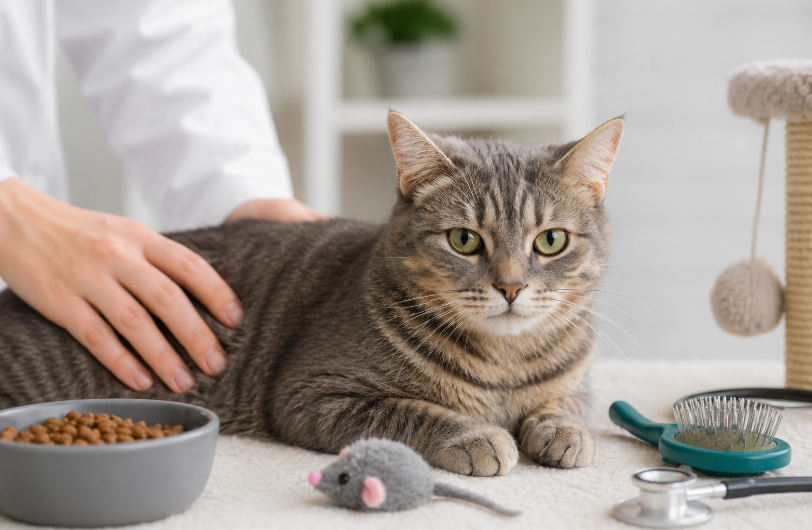
Preventive care benefits for cats are often underestimated, yet they play a vital role in ensuring your cat lives a long, healthy, and comfortable life. Many cat owners focus on treatment after problems appear, but a proactive approach can make a significant difference. By paying attention to early care, routine habits, and consistent monitoring, you can reduce the chances of serious health issues developing over time.
In fact, preventive care is not just about vet visits. It includes daily routines, proper nutrition, grooming, and understanding your cat’s behavior. When these elements work together, they create a strong foundation for long term health. As a result, your cat stays more active, experiences fewer illnesses, and enjoys a higher quality of life.
Why Preventive Care Matters for Cats
Cats are known for hiding signs of illness, which makes preventive care even more important. Because symptoms often appear late, early intervention becomes the key to avoiding complications. Preventive care benefits for cats allow you to catch small issues before they turn into serious health problems.
For example, regular veterinary checkups can detect weight changes, dental issues, or early signs of disease. When these concerns are identified early, treatment becomes easier and more effective. Consequently, your cat avoids unnecessary discomfort and stress.
Additionally, preventive care helps build a routine. Cats thrive on consistency, so regular feeding times, grooming, and health checks contribute to their overall well-being. Over time, these habits strengthen your cat’s immune system and reduce vulnerability to illness.
Reducing Long Term Health Risks in Cats
One of the biggest preventive care benefits for cats is the ability to reduce long term health risks. Chronic conditions such as kidney disease, diabetes, and obesity can develop slowly. However, with proper care and monitoring, these risks can be minimized.
Nutrition plays a major role in this process. Feeding your cat a balanced, high-quality diet supports organ function and maintains a healthy weight. In addition, portion control helps prevent obesity, which is a common issue among indoor cats. Therefore, paying attention to diet is one of the simplest ways to protect your cat’s health.
Exercise is equally important. Even though cats may seem independent, they need regular activity to stay fit. Interactive toys, climbing structures, and playtime sessions encourage movement and mental stimulation. As a result, your cat stays physically strong and mentally engaged.
Preventive care benefits for cats also include vaccinations and parasite control. These measures protect your cat from common diseases and infections. By staying up to date with these treatments, you reduce the risk of serious health complications.
The Importance of Early Detection in Cats
Early detection is a crucial part of preventive care benefits for cats. Because cats often hide discomfort, subtle changes in behavior or appearance can signal underlying issues. By paying close attention, you can identify problems before they become severe.
For instance, changes in appetite, litter box habits, or grooming behavior may indicate health concerns. Regular monitoring helps you notice these changes quickly. Once identified, you can consult a veterinarian and address the issue early.
Routine screenings also play a key role. Blood tests, dental exams, and physical checkups provide valuable insights into your cat’s health. These evaluations allow veterinarians to detect conditions that may not be visible externally. Consequently, early treatment improves outcomes and reduces long term risks.
Preventive care benefits for cats become even more evident when conditions are caught early. Treatment is often less invasive, less costly, and more successful. This approach ensures your cat remains comfortable and healthy for years to come.
Daily Habits That Support Cat Health
While veterinary care is essential, many preventive care benefits for cats come from daily habits at home. Simple actions, when done consistently, can significantly improve your cat’s overall health.
Providing fresh water daily helps maintain hydration and supports kidney function. Additionally, keeping food bowls clean prevents bacterial growth and promotes better digestion. These small steps contribute to your cat’s well-being in a meaningful way.
Grooming is another important habit. Regular brushing reduces shedding, prevents matting, and allows you to check for skin issues. For long-haired breeds, grooming becomes even more critical. As a result, your cat stays clean and comfortable.
Maintaining a clean litter box is equally essential. Cats are sensitive to their environment, so a clean space encourages proper hygiene and reduces stress. Moreover, observing litter box habits can help you detect health issues early.
Preventive care benefits for cats also include mental stimulation. Providing toys, scratching posts, and interactive play helps reduce boredom and stress. Over time, this contributes to better emotional and physical health.
Financial and Lifestyle Benefits for Cat Owners
Preventive care benefits for cats extend beyond health and impact your lifestyle as well. Treating advanced illnesses can be expensive and emotionally challenging. In contrast, preventive care helps avoid these situations by addressing issues early.
Routine checkups and basic care may seem like an investment, but they often save money in the long run. By preventing serious conditions, you reduce the need for costly treatments and emergency visits. Therefore, preventive care becomes a practical and cost-effective approach.
In addition, a healthy cat is more active and enjoyable to be around. When your cat feels good, they are more likely to engage in play and bonding activities. This strengthens your relationship and enhances your overall experience as a pet owner.
Preventive care benefits for cats also contribute to peace of mind. Knowing that you are taking the right steps to protect your cat’s health allows you to feel more confident and less stressed.
Overcoming Common Challenges in Cat Care
Despite its importance, some cat owners struggle to maintain consistent care routines. Busy schedules, limited knowledge, or access to veterinary services can create challenges. However, overcoming these barriers is essential to experience preventive care benefits for cats.
One effective strategy is to create a simple care schedule. Setting reminders for feeding, grooming, and vet visits ensures consistency. In addition, using automatic feeders or water fountains can make daily care easier.
Education also plays a key role. Learning about your cat’s needs helps you make informed decisions. By understanding common health risks and prevention methods, you can provide better care.
Small changes can make a big difference. Even minor improvements, such as increasing playtime or improving diet quality, can lead to noticeable health benefits. Over time, these efforts build a strong foundation for your cat’s well-being.
The Long Term Impact of Preventive Care for Cats
The long term impact of preventive care benefits for cats becomes clear as your cat ages. Cats that receive consistent care tend to experience fewer health issues and maintain better quality of life. They remain active, alert, and comfortable even in their senior years.
Consistency is the most important factor. While occasional care may help, long term health depends on regular habits and ongoing attention. By staying committed, you ensure that your cat receives the support they need throughout their life.
Preventive care benefits for cats also include improved longevity. Cats that receive proper nutrition, regular checkups, and a safe environment often live longer. This means more years of companionship and shared experiences.
Ultimately, preventive care is about giving your cat the best possible life. It reduces suffering, improves comfort, and strengthens the bond between you and your pet.
Conclusion
Preventive care benefits for cats provide a powerful way to reduce long term health risks while enhancing your cat’s overall well-being. By focusing on early detection, daily habits, and consistent routines, you can prevent many common health issues before they become serious. Although it requires effort and attention, the rewards are significant and long lasting.
As a cat owner, taking a proactive approach ensures your pet remains healthy, active, and happy. In the end, preventive care is not just about avoiding illness; it is about creating a better life for your cat and enjoying more meaningful moments together.
FAQ
1. How often should I take my cat to the vet for checkups?
Most cats should visit the vet at least once a year, although senior cats may need more frequent visits.
2. What are early signs of health problems in cats?
Changes in appetite, behavior, grooming, or litter box habits can indicate potential health issues.
3. Does diet really affect a cat’s long term health?
Yes, a balanced diet plays a major role in preventing obesity and supporting overall health.
4. Can indoor cats still benefit from preventive care?
Absolutely, indoor cats still face health risks and need regular checkups, vaccinations, and proper care.
5. What simple habits improve a cat’s daily well-being?
Providing fresh water, regular playtime, grooming, and a clean environment greatly supports your cat’s health.