
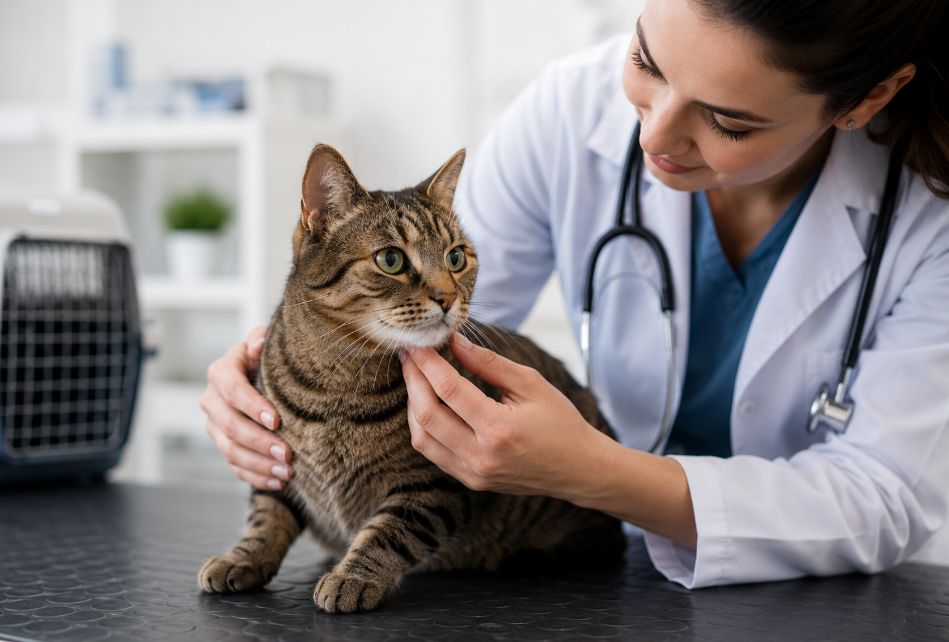
Cat health checkups are one of the best ways to catch hidden problems before your cat looks sick. Cats are experts at hiding pain, weakness, and discomfort, so many owners do not notice early warning signs right away. A cat may still eat, sleep, groom, and move normally while dental disease, kidney changes, weight loss, arthritis, or thyroid problems begin quietly. Because of this, routine vet visits matter even when your cat seems perfectly fine.
Many cat owners schedule a vet visit only when something feels urgent. However, preventive care works best before symptoms become obvious. A wellness exam allows your veterinarian to check your cat’s weight, teeth, coat, heart, lungs, eyes, ears, joints, behavior, and overall condition. The 2021 AAHA and AAFP feline life stage guidelines note that wellness care should follow a cat’s life stage and individual needs, not a one-size-fits-all plan.
Early detection is especially important because cats age faster than people. A small change over a few months can matter more than it seems. Therefore, cat health checkups help create a clear record of what is normal for your pet. Once your vet knows your cat’s baseline, future changes become easier to spot.
Why Cats Need Preventive Vet Visits
Cats often hide illness because it is part of their survival behavior. In the wild, showing weakness can make an animal more vulnerable. Even though indoor cats live safer lives, they still tend to mask discomfort. As a result, owners may miss signs until a condition has already progressed.
A routine exam can reveal problems that are easy to overlook at home. For example, your cat may lose a small amount of weight, develop tartar, show mild joint stiffness, or have subtle changes in hydration. These signs may not look dramatic, but they can point to bigger issues. Regular monitoring gives your vet a chance to act sooner.
Cat health checkups also help prevent small issues from turning into expensive emergencies. Dental disease, obesity, parasites, and skin problems can become harder to treat when ignored. In addition, chronic conditions such as kidney disease, diabetes, and hyperthyroidism often need long-term care. Finding them early may give your cat more treatment options.
Preventive visits also create space for questions. You can ask about food, litter box habits, grooming, weight, behavior, vaccines, parasite control, and age-related changes. This is helpful because many owners normalize changes that should be discussed. For instance, drinking more water, hiding more often, or jumping less may signal a health concern.
A good wellness visit should feel like a conversation, not just a quick exam. Your veterinarian may ask about appetite, activity, stool, urination, sleep, mood, and home routine. These details matter because cats show health changes through behavior as much as through physical symptoms.
When Kittens and Adult Cats Need Exams
Kittens need several veterinary visits during their first months of life. These early appointments help with vaccines, parasite checks, growth tracking, nutrition advice, and behavior guidance. Your vet may also discuss spaying or neutering, microchipping, litter training, and safe socialization. Early care helps kittens start life with stronger protection.
Young adult cats may look healthy and energetic, but they still need routine exams. For many healthy adult cats, at least one wellness visit each year is a practical starting point. However, some veterinarians recommend more frequent visits because cats can change quickly. The AAFP and AAHA guidelines explain that semi-annual wellness exams are often recommended because illness may not show obvious signs and early detection can support earlier intervention.
Cat health checkups during adulthood help track weight, dental health, vaccines, parasite risks, and lifestyle changes. Indoor cats still need care, even if they never go outside. They can develop dental disease, obesity, urinary issues, allergies, arthritis, and stress-related behavior changes. Outdoor cats may need even closer monitoring because they face higher risks from parasites, injuries, infections, and fights.
Adult cats should also visit the vet sooner if their habits change. A cat that suddenly hides, avoids food, cries in the litter box, vomits often, loses weight, or drinks more water should not wait for the next scheduled exam. These symptoms can have many causes, and early testing helps narrow the problem.
If your cat has a chronic condition, your vet may recommend checkups every three to six months. Cats with kidney disease, diabetes, heart disease, thyroid problems, allergies, or inflammatory bowel disease often need closer follow-up. These visits help adjust treatment before symptoms worsen.
Senior Cats Need Closer Monitoring
Senior cats need more attention because age increases health risks. Many veterinarians consider cats senior around age 10, though aging varies by cat. At this stage, even small changes can matter. Your cat may still seem calm and normal while early disease begins under the surface.
Cat health checkups for senior cats often happen every six months. This schedule gives your vet a better chance to notice weight loss, muscle loss, dental pain, arthritis, blood pressure changes, kidney issues, thyroid changes, and vision problems. Senior cats can decline faster than younger cats, so waiting a full year may allow problems to grow.
Bloodwork and urine testing become more useful as cats age. These tests can help detect kidney changes, liver changes, diabetes, thyroid disease, infection, inflammation, and hydration problems. Your vet may also check blood pressure because high blood pressure can affect the eyes, kidneys, heart, and brain.
A senior exam should also include a discussion about comfort. Cats with arthritis may stop jumping, sleep more, groom less, or avoid stairs. Many owners assume these signs are normal aging. However, pain management, weight support, ramps, softer bedding, and litter box changes may improve daily life.
Dental care remains important too. Bad breath, drooling, chewing on one side, or dropping food can point to dental pain. Yet some cats with painful mouths still eat. Because of this, your vet should check teeth and gums during each visit.
Nutrition may also need adjustment as cats age. Some senior cats need more calories, while others need weight control. Cats with kidney disease, diabetes, or digestive conditions may need special diets. A wellness exam helps match food choices to your cat’s actual health needs.
What Happens During a Cat Wellness Exam
A cat wellness visit usually starts with questions about home life. Your vet may ask about food, treats, water intake, litter box habits, vomiting, grooming, sleep, play, and behavior. These questions help build a fuller picture than the physical exam alone.
Next, your vet checks your cat from nose to tail. They may examine the eyes, ears, mouth, skin, coat, heart, lungs, abdomen, joints, paws, and body condition. They may also weigh your cat and compare the number with past visits. Even small weight shifts can matter, especially in older cats.
Cat health checkups may include vaccines based on your cat’s age, health, and lifestyle. Vaccine needs vary, so your vet should personalize recommendations. The Merck Veterinary Manual notes that veterinarians recommend vaccines based on where a cat lives and the cat’s lifestyle.
Parasite prevention may also come up. Indoor cats can still face fleas, ticks, intestinal parasites, or heartworm risk in some areas. Your vet may recommend stool testing, flea control, or other prevention based on local risks. This is especially important in multi-pet homes.
Your veterinarian may also recommend screening tests. These can include bloodwork, urinalysis, fecal testing, blood pressure checks, or thyroid testing. Not every cat needs every test at every visit. However, screening becomes more valuable when your cat ages or has risk factors.
Behavior deserves attention during the visit. Hiding, aggression, litter box accidents, overgrooming, night crying, or sudden clinginess can reflect stress or illness. Since cats often express discomfort through behavior, these changes should not be dismissed.
Signs Your Cat Should See a Vet Sooner
Routine visits are helpful, but some signs need quicker attention. If your cat stops eating, struggles to urinate, breathes with effort, collapses, has repeated vomiting, or seems very weak, seek veterinary care right away. These can signal urgent problems.
Other changes may not look dramatic but still deserve a prompt appointment. Weight loss, increased thirst, increased urination, bad breath, limping, hiding, diarrhea, constipation, coughing, skin sores, or appetite changes should be checked. A wait-and-see approach can be risky when symptoms last more than a day or two.
Cat health checkups should also happen sooner after major changes. Moving homes, adding a new pet, changing food, starting medication, or noticing stress behavior can affect your cat’s health. Your vet can help decide whether the issue is medical, behavioral, or both.
Litter box changes are especially important. Straining, frequent trips, crying, blood in urine, or urinating outside the box may signal urinary disease. Male cats can develop life-threatening blockages, so owners should treat urinary signs seriously.
Dental signs also need attention. If your cat drools, paws at the mouth, avoids hard food, or has strong breath odor, schedule a visit. Dental pain can affect eating, mood, grooming, and overall health. Since cats hide mouth pain well, visible symptoms may mean the problem has already advanced.
Do not ignore behavior changes in older cats. Confusion, night vocalizing, restlessness, reduced grooming, and new fearfulness can have medical causes. Your vet may check for pain, thyroid disease, blood pressure problems, vision loss, or cognitive changes.
How to Prepare for Better Early Detection
You can make each vet visit more useful by tracking your cat’s habits at home. Write down food intake, water intake, litter box changes, vomiting, weight changes, behavior shifts, and medication details. Even short notes can help your vet find patterns.
Before cat health checkups, take photos or videos of anything unusual. A video of limping, coughing, breathing changes, or strange behavior can help your veterinarian understand what happens at home. Cats often act differently in the clinic, so real-life examples can be useful.
Bring the name and amount of your cat’s food. Include treats, supplements, and any human foods your cat gets. Nutrition affects weight, dental health, digestion, and chronic disease risk. If your cat eats multiple foods, list them all.
Use a secure carrier and make the trip less stressful. Leave the carrier out at home, add soft bedding, and use treats or toys to build comfort. A calmer travel experience can make exams easier for both your cat and the veterinary team.
Ask your vet what schedule fits your cat. A young indoor cat may need a different plan than a senior cat with kidney concerns. Your vet can recommend visit frequency based on age, history, breed, lifestyle, and test results.
Also ask which screenings matter most. Bloodwork, urine testing, dental checks, blood pressure checks, and parasite testing may not all be needed at once. However, a plan helps you avoid guessing. It also helps with budgeting.
Finally, keep records. Save vaccine dates, lab results, medication names, weights, and diagnoses. Over time, this record becomes a powerful early detection tool. It can also help if you move or visit an emergency clinic.
Cat health checkups are not about expecting bad news. They are about giving your cat the best chance at a longer, healthier life. Cats may hide illness, but regular exams help reveal what their behavior cannot say. When you combine home observation with professional care, you can catch changes earlier and respond with more confidence.
The best time to plan preventive care is before your cat seems sick. Start with a baseline exam, follow your vet’s schedule, and adjust visits as your cat ages. Whether your cat is a playful kitten, a calm adult, or a slow-moving senior, routine care can make a meaningful difference. With steady attention and timely exams, cat health checkups can help protect your cat through every stage of life.
FAQ
1. How often should my cat see a veterinarian?
Most healthy adult cats should see a veterinarian at least once a year. Senior cats or cats with health issues may need visits every six months or more often.
2. Do indoor cats still need routine exams?
Yes, indoor cats still need preventive care. They can develop dental disease, obesity, urinary problems, arthritis, parasites, and chronic illnesses even if they never go outside.
3. What tests might a vet recommend for early detection?
Your vet may recommend bloodwork, urinalysis, fecal testing, blood pressure checks, dental exams, or thyroid screening. The right tests depend on your cat’s age, symptoms, and risk factors.
4. What signs mean my cat needs a vet sooner?
Loss of appetite, vomiting, weight loss, increased thirst, litter box trouble, hiding, limping, breathing changes, or sudden behavior changes should be checked promptly.
5. How can I make vet visits less stressful for my cat?
Keep the carrier visible at home, add familiar bedding, use treats, and stay calm during travel. You can also ask your clinic about cat-friendly handling options.