
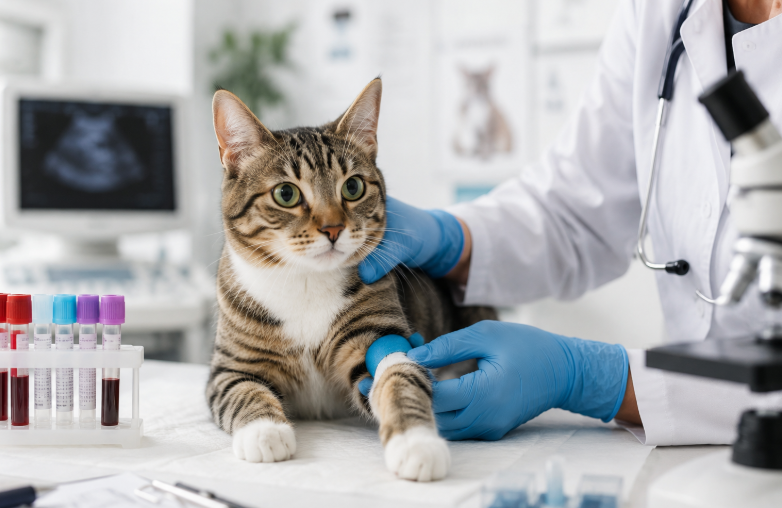
Early detection tests are some of the most helpful tools for protecting your cat’s health before obvious symptoms appear. Cats are naturally skilled at hiding pain, weakness, and illness, so many problems can progress quietly for weeks or even months. By the time a cat stops eating, hides more often, loses weight, or acts clearly unwell, the condition may already need more intensive care. That is why regular veterinary exams, bloodwork, urine checks, stool testing, and other screening tools matter so much. They give your veterinarian a clearer picture of what is happening inside your cat’s body, even when your cat still seems normal at home.
For many cat owners, a vet visit only happens when something looks wrong. However, preventive testing works best before a problem becomes urgent. A cat may still jump on furniture, purr, and eat normally while early kidney changes, dental disease, thyroid imbalance, or diabetes risk begin to develop. Because cats often mask discomfort, small changes in lab results can be more useful than waiting for visible signs. Early information can help your vet recommend diet changes, medication, dental care, hydration support, or monitoring before your cat’s quality of life declines.
This does not mean every cat needs every test all the time. Instead, testing should match your cat’s age, breed, lifestyle, history, and risk level. A young indoor cat may need different screening than a senior cat with weight loss. A newly adopted cat may need tests for infectious diseases, while an older cat may need more frequent bloodwork and urine analysis. In addition, cats with symptoms such as vomiting, increased thirst, poor coat quality, litter box changes, or appetite shifts may need targeted testing sooner.
The goal of early detection tests is not to create worry. Rather, the goal is to give you useful answers. When you understand what these tests check, you can make better choices during routine vet visits. You can also notice when a recommended test is not just an extra expense, but a smart way to catch disease early. Because cats age faster than humans, skipping several years of screening can allow hidden health problems to develop unnoticed.
Why Preventive Testing Matters for Cats
Cats are both predators and prey animals by nature, so they often hide illness as a survival instinct. Even indoor cats can act normal while dealing with pain, nausea, infection, or organ stress. As a result, early detection tests give your veterinarian information that your cat’s behavior may not show yet. This is especially important because many common feline diseases respond better when they are found sooner.
Kidney disease is one of the clearest examples. Many cats with early kidney changes still eat, drink, and play normally. However, blood and urine testing may show changes before severe symptoms develop. When your vet spots these changes early, they may suggest diet adjustments, hydration support, blood pressure checks, or more frequent monitoring. These steps may help your cat feel better for longer.
Dental disease is another common issue that can go unnoticed. Cats may keep eating even with sore gums, loose teeth, or infection. A dental exam can reveal tartar, gum inflammation, broken teeth, and oral pain. In some cases, your vet may recommend dental X-rays because many painful problems hide below the gumline. Since untreated dental disease can affect comfort and overall health, early checks are worth taking seriously.
Diabetes, thyroid disease, and heart disease can also begin with subtle signs. A cat that drinks more water, loses weight, or becomes restless may already have a condition that needs care. However, these signs can be easy to miss in a busy household. With early detection tests, your vet can connect small symptoms with lab findings and decide what to do next. This helps reduce guesswork and supports faster treatment.
Preventive testing also creates a baseline. When your cat is healthy, normal results become a useful reference for the future. Later, if your cat becomes sick, your vet can compare new results with older ones. Even small changes may become meaningful when they are viewed over time. Therefore, routine screening is not only about finding disease today. It also helps your vet understand your cat’s normal pattern.
Common Tests Your Veterinarian May Recommend
A physical exam is the starting point for most feline health screening. During the visit, your vet checks your cat’s weight, body condition, teeth, gums, eyes, ears, heart, lungs, coat, skin, abdomen, and joints. Although this may seem basic, it can reveal important clues. Weight loss, bad breath, a heart murmur, poor coat quality, dehydration, or abdominal discomfort can point toward deeper testing needs.
Bloodwork is one of the most common early detection tests for cats. A complete blood count can check red blood cells, white blood cells, and platelets. These results may suggest anemia, inflammation, infection, immune problems, or other concerns. Meanwhile, a blood chemistry panel looks at organs and body systems. It may include kidney values, liver enzymes, blood sugar, protein levels, and electrolytes. Together, these tests help your vet see patterns that may not be obvious from symptoms alone.
Urinalysis is also very important, especially for cats. It checks urine concentration, protein, glucose, blood, crystals, and signs of infection or inflammation. Since cats can develop urinary problems, kidney changes, and diabetes-related concerns, urine testing often adds information that bloodwork cannot fully provide. For example, urine concentration can help your vet assess kidney function more clearly. In addition, crystals or blood may explain litter box discomfort or frequent urination.
Stool testing checks for intestinal parasites and other digestive concerns. Even indoor cats can sometimes have parasites, especially if they were adopted, hunt insects, live with other pets, or had exposure before joining your home. A stool test may be recommended during wellness visits, after diarrhea, or when a cat has weight loss. Although it is not glamorous, this simple test can help protect both pet and household health.
Feline leukemia virus and feline immunodeficiency virus testing may be recommended for kittens, newly adopted cats, outdoor cats, cats with unknown history, or cats exposed to other cats. These viral infections can affect immune health and long-term care decisions. Because some cats may look healthy after exposure, testing is often the only way to know their status. This is especially useful before introducing a new cat to your home.
Blood pressure measurement is another useful screening tool, especially for older cats. High blood pressure can occur with kidney disease, thyroid disease, and other conditions. Unfortunately, it can also damage organs, including the eyes, heart, kidneys, and brain. Since cats rarely show early signs of high blood pressure, checking it during senior wellness visits can be very helpful.
Disease-Specific Screening for Better Care
Kidney disease is common in older cats, so early detection tests often include bloodwork and urinalysis. Your vet may look at creatinine, blood urea nitrogen, SDMA, phosphorus, electrolytes, and urine concentration. No single result tells the whole story. However, the pattern can show how well the kidneys are working. If results suggest early kidney disease, your vet may recommend diet changes, hydration support, blood pressure monitoring, and follow-up testing.
Diabetes screening usually involves blood glucose testing and urine testing. Cats with diabetes may drink more water, urinate more often, lose weight, or seem hungrier than usual. However, stress can temporarily raise blood sugar during a vet visit, so your vet may interpret results carefully. In some cases, additional testing such as fructosamine may help show longer-term blood sugar patterns. When diabetes is caught early, treatment and diet changes may work better.
Hyperthyroidism is another common disease in senior cats. It happens when the thyroid gland produces too much thyroid hormone. Affected cats may lose weight despite a strong appetite. They may also seem restless, vocal, thirsty, or poorly groomed. A blood test that checks thyroid hormone can help confirm the problem. Since untreated hyperthyroidism can affect the heart and other organs, timely diagnosis matters.
Heart disease can be harder to detect because some cats show no signs until the condition becomes serious. During an exam, your vet may hear a murmur, rhythm change, or abnormal sound. However, some cats with heart disease have normal-sounding hearts. If your vet is concerned, they may recommend blood pressure checks, chest X-rays, an electrocardiogram, or an echocardiogram. These tools help assess heart size, rhythm, and function.
Cancer screening in cats is more complicated because there is not one simple test for every cancer. Instead, your vet may use physical exams, bloodwork, imaging, fine needle samples, biopsies, or other tests based on symptoms and findings. Lumps, unexplained weight loss, vomiting, diarrhea, breathing changes, or persistent wounds should always be checked. While not every lump is cancer, early evaluation improves the chance of clearer answers and better treatment options.
Dental disease screening includes oral exams and, when needed, dental X-rays under anesthesia. Cats can develop painful tooth resorption, gum disease, infection, and broken teeth. Since many cats continue eating despite oral pain, routine dental checks are important. If your cat drools, has bad breath, drops food, chews on one side, or resists face touching, dental disease may be part of the problem.
How Age Changes Your Cat’s Testing Needs
Kittens usually need screening focused on growth, parasites, viral infections, and congenital concerns. A vet may recommend stool testing, feline leukemia virus and feline immunodeficiency virus testing, vaccine planning, and general wellness exams. Because young cats grow quickly, early visits help catch developmental issues and set a healthy foundation. They also give you a chance to discuss nutrition, litter habits, behavior, and parasite prevention.
Adult cats need routine wellness care even when they seem healthy. For many adult cats, early detection tests may include periodic bloodwork, urine testing, dental exams, and parasite checks. The exact schedule depends on lifestyle and risk. Indoor cats still need care because obesity, dental disease, urinary issues, and chronic conditions can affect them too. Outdoor cats may need additional screening because they face more exposure to parasites, injuries, and infectious diseases.
Senior cats often need more frequent testing because disease risk rises with age. Many veterinarians recommend wellness checks every six months for older cats. This schedule can help identify weight changes, blood pressure problems, kidney disease, thyroid disease, arthritis pain, dental disease, and other concerns earlier. Since six months can represent a meaningful amount of aging for a senior cat, more frequent monitoring can make a real difference.
Geriatric cats may need even closer attention. At this stage, small changes can matter. A slight drop in weight, new litter box behavior, reduced grooming, or lower activity may signal pain or illness. Bloodwork, urinalysis, blood pressure checks, and targeted imaging may help your vet understand what is changing. The goal is not to over-test. Instead, it is to support comfort, mobility, appetite, and quality of life.
Your cat’s breed and history may also influence testing. Some breeds have higher risks for certain inherited conditions. In addition, cats with past urinary disease, dental problems, obesity, pancreatitis, allergies, or chronic vomiting may need more specific monitoring. Because of this, early detection tests should always fit the individual cat, not just a general checklist.
Signs That Should Prompt a Vet Visit
Even with routine screening, you should watch your cat’s daily habits. Cats often show illness through small behavior changes rather than dramatic symptoms. For example, a cat that hides more often, sleeps in unusual places, or avoids jumping may be uncomfortable. A cat that suddenly becomes clingy, irritable, or vocal may also be trying to communicate distress. These signs are easy to dismiss, yet they can be meaningful.
Changes in appetite always deserve attention. Eating less may suggest dental pain, nausea, kidney disease, infection, stress, or many other problems. Eating more while losing weight may point toward hyperthyroidism, diabetes, or digestive disease. Because cats should not go long without food, appetite changes should be addressed quickly. This is especially true if your cat refuses food for a full day.
Litter box changes can also signal disease. More urine clumps may suggest diabetes, kidney disease, or thyroid problems. Straining, frequent trips, crying in the box, or passing little urine can be urgent, especially in male cats. Blood in the urine, accidents outside the box, or sudden litter box avoidance should not be treated as bad behavior without medical evaluation.
Vomiting and diarrhea are common reasons for vet visits. An occasional hairball may not be alarming, but repeated vomiting is not normal. Chronic digestive signs can relate to food intolerance, parasites, inflammatory disease, organ problems, or other conditions. Because many causes look similar at home, testing helps narrow the possibilities.
Weight changes are also important. Gradual weight loss can be hard to notice, especially in fluffy cats. Therefore, regular weigh-ins can help. Weight gain matters too because obesity increases the risk of diabetes, arthritis, skin problems, and reduced mobility. If your cat’s body shape changes, a wellness exam and early detection tests can help explain why.
Making Screening Less Stressful for Your Cat
Many owners delay vet visits because their cats hate carriers, car rides, or clinic handling. However, reducing stress can make preventive care easier. Start by leaving the carrier out at home instead of storing it away. Add a soft blanket, treats, or toys so your cat sees it as a normal resting place. Over time, this can reduce fear when an appointment is needed.
Before the visit, ask your clinic about cat-friendly scheduling or handling. Some clinics offer quieter rooms, feline-only areas, or low-stress techniques. You can also ask whether a calming supplement or medication is appropriate for your cat. This is especially helpful for cats that panic during travel or exams. A calmer visit often leads to better handling and more accurate results.
Bring helpful information with you. Write down changes in appetite, thirst, weight, vomiting, stool quality, urination, behavior, and medication use. Photos or videos can also help if symptoms happen at home but not in the clinic. Since cats may act differently at the vet, your observations matter.
At home, make testing easier by learning what your vet needs. For urine or stool samples, ask for clear instructions. Some samples must be fresh, while others need special containers. If your cat takes medication or eats a special diet, mention it before testing. These details can affect results and help your vet interpret them correctly.
Cost can be a concern, so it is fair to ask which tests matter most. Your vet can explain priorities based on your cat’s age and symptoms. For example, a senior cat with weight loss may need bloodwork and thyroid testing sooner than a routine stool check. Clear communication helps you make practical decisions without ignoring important risks.
Final Thoughts on Protecting Your Cat’s Health
Early detection tests are not about expecting the worst. They are about giving your cat the best chance at a longer, healthier, and more comfortable life. Since cats hide illness so well, routine screening can reveal problems before they become obvious at home. This can lead to earlier treatment, better symptom control, and more informed choices.
A good prevention plan includes regular vet exams, appropriate lab work, dental checks, parasite screening, and careful observation at home. It also includes honest conversations with your veterinarian about budget, lifestyle, and your cat’s personality. When you understand why a test is recommended, you can feel more confident about saying yes to the care your cat truly needs.
The most important step is consistency. Do not wait until your cat looks seriously ill before seeking answers. Small changes in behavior, appetite, weight, thirst, or litter box habits can be early clues. Combined with early detection tests, those clues can help your veterinarian find common diseases sooner and guide treatment with more confidence. Your cat may not be able to tell you what feels wrong, but regular screening gives you a better way to listen.
FAQ
- How Often Should Cats Have Preventive Screening?
Most healthy adult cats should have a wellness exam at least once a year. Senior cats often benefit from checkups every six months, especially if they have weight changes, dental issues, kidney concerns, or other health risks.
- What Tests Are Most Useful for Senior Cats?
Senior cats often need bloodwork, urinalysis, blood pressure checks, thyroid testing, dental exams, and sometimes imaging. These tests help screen for kidney disease, hyperthyroidism, diabetes, dental pain, and other age-related problems.
- Can Indoor Cats Still Develop Common Diseases?
Yes, indoor cats can still develop kidney disease, diabetes, dental disease, thyroid problems, arthritis, obesity, and cancer. Indoor living reduces some risks, but it does not remove the need for routine veterinary care.
- Are Blood Tests Enough to Find Every Disease?
No, blood tests are helpful, but they do not show everything. Your cat may also need urine testing, stool testing, dental exams, imaging, blood pressure checks, or other diagnostics depending on symptoms and age.
- What Warning Signs Should I Never Ignore?
Do not ignore appetite loss, frequent vomiting, sudden weight loss, increased thirst, litter box changes, breathing trouble, hiding, weakness, or signs of pain. These changes should be checked by a veterinarian as soon as possible.