
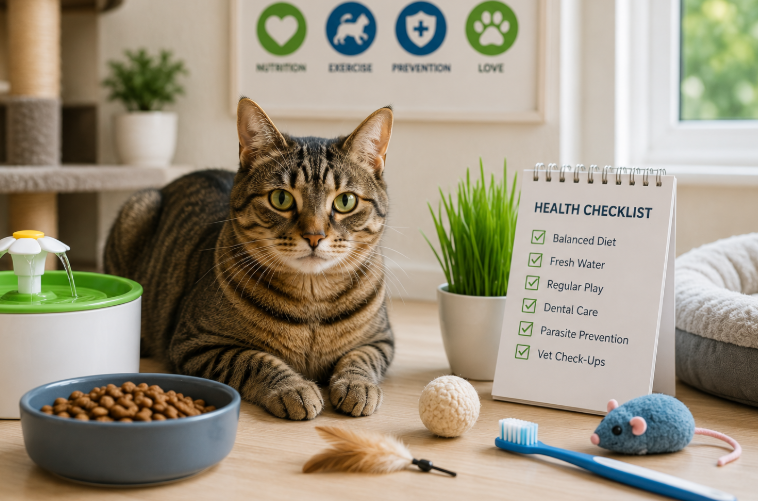
Many cat owners think about health only when something seems wrong, but prevention should begin much earlier. You can prevent chronic cat diseases by building steady habits around nutrition, weight control, hydration, dental care, enrichment, and regular vet visits. Cats often hide discomfort, so waiting for obvious symptoms can delay care. Instead, a proactive routine helps you notice small changes before they become serious. With the right daily care, your cat can enjoy a healthier, calmer, and more comfortable life.
Cats are quiet experts at masking illness. In the wild, hiding weakness can help an animal stay safe, and domestic cats still carry that instinct. Because of this, a cat may seem “fine” while early health problems are already developing. Changes in appetite, litter box habits, grooming, weight, thirst, or energy can be easy to miss. Therefore, prevention depends on paying close attention to normal behavior.
A strong prevention plan does not need to feel complicated. It begins with consistent meals, clean water, safe play, routine grooming, and regular veterinary care. The American Veterinary Medical Association explains that preventive healthcare includes veterinary evaluation, nutrition, dental care, vaccines, parasite control, and recommendations based on each pet’s risk. When those pieces work together, your cat gets support before problems become harder to manage.
The goal is not to control every detail of your cat’s life. Instead, the goal is to create a home environment that supports natural feline needs. Cats need high-quality food, movement, rest, mental stimulation, clean litter boxes, and low-stress routines. When those needs are met consistently, you reduce the strain that can contribute to long-term health issues.
Why Prevention Matters for Indoor and Outdoor Cats
Indoor cats may seem protected, yet they can still develop chronic conditions. Obesity, dental disease, diabetes, arthritis, urinary problems, digestive issues, and kidney disease can affect cats that never go outside. Outdoor cats face extra risks, including parasites, injuries, toxins, and infectious diseases. However, both lifestyles require preventive care.
To prevent chronic cat diseases, you need to understand your cat’s life stage. A kitten needs vaccines, parasite protection, safe socialization, and proper growth nutrition. An adult cat needs weight management, dental care, enrichment, and routine checkups. A senior cat needs closer monitoring for pain, kidney changes, thyroid disease, dental problems, and appetite shifts. The 2021 AAHA/AAFP feline life stage guidelines support an individualized life-stage approach to feline healthcare.
Preventive care also saves stress. When problems are found early, treatment is often simpler and more effective. For example, mild dental inflammation may be easier to manage than severe periodontal disease. Small weight gain may be easier to correct than obesity. Early kidney changes may be managed more carefully when discovered through exams and lab work. As a result, regular care can protect both your cat’s comfort and your long-term peace of mind.
Many chronic problems begin quietly. A cat may drink more water, lose a little weight, sleep more, or jump less often. These signs may seem like normal aging, but they can also point to disease. Because cats rarely complain, your observations matter. Keep notes when something changes, even if it seems minor.
Your veterinarian is your best partner in prevention. Annual exams are helpful for many adult cats, while senior cats or cats with health risks may need more frequent visits. A wellness visit can include weight checks, dental assessment, nutrition review, parasite prevention, vaccines, and screening tests. These steps help prevent chronic cat diseases by catching risk factors early.
Feed for Long-Term Health, Not Just Full Bowls
Food plays a major role in feline health. Cats are obligate carnivores, which means they need nutrients that come from animal-based sources. However, feeding well is not only about buying the most expensive food. It is about choosing a complete and balanced diet that matches your cat’s age, health, weight, and activity level.
Portion control matters as much as food quality. Many cats gain weight because their bowls stay full all day or because treats add extra calories. Weight gain can increase the risk of diabetes, joint strain, breathing problems, grooming trouble, and lower energy. Therefore, measured meals are often better than guessing.
To prevent chronic cat diseases, monitor your cat’s body shape regularly. You should be able to feel the ribs with light pressure, but they should not be sharply visible. Your cat should also have a visible waist when viewed from above. If you are unsure, ask your vet to show you a body condition score. This simple tool can help you track weight before it becomes a problem.
Wet food may help some cats increase moisture intake, especially if they do not drink much water. Hydration supports urinary and kidney health, although diet needs vary by cat. Some cats do well on dry food, wet food, or a mix of both. The best choice depends on your cat’s health, preferences, dental condition, and your veterinarian’s advice.
Treats should stay limited. Even small treats can add up quickly, especially for indoor cats with low activity levels. If you use treats for bonding or training, count them as part of the daily food amount. You can also use a few pieces of regular kibble as rewards. This keeps calories more predictable.
Avoid sudden diet changes unless your vet instructs you. Quick food switches can cause vomiting, diarrhea, or refusal to eat. Instead, transition slowly over several days or longer. Cats with sensitive stomachs may need even more time. A gradual approach protects digestion and helps you see whether the new food truly works.
Nutrition also changes with age. Senior cats may need different protein levels, texture, calories, or medical diets depending on their health. Never switch to a “senior” or “therapeutic” food just because of age alone. Ask your vet what fits your cat’s current condition. This helps prevent chronic cat diseases without creating new nutrition problems.
Protect Teeth, Kidneys, Weight, and Joints Early
Dental care is one of the most overlooked parts of cat health. Cornell Feline Health Center reports that studies show 50% to 90% of cats older than four years have some form of dental disease. It also notes that common forms are often preventable or treatable with proper care and monitoring. That makes oral health a major prevention priority.
Dental disease can cause pain, bad breath, drooling, trouble eating, pawing at the mouth, and behavior changes. However, many cats keep eating even when their mouths hurt. Because of this, regular dental checks matter. Brushing your cat’s teeth is ideal when your cat accepts it. If brushing is not possible, ask your vet about safe dental diets, treats, rinses, or professional cleanings.
Kidney health also deserves attention, especially as cats age. Chronic kidney disease is common in older cats, and Cornell notes that it affects many cats over age ten and becomes more common with advanced age. You cannot prevent every kidney problem, but you can support early detection. Watch for increased thirst, larger urine clumps, weight loss, vomiting, poor appetite, or dull coat.
Routine blood and urine testing can help detect changes before signs become obvious. This is especially helpful for senior cats. If kidney changes appear early, your vet may recommend diet changes, hydration support, blood pressure checks, or other care. Early awareness helps you respond before your cat feels worse.
Joint health is another quiet issue. Cats with arthritis may not limp clearly. Instead, they may avoid jumping, sleep lower to the ground, groom less, or seem irritable when touched. Soft bedding, ramps, low-entry litter boxes, and healthy weight can make daily life easier. Regular play also helps maintain muscle, but it should match your cat’s comfort level.
To prevent chronic cat diseases, keep your cat moving in a gentle, natural way. Short play sessions can help more than one long session. Use wand toys, balls, tunnels, food puzzles, and climbing spaces. Let your cat chase, pounce, stalk, and rest. These activities support muscle, weight, mood, and mental health.
Parasite prevention also belongs in long-term care. Fleas, ticks, heartworms, and intestinal parasites can affect indoor and outdoor cats. Indoor cats are not fully protected because pests can enter homes on clothing, other pets, or insects. Your vet can recommend prevention based on your cat’s location, lifestyle, and risk level.
Vaccines are another part of prevention. Your cat’s vaccine needs depend on age, health, local risks, and whether your cat goes outdoors. Do not guess. Instead, ask your vet for a vaccine plan that fits your cat. This protects your cat without unnecessary confusion.
Create a Home Routine That Supports Health
Daily routine can protect your cat’s body and mind. Cats feel safer when life is predictable. Consistent feeding times, clean litter boxes, regular play, and calm resting areas can reduce stress. Since stress may affect appetite, digestion, urinary habits, and behavior, a peaceful home routine matters.
Litter box habits reveal a lot about health. Scoop daily and notice changes in urine size, stool texture, frequency, odor, or accidents. Larger urine clumps may suggest increased thirst. Straining can signal urinary trouble and may need urgent care, especially in male cats. Diarrhea, constipation, or blood should also be taken seriously.
To prevent chronic cat diseases, make the litter box easy to use. Provide enough boxes, especially in multi-cat homes. A common guideline is one box per cat plus one extra. Place boxes in quiet, accessible areas. Senior cats may need low-sided boxes because climbing into tall boxes can hurt.
Grooming helps you notice changes early. While brushing, check for lumps, mats, fleas, skin irritation, weight loss, or painful areas. Long-haired cats may need more frequent grooming, but short-haired cats benefit too. Grooming also reduces hairballs and gives you a chance to bond.
Mental enrichment is not optional for indoor cats. Bored cats may overeat, sleep too much, scratch destructively, or become anxious. Window perches, puzzle feeders, climbing trees, hiding spots, and rotating toys help your cat use natural instincts. Even five to ten minutes of play each day can improve quality of life.
Stress control is especially important in multi-cat homes. Cats need enough food bowls, water stations, litter boxes, scratching posts, and resting spots. If one cat guards resources, another cat may become anxious or eat less. Spread resources throughout the home so each cat feels safe.
You should also reduce household hazards. Keep toxic plants, medications, cleaners, strings, rubber bands, and small objects away from your cat. Many cats explore with their mouths, and some hazards can cause serious illness. Prevention includes knowing what your cat can reach when you are not watching.
Regular vet visits tie the whole plan together. Preventive exams help your vet compare today’s findings with past results. Weight trends, dental changes, heart sounds, muscle loss, coat quality, and lab values all tell a story. The AAHA/AVMA preventive guidelines emphasize regular exams as part of comprehensive care for cats and dogs.
To prevent chronic cat diseases, do not wait for dramatic symptoms. Call your vet when your cat eats less, hides more, drinks more, loses weight, vomits often, changes litter habits, or moves differently. Small signs can be the first clues. Early action can make care easier and more effective.
A healthy cat routine is built through ordinary choices. Measure meals. Refresh water. Scoop litter. Play daily. Brush gently. Watch behavior. Schedule checkups. These steps may seem simple, yet they create a strong foundation over time.
In the end, you cannot prevent every illness, and no owner can control every risk. However, you can greatly improve your cat’s chances of staying healthier for longer. When you prevent chronic cat diseases through consistent care, your cat benefits from better comfort, stronger daily habits, and earlier support when something changes.
Your cat depends on you to notice the quiet details. By feeding wisely, supporting hydration, protecting teeth, encouraging movement, reducing stress, and partnering with your vet, you create a healthier life from the start. Prevention is not a single task. It is a loving routine that helps your cat feel safe, strong, and cared for every day.
FAQ
1. What Are Common Long-Term Health Problems in Cats?
Common long-term issues include dental disease, obesity, diabetes, kidney disease, arthritis, thyroid problems, urinary disease, and digestive disorders. Regular vet care helps find these problems earlier.
2. How Often Should My Cat Visit the Vet?
Many adult cats need at least one wellness exam each year. Senior cats or cats with health concerns may need visits every six months or more often, depending on veterinary advice.
3. What Daily Habit Helps Cats Stay Healthier?
Measured feeding is one of the most helpful habits. It supports weight control and makes appetite changes easier to notice. Daily play, clean water, and litter box checks also matter.
4. Can Indoor Cats Still Get Chronic Health Issues?
Yes, indoor cats can still develop obesity, dental disease, diabetes, kidney disease, and arthritis. Indoor life reduces some risks, but it does not replace preventive care.
5. When Should I Worry About Small Behavior Changes?
Call your vet if your cat hides more, eats less, drinks more, loses weight, vomits often, avoids jumping, or changes litter box habits. Cats often show illness through subtle changes.