
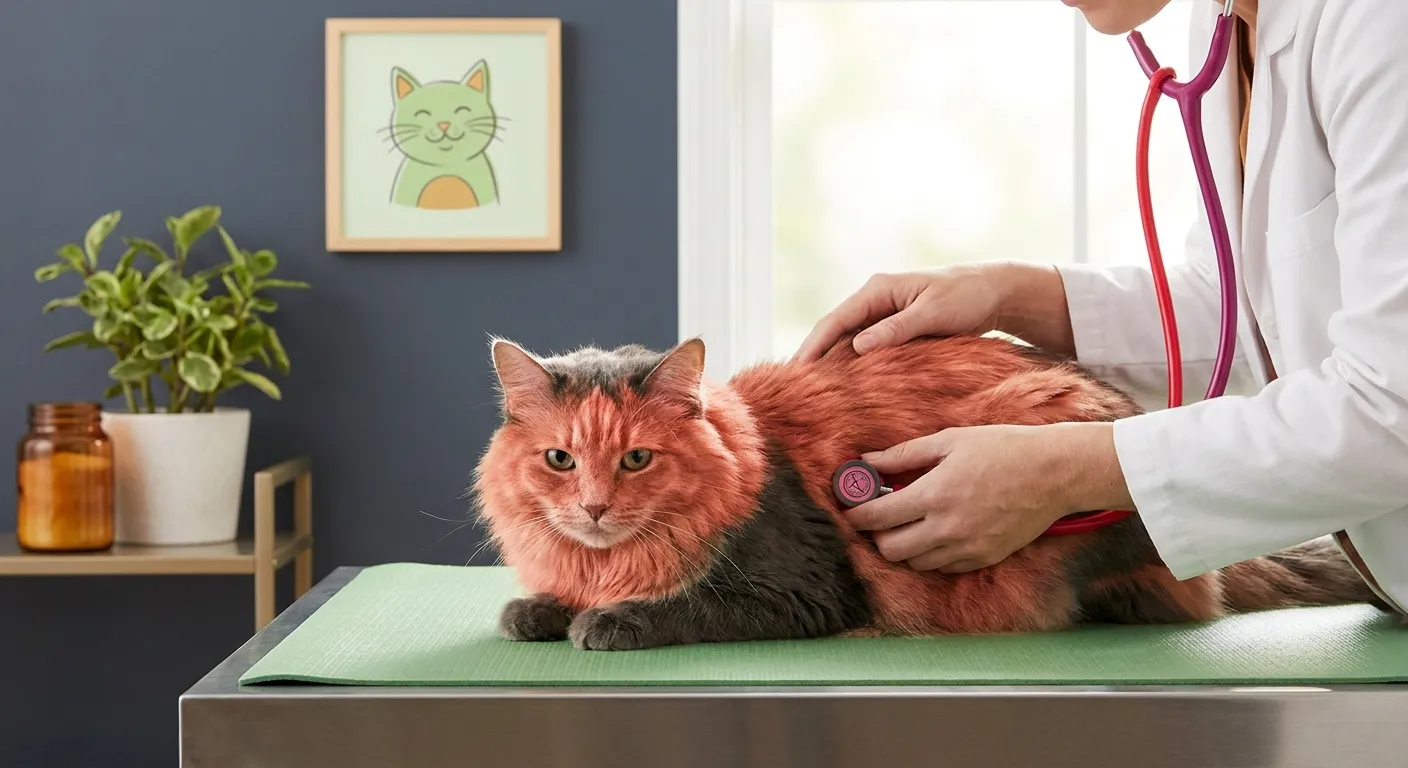
Investing in preventive cat veterinary care is one of the most impactful decisions you can make for your feline companion’s long-term health and happiness. Far from being an optional expense, routine check-ups, timely vaccinations, and consistent parasite prevention are the cornerstones of proactive health management. At Best Cat Care, we believe that an ounce of prevention is truly worth a pound of cure, allowing your cat to thrive and potentially saving you from more costly and stressful treatments down the line. Let’s explore why a proactive approach to your cat’s health is non-negotiable.
The Indispensable Annual Wellness Exam
Many cat owners may only think of the vet when their cat is visibly ill. However, annual or bi-annual wellness exams are crucial, especially as cats age. During these visits, your veterinarian will:
- Conduct a Thorough Physical Examination: This includes checking teeth, gums, eyes, ears, coat, skin, listening to heart and lungs, and palpating the abdomen and joints. Subtle changes, like a new heart murmur or a small lump, can be detected early.
- Discuss Behavioral and Dietary Changes: You are your cat’s best observer. Your vet will ask about any shifts in appetite, thirst, litter box habits, or activity levels, which can be early indicators of underlying issues.
- Recommend Diagnostic Screenings: Blood tests, urinalysis, and fecal exams can detect diseases like kidney disease, diabetes, hyperthyroidism, and intestinal parasites long before clinical symptoms appear. Early diagnosis means earlier intervention and better outcomes.
Vaccinations: Shielding Your Cat from Preventable Diseases
Vaccines are a critical component of preventive cat veterinary care, protecting your cat from highly contagious and often deadly diseases. Even indoor cats are at risk, as viruses and bacteria can be tracked in on shoes or clothing.
Core Vaccinations
These are recommended for all cats, regardless of lifestyle:
- FVRCP (Feline Viral Rhinotracheitis, Calicivirus, Panleukopenia): Protects against common upper respiratory infections and a highly contagious, often fatal, gastrointestinal disease.
- Rabies: A fatal disease transmissible to humans. It is required by law in many areas, even for indoor cats.
Non-Core Vaccinations
These are recommended based on your cat’s risk factors (e.g., outdoor access, exposure to other cats):
- Feline Leukemia Virus (FeLV): A serious, often fatal, viral disease that suppresses the immune system. This vaccine is highly recommended for cats with any outdoor access or exposure to FeLV-positive cats.
Your vet will assess your cat’s individual risk and tailor a vaccination schedule.
Parasite Prevention: A Year-Round Necessity
Parasites are more than just a nuisance; they can cause significant health problems and, in some cases, transmit diseases to humans. Consistent year-round prevention is vital for your cat’s health and your family’s safety. For instance, common parasites like fleas can cause skin irritation, anemia, and transmit tapeworms. Ticks, on the other hand, can transmit serious diseases such as Lyme disease, although less common in cats than dogs, they can still pose a threat.
Furthermore, internal parasites, including roundworms, hookworms, and heartworms, can lead to digestive upset, weight loss, and severe organ damage. Heartworm disease, often associated with dogs, is also a serious, life-threatening condition for cats, transmitted by mosquitoes. Unfortunately, there is no effective treatment for feline heartworm disease, making prevention absolutely essential. Therefore, regular deworming and appropriate topical or oral medications are key aspects of comprehensive feline health care.
Maintaining Optimal Feline Dental Health
Dental disease is one of the most common health issues affecting adult cats. In fact, many cats over the age of three show signs of dental disease. Left untreated, it can lead to pain, infection, tooth loss, and even impact vital organs like the heart and kidneys. Consequently, maintaining good oral hygiene is a crucial part of your cat’s overall well-being. This proactive approach significantly reduces the risk of serious complications.
During routine veterinary check-ups, your vet will examine your cat’s teeth and gums. They may recommend professional dental cleanings under anesthesia to remove plaque and tartar buildup. Additionally, you can support your cat’s dental health at home through various methods. For example, brushing your cat’s teeth regularly with cat-specific toothpaste can be highly effective. Dental treats and specialized diets can also help reduce plaque accumulation. Therefore, discuss the best dental care routine for your cat with your veterinarian to ensure their pearly whites stay healthy.
Nutrition and Weight Management: Fueling a Healthy Life
Proper nutrition is fundamental to your cat’s health, impacting everything from their coat quality to their immune system. Moreover, maintaining a healthy weight is critical. Obesity in cats is a growing concern, contributing to a range of serious health problems. These include diabetes, arthritis, urinary tract issues, and liver disease. Consequently, thoughtful dietary choices and portion control are essential components of excellent feline health care.
Your veterinarian can help you choose the best diet for your cat’s age, activity level, and specific health needs. They can also provide guidance on appropriate portion sizes and feeding schedules. Furthermore, regular exercise plays a vital role in weight management and overall vitality. Engaging your cat in play with toys, laser pointers, or even supervised outdoor excursions can help them stay active. Therefore, a balanced diet combined with regular physical activity forms a strong foundation for a long and healthy life for your feline friend.
The Importance of Regular Grooming and Hygiene
While cats are renowned for their self-grooming habits, regular assistance from their human companions is still beneficial. Grooming your cat not only helps maintain their coat and skin health but also provides an opportunity to bond and check for any abnormalities. For instance, daily brushing can prevent matting, especially in long-haired breeds, and reduce hairballs. It also helps distribute natural oils, keeping their coat shiny and healthy.
Furthermore, regular grooming allows you to inspect your cat’s skin for fleas, ticks, lumps, or rashes. Checking their ears and eyes for discharge or signs of infection is also important. Nail trims are another essential part of hygiene, preventing overgrowth that can lead to discomfort, ingrown nails, or difficulty walking. If you are unsure how to perform these tasks, your veterinarian or a professional groomer can offer guidance and demonstrations. Ultimately, consistent grooming contributes significantly to your cat’s comfort and overall well-being.
Environmental Enrichment: A Happy Cat is a Healthy Cat
A cat’s environment profoundly impacts their physical and mental health. Providing a stimulating and safe environment is a key aspect of comprehensive care. Cats are natural hunters and climbers, so offering opportunities to express these instincts is vital. For example, cat trees, scratching posts, and interactive toys can prevent boredom and destructive behaviors. Furthermore, providing safe perching spots where your cat can observe their surroundings from above can reduce stress and increase their sense of security.
Additionally, mental stimulation is just as important as physical activity. Puzzle feeders, for instance, can challenge your cat’s problem-solving skills and make mealtime more engaging. Rotating toys regularly can also keep their interest piqued. Access to fresh water in multiple locations and a clean litter box are also crucial for good health. In fact, many behavioral issues and health problems, such as urinary tract infections, can be linked to an inadequate or stressful environment. Therefore, investing in environmental enrichment is an excellent way to support your cat’s overall happiness and health.
Early Detection of Age-Related Conditions
As cats age, they become more susceptible to certain health conditions. Senior cat care is a specialized area of preventive cat veterinary care that focuses on early detection and management of these age-related issues. Conditions such as kidney disease, hyperthyroidism, arthritis, and cognitive dysfunction are common in older felines. However, many of these conditions can be managed effectively if caught early. Consequently, regular veterinary check-ups become even more critical for senior cats, often recommended bi-annually rather than annually.
During these visits, your veterinarian will pay close attention to subtle changes that might indicate the onset of an age-related disease. They may recommend more frequent diagnostic screenings, such as blood tests and urinalysis, to monitor organ function. Furthermore, discussions about changes in appetite, mobility, or behavior are crucial. For example, a decrease in jumping or an increase in vocalization could signal underlying pain or cognitive decline. Therefore, proactive monitoring and intervention can significantly improve the quality of life for your aging cat.
Building a Strong Relationship with Your Veterinarian
Establishing a trusting and open relationship with your veterinarian is paramount to effective preventive cat veterinary care. Your vet is your primary partner in ensuring your cat’s long-term health. They are not just there for emergencies but also for guidance, advice, and routine health maintenance. In fact, a good relationship allows for open communication, where you feel comfortable asking questions and expressing concerns about your cat’s well-being. Moreover, your vet will gain a deeper understanding of your cat’s individual history and personality over time, leading to more personalized and effective care.
Don’t hesitate to ask questions about your cat’s diet, behavior, or any changes you observe. Furthermore, understand the recommended vaccination schedule, parasite prevention plan, and dental care routine. Regularly visiting the same clinic helps ensure continuity of care, as your cat’s medical history is readily available. This consistent approach to veterinary visits is truly beneficial for your feline companion. For more information on finding a good vet, you can visit resources like the American Veterinary Medical Association.
The Long-Term Benefits of Proactive Cat Health Care
Embracing a proactive approach to your cat’s health offers numerous long-term benefits. Firstly, early detection of diseases often leads to more successful treatment outcomes and can prevent conditions from becoming severe or life-threatening. Secondly, consistent preventive measures, such as vaccinations and parasite control, significantly reduce the risk of your cat contracting common illnesses. This translates to fewer emergency vet visits and less stress for both you and your cat.
Moreover, maintaining optimal health through proper nutrition, dental care, and environmental enrichment contributes to a higher quality of life for your feline companion. A healthy cat is typically a happier cat, with more energy for play and interaction. While there is an initial investment in routine check-ups and preventive treatments, these costs are often far less than those associated with treating advanced diseases. In fact, investing in preventive cat veterinary care ultimately leads to a longer, healthier, and more enjoyable life together. This comprehensive approach ensures your cat thrives for years to come.
Conclusion
In summary, preventive cat veterinary care is not merely an option but a fundamental responsibility for every cat owner. From annual wellness exams and essential vaccinations to year-round parasite control, dental hygiene, proper nutrition, and environmental enrichment, each component plays a vital role in safeguarding your cat’s health. By partnering with your veterinarian and committing to these proactive measures, you are making a profound investment in your feline friend’s future. Ultimately, this comprehensive care ensures they live a long, happy, and vibrant life by your side. Remember, at Best Cat Care, we advocate for prevention as the best path to feline well-being. For more insights on cat health, consider resources like the ASPCA’s cat care guides.
FAQ
What is involved in routine feline health check-ups?
Routine feline health check-ups typically involve a thorough physical examination, including checking teeth, ears, eyes, and coat. Your vet will also listen to your cat’s heart and lungs. Discussions about diet, behavior, and lifestyle are also common. They may recommend diagnostic screenings like blood tests or urinalysis to monitor organ function and detect issues early.
Why are vaccinations important for indoor cats?
Even indoor cats benefit significantly from vaccinations. Viruses and bacteria can be inadvertently brought into your home on shoes, clothing, or other pets. Furthermore, a cat could accidentally slip outside, exposing them to various diseases. Core vaccines protect against highly contagious and often deadly illnesses, ensuring your indoor cat remains safe.
How often should my cat receive professional dental cleaning?
The frequency of professional dental cleanings depends on your cat’s individual dental health and breed predisposition. Many veterinarians recommend annual dental check-ups, with professional cleanings as needed. Your vet will assess your cat’s oral health during their wellness exams and advise on the best schedule for their specific needs.
What are common signs that my cat might have parasites?
Common signs of parasites in cats include itching, scratching, visible fleas or ticks, or
Explore more: More from Best Cat Care