
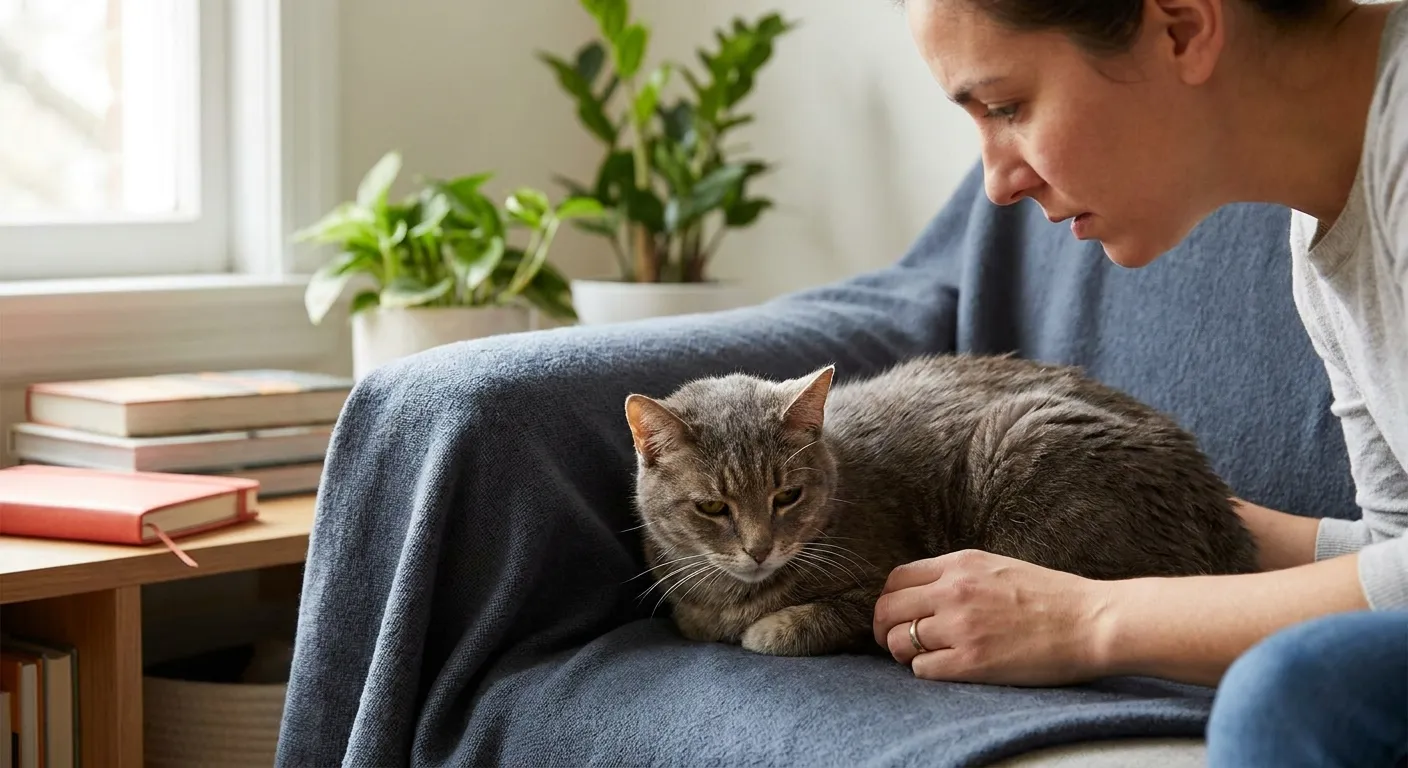
Cats are masters of disguise when it comes to illness, often hiding discomfort until a condition is advanced. As a devoted cat owner, your vigilance is the first line of defense in ensuring your feline friend’s long-term health and happiness. Learning to identify subtle cat illness warning signs can make a profound difference, allowing for early veterinary intervention and significantly better outcomes. This guide from Best Cat Care will empower you to become an astute observer of your cat’s health.
Understanding Your Cat’s Baseline Behavior
The cornerstone of early detection is knowing what’s normal for your cat. Every feline has a unique personality, routine, and set of quirks. Spend time observing their usual eating habits, litter box schedule, playfulness, sleeping patterns, and social interactions. Any deviation, no matter how minor it seems, could be an important clue. A cat that suddenly becomes aloof, stops playing with their favorite toy, or changes their preferred sleeping spot might be communicating distress. Therefore, consistent observation is vital.
Common Cat Illness Warning Signs to Watch For
Being aware of specific indicators can help you pinpoint potential issues. These signs are not exhaustive, but they represent some of the most common indicators that your cat might be unwell. Early identification of these feline health alerts can prevent more serious complications. Furthermore, understanding these indicators allows for proactive care.
Changes in Appetite and Thirst
- Decreased Appetite: A sudden disinterest in food, or a significant reduction in intake, is a red flag. Even skipping one meal can be concerning. Many illnesses, from dental pain to kidney disease, can cause a loss of appetite.
- Increased Appetite: While less common, an insatiable hunger can indicate conditions like hyperthyroidism or diabetes, especially if accompanied by weight loss.
- Changes in Thirst: Drinking significantly more or less water can signal kidney problems, diabetes, or other metabolic disorders. Consequently, changes in water intake warrant attention.
Altered Litter Box Habits
Observing your cat’s litter box habits is crucial for identifying potential health problems. These habits often provide clear indications of internal issues. For example, changes in frequency or consistency are often the first sign of trouble.
- Frequency and Volume: Urinating more frequently, or producing larger or smaller volumes of urine, can point to urinary tract infections, kidney disease, or diabetes.
- Difficulty or Straining: If your cat is straining to urinate or defecate, crying in the litter box, or making frequent, unproductive trips, it’s an emergency. This could indicate a life-threatening urinary blockage, particularly in male cats.
- Accidents Outside the Box: While sometimes behavioral, accidents can also signal a medical issue like a UTI, arthritis (making it hard to get into the box), or cognitive decline.
- Stool Changes: Diarrhea, constipation, or blood/mucus in the stool warrant veterinary attention. In fact, any notable change should be discussed with your vet.
Behavioral Shifts
Your cat’s behavior is a strong indicator of their overall well-being. Any deviation from their usual temperament can be a sign of discomfort or illness. Consequently, paying close attention to these changes is essential.
- Lethargy and Hiding: An unusually quiet, withdrawn cat that spends more time sleeping or hiding in secluded spots is often a sick cat. This is a common indicator across a wide range of illnesses.
- Aggression or Irritability: A normally docile cat who suddenly becomes aggressive, irritable, or avoids being touched might be experiencing pain or discomfort. Similarly, increased vocalization could indicate distress.
- Excessive Vocalization: Increased meowing, howling, or purring, especially if unusual for your cat, can indicate pain, disorientation, or other medical issues.
- Restlessness or Agitation: Conversely, a cat that can’t seem to get comfortable, paces, or exhibits unusual agitation might also be unwell.
Changes in Appearance and Grooming
A cat’s physical appearance and grooming habits offer further clues about their health. A well-groomed cat is generally a healthy cat. Therefore, changes in these areas are important to note.
- Poor Coat Condition: A dull, matted, or greasy coat can indicate illness, pain (making grooming difficult), or nutritional deficiencies.
- Excessive Grooming or Hair Loss: Over-grooming can be a sign of stress, allergies, or skin parasites. It can also lead to noticeable patches of hair loss.
- Weight Changes: Sudden weight loss or gain, even if subtle, can be a significant indicator of underlying health problems like hyperthyroidism, diabetes, or kidney disease.
- Lumps or Bumps: Regularly petting your cat allows you to feel for any new lumps, bumps, or swelling on their body. Any new growth should be checked by a veterinarian.
- Eye and Nose Discharge: Clear, watery discharge can be normal, but thick, colored, or excessive discharge from the eyes or nose can indicate respiratory infections or other issues.
Respiratory and Oral Signs
Breathing difficulties or oral health issues are critical cat illness warning signs that require immediate attention. These can quickly escalate into serious conditions. In addition, dental problems can impact overall health.
- Coughing, Sneezing, or Wheezing: Frequent or severe coughing, sneezing, or any wheezing sounds can point to respiratory infections, asthma, or other lung conditions.
- Difficulty Breathing: Open-mouth breathing, rapid shallow breaths, or labored breathing are emergencies. Seek immediate veterinary care.
- Bad Breath (Halitosis): While some bad breath is normal, unusually foul breath can indicate dental disease, kidney problems, or other gastrointestinal issues.
- Drooling: Excessive drooling can be a sign of nausea, dental pain, or even poisoning.
- Red or Swollen Gums: Inflamed gums or visible lesions in the mouth suggest dental disease, which can lead to systemic health problems if left untreated.
When to Seek Veterinary Attention for Feline Health Concerns
Recognizing potential problems is the first step; knowing when to act is equally important. Some situations warrant immediate emergency care, while others require a prompt appointment. For instance, severe symptoms should always be treated as urgent.
Emergency Situations (Seek Vet Care IMMEDIATELY):
- Difficulty breathing (open-mouth breathing, gasping)
- Straining to urinate, especially in male cats (potential urinary blockage)
- Collapse or sudden weakness
- Severe pain (crying, hiding, aggression when touched)
- Uncontrolled bleeding
- Seizures
- Ingestion of a known toxin
- Severe vomiting or diarrhea, especially if lethargic or dehydrated
- Sudden paralysis or inability to move limbs
Urgent Situations (Seek Vet Care Within 24 Hours):
- Persistent vomiting or diarrhea (more than a few episodes)
- Lethargy lasting more than 12-24 hours
- Sudden loss of appetite for a full day
- Limping or difficulty bearing weight
- Changes in urination or defecation (not straining, but notably different)
- New or rapidly growing lumps or bumps
- Persistent coughing or sneezing
Non-Urgent Situations (Schedule a Regular Vet Appointment):
- Mild, intermittent changes in appetite or thirst
- Subtle behavioral shifts that are not severe
- Mild changes in coat condition
- Minor, non-painful lumps or skin abnormalities
Always err on the side of caution. If you are ever unsure about your cat’s symptoms, it is always best to contact your veterinarian. They can provide professional guidance and determine if an examination is necessary. This proactive approach is key to managing cat illness warning signs effectively.
Preventative Measures and Regular Check-ups
While vigilance for cat illness warning signs is crucial, preventative care forms the backbone of a healthy life for your feline companion. Regular veterinary check-ups are essential, even if your cat appears perfectly healthy. During these visits, your vet can identify subtle issues, recommend appropriate vaccinations, and discuss parasite prevention. Furthermore, they can offer advice on nutrition and lifestyle that supports overall well-being.
Maintaining a balanced diet tailored to your cat’s age, activity level, and health status is fundamental. High-quality food provides the necessary nutrients to support their immune system and organ function. Ensure constant access to fresh, clean water, as hydration is vital for kidney health and overall bodily processes. For more detailed information on feline nutrition, you can consult resources like the American Animal Hospital Association.
Regular grooming, including brushing and dental care, also plays a significant role. Brushing helps to reduce hairballs and allows you to inspect their skin and coat for any abnormalities. Dental hygiene, whether through dental treats, water additives, or professional cleanings, can prevent painful dental disease that often goes unnoticed. Many cat owners underestimate the importance of oral health; however, it directly impacts their overall health. You can find excellent guidelines on feline dental care from organizations like the American Veterinary Medical Association.
Moreover, providing a stimulating environment with opportunities for play and exercise contributes to both physical and mental health. Interactive toys, scratching posts, and safe climbing spaces help keep your cat active and engaged, reducing stress and obesity risks. A happy cat is often a healthier cat, and addressing their environmental needs is part of holistic care. Observing their play patterns can also alert you to subtle changes in their physical capabilities, which might be other cat illness warning signs.
The Importance of Early Detection for Cat Illness Warning Signs
The ability to spot potential cat illness warning signs early cannot be overstated. Cats are instinctively programmed to hide weakness, a survival mechanism from their wild ancestors. This means that by the time overt symptoms appear, an underlying condition may be quite advanced. Early intervention often leads to more effective treatment options, less invasive procedures, and significantly better prognoses. For example, catching kidney disease in its initial stages allows for dietary changes and medications that can slow its progression, greatly extending your cat’s quality of life. Understanding these subtle cat illness warning signs is truly a gift you can give your pet.
Conversely, delaying veterinary care can result in conditions worsening, leading to more discomfort for your cat, more complex and expensive treatments, and sometimes, a less favorable outcome. Your proactive observation of these feline health indicators is a testament to your bond and commitment to their welfare. Trust your instincts; if something feels off with your cat, it probably is. Therefore, acting swiftly on potential cat illness warning signs is always the best course of action. Recognizing these signals makes you an invaluable advocate for your cat’s health.
Conclusion
Being a vigilant cat owner means being attuned to the subtle messages your feline friend sends. By understanding your cat’s normal behavior and recognizing common cat illness warning signs, you are equipped to act quickly when something is amiss. From changes in appetite and litter box habits to shifts in behavior and appearance, every clue is valuable. Regular veterinary check-ups and preventative care further strengthen your cat’s health defenses. Remember, early detection of these critical indicators is often the key to successful treatment and a long, happy life for your beloved companion. Your dedication to observing these crucial feline health alerts ensures your cat receives the best possible care.
FAQ
What are the most common indicators that a cat is unwell?
Some of the most common indicators include changes in appetite or thirst, altered litter box habits (like straining or accidents), lethargy, hiding, unusual aggression, poor coat condition, and persistent coughing or sneezing. Any significant deviation from your cat’s normal routine or behavior can signal a problem.
How often should I check my cat for health issues?
You should observe your cat daily for any changes in behavior, appetite, or litter box use. Additionally, regular petting allows you to feel for lumps or soreness. Annual or bi-annual veterinary check-ups are also crucial for professional assessment and preventative care.
Can stress cause a cat to show signs of illness?
Yes, stress can manifest as various physical and behavioral changes in cats, mimicking symptoms of illness. These can include inappropriate urination, over-grooming, decreased appetite, or hiding. However, because these can also be signs of medical conditions, it’s always best to consult a vet to rule out physical causes.
What is considered an emergency when it comes to a cat’s health?
Emergency situations include difficulty breathing, straining to urinate (especially in male cats), sudden collapse, uncontrolled bleeding, seizures, severe pain, or ingestion of a known toxin. These symptoms require immediate veterinary attention.
Why do cats hide their discomfort?
Cats are instinctively wired to hide signs of weakness or illness. In the wild, showing vulnerability can make them targets for predators. This natural instinct persists in domestic cats, making it challenging for owners to detect problems until a condition is advanced. Therefore, careful observation is paramount.
Explore more: More from Best Cat Care