
As our beloved feline companions age, their needs evolve significantly. Providing thoughtful senior cat care tips can profoundly enhance their quality of life, ensuring comfort and health during their golden years. Cats are generally considered senior around 7-10 years old, and geriatric from 15 years onward. Understanding these changes and adapting your care routine is essential for a happy, healthy older cat. Indeed, proactive adjustments can make a significant difference in their well-being.
Understanding the Aging Process in Felines
The aging process in cats is complex and multifaceted, impacting various bodily systems. Just like humans, felines experience a gradual decline in physiological functions. For instance, their metabolism slows down, and their immune system becomes less robust. Furthermore, organs such as kidneys and liver may not function as efficiently as they once did. This natural progression means that what worked for a young, energetic cat might no longer be suitable for an older one. Therefore, understanding these intrinsic changes is the bedrock of effective care for aging felines.
Moreover, the rate at which cats age can vary based on breed, genetics, and environmental factors. Some cats may show signs of aging earlier than others, while some remain spry well into their teens. Consequently, observing your individual cat for subtle changes is paramount. Regular veterinary check-ups play a crucial role in monitoring this process, allowing for early detection of age-related conditions. This proactive approach ensures that any emerging health issues can be addressed promptly, improving their comfort.
Common Physical and Behavioral Changes in Older Cats
Older cats often experience a range of physical and behavioral changes. You might notice a decrease in activity levels, increased sleep, or difficulty jumping as arthritis and joint pain become more common. For example, they may hesitate before climbing onto furniture or avoid their favorite high perches. Sensory changes, such as diminished sight or hearing, can affect their navigation and response to stimuli. This can lead to increased anxiety or disorientation, especially in unfamiliar environments. Dental issues, kidney disease, hyperthyroidism, and diabetes are also more prevalent in senior felines. These conditions often manifest with subtle symptoms that can easily be overlooked. Behavioral shifts like increased vocalization, changes in litter box habits, or altered sleep-wake cycles can also occur. Regular observation of these changes is the first step in addressing them proactively. In fact, keeping a journal of these observations can be very helpful for your veterinarian.
Essential Senior Cat Care Tips for Optimal Well-being
Implementing specific senior cat care tips can make a big difference in their quality of life. First, ensure their diet is appropriate for their age, often requiring fewer calories but higher quality protein, and increased moisture. Many senior-specific cat foods are formulated to support aging organs and provide essential nutrients. Second, provide easy access to resources by placing food, water, and litter boxes on the same level, perhaps with lower sides for easier entry. This simple adjustment can alleviate discomfort from joint pain. Third, create comfortable, warm resting spots away from drafts. Elevated beds or orthopedic cushions can offer extra support for their joints. Gentle, regular grooming can help keep their coat healthy, as self-grooming may become difficult. Moreover, this grooming time offers an opportunity for bonding and checking for any lumps or skin issues. Most importantly, maintain a consistent routine and schedule more frequent veterinary check-ups (every 6-12 months) to catch potential health issues early. Early detection and intervention are key to managing age-related conditions effectively. These proactive care measures are vital.
Nutrition Adjustments for Aging Felines
As cats age, their nutritional requirements shift considerably. Their metabolism slows down, meaning they need fewer calories to maintain a healthy weight. However, their need for high-quality protein often remains, or even increases, to prevent muscle wasting. Therefore, selecting a diet specifically formulated for senior cats is crucial. These diets typically feature easily digestible proteins, controlled phosphorus levels to support kidney health, and often include beneficial supplements like omega-3 fatty acids for joint and cognitive function. Furthermore, increasing moisture intake is vital, especially since kidney disease is common in older felines. Offering wet food or adding water to dry kibble can help keep them hydrated. Always consult your veterinarian before making significant dietary changes, as they can recommend the best food tailored to your cat’s specific health needs and conditions. A balanced diet is a cornerstone of good geriatric cat care.
Creating an Accessible and Comfortable Environment
An aging cat’s environment needs to be adapted to their changing physical abilities. This is a key aspect of providing excellent senior cat care tips. Arthritis and joint pain can make jumping and climbing difficult, so ensure their favorite spots are easily accessible. Ramps or pet stairs can help them reach beds or windowsills. Similarly, litter boxes should have low sides to allow for easy entry and exit, preventing accidents. Consider placing multiple litter boxes around the house, especially if your cat has mobility issues or increased urgency. Providing soft, warm beds in quiet, draft-free areas is also important. Many senior cats appreciate heated beds for soothing their joints. Furthermore, maintaining a consistent layout of furniture can help cats with diminished vision navigate their home more easily. Small adjustments can significantly improve their daily comfort and reduce stress. These environmental considerations are fundamental for older cat well-being.
Regular Veterinary Care: The Cornerstone of Senior Cat Health
Frequent veterinary check-ups are arguably the most critical component of effective older cat care. While younger cats might only need annual visits, senior felines benefit greatly from check-ups every six to twelve months. These visits allow your veterinarian to monitor for age-related diseases that often progress silently. Blood tests, urine analysis, and blood pressure checks become routine and invaluable tools for early detection of conditions like kidney disease, hyperthyroidism, and diabetes. Early diagnosis means earlier intervention, which can significantly slow disease progression and improve your cat’s quality of life. During these visits, your vet can also assess your cat’s dental health, joint mobility, and overall physical condition. They can offer specific recommendations for diet, pain management, and environmental modifications. Therefore, prioritizing these regular appointments is a non-negotiable part of providing comprehensive care for senior cats. It truly is one of the most important senior cat care tips.
Grooming and Hygiene for Older Felines
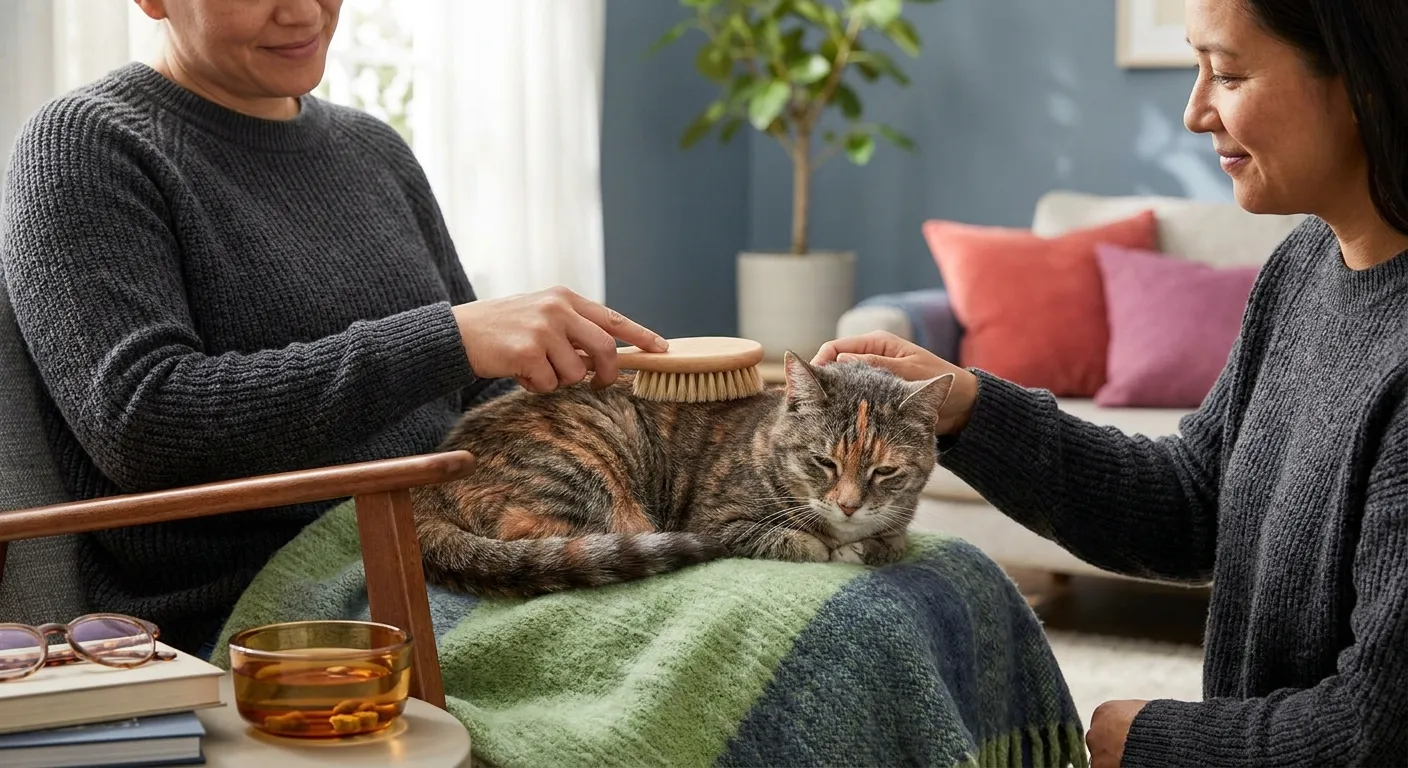
As cats age, their ability to self-groom often declines due to reduced flexibility, joint pain, or dental issues. Consequently, regular grooming becomes an essential part of their routine. Gentle brushing several times a week helps remove loose fur, prevents matting, and stimulates circulation. This is especially important for long-haired breeds. During grooming, you can also check for skin lesions, lumps, or parasites that might go unnoticed. Nail trims are another crucial aspect; older cats are less active, so their nails may not wear down naturally, leading to overgrowth and discomfort. Furthermore, dental hygiene is paramount. While professional dental cleanings under anesthesia are often necessary, daily brushing with a vet-approved feline toothpaste can help maintain their oral health between cleanings. Wiping their face and eyes with a damp cloth can also keep them clean and comfortable. These hygiene practices contribute significantly to their overall health and happiness, making them important older cat care insights.
Mental Stimulation and Enrichment
Maintaining mental acuity is just as important as physical health for senior cats. While their energy levels decrease, their need for mental stimulation does not disappear. Interactive toys, puzzle feeders, and short play sessions can help keep their minds sharp. Consider toys that don’t require much physical exertion but still engage their hunting instincts, such as feather wands or laser pointers (used responsibly). Providing opportunities for gentle exploration, perhaps in a cat-safe enclosed garden or a screened-in porch, can also offer enriching experiences. Furthermore, spending quality time with your senior cat through petting, cuddling, and gentle conversation strengthens your bond and provides comfort. New scents or gentle massage can also offer sensory enrichment. Keeping their environment predictable yet stimulating helps prevent cognitive decline and reduces anxiety. These enrichment strategies are valuable senior cat care tips.
Managing Specific Health Conditions in Senior Cats
Senior cats are unfortunately prone to several specific health conditions that require careful management. Arthritis, for instance, is extremely common and can significantly impact mobility. Pain relief, joint supplements, and environmental modifications are often prescribed. Kidney disease is another prevalent condition, often managed with special diets, fluid therapy, and medications. Hyperthyroidism, characterized by an overactive thyroid gland, can be treated with medication, radioactive iodine therapy, or surgery. Diabetes mellitus, while less common than in dogs, can occur and requires insulin injections and dietary management. Dental disease, if left untreated, can lead to pain, infection, and systemic health issues. Regular dental cleanings and at-home care are vital. Early diagnosis and consistent adherence to your veterinarian’s treatment plan are crucial for managing these conditions effectively and ensuring your cat’s comfort. Addressing these health issues is a key part of comprehensive senior cat care.
The Importance of Regular Observation and Communication with Your Vet
As a cat owner, you are your senior cat’s primary advocate. Your keen observation skills are invaluable in detecting subtle changes that might indicate a health issue. Pay attention to changes in appetite, water intake, litter box habits, activity levels, vocalizations, and grooming. Any significant deviation from their normal behavior warrants a call to your veterinarian. Maintaining open and honest communication with your vet is equally important. Don’t hesitate to ask questions, voice concerns, or seek clarification on treatment plans. Your vet relies on your observations to get a complete picture of your cat’s health at home. Together, you form a team dedicated to providing the best possible care for your aging feline companion. This collaborative approach is fundamental to successful senior cat care. For more information on common senior cat health issues, you can visit ASPCA Senior Cat Care.
End-of-Life Care and Quality of Life
Even with the best senior cat care tips, there comes a time when we must consider end-of-life care. This is a deeply personal and often difficult decision, but focusing on your cat’s quality of life is paramount. Your veterinarian can help you assess their comfort, pain levels, and overall well-being. Signs that a cat’s quality of life may be declining include chronic pain that cannot be managed, severe loss of appetite, persistent vomiting or diarrhea, extreme weakness, or a complete loss of interest in their surroundings. Discussing these difficult topics with your vet beforehand can help you make informed decisions when the time comes. Providing comfort, love, and dignity during their final days is the ultimate act of kindness for our cherished companions. Resources like Cornell Feline Health Center on End-of-Life Care can offer guidance.
Conclusion
Providing exceptional care for our senior cats is a rewarding journey. By understanding their changing needs, adapting their environment, ensuring proper nutrition, and prioritizing regular veterinary care, we can significantly enhance their comfort and health in their golden years. These comprehensive senior cat care tips empower you to be the best possible guardian for your aging feline friend. Every thoughtful adjustment, from a soft bed to a gentle brush, contributes to a happier, healthier life for them. Embrace the opportunity to cherish these precious years with your beloved companion, making their senior years truly golden.
FAQ: How often should a senior cat visit the vet?
Generally, senior cats (7 years and older) should visit the veterinarian every 6-12 months for a check-up. These frequent visits allow for early detection of age-related conditions and proactive health management.
FAQ: What are common signs of aging in cats?
Common signs of aging include decreased activity, increased sleep, difficulty jumping, weight changes, changes in appetite or thirst, altered litter box habits, and increased vocalization. Any significant change should be discussed with a vet.
FAQ: How can I make my home more comfortable for an older cat?
You can make your home more comfortable by providing low-sided litter boxes, ramps or pet stairs to favorite spots, soft and warm beds, and placing food and water bowls in easily accessible locations. Keeping a consistent environment also helps.
FAQ: What kind of diet is best for an aging feline?
An aging feline typically benefits from a diet specifically formulated for senior cats. These diets often have controlled calorie counts, high-quality protein, and sometimes supplements for joint or kidney health. Increased moisture content from wet food is also often recommended.
FAQ: How can I help my senior cat with arthritis?
Helping a senior cat with arthritis involves veterinary consultation for pain management (medication or supplements), providing orthopedic beds, ensuring easy access to resources (low litter boxes, ramps), and maintaining a healthy weight to reduce joint strain.
Explore more: More from Best Cat Care