
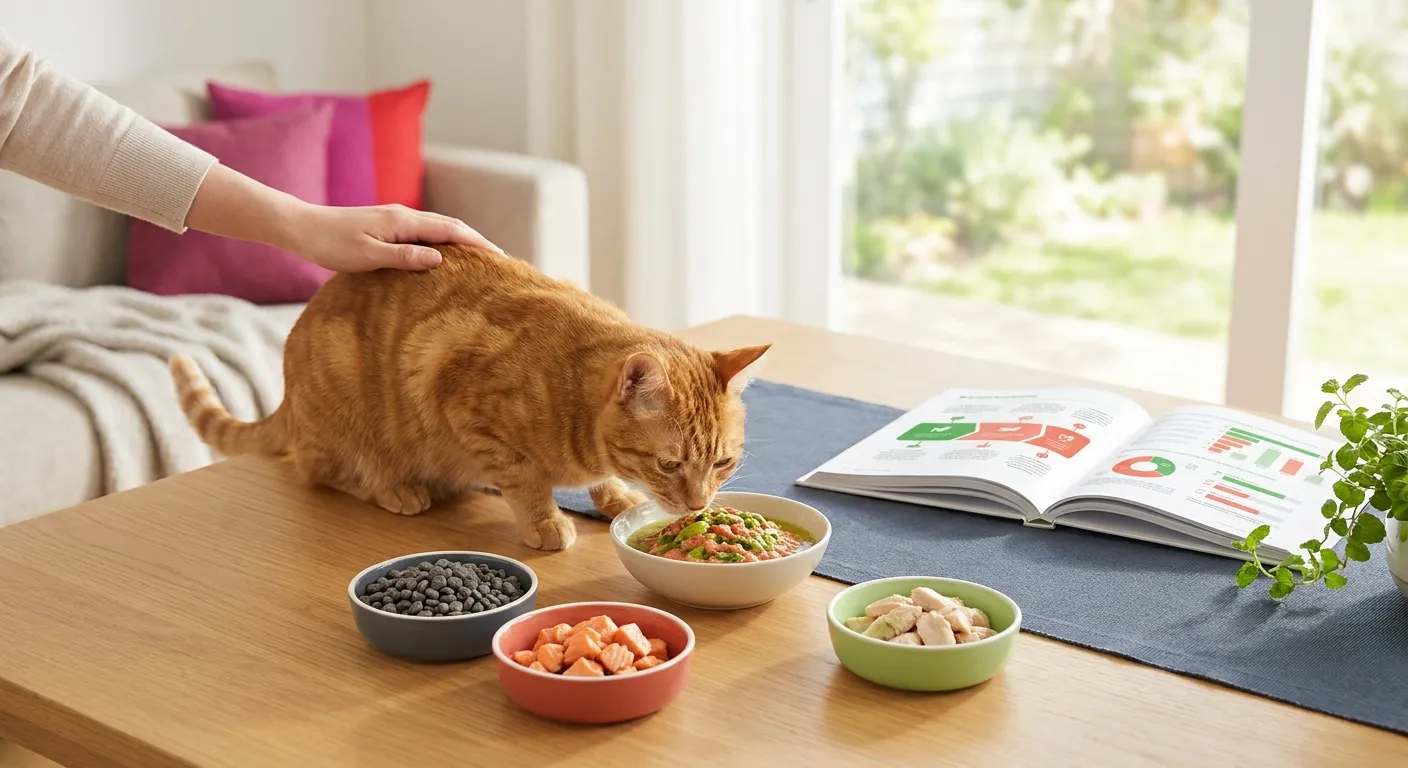
Feeding your feline friend the right diet is one of the most impactful ways to ensure their long-term health and happiness. With so many options on the market, making the best cat food choices can feel overwhelming. This guide will help you understand what to look for, ensuring your cat receives optimal nutrition.
Understanding Feline Nutritional Needs
Cats are obligate carnivores, meaning their bodies are designed to thrive on a diet primarily composed of animal protein. Therefore, their diet must be rich in meat-based ingredients. They require specific nutrients that can only be found in animal tissues. For instance, taurine is an essential amino acid crucial for heart health and vision. A deficiency can lead to serious health issues. Furthermore, cats need a moderate amount of fat for energy and to absorb fat-soluble vitamins. Carbohydrates, conversely, should make up a very small portion of their diet. Indeed, a cat’s digestive system is not well-equipped to process large amounts of plant-based materials. Always remember these fundamental requirements when evaluating pet food.
Types of Cat Food and Their Benefits
Cat food comes in various forms, each with its own advantages. Dry kibble is convenient and can help with dental health, though it often has lower moisture content. Many owners appreciate its ease of storage. Wet food, on the other hand, provides essential hydration and is typically more palatable for picky eaters. This high moisture content is particularly beneficial for urinary tract health. Raw or homemade diets, while gaining popularity, require careful preparation and veterinary consultation to ensure they are nutritionally complete and safe. Moreover, improper handling can lead to bacterial contamination. Consider your cat’s preferences, age, and any specific health needs when selecting a food type. Many owners opt for a mixed diet, offering both wet and dry options. This approach combines the benefits of both types.
What to Look For in the Best Cat Food Choices
When selecting the best cat food choices, always prioritize high-quality ingredients. Look for a named meat source (e.g., chicken, salmon) as the first ingredient, indicating a good protein base. This signifies a substantial amount of animal protein. Avoid foods with excessive fillers like corn, wheat, or soy. These ingredients offer little nutritional value to felines. Ensure the food is labeled as
Explore more: More from Best Cat Care