
The pet care industry is currently experiencing a profound transformation, with a strong emphasis on advanced health and technology. With the global pet care market valued at $273.42 billion in 2025 and projected to reach $289.17 billion in 2026, innovation is booming. For dedicated cat owners, this means unprecedented opportunities to proactively manage their cat’s health. At the forefront of this revolution is cat health monitoring technology, offering sophisticated tools for early detection and intervention, ultimately leading to longer, healthier lives for our feline companions.
The Power of Proactivity: Why Early Detection Matters
Cats are masters at hiding illness, often masking symptoms until a condition is advanced. Traditional veterinary visits, while essential, typically offer only periodic snapshots of a cat’s health. However, modern pet technology bridges this gap by providing continuous data, enabling owners and vets to spot subtle changes that might indicate an emerging health issue. This shift from reactive to proactive care is a monumental step forward in feline wellness.
Wearables and Health Monitoring Devices: Beyond GPS
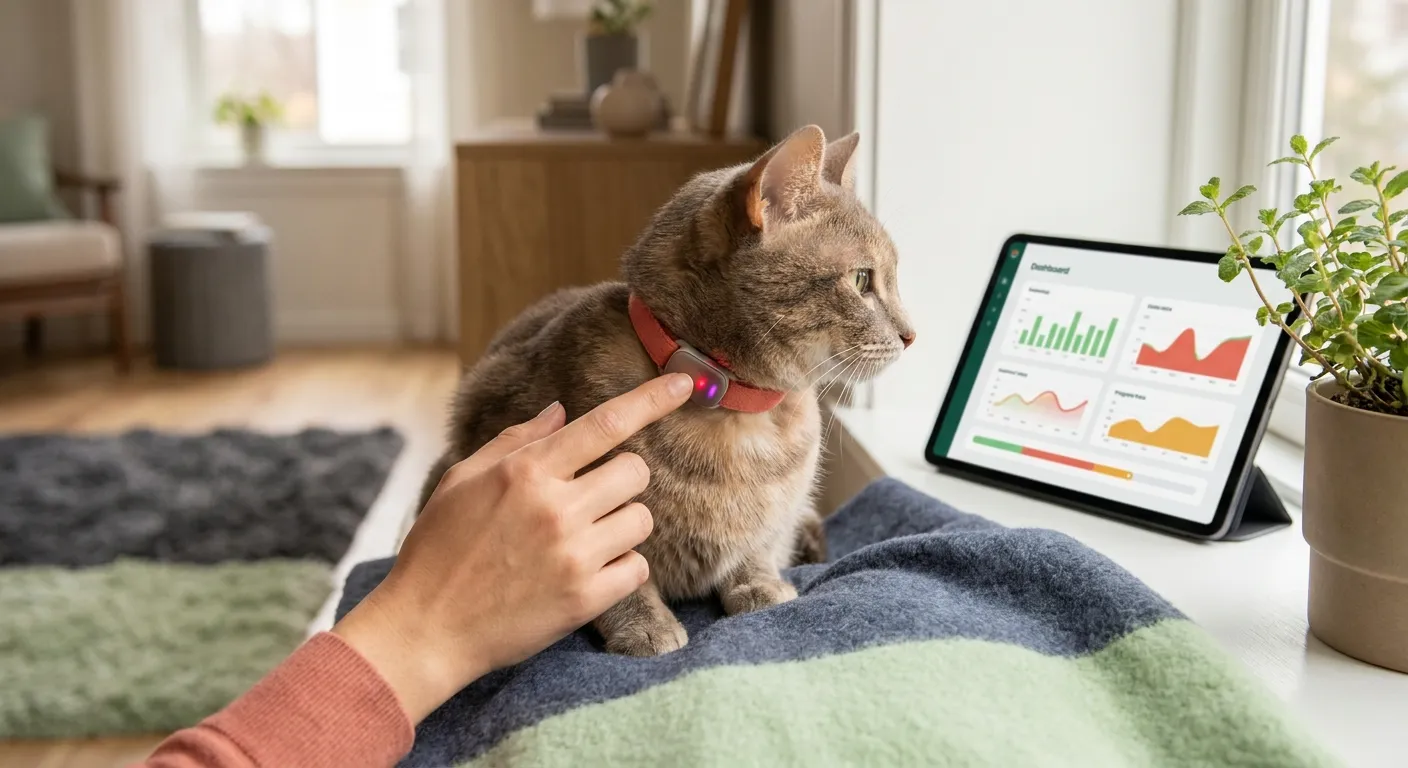
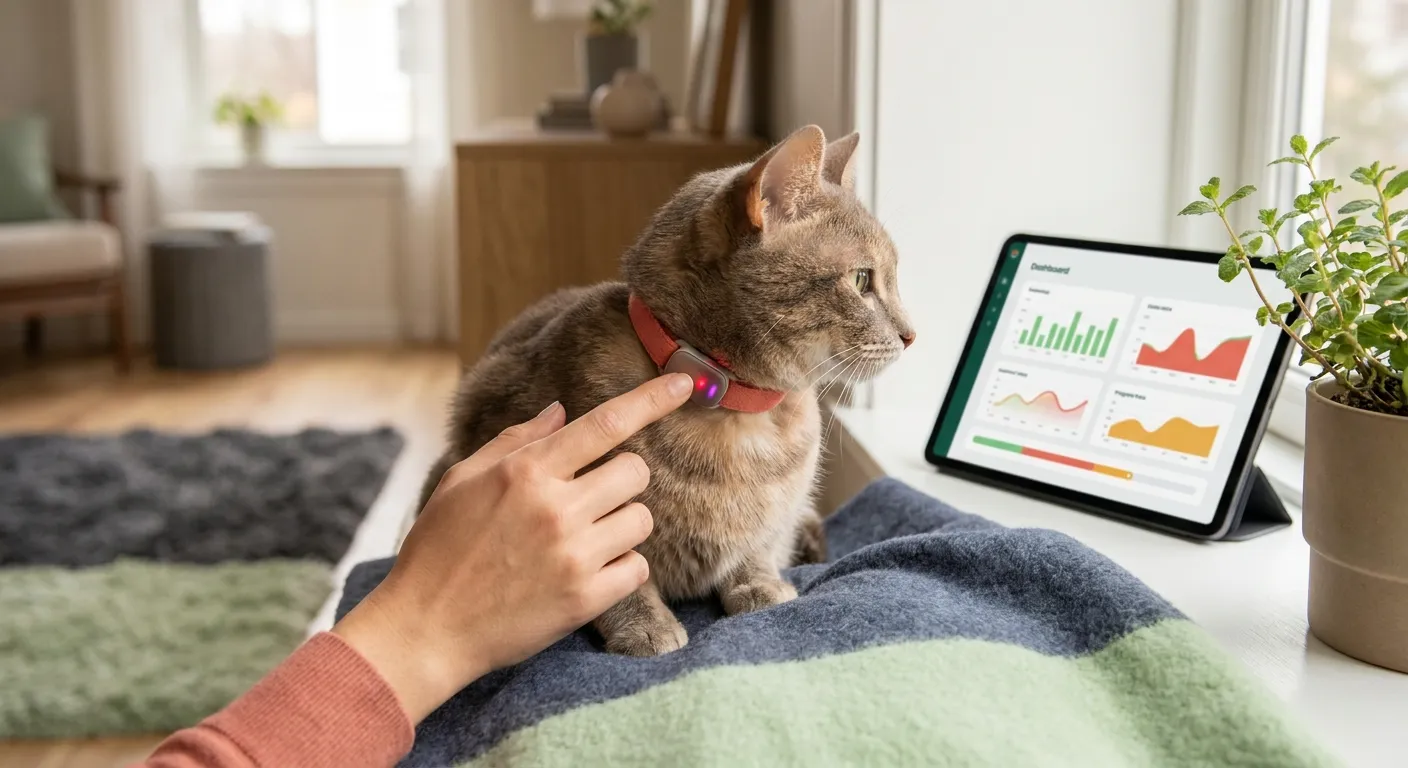
Gone are the days when smart collars were just for GPS tracking. Today’s advanced pet wearables, such as those from PetPace, Fi, and FitBark, are sophisticated health hubs worn comfortably by your cat. These devices monitor crucial vital signs like temperature, heart rate, and respiration. They also track activity levels, sleep quality, and even subtle behavioral shifts – all indicators that could signal discomfort or illness. Imagine receiving an alert that your cat’s resting heart rate has subtly increased over several days, prompting an early vet visit before a serious condition takes hold.
Smart Litter Boxes: An AI-Powered Health Check
The litter box, once a mundane necessity, has become a powerful diagnostic tool thanks to smart technology. Devices like SiiPet’s LitterLens utilize AI to monitor a cat’s toilet habits, tracking usage patterns, frequency, and even the volume of waste. These smart litter boxes can alert owners to changes that might signify common feline health problems such as urinary tract infections (UTIs), kidney issues, or digestive disturbances. Given that the global pet tech market is projected to reach $20 billion by 2026, innovations like these are becoming increasingly accessible and indispensable for maintaining feline health.
Integrating Technology for Comprehensive Feline Wellness
The true power of cat health monitoring technology lies in its ability to provide a holistic view of your cat’s well-being, complementing regular veterinary care. Here’s how these technologies contribute:
- Continuous Data Collection: Unlike a single vet visit, wearables and smart litter boxes offer 24/7 data, revealing patterns and trends over time.
- Early Warning Systems: Subtle changes in vital signs or behavior can be flagged early, often before visible symptoms appear.
- Personalized Insights: Data collected helps build a unique health profile for your cat, allowing for more tailored care.
- Enhanced Veterinary Collaboration: Sharing detailed health logs with your veterinarian provides them with a more complete picture, aiding in diagnosis and treatment.
Moreover, these monitoring systems empower cat owners to be more actively involved in their pet’s health journey. Understanding your cat’s normal patterns makes it easier to spot when something is amiss. For instance, a sudden decrease in activity levels might indicate pain or discomfort, prompting a closer look.
The Evolution of Feline Health Monitoring Devices
The landscape of pet health innovation is rapidly expanding, bringing forth increasingly sophisticated tools. Initially, devices focused on basic tracking, but now, the emphasis is firmly on health metrics. For example, some advanced collars can detect changes in gait that might signal arthritis or injury, particularly beneficial for keeping your senior cat comfortable. Furthermore, new research is exploring non-invasive methods to monitor blood glucose levels in diabetic cats, moving beyond traditional, more stressful testing methods. The goal remains consistent: to provide comprehensive data without causing undue stress to our feline companions.
Beyond Wearables: Smart Feeders and Water Fountains
The integration of technology extends beyond direct monitoring. Smart feeders, for example, can precisely control portion sizes and feeding times, which is crucial for managing weight and ensuring proper nutrition. Some even include cameras to confirm your cat is eating. Similarly, smart water fountains track water intake, a vital metric given the importance of hydration for feline health. If your cat’s water consumption suddenly drops, the device can alert you, prompting you to investigate potential issues or simply encouraging them to drink more. This proactive approach supports ensuring your cat drinks enough water, a key aspect of preventative care.
The Impact of Cat Health Monitoring Technology on Preventative Care
Preventative care is the cornerstone of feline health, aiming to stop illnesses before they start or catch them in their earliest, most treatable stages. Cat health monitoring technology significantly bolsters these efforts. By continuously tracking key indicators, these devices provide an ongoing health narrative, rather than just isolated snapshots. This continuous stream of data allows for the identification of subtle trends or deviations from a cat’s baseline health, which might otherwise go unnoticed until a condition becomes more severe. Ultimately, this leads to earlier interventions, often resulting in less invasive treatments and better outcomes. This aligns perfectly with the principles of understanding preventative cat care.
Understanding Behavioral Changes Through Technology
Cats communicate through subtle behavioral cues. A sudden change in activity, an altered sleep pattern, or unusual litter box habits can all be indicators of underlying health issues. Monitoring devices excel at detecting these shifts. For example, a cat that typically sleeps 16 hours a day but suddenly starts sleeping 20 hours, or one that becomes unusually restless at night, could be experiencing discomfort. By observing these changes through data, owners can better understand their cat’s needs and seek veterinary advice promptly. This complements the crucial skill of recognizing early signs of illness in cats, making owners even more attuned to their pets.
Choosing the Right Feline Health Monitoring Solutions
With a growing market, selecting the appropriate health monitoring tools for your cat requires careful consideration. Firstly, evaluate your cat’s specific needs and your budget. Some cats, especially those with chronic conditions, may benefit from more comprehensive monitoring. Secondly, research device accuracy and reliability. Look for products with positive reviews and clear scientific backing. Thirdly, consider ease of use for both you and your cat. The device should be comfortable for your cat to wear, and the accompanying app should be user-friendly. Finally, ensure the technology integrates well with your veterinarian’s approach to care, allowing for easy data sharing. Moreover, it’s always wise to consult with your vet before investing in new monitoring tools to ensure they are suitable for your cat’s individual health profile.
The Future of Feline Health: Predictive Analytics and AI
The future of cat health monitoring technology is poised for even greater advancements. The integration of artificial intelligence (AI) and machine learning is moving beyond simple data collection to predictive analytics. Imagine a system that not only alerts you to a change but can also predict the likelihood of certain conditions developing based on your cat’s unique data profile and historical patterns. This could allow for interventions even before symptoms manifest, pushing preventative care to an unprecedented level. Researchers are also exploring bio-sensors that can detect specific biomarkers for diseases, offering even more precise and early diagnoses. For example, the development of devices that can non-invasively detect early signs of kidney disease, a common ailment in older cats, would be revolutionary. Furthermore, the increasing connectivity of these devices will create a vast database of feline health information, allowing for broader research and a deeper understanding of cat health trends globally. This will ultimately benefit all cat owners, providing a wealth of knowledge to draw upon.
Overcoming Challenges in Pet Tech Adoption
Despite the immense benefits, there are challenges to the widespread adoption of pet health technology. Cost can be a barrier for some owners, as advanced devices can be expensive. Ensuring data privacy and security is another critical concern, as sensitive health information is being collected. Additionally, some cats may not tolerate wearing devices, requiring alternative monitoring solutions. However, as technology advances, costs are likely to decrease, and devices will become more comfortable and less intrusive. Manufacturers are also increasingly focusing on robust data protection measures. The goal is to make these life-enhancing technologies accessible and acceptable to the widest possible audience of cat owners, ensuring that every cat has the opportunity to benefit from proactive health management.
Ultimately, the synergy between dedicated cat owners, knowledgeable veterinarians, and innovative technology companies is driving this revolution. By embracing these tools, we can move towards a future where feline illnesses are detected earlier, managed more effectively, and our beloved cats enjoy longer, healthier, and happier lives. This commitment to continuous care reflects our deep bond with our feline companions.
Conclusion
The emergence of cat health monitoring technology marks a significant leap forward in feline care. From smart wearables tracking vital signs and activity to intelligent litter boxes analyzing waste, these innovations provide unprecedented opportunities for early detection and proactive health management. By offering continuous data, these technologies empower cat owners and veterinarians to identify subtle changes that might indicate emerging health issues, often before visible symptoms appear. This shift from reactive to proactive care is transforming how we approach feline wellness, leading to more timely interventions and improved quality of life for our beloved cats. As these technologies continue to evolve, integrating predictive analytics and AI, we can anticipate an even brighter future for our feline companions, ensuring they thrive for years to come. The era of truly personalized and preventative cat care is here, thanks to these remarkable advancements.
FAQ
What types of devices are considered feline health monitors?
Feline health monitors encompass a range of devices, including smart collars that track activity and vital signs, smart litter boxes that analyze waste patterns, and smart feeders/water fountains that monitor food and water intake. These tools collectively provide data on a cat’s well-being.
How can technology help detect early signs of illness in cats?
Technology aids in early detection by providing continuous data on a cat’s normal patterns. Subtle deviations in activity levels, sleep, heart rate, or litter box habits can be flagged by these devices, indicating a potential health issue before it becomes obvious. This allows for prompt veterinary consultation.
Are these pet monitoring devices comfortable for cats to wear?
Manufacturers design these devices with feline comfort in mind. Many wearables are lightweight and ergonomically designed to be unobtrusive. However, individual cats may react differently, so it’s important to choose a device that your cat tolerates well and introduce it gradually.
Can pet health technology replace regular vet visits?
No, pet health technology complements, rather than replaces, regular veterinary check-ups. While these devices provide valuable data for early detection, professional veterinary examinations, diagnostics, and treatments remain essential for comprehensive feline care. The data collected can, however, significantly enhance the information available to your vet.
What should I consider when choosing a monitoring system for my cat?
When selecting a monitoring system, consider your cat’s specific health needs, the device’s accuracy and reliability, ease of use (for both you and your cat), and its compatibility with your veterinarian’s practices. It’s also wise to research customer reviews and consult your vet for recommendations.