
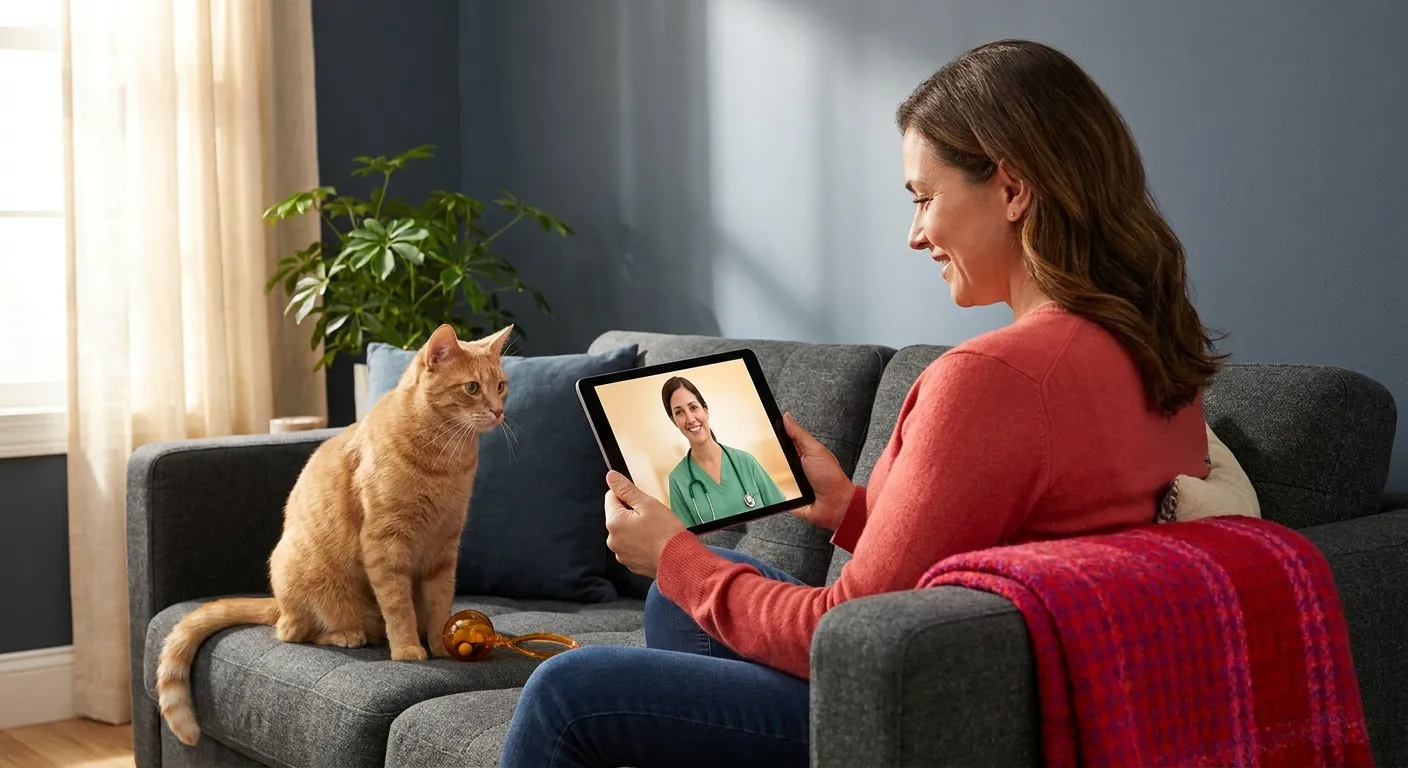
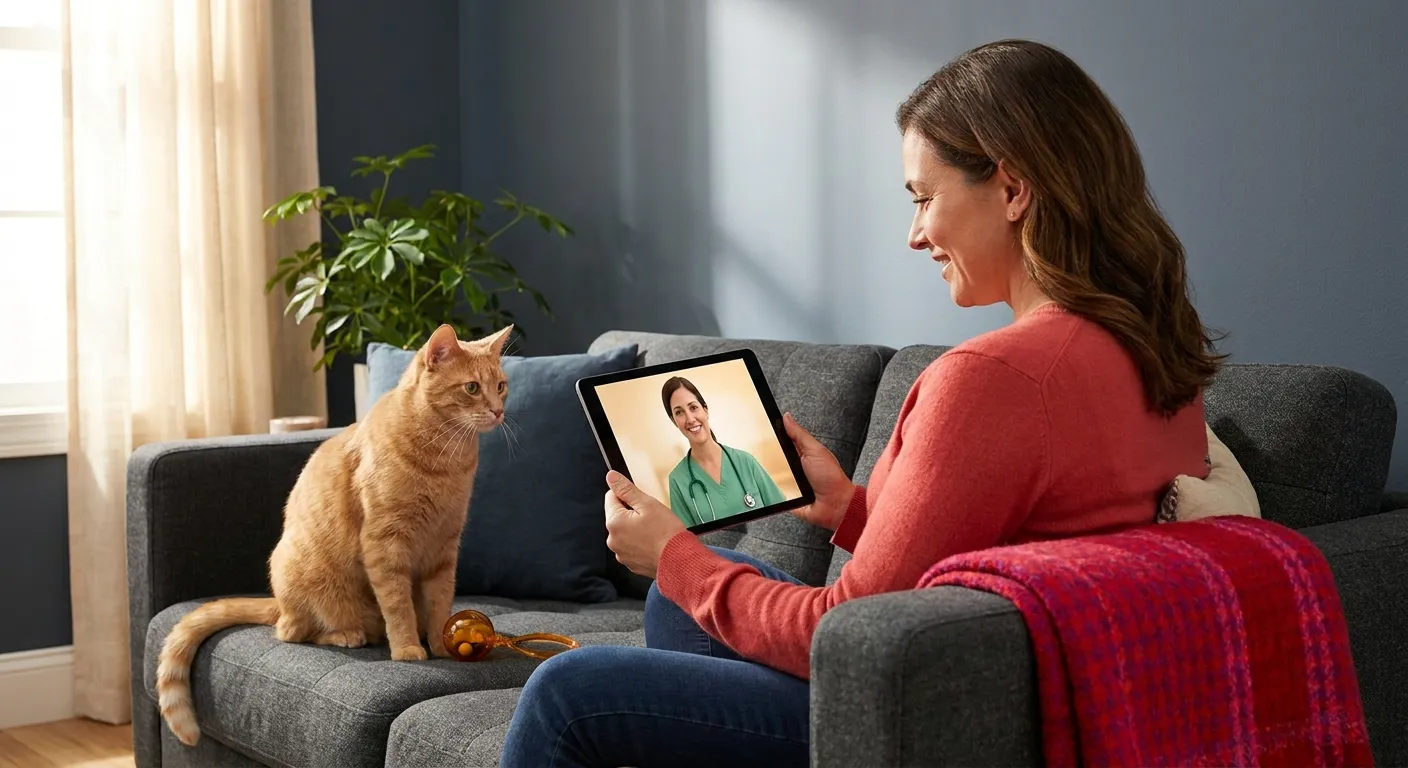
The landscape of pet care is undergoing a significant transformation, driven by advancements in technology and a growing demand for personalized services. With the U.S. pet industry expenditures estimated at $158 billion in 2025, and veterinary care projected to reach $42.4 billion in 2026, it’s clear that pet owners are investing in comprehensive health solutions. For cat owners, one of the most impactful developments is the rise of feline telemedicine behavioral support, offering convenient and effective ways to address their cat’s complex behavioral challenges from the comfort of home.
The Unique Challenge of Feline Behavior
Cats are creatures of habit and often sensitive to change, making traditional vet visits a source of significant stress for many. The unfamiliar environment, car ride, and presence of other animals can exacerbate existing behavioral issues or even create new ones, making it difficult for vets to observe a cat’s true demeanor. This is where telemedicine shines, particularly for behavioral consultations.
Bridging the Distance: The Power of Telemedicine
Veterinary telemedicine has evolved rapidly, becoming standard practice for a range of conditions, including behavioral, nutritional, and chronic issues. For cats, virtual consultations provide a unique advantage: they allow a veterinarian or certified behaviorist to observe the cat in its natural, unstressed environment. This can lead to more accurate assessments and tailored advice than an in-clinic visit where fear or anxiety might mask true behavioral patterns. Consequently, this approach often yields more effective outcomes for pets and their owners.
How Feline Telemedicine Behavioral Support Works
Telemedicine tools, often integrated with mobile apps offering real-time video and AI chat assistants, are enhancing remote care. For behavioral support, this typically involves:
- Initial Consultation: A virtual meeting where the owner describes the cat’s behavior, its history, and the home environment.
- Observation: The vet or behaviorist can observe the cat’s interactions, body language, and environment through video, often asking the owner to demonstrate specific behaviors.
- Diagnosis and Plan: Based on observations and discussions, a diagnosis (e.g., anxiety, territorial marking, aggression) is made, and a customized behavior modification plan is developed.
- Follow-Up: Regular virtual check-ins allow for monitoring progress, adjusting strategies, and providing ongoing support without the need for stressful in-person visits.
This approach is particularly beneficial for common feline issues like inappropriate urination, aggression towards other pets, excessive vocalization, or separation anxiety. The convenience means owners are more likely to seek help sooner, preventing minor issues from escalating into major problems. This proactive measure significantly contributes to a cat’s overall well-being. Furthermore, early intervention through virtual vet visits can prevent the development of more severe, ingrained behavioral problems, ultimately leading to a more harmonious household.
Advantages for Cat Owners and Their Felines
Virtual vet visits offer a multitude of benefits for both cats and their human companions. Reduced stress is a primary advantage. Eliminating the anxiety of car rides and unfamiliar clinic environments can profoundly impact a cat’s comfort level. Indeed, many cats find car travel incredibly stressful, as detailed in our guide on Safe Cat Travel: Tips for Stress-Free Journeys.
Convenience and Accessibility
Telemedicine appointments provide unparalleled convenience. Owners can schedule consultations around their busy lives, saving time and avoiding the logistical challenges of transporting a cat to a clinic. This flexibility is especially valuable for individuals with mobility issues, those living in remote areas, or households with multiple pets. Moreover, it expands access to specialized behavioral experts who might not be available locally. This means more cats can receive expert guidance, regardless of their geographic location. In addition, the ability to connect with specialists quickly means issues can be addressed promptly.
Observing Natural Behavior
Perhaps the most significant benefit of virtual behavioral consultations is the ability to observe a cat in its natural habitat. A cat’s true personality and behavioral patterns often emerge only when they feel safe and secure. In a clinic setting, fear or anxiety can mask these behaviors, leading to misinterpretations. For example, a cat that is aggressive at the vet might be a perfectly calm animal at home. Conversely, a cat experiencing separation anxiety might only display symptoms when its owner leaves the house. A veterinary behaviorist can observe these nuances directly through video, gaining a more accurate understanding of the underlying issues. Consequently, this leads to more precise diagnoses and more effective treatment plans.
Personalized and Consistent Care
Feline telemedicine behavioral support allows for highly personalized care plans. The virtual format facilitates detailed discussions about the cat’s environment, daily routine, and social dynamics within the home. This comprehensive understanding enables the behaviorist to develop strategies that are specifically tailored to the cat’s unique needs and the owner’s lifestyle. Furthermore, follow-up appointments are easier to schedule, ensuring consistent monitoring and adjustments to the plan as needed. This continuity of care is vital for successful behavior modification. For instance, consistency in routine is often key to managing issues like inappropriate urination or aggression, topics often discussed during these virtual sessions.
Common Feline Behavioral Issues Addressed by Telemedicine
Many common cat behavioral problems can be effectively managed through virtual consultations. These include, but are not limited to:
- Inappropriate Urination or Defecation: This is one of the most frequent complaints from cat owners. A virtual visit allows the behaviorist to assess the litter box setup, location, type of litter, and any potential stressors in the home environment.
- Aggression: Whether towards other pets or humans, aggression can be complex. Observing interactions in the home helps identify triggers and develop safe management strategies. Introducing a new cat, for instance, can sometimes lead to aggression, and Introducing a New Cat to Your Existing Pets Smoothly is a critical resource for prevention.
- Excessive Vocalization: Constant meowing or howling can indicate various issues, from medical problems to attention-seeking or anxiety.
- Separation Anxiety: Symptoms like destructive behavior, excessive grooming, or vocalization when the owner is absent can be observed through owner-provided videos or live virtual sessions.
- Destructive Scratching: A behaviorist can provide guidance on appropriate scratching posts and environmental enrichment to redirect this natural feline behavior.
- Fear and Phobias: Loud noises, new people, or specific objects can trigger fear. Virtual support helps owners implement desensitization and counter-conditioning techniques.
These virtual interactions provide a safe space for cats to exhibit their true behaviors, allowing for more accurate diagnoses and effective intervention strategies. Ultimately, this leads to happier cats and more satisfied owners.
The Role of Technology in Enhancing Virtual Behavioral Care
Modern technology plays a crucial role in the efficacy of feline telemedicine behavioral support. High-definition video calls allow for clear visual assessments, while integrated chat functions enable immediate communication. Many platforms also offer secure portals for sharing medical records, videos of specific behaviors, and progress reports. Some advanced systems incorporate AI tools that can help analyze behavioral patterns or provide owners with immediate, evidence-based advice for minor issues. This technological integration streamlines the process, making remote consultations as thorough and effective as in-person visits, if not more so, for behavioral concerns. Indeed, the ability to record and share videos of specific behaviors over time provides valuable data that a single in-clinic visit could never capture.
Choosing the Right Feline Telemedicine Behavioral Support Provider
When seeking virtual behavioral assistance for your cat, it is essential to choose a reputable provider. Look for services staffed by board-certified veterinary behaviorists or veterinarians with extensive experience and additional qualifications in feline behavior. Furthermore, ensure the platform is secure and compliant with veterinary regulations. Reading reviews and asking for recommendations can help you find a service that aligns with your needs and your cat’s specific situation. A good provider will offer clear communication, a structured plan, and ongoing support. This careful selection ensures that your cat receives the highest quality of care available through virtual means.
The Future of Feline Behavioral Health
The growth of veterinary telemedicine is not just a temporary trend; it represents a fundamental shift in how pet care is delivered. For feline behavioral health, this means more accessible, less stressful, and often more effective solutions for a wide range of issues. As technology continues to advance, we can expect even more sophisticated tools and services to emerge, further enhancing the capabilities of virtual behavioral consultations. This progression promises a future where every cat owner can readily access expert help for their feline companion’s behavioral challenges, fostering stronger bonds and healthier lives for pets. Indeed, the American Veterinary Medical Association (AVMA) continues to advocate for its responsible and effective use, highlighting its potential.
Ultimately, feline telemedicine behavioral support empowers cat owners by providing them with the resources and guidance needed to understand and modify their cat’s behaviors. This leads to happier, healthier cats and more harmonious households. The ability to address complex issues without adding to a cat’s stress is invaluable. From addressing early signs of illness that might manifest as behavioral changes to simply improving a cat’s quality of life, virtual behavioral consultations are transforming feline care. We encourage cat owners to explore this modern solution as a valuable part of their comprehensive pet care strategy.
The integration of technology into veterinary medicine, particularly for behavioral support, provides a pathway to better understanding our feline friends. This innovative approach ensures that geographical barriers or the stress of traditional clinic visits no longer prevent cats from receiving the specialized care they need. For more insights into comprehensive feline health, consider exploring resources on common cat behavior issues from the ASPCA.
Conclusion
In conclusion, feline telemedicine behavioral support stands as a testament to the evolving landscape of pet care. It offers a compassionate, convenient, and highly effective method for addressing the intricate behavioral challenges that many cats face. By enabling veterinarians and certified behaviorists to observe cats in their natural environments, this approach fosters more accurate diagnoses and personalized treatment plans. The benefits—reduced stress for cats, enhanced convenience for owners, and improved access to specialized care—are undeniable. As we look to the future, virtual behavioral support will undoubtedly play an increasingly vital role in ensuring the well-being and happiness of our beloved feline companions. Choosing this path means choosing a less stressful, more tailored solution for your cat’s behavioral needs, ultimately strengthening the bond you share.
FAQ:
What exactly is virtual behavioral support for cats?
Virtual behavioral support for cats involves consulting with a veterinary behaviorist or a veterinarian specializing in feline behavior through video calls or other digital communication methods. This allows for assessment and guidance on behavioral issues without an in-person clinic visit.
How does remote cat behavior consultation reduce stress for my cat?
Remote cat behavior consultation eliminates the need for car rides, carriers, and unfamiliar clinic environments, which are common stressors for many cats. Your cat remains in its comfortable home territory, allowing for more natural behavior observation.
What types of cat behavior problems can be addressed virtually?
Many common issues can be addressed, including inappropriate urination, aggression towards other pets or people, excessive vocalization, separation anxiety, destructive scratching, and fear-related behaviors. The key is observing the behavior in its natural context.
Is virtual vet behavior help as effective as an in-person visit?
For behavioral issues, virtual vet behavior help can often be more effective than in-person visits because the specialist can observe the cat in its natural, unstressed home environment. This provides a more accurate picture of the cat’s true behavior patterns.
What should I prepare for a virtual cat behavior appointment?
You should prepare a detailed history of your cat’s behavior, including when it started and what triggers it. Having videos of the behavior in question is also highly beneficial. Be ready to discuss your cat’s daily routine, environment, and any changes you’ve observed.