
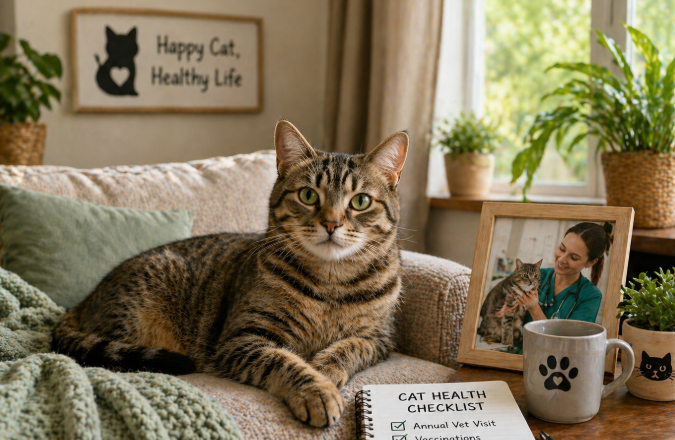
Cat health screenings guide information is essential for any cat owner who wants to ensure their pet lives a long, healthy, and comfortable life. While cats often appear independent and resilient, many health issues develop silently over time. Because of this, routine screenings play a crucial role in detecting problems early before they become serious. By following a structured approach, you can better understand your cat’s needs at every stage of life.
To begin with, cats age differently than humans, and their health risks can change quickly. Therefore, using a cat health screenings guide allows you to stay proactive rather than reactive. Instead of waiting for symptoms, you can identify potential concerns early and provide timely care. As a result, your cat experiences fewer complications and enjoys a higher quality of life.
Why Screening Needs Change Throughout Your Cat’s Life
As your cat grows older, their body undergoes various changes that influence their health. Because of this, screening recommendations shift depending on age and lifestyle. A cat health screenings guide helps you adjust care routines so your cat receives the right attention at the right time.
For example, kittens require basic health checks to monitor growth and development. Meanwhile, adult cats need ongoing monitoring to maintain stability. As cats enter their senior years, screenings become more detailed to detect age-related conditions. These adjustments ensure that health risks are managed effectively.
In addition, lifestyle plays a role in determining screening needs. Indoor cats may face different risks compared to outdoor cats. Therefore, a cat health screenings guide considers both age and environment when recommending routine checks.
Screenings For Kittens And Young Cats
During the early stages of life, kittens require frequent checkups to ensure proper development. A cat health screenings guide emphasizes the importance of vaccinations, parasite control, and basic physical exams at this stage.
Veterinarians typically monitor weight, growth, and overall condition during these visits. Because kittens grow rapidly, regular checkups help ensure they are developing properly. In addition, early screenings can detect congenital issues that may need attention.
Vaccinations are a key part of early care. These protect kittens from common diseases and build a strong immune foundation. Parasite screenings are also important, as young cats are more vulnerable to infections.
Behavior and nutrition should also be assessed during this stage. By following a cat health screenings guide, you can establish healthy habits early, which support long term wellness.
Health Screenings For Adult Cats
As cats transition into adulthood, their health needs become more stable but still require consistent monitoring. A cat health screenings guide recommends annual checkups to track overall health and detect subtle changes.
During these visits, veterinarians often check weight, dental health, and organ function. Blood tests may be introduced to establish baseline values, which help detect abnormalities later. Because many diseases develop gradually, these screenings are essential for early detection.
Dental care becomes increasingly important at this stage. Routine dental exams help prevent gum disease and other oral issues. In addition, maintaining a healthy diet supports overall well-being and reduces the risk of chronic conditions.
Behavioral changes should also be monitored. If your cat becomes less active or shows changes in appetite, these could indicate underlying health issues. Therefore, following a cat health screenings guide ensures that these signs are addressed promptly.
Screenings For Senior Cats
Senior cats require more frequent and detailed screenings due to increased health risks. A cat health screenings guide highlights the importance of monitoring conditions such as kidney disease, diabetes, and arthritis in older cats.
Blood and urine tests are often recommended to assess organ function. These tests can detect early signs of disease, allowing for timely intervention. Because senior cats may not show obvious symptoms, these screenings are particularly valuable.
Weight changes should be closely monitored, as sudden loss or gain can indicate health problems. In addition, mobility assessments help identify joint issues that may affect your cat’s comfort.
Vision and hearing checks are also important for aging cats. Changes in these senses can impact their quality of life, so early detection helps you make necessary adjustments. By following a cat health screenings guide, you can support your cat’s comfort and independence as they age.
The Role Of Preventive Care In Screenings
Screenings are most effective when combined with preventive care. A cat health screenings guide works best alongside healthy habits that reduce the risk of disease. For example, proper nutrition supports organ function and overall health.
Regular exercise helps maintain a healthy weight and keeps your cat active. Interactive play not only provides physical benefits but also supports mental stimulation. These habits complement screening efforts by addressing risk factors directly.
Routine grooming also plays a role in early detection. By brushing your cat regularly, you can identify skin issues, lumps, or parasites. This simple habit can lead to early intervention and better outcomes.
In addition, maintaining a clean environment reduces exposure to harmful bacteria and toxins. By combining preventive care with a cat health screenings guide, you create a comprehensive approach to your cat’s health.
Common Mistakes Cat Owners Should Avoid
Even with the best intentions, some cat owners overlook important aspects of health screenings. One common mistake is skipping vet visits when the cat appears healthy. However, many conditions develop without visible symptoms.
Another issue is inconsistent scheduling. Cats thrive on routine, and regular checkups are part of maintaining that stability. Therefore, following a cat health screenings guide helps ensure that screenings are not missed.
Ignoring minor changes in behavior is another mistake. Subtle signs, such as reduced activity or changes in grooming habits, can indicate health issues. Addressing these changes early can prevent more serious problems.
Lastly, relying only on emergency care instead of preventive screenings can lead to higher costs and poorer outcomes. By staying consistent with a cat health screenings guide, you can avoid these challenges and support your cat’s long term health.
Long Term Benefits Of Routine Screenings
Following a cat health screenings guide provides significant long term benefits. Early detection allows for timely treatment, which often leads to better outcomes and improved quality of life.
Regular screenings also reduce the risk of severe health complications. By identifying issues early, you can manage conditions before they worsen. This proactive approach helps your cat stay active and comfortable.
In addition, routine checkups provide peace of mind. Knowing that your cat’s health is being monitored allows you to focus on enjoying your time together. This confidence is an important part of responsible pet ownership.
A cat health screenings guide also supports longevity. Cats that receive consistent care are more likely to live longer and healthier lives. Over time, these benefits create a strong foundation for your cat’s well-being.
Conclusion
Cat health screenings guide information is essential for protecting your cat’s health at every stage of life. By understanding what screenings are needed and when, you can take a proactive approach to care. Regular checkups, combined with healthy habits, create a strong foundation for long term wellness.
Although it may seem like a small effort, consistent screenings can make a significant difference. They allow you to detect problems early, reduce risks, and improve your cat’s overall quality of life. In the end, following a cat health screenings guide ensures that your cat remains healthy, happy, and well cared for throughout their life.
FAQ
1. How often should I take my cat for health checkups?
Most cats should visit the vet once a year, while senior cats may need checkups every six months.
2. What tests are important for older cats?
Blood and urine tests are essential for detecting kidney disease, diabetes, and other age-related conditions.
3. Do indoor cats still need regular screenings?
Yes, indoor cats can develop health issues and should still receive routine veterinary care.
4. What signs indicate my cat may need a health check?
Changes in appetite, behavior, or energy levels can signal potential health problems.
5. Can screenings really extend a cat’s life?
Early detection and preventive care can significantly improve longevity and overall quality of life.