
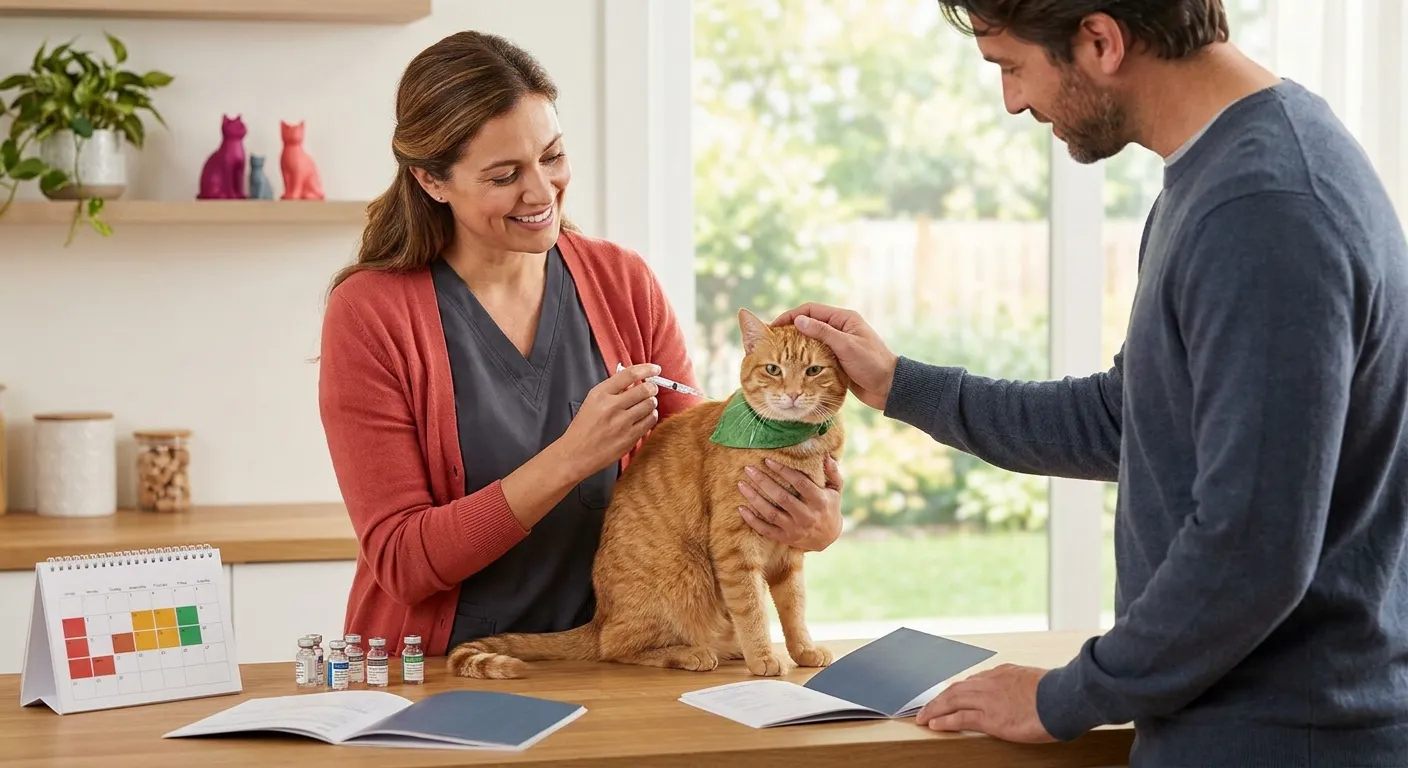
Ensuring your cat lives a long, healthy life involves more than just good nutrition and a loving home; it also requires robust preventive care. Understanding the essential cat vaccination schedule and effective parasite prevention strategies is fundamental to protecting your feline companion from common, often serious, diseases. At Best Cat Care, we believe in providing comprehensive, veterinarian-informed advice to empower you to make the best health decisions for your pet.
The Importance of a Tailored Cat Vaccination Schedule
Vaccinations are a cornerstone of preventive veterinary medicine, offering protection against highly contagious and potentially fatal diseases. While the idea of vaccinating your cat might seem straightforward, the specific schedule and types of vaccines can vary based on your cat’s age, lifestyle (indoor vs. outdoor), geographic location, and overall health status. Therefore, a personalized approach, discussed with your veterinarian, is crucial.
Core Vaccinations for Cats
Core vaccines are recommended for all cats, regardless of their lifestyle, due to the prevalence and severity of the diseases they protect against. These typically include:
- Feline Panleukopenia (FPV): Also known as feline distemper, this is a highly contagious and often fatal viral disease that attacks rapidly dividing cells, especially in the bone marrow and intestines.
- Feline Viral Rhinotracheitis (FHV-1): A common upper respiratory infection caused by a herpesvirus.
- Feline Calicivirus (FCV): Another common cause of upper respiratory infections and oral disease in cats.
- Rabies: A fatal neurological disease transmissible to humans. Notably, rabies vaccination is legally required in many areas.
Kittens typically receive a series of core vaccines starting at 6-8 weeks of age, with boosters every 3-4 weeks until they are 16 weeks old. Subsequently, adult cats then receive boosters, often every one to three years, depending on the specific vaccine and your vet’s recommendation.
Non-Core Vaccinations
Non-core vaccines are administered based on a cat’s individual risk factors. Your vet will assess your cat’s exposure potential to determine if these are necessary. Common non-core vaccines include:
- Feline Leukemia Virus (FeLV): Recommended for all kittens, and for adult cats that go outdoors or live with FeLV-positive cats. This virus can cause various cancers and immune suppression.
- Chlamydophila felis: For cats at high risk of exposure to this bacterial infection, which causes conjunctivitis.
- Bordetella bronchiseptica: For cats at risk of kennel cough, often those in multi-cat households or boarding facilities.
Comprehensive Parasite Prevention for Feline Health
Beyond vaccines, protecting your cat from internal and external parasites is a vital component of their overall health strategy. Parasites can cause discomfort, transmit diseases, and in severe cases, be life-threatening. Hence, a proactive approach is always best.
External Parasites: Fleas, Ticks, and Mites
External parasites are not just an annoyance; they can lead to skin infections, anemia, and transmit other diseases. Therefore, regular prevention is key.
- Fleas: These tiny insects cause intense itching, allergic reactions (flea allergy dermatitis), and can transmit tapeworms and other diseases. They are a common nuisance for indoor and outdoor cats alike.
- Ticks: Ticks can transmit serious diseases like Lyme disease and anaplasmosis, even though these are less common in cats than dogs. They attach to the skin and feed on blood.
- Mites: Various types of mites can affect cats, including ear mites (Otodectes cynotis), which cause itchy, waxy ears, and sarcoptic mites (scabies) or demodectic mites, which lead to severe skin irritation and hair loss.
Prevention typically involves topical treatments, oral medications, or collars. Your veterinarian can recommend the most suitable product based on your cat’s lifestyle and local parasite prevalence. Always use veterinary-approved products, as some over-the-counter options can be ineffective or even harmful to cats.
Internal Parasites: Worms and Protozoa
Internal parasites, often called ‘worms,’ reside in your cat’s gastrointestinal tract or other organs. They can cause a range of symptoms from mild digestive upset to severe illness.
- Roundworms: These are very common, especially in kittens, and can be transmitted from mother to offspring. They can cause a pot-bellied appearance, vomiting, and diarrhea.
- Hookworms: These small worms attach to the intestinal wall and feed on blood, potentially causing anemia, especially in young cats.
- Tapeworms: Cats often get tapeworms from ingesting fleas or rodents. You might see segments of tapeworms around your cat’s anus, resembling grains of rice.
- Heartworms: While more common in dogs, cats can also get heartworms, which are transmitted by mosquitoes. The disease in cats is often harder to diagnose and treat, making prevention critical.
- Protozoa: Organisms like Giardia and Coccidia are microscopic parasites that can cause diarrhea, especially in kittens and immunocompromised cats.
Regular deworming, especially for kittens, is crucial. Furthermore, yearly fecal exams are recommended for adult cats to detect internal parasites early. Your vet will prescribe appropriate deworming medications, often administered orally.
Developing a Personalized Preventive Care Plan
Creating a comprehensive preventive care plan for your cat involves integrating both vaccinations and parasite control. This plan is not static; it will evolve as your cat ages and their lifestyle changes. In fact, a kitten’s needs are vastly different from those of a senior cat.
Kitten Care: Building Immunity
Kittens are particularly vulnerable to infectious diseases because their immune systems are still developing. Therefore, a strict vaccination schedule is essential. They typically receive a series of core vaccines every 3-4 weeks, starting at 6-8 weeks of age, until they are 16 weeks old. This series helps build robust immunity. Moreover, deworming is usually initiated early, often at 2-3 weeks of age, and repeated regularly due to the high prevalence of intestinal parasites in young animals. Discussing your kitten’s specific cat vaccination schedule with your vet is paramount.
Adult Cat Care: Maintaining Protection
Once your cat has completed their initial kitten series, adult booster vaccinations are necessary to maintain immunity. The frequency of these boosters depends on the specific vaccine and your cat’s risk factors. For example, indoor cats might have a different schedule than outdoor cats. Annual veterinary check-ups are vital for monitoring overall health, discussing any changes in lifestyle, and ensuring their cat vaccination schedule remains current. These visits also provide an opportunity for ongoing parasite screening and prevention discussions.
Senior Cat Care: Adapting to Age
As cats age, their immune systems can become less efficient. Furthermore, they may develop chronic health conditions that impact their ability to fight off infections. Your veterinarian might adjust their vaccination protocol based on their health status and lifestyle. Regular health screenings become even more important for senior cats to detect age-related diseases early. Continual parasite prevention is also crucial, as senior cats can be more susceptible to the adverse effects of parasitic infections.
The Role of Your Veterinarian in Your Cat’s Health
Your veterinarian is your primary partner in ensuring your cat’s long-term health. They possess the expertise to assess your cat’s individual needs, recommend the most appropriate cat vaccination schedule, and advise on the best parasite prevention strategies. They consider factors like your cat’s age, breed, geographic location, exposure risk, and overall health when making recommendations. Do not hesitate to ask questions or express concerns during your visits.
Preparing for Your Vet Visit
To make the most of your veterinary appointment, consider preparing a few things:
- Health History: Bring any records of previous vaccinations or health issues, especially if you are seeing a new vet.
- Lifestyle Details: Be prepared to discuss your cat’s lifestyle—whether they are strictly indoors, go outdoors, interact with other animals, or travel.
- Questions: Write down any questions you have about your cat’s vaccination needs, parasite control, or general health.
- Observations: Note any changes in your cat’s behavior, appetite, litter box habits, or physical condition.
Your active participation helps your vet tailor the best preventive care plan for your beloved feline. This includes establishing the most effective cat vaccination schedule for their specific circumstances.
Understanding Vaccine Reactions and Safety
Vaccinations are generally very safe, and the benefits of protection against serious diseases far outweigh the risks. However, like any medical procedure, there is a small chance of side effects. Most reactions are mild and short-lived.
Common Mild Reactions:
- Mild fever
- Slight decrease in appetite or activity
- Soreness or swelling at the injection site
- Sneezing, mild coughing, or runny nose (especially with intranasal vaccines)
These reactions typically resolve within a day or two. If you notice any of these, contact your vet for advice. In some very rare cases, more severe reactions can occur. These include allergic reactions (anaphylaxis), which might involve vomiting, diarrhea, facial swelling, or difficulty breathing, and are medical emergencies. Another extremely rare concern is vaccine-associated sarcomas, a type of tumor that can develop at injection sites. Veterinarians take precautions to minimize this risk, such as administering vaccines in specific locations. For more information on vaccine safety, consult resources like the American Veterinary Medical Association (AVMA).
Beyond Vaccines and Parasites: Holistic Cat Wellness
While a proper cat vaccination schedule and rigorous parasite prevention are cornerstones, they are part of a larger picture of holistic cat wellness. A truly healthy cat thrives on multiple fronts.
Nutrition
A balanced, high-quality diet is fundamental to your cat’s overall health and immune function. Proper nutrition supports healthy skin, coat, energy levels, and helps their body fight off illness. Therefore, choose cat food appropriate for their age, activity level, and any specific health needs. Always provide fresh water.
Environmental Enrichment
Cats need mental and physical stimulation to prevent boredom and stress. This includes providing scratching posts, toys, climbing structures, and opportunities for play. Environmental enrichment helps prevent behavioral issues and promotes overall well-being. A happy cat is often a healthier cat.
Regular Grooming
Grooming, including brushing, nail trims, and occasional bathing, helps keep your cat’s coat and skin healthy. Regular brushing can reduce hairballs and allows you to check for any lumps, bumps, or external parasites. This is especially important for long-haired breeds.
Stress Reduction
Cats are creatures of habit and can be sensitive to changes in their environment. Stress can weaken their immune system, making them more susceptible to illness. Provide a safe, consistent environment, minimize sudden changes, and offer plenty of hiding spots and quiet areas. Creating a calm home environment contributes significantly to their health.
By integrating these aspects with a diligent cat vaccination schedule and parasite control, you are providing the most comprehensive care possible for your feline companion. Your dedication ensures they live a fulfilling and healthy life by your side. Consider consulting ASPCA’s cat care resources for additional comprehensive care tips.
Conclusion
Protecting your cat’s health is a continuous journey that combines diligent preventive measures with loving care. Establishing and adhering to a personalized cat vaccination schedule and implementing effective parasite prevention strategies are essential steps in this journey. These proactive measures shield your beloved companion from many preventable diseases, contributing significantly to their longevity and quality of life. Always partner with your veterinarian to tailor the best possible health plan for your cat, adapting it as their needs evolve. At Best Cat Care, we are committed to providing you with the knowledge and resources to ensure your cat thrives, living a happy, healthy, and protected life.
FAQ
What is the typical vaccination timeline for kittens?
Kittens generally start their vaccine series at 6-8 weeks of age. They then receive booster shots every 3-4 weeks until they are about 16 weeks old. This schedule ensures their developing immune system builds strong protection against common diseases.
How often do adult cats need booster shots?
The frequency of adult cat vaccine boosters varies. Core vaccines like rabies and FVRCP (Feline Viral Rhinotracheitis, Calicivirus, Panleukopenia) are often given every one to three years, depending on the specific vaccine, your cat’s lifestyle, and your veterinarian’s recommendation.
Are indoor cats still at risk for parasites?
Yes, even strictly indoor cats can be exposed to parasites. Fleas or ticks can hitch a ride inside on humans or other pets. Mosquitoes, which transmit heartworm, can also enter homes. Therefore, year-round parasite control is recommended for all cats.
What are the signs of a severe vaccine reaction?
While most vaccine reactions are mild, severe signs include vomiting, diarrhea, difficulty breathing, facial swelling, hives, or collapse. If you observe any of these symptoms, seek immediate veterinary attention as they indicate an allergic reaction.
Why is a personalized immunization plan important for my cat?
A tailored immunization plan considers your cat’s age, lifestyle (indoor vs. outdoor), geographic location, and overall health. This ensures they receive only the necessary protections, minimizing risks while maximizing immunity against relevant threats.
Explore more: More from Best Cat Care