
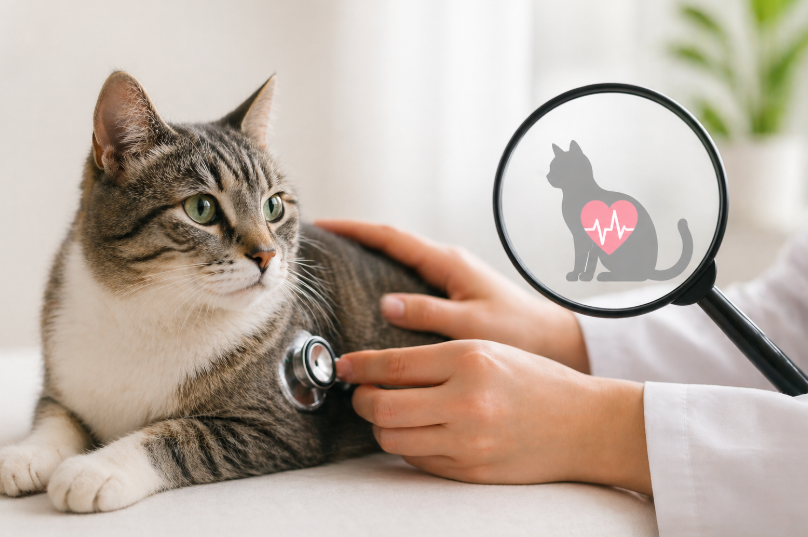
Learning how to detect cat health issues early can make a huge difference in your pet’s quality of life. Cats are known for hiding discomfort, which means problems often go unnoticed until they become serious. However, when you pay close attention to subtle changes in behavior, appetite, and daily routines, you can catch warning signs before they escalate. This early awareness allows you to take action quickly and prevent more complicated health concerns down the line.
Most cat owners assume that visible symptoms will always appear when something is wrong. In reality, cats tend to mask pain as a survival instinct. Because of this, small shifts in their habits often serve as the first clues. For example, a normally playful cat becoming withdrawn or a sudden change in eating patterns can signal underlying issues. By learning to detect cat health issues through these early signs, you become more proactive and confident in caring for your pet.
Why Early Detection Matters For Cats
Understanding why it is important to detect cat health issues early helps you appreciate how much impact it can have. When conditions are identified at an early stage, treatments are usually simpler and more effective. In many cases, early intervention can even prevent chronic diseases from developing. For instance, catching dental problems early can stop infections, while identifying weight changes quickly can prevent metabolic disorders.
Additionally, early detection reduces stress for both you and your cat. Instead of dealing with emergency situations, you can manage problems calmly and with proper guidance. This approach not only improves your cat’s physical health but also supports emotional well-being. As a result, staying observant and proactive becomes one of the most valuable habits you can build as a pet owner.
Subtle Behavior Changes You Should Never Ignore
Cats communicate differently from humans, so behavioral changes often reveal more than physical symptoms. If you want to detect cat health issues, start by observing how your cat behaves daily. A sudden decrease in activity or a lack of interest in play can indicate discomfort or illness. Likewise, increased hiding or avoiding interaction may signal pain or anxiety.
Another important sign involves litter box habits. If your cat starts urinating outside the box or shows difficulty while using it, this could point to urinary tract issues or digestive problems. Similarly, excessive grooming or a sudden lack of grooming can reflect skin conditions or stress-related concerns. These changes might seem minor at first, but they are often early indicators that something is wrong.
Pay attention to vocalization as well. Some cats become unusually quiet, while others may meow more frequently when they are uncomfortable. By recognizing these patterns, you can detect cat health issues before they become more severe and harder to treat.
Physical Signs That May Indicate Health Problems
While behavior provides important clues, physical signs should not be overlooked. To detect cat health issues effectively, examine your cat regularly for visible changes. For example, dull or matted fur can indicate poor nutrition or illness. Healthy cats typically maintain a clean and shiny coat, so changes in appearance often suggest underlying problems.
Weight fluctuations are another key indicator. Sudden weight loss may signal conditions such as hyperthyroidism or digestive disorders, while weight gain can point to inactivity or dietary imbalances. In addition, changes in appetite, whether eating too little or too much, should always be monitored closely.
Check your cat’s eyes, ears, and nose as well. Discharge, redness, or unusual odors can indicate infections or allergies. Even small signs like bad breath can be linked to dental disease, which is common in cats. By staying attentive to these details, you can detect cat health issues early and seek help before complications arise.
Daily Habits That Help You Stay Alert
Developing simple routines can greatly improve your ability to detect cat health issues. For example, feeding your cat at consistent times allows you to notice any changes in appetite more easily. If your cat suddenly refuses food or eats less than usual, it becomes immediately noticeable.
Regular grooming sessions also provide an opportunity to check for lumps, skin irritations, or parasites. During these moments, you can observe your cat’s reaction to touch, which may reveal sensitive or painful areas. In addition, maintaining a clean litter box helps you monitor urine and stool patterns, both of which are important indicators of health.
Spending quality time with your cat each day strengthens your bond while helping you notice behavioral shifts. As you become more familiar with your cat’s normal routine, any deviation stands out more clearly. This awareness makes it easier to detect cat health issues before they worsen.
The Importance Of Routine Vet Visits
Even with careful observation, professional checkups remain essential. Regular veterinary visits are designed to detect cat health issues that may not be visible at home. Routine exams often include weight checks, dental assessments, and basic screenings that can reveal hidden problems.
Vaccinations and preventive treatments also play a role in maintaining your cat’s health. By staying up to date with these measures, you reduce the risk of common diseases. Moreover, discussing any unusual changes with your veterinarian ensures that concerns are addressed early.
It is important not to wait until symptoms become severe before seeking help. Instead, treat vet visits as part of your preventive care routine. Combining professional guidance with your daily observations creates a strong defense against health issues.
Lifestyle Factors That Influence Cat Health
Your cat’s environment and daily lifestyle choices can affect how easily you detect cat health issues. A balanced diet is one of the most important factors. High-quality food supports overall health and makes it easier to notice changes in appetite or digestion. On the other hand, inconsistent feeding habits can mask early warning signs.
Hydration is equally important. Cats often do not drink enough water, so providing fresh water or wet food can help maintain proper hydration. This, in turn, supports kidney and urinary health, making potential issues easier to identify.
Exercise also plays a role. Encouraging playtime helps maintain a healthy weight and allows you to observe your cat’s mobility. If your cat suddenly avoids jumping or running, it may indicate joint pain or injury. By maintaining a healthy lifestyle, you create conditions where it is easier to detect cat health issues early.
When To Act And Seek Help
Knowing when to take action is crucial when you aim to detect cat health issues effectively. Some signs require immediate attention, such as difficulty breathing, persistent vomiting, or sudden collapse. These symptoms should never be ignored and require urgent veterinary care.
Other signs, while less dramatic, still deserve attention if they persist. For example, ongoing changes in appetite, behavior, or litter box habits should be evaluated by a professional. Even if the issue seems minor, it is better to be cautious and seek advice.
Trust your instincts as a pet owner. If something feels off, it probably is. Acting early allows you to address problems before they become more serious, ensuring your cat receives the care it needs.
Conclusion
Learning how to detect cat health issues early is one of the most valuable ways to protect your pet’s well-being. By paying attention to subtle changes, maintaining consistent routines, and seeking regular veterinary care, you can catch problems before they escalate. This proactive approach not only improves your cat’s health but also strengthens your confidence as a responsible pet owner.
Your cat depends on you to notice what they cannot express clearly. When you stay observant and informed, you give your pet the best chance at a long, healthy life. Ultimately, early detection is not just about preventing illness, but about ensuring your cat enjoys comfort, happiness, and overall well-being every day.
FAQ
- What are early warning signs of illness in cats?
Early signs include changes in appetite, behavior, grooming habits, and litter box use, which should be monitored closely. - How often should I take my cat to the vet?
Most cats benefit from at least one annual checkup, though older cats may need more frequent visits. - Can cats hide pain or illness effectively?
Yes, cats often hide discomfort, which is why small behavioral or physical changes are important to notice. - What should I do if my cat stops eating?
If your cat refuses food for more than a day, consult a veterinarian to rule out serious issues. - How can I monitor my cat’s health at home?
Regular observation, consistent routines, and daily interaction help you notice changes and respond early.