Cats are creatures of habit. Therefore, disruptions to their routine or environment can easily lead to stress and anxiety. Understanding the signs and knowing how to respond is key to managing cat stress and ensuring your feline lives a calm, happy life. While often subtle, prolonged stress can lead to behavioral problems and even health issues. Consequently, early intervention is vital for their well-being.
Understanding Feline Anxiety: What Causes Stress in Cats?
Recognizing the sources of stress is the first step in effectively addressing feline anxiety. Common environmental stressors include changes in routine, such as altered feeding times or new sleeping arrangements. Furthermore, the introduction of new pets or people into the home often triggers anxiety. Loud noises, like construction or fireworks, can also be particularly distressing. Moving house or even simply rearranging furniture can disrupt a cat’s sense of security. These environmental shifts often challenge a cat’s need for predictability.
Social stressors can arise from various interactions. For example, conflicts with other pets in the household can create ongoing tension. A lack of consistent, positive interaction with their human companions might also contribute to feelings of neglect or insecurity. Inappropriate handling, such as being picked up against their will, can further exacerbate anxiety. Cats thrive on positive, respectful interactions.
Health-related issues also play a significant role. Pain or illness, even if not immediately obvious, can manifest as behavioral changes related to stress. A cat feeling unwell may hide more, become irritable, or lose interest in activities they once enjoyed. Therefore, any sudden behavioral shifts warrant a veterinary check-up to rule out underlying medical conditions. Indeed, a healthy cat is generally a happier cat.
Identifying the Subtle Signs of a Stressed Cat
Cats are masters at masking their discomfort. However, there are several key indicators of feline stress. Observing these changes helps pinpoint potential triggers for your cat’s anxiety. One common sign is excessive grooming, often to the point of creating bald patches or skin irritation. This can be a self-soothing behavior.
Hiding more frequently or in unusual places is another strong indicator. A stressed cat might seek refuge under beds, in closets, or other secluded spots. Increased vocalization, such as excessive meowing, howling, or growling, can also signal distress. Conversely, a decrease in vocalization might also be a sign.
Changes in appetite or litter box habits are concerning. A cat might eat less or more than usual. Similarly, inappropriate urination or defecation outside the litter box often points to stress or a medical issue. Aggression towards humans or other pets, previously uncharacteristic, can also stem from anxiety. Finally, a noticeable decrease in playful behavior or interaction with family members suggests a cat is not feeling its best. Recognizing these subtle shifts is crucial for early intervention.
Creating a Sanctuary: Environmental Enrichment for Reducing Feline Stress
Once stressors are identified, there are several proactive solutions for managing cat stress. Environmental enrichment is paramount. Cats need stimulating environments that cater to their natural instincts. Provide plenty of scratching posts of various textures and heights. Climbing trees and cat shelves offer vertical space, which is vital for security and observation. Interactive toys, such as puzzle feeders or wand toys, engage their minds and bodies. Moreover, safe hiding spots, like cat tunnels, cardboard boxes, or cozy beds, offer secure retreats. A well-designed environment empowers cats to cope with stressors more effectively.
Maintain a consistent daily routine for feeding, playtime, and attention. Predictability creates a sense of security for cats. They thrive on knowing what to expect throughout their day. This consistency helps reduce uncertainty, a common cause of anxiety. Regular play sessions, for instance, provide an outlet for energy and reduce boredom. Consistent, positive interaction reinforces their bond with you.
Consider using feline pheromone diffusers or sprays. These products mimic natural calming scents that cats produce, helping to create a more relaxed atmosphere. They can be particularly useful during periods of change or for cats prone to anxiety. For instance, a diffuser might be beneficial when introducing a new pet. Consult your veterinarian for recommendations on these products.
Addressing Behavioral Challenges: When to Seek Expert Help
Sometimes, stress manifests in more complex behavioral challenges. If stress is due to inter-cat aggression, consulting a certified feline behaviorist is highly recommended. They can provide guidance on slow, supervised reintroductions and strategies to foster peaceful coexistence. Attempting to resolve inter-cat aggression without expert advice can sometimes worsen the situation. A behaviorist can offer tailored plans for your specific situation.
For persistent or severe anxiety, especially if accompanied by physical symptoms, a veterinary consultation is essential. Your vet can rule out underlying medical causes for the behavior. Pain, dental issues, or thyroid problems can all present as anxiety. Once medical issues are excluded, your vet may suggest dietary supplements, such as L-theanine or Zylkene, which have calming properties. In some cases, medication might be prescribed to help your cat cope with severe anxiety. This is typically a last resort, used in conjunction with behavioral modifications. Always consult your vet before administering any supplements or medications to your cat. The ASPCA offers valuable resources on common cat behavior issues, including aggression and litter box problems.
Long-Term Strategies for a Calm and Happy Feline
Creating a predictable, enriched, and loving home environment is fundamental to fostering a calm feline. Furthermore, understanding your cat’s unique personality and preferences is key to long-term success. Some cats are more sensitive to change than others. Providing a consistent routine, ample opportunities for play and exploration, and secure resting places will significantly contribute to their overall well-being. Regular veterinary check-ups are also crucial for preventative care and early detection of health issues that could contribute to stress. The Cornell Feline Health Center provides extensive information on feline health and behavior.
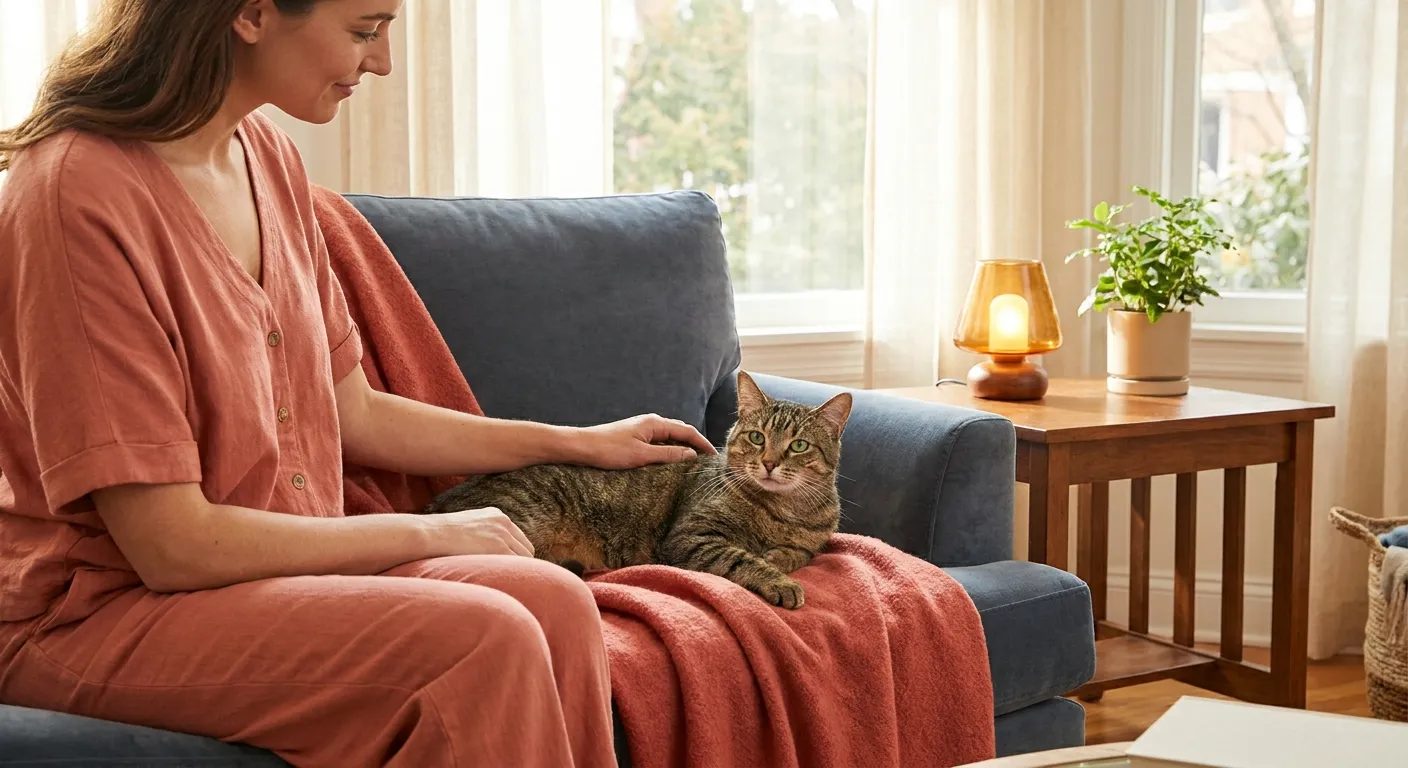
Beyond the basics, consider implementing relaxation techniques. Gentle petting, slow blinking, and calm vocal tones can help soothe an anxious cat. Avoid sudden movements or loud noises, especially when your cat is already stressed. Positive reinforcement training can also build confidence and provide mental stimulation. Teaching your cat simple tricks can be a fun way to bond and reduce anxiety. Remember, patience is paramount when working with a stressed cat. Changes take time and consistency.
Finally, observe your cat closely. Their body language will tell you a lot about their comfort level. Pinpoint what makes them happy and what causes them distress. Adjust their environment and routine accordingly. The goal is to minimize stressors and maximize their sense of security and contentment. By being proactive and responsive, you can significantly improve your cat’s quality of life and create a truly peaceful home. Managing cat stress is an ongoing process that requires dedication and understanding.
Conclusion
In conclusion, managing cat stress and anxiety is a comprehensive process that begins with understanding feline behavior and identifying potential stressors. From environmental changes to health issues, many factors can contribute to a cat’s unease. By recognizing the subtle signs of stress and implementing effective strategies—such as environmental enrichment, consistent routines, and, when necessary, professional intervention—cat owners can significantly improve their pet’s well-being. Remember, a calm and happy cat leads to a harmonious home. Prioritizing your feline’s emotional health is an essential part of responsible pet ownership, fostering a deep and lasting bond.
FAQ Section
What are common signs that a cat is experiencing anxiety?
Common signs of feline anxiety include excessive grooming, hiding more often, increased vocalization, changes in appetite or litter box habits, aggression, or a decrease in playful behavior. Observing these changes can help you understand your cat’s emotional state.
How can I make my home less stressful for my cat?
To create a less stressful home, provide plenty of vertical spaces like climbing trees, offer safe hiding spots, maintain a consistent daily routine for feeding and play, and use interactive toys for mental stimulation. Minimizing loud noises and sudden changes also helps.
Are there natural remedies for an anxious cat?
Some natural approaches for a worried cat include feline pheromone diffusers, calming supplements (like L-theanine, discussed with a vet), and creating a soothing environment. Gentle petting and consistent positive interaction can also provide comfort.
When should I take my stressed cat to the vet?
You should take your worried cat to the vet if stress is persistent, severe, or accompanied by physical symptoms like vomiting, diarrhea, or sudden weight loss. A vet can rule out medical causes and discuss treatment options, including medication if necessary.
Can I prevent my cat from getting stressed when I introduce a new pet?
Preventing stress when introducing a new pet involves slow, supervised introductions. Keep the new pet separate initially, allow them to smell each other under the door, and gradually increase their interaction time. Consult a feline behaviorist for detailed guidance on successful introductions.
Explore more: More from Best Cat Care