
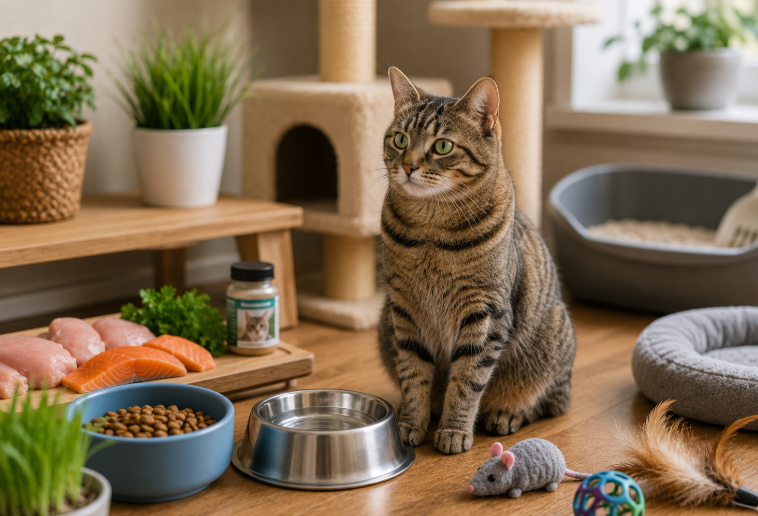
Learning how to reduce cat illness risk starts with the small choices you make every day. Cats may seem independent, but their health depends on food quality, hydration, movement, stress levels, hygiene, dental care, and routine veterinary support. Because cats often hide early signs of illness, prevention becomes even more important. A clean home, balanced meals, safe enrichment, and calm daily structure can help your cat feel secure while supporting long-term wellness. Although no habit can prevent every disease, consistent care can lower avoidable risks and help you notice health changes sooner.
Many common cat health problems build slowly. Weight gain, dental disease, dehydration, stress, digestive upset, urinary trouble, skin problems, and low activity may not look serious at first. However, small issues can become harder to manage when they are ignored. A cat that gains a little weight each month may eventually struggle to jump, groom, or move comfortably. In the same way, a cat with poor hydration may become more prone to urinary discomfort.
The good news is that healthy routines do not need to feel complicated. You do not have to change everything overnight. Instead, focus on steady improvements that fit your cat’s age, personality, and health needs. When daily habits support the whole cat, you create a stronger foundation for a longer, calmer life.
Feed a Balanced Diet That Fits Your Cat
Food is one of the strongest tools you have to reduce cat illness risk. Cats are obligate carnivores, so they need animal-based nutrients, enough protein, proper fats, and essential vitamins and minerals. A balanced diet supports muscles, skin, coat quality, digestion, energy, and immune function. However, the best food for one cat may not be ideal for another.
Choose a complete and balanced cat food that matches your cat’s life stage. Kittens need different nutrients than adult cats, while seniors may need food that supports weight, digestion, or medical concerns. If your cat has kidney disease, diabetes, allergies, urinary issues, or digestive problems, ask your vet before changing food. A diet that sounds healthy online may not fit your cat’s condition.
Portion control matters too. Free-feeding can work for some cats, but many cats overeat when food is always available. Extra weight can raise the risk of diabetes, joint strain, grooming trouble, and reduced activity. Because weight gain often happens gradually, measure meals instead of guessing. Also, check your cat’s body shape often. You should be able to feel the ribs without pressing hard, but they should not be sharply visible.
Treats should stay small and purposeful. Too many treats can unbalance nutrition and add extra calories. If you use treats for training or bonding, count them as part of the daily food intake. Better feeding habits can reduce cat illness risk without making mealtime feel strict or stressful.
Support Hydration Every Day
Hydration plays a major role in feline health. Many cats do not drink much water because they evolved to get moisture from prey. However, modern indoor cats often eat dry food, which contains much less moisture than wet food. As a result, some cats may not take in enough water unless you make hydration easy and appealing.
Wet food can help increase moisture intake. Even adding a spoonful of warm water to wet food can support hydration. Some cats enjoy a softer texture, while others prefer a small amount of water mixed in gradually. If your cat eats only dry food, consider asking your vet whether wet food could be added safely.
Water bowls should be clean, fresh, and easy to reach. Place more than one bowl around the home, especially if you have multiple cats. Wide ceramic or stainless-steel bowls often work well because they do not hold odors as much as plastic. Some cats also drink more from a fountain because moving water feels fresher.
Watch for changes in thirst. Drinking much more than usual can signal diabetes, kidney disease, thyroid disease, or other health problems. Drinking less can also become risky, especially during hot weather or illness. Daily water awareness is a simple way to reduce cat illness risk and catch changes early.
Keep Your Cat Active and Mentally Engaged
Movement helps cats maintain a healthy weight, strong muscles, flexible joints, and better mood. Indoor cats can become inactive when their environment feels boring. Over time, low activity may contribute to weight gain, stress, and behavior problems. Therefore, play should be part of daily care.
Short play sessions work better than long, exhausting ones. Use wand toys, soft chase toys, balls, or safe puzzle toys to encourage natural hunting behavior. Let your cat stalk, chase, pounce, and “catch” the toy. Then offer a small meal or treat after play. This pattern feels natural and satisfying.
Cats also need mental enrichment. Window perches, cat trees, scratching posts, tunnels, puzzle feeders, and safe scent exploration can keep the mind active. Rotate toys every few days so they feel interesting again. You do not need a house full of expensive products. Even a cardboard box can become a fun hiding spot.
Scratching is another healthy behavior. It stretches muscles, maintains claws, and reduces stress. Provide sturdy scratching options in areas your cat already uses. If your cat scratches furniture, place a better scratching surface nearby instead of only correcting the behavior. A stimulating home can reduce cat illness risk by supporting movement, confidence, and emotional balance.
Lower Stress With Predictable Routines
Stress can affect a cat’s body and behavior. A stressed cat may hide, overgroom, stop eating, urinate outside the box, become aggressive, or seem withdrawn. In some cats, stress may also contribute to urinary problems or digestive upset. Because cats love routine, predictability is one of the easiest ways to support calm.
Feed your cat around the same times each day when possible. Keep litter boxes in familiar locations, and avoid sudden changes in food, litter type, or sleeping areas. If you need to make a change, introduce it slowly. Gradual transitions help your cat feel more in control.
Safe hiding places are important. Cats should have cozy spots where they can retreat without being bothered. A covered bed, open carrier, cardboard box, or quiet shelf can help. Hiding is not always bad. It becomes concerning when your cat hides constantly, refuses food, or avoids normal activities.
Multi-cat homes need extra planning. Cats may compete silently for food, water, litter boxes, resting spots, or attention. Provide multiple resources in separate areas. A common guideline is one litter box per cat plus one extra. Separate feeding stations can also reduce tension.
Calm handling can reduce cat illness risk by making care less stressful. Teach your cat to accept gentle brushing, nail checks, carrier time, and brief body handling. Use treats, patience, and short sessions. When basic care feels safe, vet visits and home checks become easier.
Protect Dental, Coat, and Litter Box Health
Dental care often gets overlooked, yet it affects comfort, appetite, and overall health. Cats can develop plaque, gum disease, tooth pain, and infections. Since cats may keep eating despite mouth pain, dental problems can go unnoticed. Bad breath, drooling, chewing on one side, pawing at the mouth, or dropping food may suggest a problem.
Ask your vet about dental exams and cleaning needs. Some cats may benefit from tooth brushing, dental diets, water additives, or vet-approved dental treats. Start slowly if you brush. Let your cat taste pet-safe toothpaste first, then introduce the brush in tiny steps. Never use human toothpaste because it can be unsafe for pets.
Coat care also matters. Regular brushing removes loose fur, reduces hairballs, and helps you notice lumps, scabs, fleas, weight changes, or painful areas. Long-haired cats need more grooming, but short-haired cats benefit too. If your cat suddenly stops grooming, mats badly, or looks greasy, schedule a vet check. Poor grooming can signal pain, obesity, stress, or illness.
The litter box gives useful health clues. Scoop daily and watch urine clump size, stool texture, odor, and frequency. Straining, crying, blood, diarrhea, constipation, or frequent trips can signal trouble. Male cats with urinary blockage need emergency care, so never ignore straining. Clean litter habits help reduce cat illness risk and reveal early warning signs.
Make the Home Safer for Everyday Living
A safe home lowers the chance of accidents, poisoning, injury, and stress. Start by removing toxic plants, unsafe foods, loose strings, rubber bands, small objects, plastic bags, and harsh chemicals from your cat’s reach. Cats are curious, and many hazards look like toys.
Keep windows and balconies secure. A screen may not hold a determined cat, especially if birds or insects appear outside. Lock windows, check screens, and avoid leaving balcony doors open. If your cat enjoys fresh air, use a secure catio or properly fitted harness with supervision.
Store medications carefully. Human medicines, supplements, essential oils, and cleaning products can harm cats. Even common pain relievers can be dangerous. Keep all products in closed cabinets, and never give medication unless your vet tells you to.
Food safety matters too. Cats should not eat onion, garlic, chocolate, alcohol, grapes, raisins, heavy salt, or seasoned leftovers. Cooked bones can splinter, while string from meat packaging can cause serious intestinal problems. Simple home safety steps reduce cat illness risk by preventing avoidable emergencies.
Create safe resting areas for senior cats. Add ramps, low beds, non-slip mats, and easy litter box access if your cat has arthritis or weakness. Older cats may still look graceful, but jumping can become harder with age. A safer layout helps them move comfortably.
Schedule Vet Care Before Problems Grow
Preventive veterinary care is one of the strongest ways to protect your cat. Even healthy-looking cats need checkups because many illnesses develop quietly. A vet can check weight, teeth, heart, skin, coat, joints, eyes, ears, and overall body condition. They may also recommend bloodwork, urine testing, vaccines, parasite control, or blood pressure checks.
Senior cats often need more frequent monitoring. Aging can raise the risk of kidney disease, thyroid problems, dental disease, arthritis, high blood pressure, diabetes, and heart concerns. Early testing can reveal changes before symptoms become obvious. When problems are found sooner, treatment may be easier and more effective.
Vaccines and parasite prevention should match your cat’s lifestyle. Indoor cats may still face risks from mosquitoes, fleas, accidental escapes, new pets, or vet visits. Your veterinarian can help you choose a plan based on age, location, health, and exposure.
Do not wait when behavior changes. Appetite loss, hiding, sudden aggression, weight loss, increased thirst, breathing changes, vomiting, diarrhea, straining, or weakness should be checked. Cats often hide pain, so visible signs may mean the problem has been present for a while.
Regular care can reduce cat illness risk because it turns prevention into a routine. Instead of reacting only during emergencies, you build a health plan that grows with your cat.
Conclusion
The best way to reduce cat illness risk is to create steady habits that support your cat’s body and mind. Balanced food, fresh water, regular play, stress control, dental care, clean litter, safe spaces, and vet visits all work together. No single habit does everything, but each one adds protection.
Cats depend on routine more than many people realize. When meals, water, litter, rest, and play feel predictable, your cat feels safer. When you also watch for small changes, you can respond before minor issues become serious. Prevention does not need to feel overwhelming. It simply needs to be consistent.
Start with one area today. Measure meals, refresh water bowls, schedule a checkup, add a scratching post, or spend ten minutes playing. Over time, these small actions can reduce cat illness risk and help your cat enjoy a healthier, calmer life at home.
FAQ
1. What Daily Habits Help Cats Stay Healthier?
Balanced meals, fresh water, playtime, clean litter boxes, grooming, safe enrichment, and regular vet care all support better long-term feline health.
2. How Can I Tell if My Cat Is Becoming Unwell?
Watch for appetite changes, hiding, weight loss, increased thirst, litter box changes, vomiting, poor grooming, breathing changes, or unusual behavior.
3. Does Indoor Living Prevent Most Cat Health Problems?
Indoor living lowers some risks, but it does not prevent every illness. Indoor cats still need exercise, dental care, weight control, parasite protection, and vet checkups.
4. How Often Should My Cat See the Vet?
Many adult cats need at least one yearly checkup. Senior cats or cats with health problems may need visits every six months or as your vet recommends.
5. Can Stress Make Cats Sick?
Yes, stress can affect appetite, behavior, grooming, digestion, and litter box habits. A calm routine, safe hiding spaces, and enough resources can help.