Cats are masters of disguise, often hiding illness until a condition is advanced. As a dedicated cat owner, understanding common cat health problems and the subtle signs to watch for is your superpower in ensuring their longevity and quality of life. Early detection and intervention by a veterinarian can make all the difference, transforming a potentially serious issue into a manageable one. This guide will equip you with the knowledge to recognize when your feline friend might not be feeling their best.
The Silent Language of Feline Distress: Behavioral Changes
Often, the first indication of a health issue isn’t a physical symptom but a shift in behavior. Cats are creatures of habit. Therefore, any deviation from their routine warrants attention. Observing their daily activities closely helps identify potential issues.
Changes in Appetite or Thirst
- Eating Less or Refusing Food: While a skipped meal isn’t always alarming, prolonged refusal to eat (anorexia) can quickly lead to serious issues like hepatic lipidosis (fatty liver disease), especially in overweight cats. It can signal dental pain, kidney disease, or gastrointestinal upset.
- Increased Appetite: Conversely, a sudden increase in hunger without weight gain could indicate hyperthyroidism or diabetes. This change in eating habits is noteworthy.
- Drinking More or Less Water: Excessive thirst (polydipsia) is a classic sign of kidney disease, diabetes, or hyperthyroidism. Decreased thirst could point to nausea or other internal issues. Therefore, monitoring water intake is vital.
Altered Litter Box Habits
Litter box changes are a crucial indicator of common cat health problems related to urinary tract, kidney, or digestive health. These changes provide immediate clues about internal discomfort. Owners should pay close attention to these signals.
- Frequent or Strained Urination: This is a red flag for urinary tract infections (UTIs), bladder stones, or feline lower urinary tract disease (FLUTD). This condition is painful and potentially life-threatening for male cats if blockages occur.
- Urinating Outside the Box: While sometimes behavioral, it often signals discomfort or pain associated with urination. It could also indicate medical conditions like arthritis, making it hard to get into the box.
- Diarrhea or Constipation: Both can be signs of dietary issues, parasites, inflammatory bowel disease, or other gastrointestinal problems. Consequently, stool consistency and frequency are important markers.
Physical Indicators: What to Look For Beyond Behavior
While behavior is key, physical signs provide direct clues about your cat’s health. Observing these physical cues can help confirm suspicions raised by behavioral changes. In fact, a combination of both is often most telling.
Changes in Grooming and Coat Condition
- Excessive Grooming or Licking: This can indicate pain, allergies, fleas, or stress. Sometimes, it’s a sign of discomfort in a specific area.
- Matted or Dull Coat: A lack of grooming often suggests the cat is feeling unwell, too painful to groom, or has dental issues. A dull coat can also be a sign of poor nutrition or underlying disease. This is a clear visual sign of distress.
- Hair Loss: Patchy hair loss (alopecia) can be caused by parasites, allergies, fungal infections (ringworm), or stress. Therefore, examining the coat regularly is beneficial.
Vomiting and Coughing
- Frequent Vomiting: While occasional hairballs are normal, frequent vomiting of food or bile can indicate various gastrointestinal issues. These include dietary intolerance, pancreatitis, or kidney disease.
- Coughing or Wheezing: These symptoms can suggest respiratory infections, asthma, or even heartworm disease. Persistent coughing always warrants veterinary attention.
Eye and Ear Changes
- Red, Watery, or Cloudy Eyes: These can be signs of infections, allergies, or even glaucoma. Any discharge from the eyes is also concerning.
- Ear Discharge, Odor, or Head Shaking: These point to ear infections, mites, or polyps. Consequently, checking ears regularly is a good practice.
Recognizing Feline Pain and Discomfort
Cats are notoriously good at hiding pain. However, subtle signs can indicate discomfort. Knowing these indicators is vital for early intervention. This awareness helps address potential common cat health problems quickly.
Hiding and Lethargy
A cat that suddenly starts hiding more or becomes less active than usual may be in pain or feeling unwell. Lethargy, especially when combined with other symptoms, is a significant warning sign. Therefore, any sudden change in activity level should be noted.
Changes in Posture or Movement
Reluctance to jump, limping, or a hunched posture can indicate joint pain (arthritis), injury, or other musculoskeletal issues. Similarly, a stiff gait is often a sign of discomfort. Observing how your cat moves is important.
Vocalization Changes
Increased meowing, growling, or hissing, particularly when touched in certain areas, can signal pain. Some cats may become unusually quiet. Any change in their usual vocalizations should be considered.
Specific Cat Ailments: Delving Deeper into Feline Health Concerns
Understanding specific conditions helps owners recognize symptoms more accurately. Many conditions manifest with overlapping signs. However, some have distinct indicators. Being informed about these specific cat health problems is empowering.
Kidney Disease
Chronic kidney disease is common in older cats. Symptoms include increased thirst and urination, weight loss, and decreased appetite. Early diagnosis and management can significantly improve quality of life. Regular veterinary check-ups are essential for detection.
Diabetes Mellitus
Similar to humans, cats can develop diabetes. Key signs are increased thirst, frequent urination, and unexplained weight loss despite a good appetite. This condition requires careful management, often including insulin therapy. Cornell Feline Health Center provides excellent resources on this topic.
Hyperthyroidism
This endocrine disorder is also common in older cats. Symptoms include weight loss despite a ravenous appetite, hyperactivity, increased thirst, and a poor coat condition. Treatment options are available and effective. Consequently, early detection is very beneficial.
Feline Lower Urinary Tract Disease (FLUTD)
FLUTD encompasses several conditions affecting the bladder and urethra. Signs include straining to urinate, frequent trips to the litter box, crying during urination, and urinating outside the box. This can be a medical emergency, especially if a blockage occurs. Therefore, immediate veterinary attention is crucial.
Dental Disease
Dental problems are incredibly prevalent in cats. Bad breath, difficulty eating, pawing at the mouth, and decreased appetite are all signs. Untreated dental disease can lead to more serious systemic health issues. Regular dental care is preventive and important.
Preventative Care: Your Best Defense Against Cat Illnesses
Preventative care is the cornerstone of keeping your cat healthy. Regular veterinary visits are paramount. These visits allow for early detection of potential issues before they become severe. Furthermore, preventative measures reduce the risk of many common cat health problems.
Annual Veterinary Check-ups
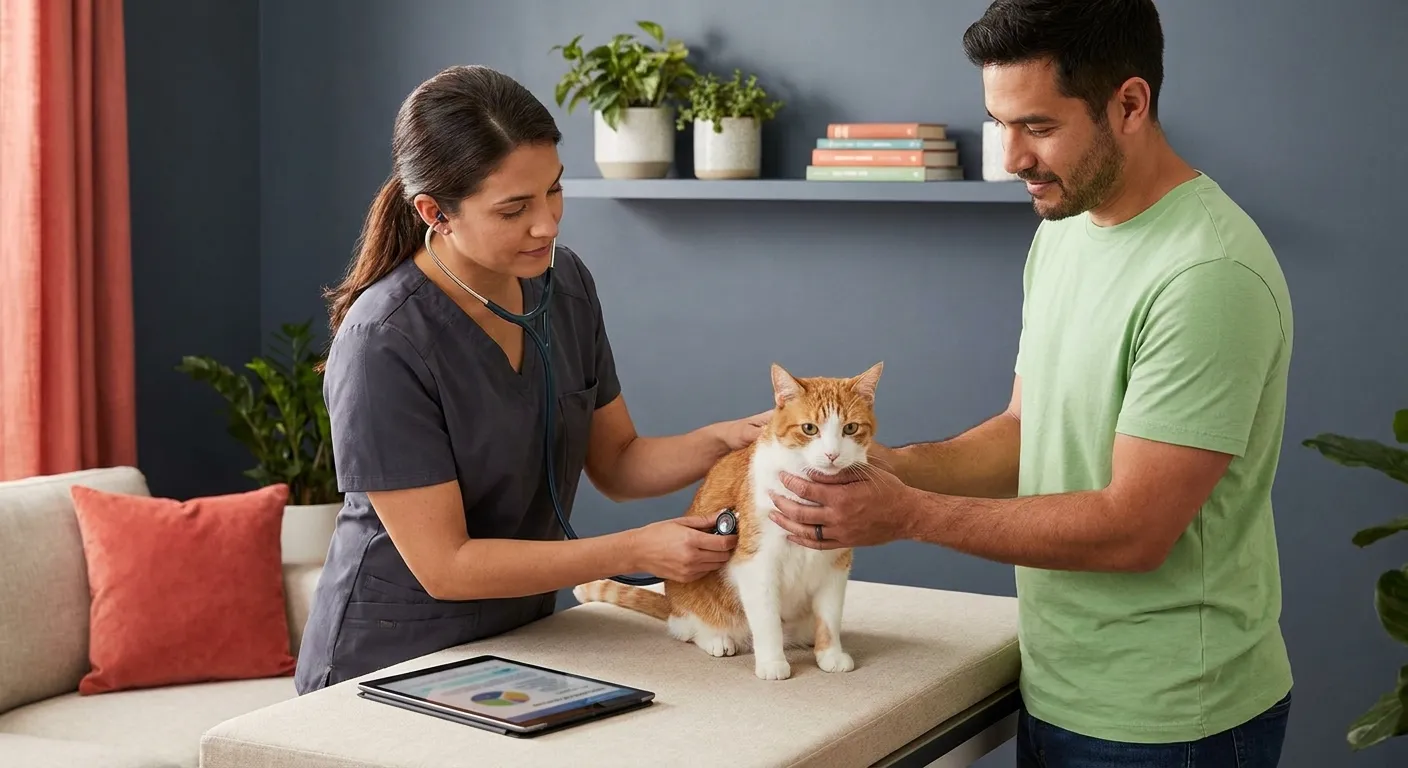
Even if your cat appears healthy, annual check-ups are essential. Vets can perform thorough physical exams, blood work, and urinalysis to detect underlying conditions. These routine visits are vital for maintaining long-term health. They also provide an opportunity to discuss any concerns.
Vaccinations and Parasite Control
Keeping vaccinations up-to-date protects against serious infectious diseases. Regular parasite control, including flea, tick, and heartworm prevention, is also crucial. These measures safeguard your cat from preventable illnesses. Consult your veterinarian for the best preventative schedule.
Nutrition and Hydration
A high-quality, balanced diet is fundamental for overall health. Ensure your cat has constant access to fresh water. Consider a wet food diet, as it provides more hydration. Proper nutrition supports the immune system and organ function.
Environmental Enrichment
A stimulating environment reduces stress and promotes mental well-being. Provide toys, scratching posts, and climbing opportunities. Stress can exacerbate or even cause certain health issues. Therefore, a happy cat is often a healthier cat.
When to Contact Your Veterinarian: Don’t Wait
Understanding the signs is the first step. The next is knowing when to act. If you observe any of the concerning signs discussed, do not hesitate to contact your veterinarian. Prompt action can significantly improve your cat’s prognosis. Trust your instincts as an owner.
Emergency Situations
Certain symptoms require immediate emergency veterinary care. These include: severe difficulty breathing, collapse, prolonged vomiting or diarrhea, inability to urinate, severe pain, or ingestion of a known toxin. In such cases, every minute counts. The American Veterinary Medical Association (AVMA) offers guidance on pet emergencies.
Non-Emergency Concerns
For less severe but persistent symptoms, schedule an appointment promptly. Changes in appetite, mild lethargy, or occasional vomiting warrant investigation. It is always better to be safe than sorry when it comes to your cat’s health. Your vet can provide peace of mind.
Conclusion
Being a proactive cat owner means being vigilant and informed. Recognizing the subtle behavioral and physical signs of common cat health problems is a powerful tool. By paying close attention to your feline companion and seeking veterinary care when needed, you are ensuring they live the happiest, healthiest life possible. Your dedication to their well-being truly makes a difference. Remember, early detection is often the key to successful treatment and a better quality of life for your beloved cat.
FAQ
What are some early indicators of illness in cats?
Early indicators often include changes in appetite or thirst, altered litter box habits like frequent or strained urination, increased hiding, or a sudden decrease in activity levels. Observing these subtle shifts can help you identify potential issues quickly.
How often should my cat visit the vet?
Adult cats should have annual veterinary check-ups. Older cats or those with chronic conditions may require more frequent visits. Regular preventive care is crucial for maintaining their overall health and catching health concerns early.
Can stress cause health issues in cats?
Yes, stress can significantly impact a cat’s health. It can manifest as behavioral problems like urinating outside the litter box, or even contribute to physical ailments such as feline idiopathic cystitis. Providing a stable and enriching environment helps reduce stress.
What are some signs of dental problems in felines?
Signs of dental problems can include bad breath, difficulty eating, drooling, pawing at the mouth, or a decrease in appetite. Untreated dental disease can lead to pain and more serious systemic health issues, so regular dental care is important.
When should I worry about my cat vomiting?
While occasional hairballs are normal, frequent vomiting (more than once a week), vomiting food shortly after eating, or vomiting accompanied by lethargy, diarrhea, or loss of appetite are all reasons to contact your veterinarian. Persistent vomiting can indicate underlying conditions.
Explore more: More from Best Cat Care