
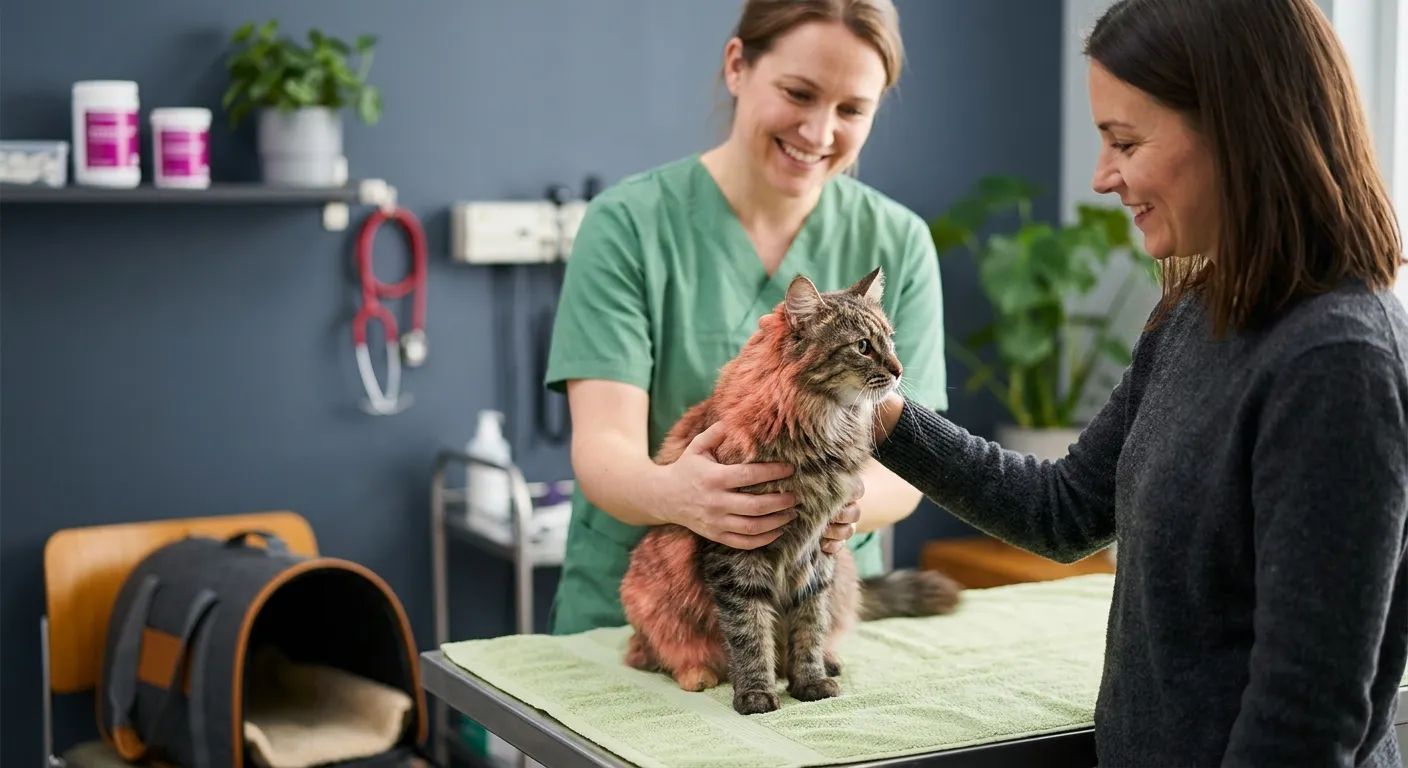
Many cat owners wonder how frequently their feline friends truly need professional veterinary attention, especially if they appear healthy. The truth is, routine cat vet visits are as crucial for preventive care as daily feeding and fresh water. Coupled with consistent grooming, these practices form a holistic approach to ensuring your cat’s long-term health and happiness. At Best Cat Care, we emphasize integrating these essential elements into your cat’s life for comprehensive well-being.
The Indispensable Role of Regular Vet Check-ups
Cats are notoriously good at masking illness, often hiding symptoms until a condition has become advanced. This innate survival instinct makes annual or semi-annual veterinary examinations even more critical. These visits aren’t just for when your cat is sick; they are proactive opportunities to detect subtle changes, prevent diseases, and maintain optimal health.
What Happens During a Routine Vet Visit?
During a typical wellness exam, your veterinarian will:
- Conduct a thorough physical examination: This includes checking your cat’s weight, temperature, heart, lungs, eyes, ears, teeth, and palpating their abdomen and lymph nodes. They’ll also assess their coat and skin.
- Discuss your cat’s history: You’ll review any changes in behavior, appetite, thirst, or litter box habits since the last visit.
- Administer necessary vaccinations: Based on your cat’s age, lifestyle, and risk factors, booster shots will be given.
- Perform parasite screenings: Fecal tests for intestinal parasites and potentially blood tests for heartworm or tick-borne diseases.
- Provide nutritional and behavioral advice: Your vet can offer guidance on diet, weight management, and solutions for common behavioral issues.
- Recommend preventive care: This might include dental cleanings, blood work for senior cats, or specialized diet plans.
These regular check-ups establish a baseline for your cat’s health, making it easier to identify deviations quickly. For senior cats (typically 7+ years), semi-annual visits are often recommended due to their increased susceptibility to age-related conditions like kidney disease, hyperthyroidism, and arthritis. Therefore, consistent veterinary attention is key.
Making Vet Visits Less Stressful
We understand that getting your cat to the vet can be a challenge. Here are some tips to reduce stress:
- Acclimate your cat to the carrier: Leave the carrier out as a regular piece of furniture, placing treats or toys inside.
- Use pheromone sprays: Products like Feliway can help calm your cat when sprayed in the carrier 15-20 minutes before travel.
- Practice short car rides: Gradually introduce your cat to car travel.
- Choose a cat-friendly clinic: Many veterinary practices are becoming Fear-Free certified, focusing on reducing stress for pets.
The Synergy of Grooming and Health Monitoring
Beyond keeping your feline friend looking their best, regular grooming sessions offer a unique opportunity for health monitoring. These hands-on interactions allow you to spot potential issues early, such as skin problems, lumps, or parasites, before they become serious. Consequently, grooming complements the benefits of professional veterinary care.
The Benefits of Regular Cat Grooming
Grooming is more than just aesthetics. In fact, it’s a vital part of your cat’s overall health regimen. Here’s why it’s so important:
- Reduces Hairballs: Regular brushing removes loose fur, significantly decreasing the amount your cat ingests during self-grooming. This helps prevent uncomfortable hairballs.
- Promotes Skin and Coat Health: Brushing distributes natural oils, keeping the coat shiny and healthy. It also stimulates blood circulation to the skin.
- Early Detection of Issues: As you groom, you can check for fleas, ticks, skin lesions, lumps, mats, and any tenderness. Early detection often leads to easier treatment.
- Prevents Matting: Long-haired cats are particularly prone to mats, which can be painful and lead to skin infections. Regular brushing prevents these from forming.
- Strengthens Your Bond: Grooming can be a relaxing and bonding experience for both you and your cat, especially if introduced gently from a young age.
Essential Grooming Practices for Cats
Implementing a consistent grooming routine doesn’t have to be daunting. Here are key practices:
- Brushing: Aim for daily brushing for long-haired cats and a few times a week for short-haired breeds. Use a brush appropriate for your cat’s coat type.
- Nail Trimming: Most cats need their nails trimmed every 2-4 weeks. This prevents nails from becoming too long, which can cause discomfort or ingrown claws.
- Ear Cleaning: Check your cat’s ears weekly for dirt, wax buildup, or signs of infection. Clean only the outer ear with a vet-approved cleaner and cotton ball.
- Dental Care: Brushing your cat’s teeth daily or several times a week is ideal. Dental treats and water additives can also help, but professional dental cleanings are often necessary.
- Bathing: Most cats don’t require frequent bathing. However, some long-haired breeds or cats with skin conditions may benefit from occasional baths using a cat-specific shampoo.
Preparing for Your Cat’s Health Appointments
Effective preparation can make your cat’s health appointments smoother and more beneficial. Therefore, planning ahead is always a good idea. Consider these steps before each visit:
- List Your Questions: Write down any concerns or questions you have about your cat’s health, diet, or behavior. This ensures you don’t forget anything important during your routine cat vet visits.
- Gather Relevant Information: Note any changes in appetite, water intake, litter box habits, energy levels, or new behaviors. Bring a fresh stool sample for parasite screening.
- Secure Transportation: Use a secure, comfortable carrier. Acclimate your cat to it beforehand to minimize stress.
- Medication Records: If your cat is on any medication, bring a list of current dosages and frequency.
By being well-prepared, you can maximize the time with your veterinarian and ensure all your cat’s needs are addressed. Furthermore, it helps the vet provide the most accurate assessment.
Understanding Your Cat’s Life Stages and Health Needs
A cat’s health needs evolve throughout their life. Therefore, understanding these stages helps tailor their care, including the frequency and type of their routine cat vet visits. From playful kittens to serene seniors, each stage presents unique considerations.
Kitten Care (0-1 Year)
Kittens require frequent veterinary attention, including a series of vaccinations, deworming, and spaying or neutering. These early routine cat vet visits establish a strong foundation for lifelong health. Moreover, they allow for early detection of congenital issues.
- Initial Exams: Multiple visits for vaccinations (FVRCP, Rabies, FeLV if applicable) and deworming.
- Parasite Control: Regular checks for fleas, ticks, and intestinal parasites.
- Spay/Neuter: Typically performed around 5-6 months of age.
- Nutritional Guidance: Advice on appropriate kitten food for growth and development.
- Behavioral Training: Tips for litter box training, scratching, and socialization.
Adult Cat Care (1-6 Years)
For most adult cats, annual health check-ups are sufficient, provided they are in good health. These yearly routine cat vet visits focus on preventive care and maintaining wellness. They also include updated vaccinations and dental health checks.
- Annual Wellness Exams: Comprehensive physical exams, vaccinations, and parasite screenings.
- Dental Health: Discussion of dental care, potentially including professional dental cleanings.
- Weight Management: Monitoring weight to prevent obesity, a common issue in adult cats.
- Behavioral Check-ins: Addressing any new or ongoing behavioral concerns.
Senior Cat Care (7+ Years)
As cats age, their risk of developing chronic diseases increases. Therefore, semi-annual routine cat vet visits become crucial for early detection and management of age-related conditions. These frequent check-ups can significantly improve a senior cat’s quality of life.
- Semi-Annual Exams: More frequent physical exams to monitor for subtle changes.
- Diagnostic Testing: Regular blood work (CBC, chemistry panel), urinalysis, and sometimes thyroid checks to screen for common senior ailments like kidney disease, hyperthyroidism, and diabetes.
- Pain Management: Assessing for arthritis and other chronic pain conditions, and discussing treatment options.
- Nutritional Adjustments: Recommending senior-specific diets to support aging organs and maintain muscle mass.
- Mobility and Cognitive Support: Discussing supplements or environmental modifications to help with mobility and cognitive function.
The Role of Nutrition and Environment in Feline Wellness
While professional care and grooming are vital, a cat’s daily diet and living environment play equally significant roles in their overall health. A balanced diet provides essential nutrients, while a stimulating environment reduces stress and promotes physical activity. Consequently, these factors work hand-in-hand with professional care.
Optimal Nutrition for Cats
Choosing the right food is fundamental. Cats are obligate carnivores, meaning their diet must be primarily meat-based. High-quality protein sources are essential. Furthermore, consider your cat’s age, activity level, and any specific health conditions when selecting food.
- Protein-Rich Diet: Look for foods where meat is the primary ingredient.
- Appropriate Calorie Intake: Prevent obesity by feeding the correct portion sizes based on your cat’s weight and activity.
- Hydration: Ensure access to fresh water at all times. Wet food can also contribute significantly to a cat’s hydration.
- Avoid Harmful Foods: Be aware of human foods that are toxic to cats, such as chocolate, onions, garlic, and grapes.
Creating an Enriching Environment
A stimulating environment reduces boredom and stress, contributing positively to your cat’s physical and mental health. This directly supports the benefits gained from regular health check-ups and good grooming.
- Vertical Space: Cats love to climb. Provide cat trees, shelves, or window perches.
- Scratching Posts: Offer various types of scratching surfaces (cardboard, sisal, carpet) to satisfy their natural urge to scratch.
- Interactive Toys: Engage your cat with toys that mimic prey. Rotate toys to keep them interesting.
- Safe Outdoor Access (if applicable): If your cat goes outdoors, ensure it’s a safe, supervised environment or a catio.
- Clean Litter Boxes: Provide at least one litter box per cat plus one extra, kept clean daily.
- Quiet Retreats: Ensure your cat has quiet, safe places to rest and hide.
Why Best Cat Care Emphasizes Proactive Feline Health
At Best Cat Care, our mission is to empower cat owners with the knowledge and resources to ensure their pets live long, happy, and healthy lives. This commitment is why we consistently advocate for proactive health measures, including consistent grooming and, most importantly, regular veterinary attention. We believe that prevention is always better than cure, and early intervention can make a world of difference.
By integrating comprehensive care into your cat’s routine, you’re not just reacting to problems; you’re actively working to prevent them. This approach allows for a deeper understanding of your cat’s individual needs and fosters a stronger, healthier bond. For more information on feline health, you can visit the ASPCA cat care guide or the AVMA cat care resources.
Ultimately, investing time and effort into these crucial practices translates into a higher quality of life for your cherished feline companion. We are here to support you every step of the way on your journey to optimal feline wellness.
Conclusion
In conclusion, a holistic approach to feline wellness truly revolves around the consistent integration of professional veterinary care and diligent home grooming. These practices are not merely optional; they are fundamental pillars supporting your cat’s physical and mental health. Regular appointments, including crucial routine cat vet visits, allow for the early detection and prevention of illnesses. Similarly, consistent grooming provides opportunities for bonding and health monitoring. By prioritizing these aspects of care, along with proper nutrition and an enriching environment, you are actively contributing to a longer, healthier, and happier life for your beloved cat. At Best Cat Care, we firmly believe that an informed and proactive owner is the best advocate for their feline friend’s well-being.
FAQ Section
How often should my cat see the vet?
For adult cats (1-6 years old), annual check-ups are generally recommended. Kittens require more frequent visits for initial vaccinations, while senior cats (7+ years) benefit from semi-annual examinations to monitor for age-related conditions.
What are the main benefits of regular cat grooming?
Regular grooming helps reduce hairballs, promotes healthy skin and coat, allows for early detection of lumps or parasites, prevents painful matting, and strengthens the bond between you and your cat. It’s a crucial part of their overall well-being.
How can I make vet appointments less stressful for my cat?
Acclimate your cat to their carrier by leaving it out as furniture, use pheromone sprays in the carrier, practice short car rides, and consider choosing a Fear-Free certified veterinary clinic. These steps can significantly reduce anxiety.
Beyond vet visits and grooming, what else contributes to my cat’s health?
Optimal nutrition, providing an enriching environment with vertical spaces and interactive toys, and ensuring access to fresh water are all vital. A stimulating home environment and a balanced diet complement professional care.
Why is early detection of illness so important for cats?
Cats are adept at hiding signs of illness due to their natural survival instincts. Early detection through regular veterinary check-ups allows for prompt diagnosis and treatment, often leading to better outcomes and preventing conditions from becoming more severe or difficult to manage.
Explore more: More from Best Cat Care