
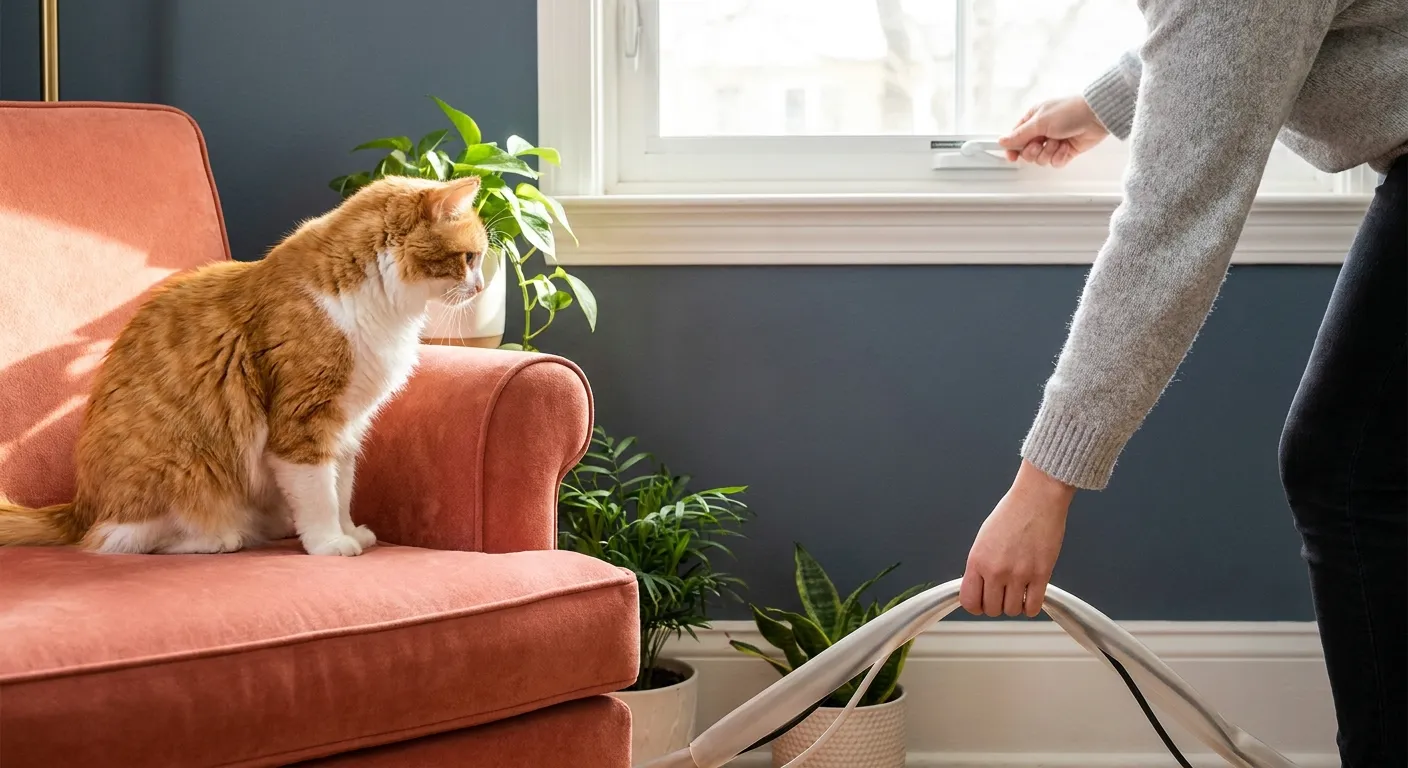
While keeping your cat indoors offers many benefits, it also means your home can harbor hidden dangers. Implementing effective indoor cat safety tips is crucial to ensuring your beloved feline lives a long, healthy, and accident-free life. From toxic plants to household chemicals, understanding these potential threats allows you to create a truly safe haven for your curious companion. Best Cat Care is dedicated to empowering cat owners with the knowledge to protect their pets from everyday risks.
Identifying Common Household Hazards for Felines
Many common household items, seemingly innocuous to us, can pose significant threats to cats. Toxic plants are a major concern; for example, lilies, sago palms, and even common houseplants like philodendrons can cause severe illness or worse if ingested. Always research plant toxicity before bringing new greenery into your home or cat’s reach. Similarly, household cleaning products, medications (both human and pet), and even certain human foods like chocolate, onions, and garlic are highly toxic. Store all chemicals, medications, and potentially harmful food items securely in locked cabinets or on high shelves where curious paws cannot reach them. Small objects like rubber bands, hair ties, string, and small toys can also become choking hazards or cause intestinal blockages if swallowed. Regularly scan your floors and surfaces for such items to prevent accidents.
Creating a Secure Feline Environment with Indoor Cat Safety Tips
Beyond removing obvious dangers, actively creating a secure environment is essential for effective indoor cat safety tips. Ensure all windows are securely screened to prevent falls, especially if your cat enjoys perching near them. Furthermore, doors should be closed firmly to avoid accidental escapes. Electrical cords can be tempting chew toys, leading to burns or electrocution; therefore, secure them, use cord protectors, or tuck them away out of sight. Consider “cat-proofing” your home by installing child locks on cabinets containing dangerous items and ensuring that appliances like washing machines and dryers are closed when not in use, as cats can sometimes climb inside unnoticed. Providing safe, designated play areas with appropriate cat toys can also redirect their exploratory instincts away from hazardous items.
Protecting Your Cat from Toxic Plants and Foods
One of the most frequent dangers in a home comes from what we consume or decorate with. Many common houseplants are toxic to cats. For instance, lilies are extremely dangerous and can cause kidney failure, while azaleas, rhododendrons, and tulips also pose significant risks. It is vital to consult resources like the ASPCA’s list of toxic plants to ensure your home is free of feline hazards. Similarly, certain human foods are highly poisonous to cats. Chocolate, caffeine, alcohol, grapes, raisins, onions, garlic, and xylitol (a common artificial sweetener) can all cause serious health problems. Always keep these items out of your cat’s reach. Even seemingly harmless items like avocado pits can be a choking hazard. When in doubt, err on the side of caution and keep human food separate from your cat’s access. Understanding these risks is a core part of comprehensive feline safety measures.
Securing Medications and Cleaning Supplies
Medications, both prescription and over-the-counter, for humans and pets, can be incredibly dangerous if ingested by a cat. Cats are often attracted to the smell or taste of certain pills. Consequently, all medications should be stored in secure, cat-proof containers and kept in locked cabinets or high shelves. Never leave pills on countertops or bedside tables where a curious cat might knock them off. Similarly, household cleaning products, including bleach, detergents, disinfectants, and even toilet bowl cleaners, are highly toxic. These products should also be stored securely. After cleaning, ensure surfaces are dry and free of residue before allowing your cat access. Furthermore, be mindful of pest control products like rodenticides and insecticides, which are lethal to cats. Always use pet-safe alternatives or consult a professional for pest management when cats are present in the home. These precautions are vital elements of effective feline home protection.
Electrical Safety and Window Precautions
Curious cats, especially kittens, are often attracted to electrical cords, which can resemble tempting toys. Chewing on live wires can lead to severe burns, electrocution, or even death. Therefore, it is crucial to secure all electrical cords. Use cord protectors, tuck cords behind furniture, or bundle them with cable ties to make them less accessible. Unplug unused appliances. Moreover, windows present another significant safety concern. Cats love to sit on windowsills and watch the world outside, but an unsecured window screen can lead to a dangerous fall. Ensure all window screens are sturdy and properly installed. If you open windows, supervise your cat closely or use window restrictors to prevent them from pushing screens out. These steps are fundamental for ensuring feline home safety.
Preventing Ingestion of Small Objects and Choking Hazards
Cats are naturally playful and often bat at or chew on small objects. Unfortunately, many common household items can become choking hazards or cause serious internal blockages if swallowed. Items such as rubber bands, hair ties, string, dental floss, small toys, plastic bags, and even small pieces of fabric are particularly dangerous. String-like objects, in particular, can cause linear foreign bodies, which can be life-threatening and require emergency surgery. Regularly inspect your home for these items and keep them stored away in drawers or containers. Provide your cat with appropriate, safe toys designed for felines, which are too large to swallow and made from durable materials. This is a key aspect of proactive cat home protection.
Securing Doors, Cabinets, and Appliances
Doors, both interior and exterior, can pose a risk. Exterior doors, if left ajar, can lead to accidental escapes, exposing your cat to outdoor dangers like traffic, other animals, or diseases. Always ensure exterior doors are securely closed. Interior doors can also be problematic if a cat gets trapped in a room or closet. Child locks on cabinets, especially those containing cleaning supplies or food, are excellent indoor cat safety tips. Furthermore, common household appliances like washing machines and dryers can become death traps for curious cats seeking a warm, dark place to nap. Always check inside these appliances before closing the door or starting a cycle. Keep toilet lids down to prevent accidental falls or ingestion of cleaning chemicals. These measures contribute significantly to comprehensive pet home safety.
Vigilance is Key to a Happy, Healthy Cat
Implementing these indoor cat safety tips transforms your home into a fortress of well-being for your cat. Regularly surveying your living space from a cat’s perspective can help identify new potential hazards. A proactive approach to safety, coupled with immediate action to remove or secure dangerous items, is the cornerstone of responsible cat ownership. By being vigilant and thoughtful about your home environment, you ensure your feline friend can explore, play, and relax without risk, contributing significantly to their overall health and happiness. Remember, a cat’s curiosity is boundless, so constant vigilance and adaptation of your home environment are essential. Consider how enriching your cat’s environment can also help redirect their natural instincts away from potential dangers; explore more about Cat Environmental Enrichment: A Lifelong Guide to Feline Happiness and Well-being. If you suspect your cat has ingested something toxic or is showing signs of illness, contact your veterinarian immediately or call the Pet Poison Helpline.
Regular Home Audits for Feline Safety
Maintaining a safe indoor environment for your cat isn’t a one-time task; it requires ongoing attention. Periodically, walk through your home specifically looking for potential hazards from a cat’s point of view. Get down on their level to spot small objects on the floor or unsecured cords. Check under beds and behind furniture. This regular