
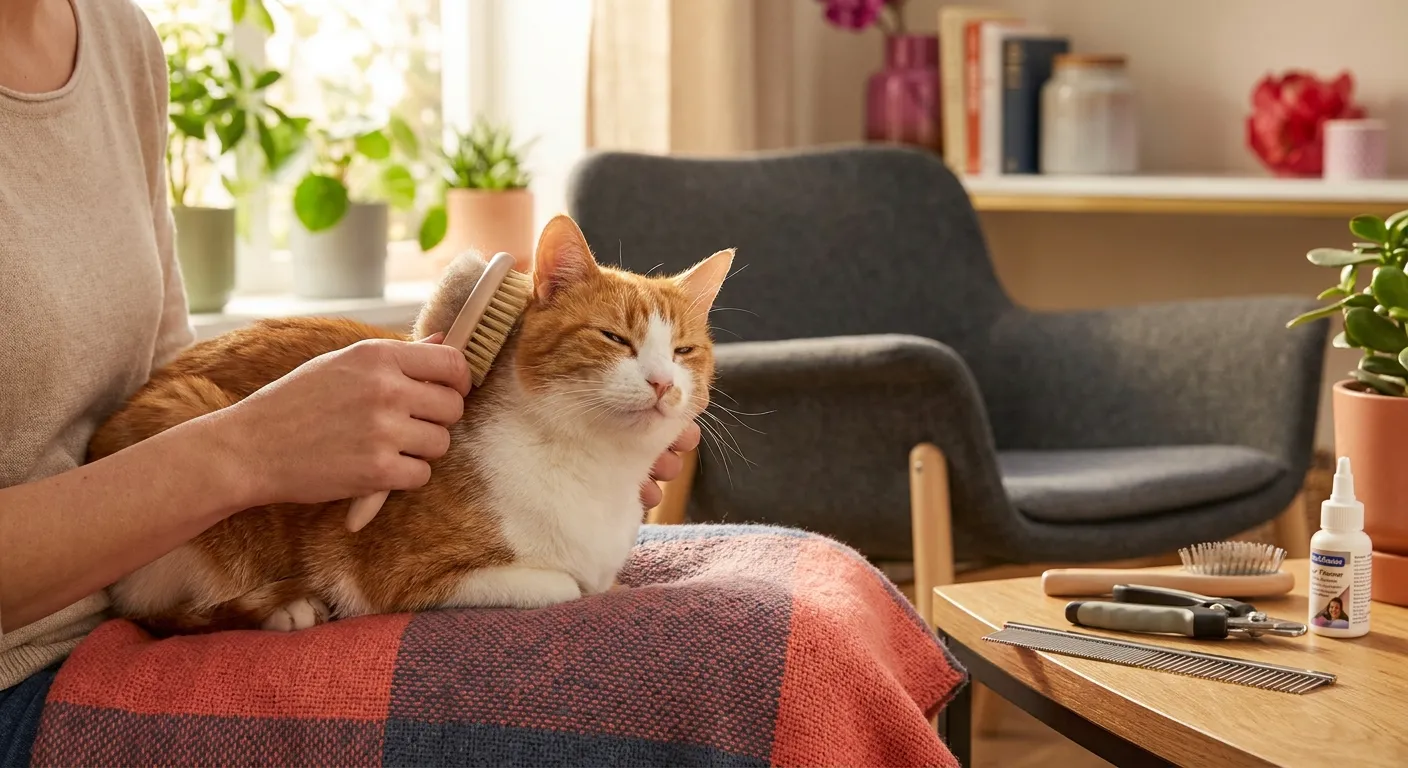
Cats are renowned for their meticulous self-grooming habits, often spending hours perfecting their pristine appearance. However, even the most fastidious felines benefit immensely from human assistance. Learning effective cat grooming tips is crucial for maintaining your feline’s coat health, preventing common issues like hairballs and skin problems, and strengthening the bond you share. At Best Cat Care, we believe grooming is more than just aesthetics; it’s a vital part of comprehensive pet care.
Why Your Cat Needs Your Grooming Help
While cats do a commendable job of keeping themselves clean, their natural grooming isn’t always enough. Factors like age, breed, health conditions, and coat type can impact their ability to groom effectively. Regular grooming sessions with you can help remove loose fur, prevent matting, distribute natural skin oils, and allow for early detection of skin issues, lumps, or parasites. It’s also a fantastic opportunity for positive interaction and building trust. Moreover, these sessions contribute significantly to their overall well-being, which is a core aspect of The Blueprint for Comprehensive Cat Preventive Care.
Essential Tools for Effective Cat Grooming
Before you begin, gather your arsenal. Quality tools make a world of difference for successful feline care:
- Brushes/Combs: A slicker brush for detangling, a fine-toothed comb for removing loose fur and checking for fleas, and a rubber grooming mitt for short-haired cats.
- Nail Clippers: Scissor-style clippers are generally preferred over guillotine types for cats.
- Dental Care: A cat-specific toothbrush and enzymatic toothpaste.
- Ear Cleaner: Vet-approved solution.
- Gentle Cat Shampoo: Only if bathing is necessary.
Mastering the Art of Brushing: A Core Effective Cat Grooming Tip
Brushing is the cornerstone of feline grooming. Aim for a few times a week for short-haired cats and daily for long-haired breeds to prevent mats and reduce shedding. This particular grooming technique is one of the most important Routine Cat Vet Visits & Grooming practices.
- Start Young: Introduce brushing during kittenhood so your cat associates it with positive experiences.
- Choose the Right Time: When your cat is relaxed, perhaps after a nap or a meal.
- Gentle Strokes: Use short, gentle strokes, moving in the direction of hair growth. Pay special attention to areas prone to matting, like under the legs, behind the ears, and the belly.
- Watch for Signals: If your cat shows signs of discomfort (tail twitching, flattened ears, growling), stop and try again later. Keep sessions short and positive.
- Deshedding Tools: For heavy shedders, a deshedding tool can be used sparingly to remove undercoat, but be careful not to overdo it, as it can irritate the skin.
Nail Trimming: Keeping Paws Healthy and Furniture Safe
Regular nail trims prevent ingrown claws, reduce accidental scratches, and keep paws healthy. Aim for every 2-4 weeks. Furthermore, it helps in How to Stop Cat Scratching Furniture, protecting your home.
- Positive Reinforcement: Start by gently touching your cat’s paws, rewarding them with treats.
- Locate the Quick: The pink part of the nail contains blood vessels and nerves. Only trim the clear tip, avoiding the quick.
- Quick and Confident Cuts: Use sharp clippers and make quick, clean cuts. If you accidentally cut the quick, apply styptic powder to stop the bleeding. Many cat owners find this step daunting; however, practice makes perfect.
- Reward: Always reward your cat after a successful session, reinforcing a positive association.
Dental Hygiene: More Than Just a Pretty Smile
Feline dental health is often overlooked, yet it’s crucial for their overall well-being. Periodontal disease is common in cats and can lead to serious health issues. Therefore, incorporating dental care into your routine is among the most vital cat grooming techniques.
- Start Early: Introduce toothbrushing when your cat is young.
- Use Cat-Specific Products: Never use human toothpaste. Opt for enzymatic cat toothpaste and a small, soft-bristled toothbrush or a finger brush.
- Gentle Introduction: Initially, let your cat taste the toothpaste. Gradually introduce the brush, focusing on the outer surfaces of the teeth.
- Consistency is Key: Aim for daily brushing, or at least a few times a week, for optimal results. For more information on feline health, consider consulting resources like the American Veterinary Medical Association.
Ear Cleaning: A Gentle Approach
Regular ear checks are important, especially for cats prone to ear infections. However, only clean your cat’s ears if they appear dirty or have an unusual odor. Over-cleaning can cause irritation.
- Inspect Regularly: Gently fold back your cat’s ear and check for redness, discharge, or a foul smell.
- Use Vet-Approved Cleaner: Apply a few drops of ear cleaning solution into the ear canal.
- Massage and Wipe: Gently massage the base of the ear for 20-30 seconds. Then, use a cotton ball or gauze to wipe away any visible dirt or wax. Do not use cotton swabs, as they can push debris deeper into the ear.
- Know When to Seek Help: If you notice excessive redness, swelling, or a strong odor, consult your veterinarian immediately. These could be signs of an infection, which requires professional attention.
Bathing Your Cat: When and How
Most cats rarely need a full bath, thanks to their self-grooming. However, certain situations, like severe matting, fleas, or exposure to toxins, may necessitate one. When bathing is unavoidable, approach it calmly.
- Preparation: Gather all your supplies beforehand: cat-specific shampoo, towels, a non-slip mat, and a helper if possible.
- Warm Water: Use lukewarm water. Ensure the water level is not too high to avoid stressing your cat.
- Gentle Washing: Wet your cat thoroughly, apply a small amount of shampoo, and lather gently. Avoid getting water or shampoo in their eyes and ears.
- Thorough Rinsing: Rinse thoroughly to remove all shampoo residue. Remaining residue can irritate the skin.
- Drying: Wrap your cat in a towel and gently pat them dry. Keep them in a warm room until completely dry to prevent chills. Some cats tolerate a low-setting hairdryer, but most prefer towel drying.
Addressing Common Grooming Challenges
Even with the best intentions, grooming can present challenges. Understanding how to navigate these is part of mastering cat grooming techniques.
- Mats and Tangled Fur: For minor mats, try to gently tease them apart with your fingers or a wide-toothed comb. For severe matting, especially in long-haired breeds, a professional groomer or veterinarian might need to shave them. Never try to cut out mats with scissors close to the skin, as it’s easy to accidentally cut your cat.
- Sensitive Areas: Many cats dislike having their paws, belly, or tail handled. Introduce touching these areas gradually, with lots of praise and treats.
- Aggression or Fear: If your cat becomes aggressive or extremely fearful during grooming, stop the session. Consult your vet or a professional cat behaviorist for advice on how to desensitize your cat and make grooming a more positive experience. This is also relevant to understanding Managing Cat Stress and Anxiety.
The Benefits of Consistent Cat Grooming Practices
Consistent grooming offers numerous advantages beyond just a clean coat. It strengthens your bond with your feline companion, as these sessions become a time for positive interaction and trust-building. Furthermore, regular grooming allows you to closely monitor your cat’s skin, fur, and body for any unusual lumps, bumps, parasites, or changes that could indicate underlying health issues. Early detection, for example, is vital for managing conditions like Recognizing Cat Illness Warning Signs Early. It also significantly reduces shedding, which means fewer hairballs for your cat and less cat hair around your home. For breeds that are prone to matting, consistent brushing prevents painful tangles that can pull on the skin and cause discomfort. Ultimately, these effective cat grooming tips contribute to a healthier, happier, and more comfortable life for your cherished pet.
Professional Grooming: When to Call in the Experts
While DIY grooming is beneficial, there are times when professional help is advisable. For instance, if your cat has severe matting that you cannot safely remove, a professional groomer has the tools and expertise to handle it. Similarly, if your cat is highly resistant or aggressive during grooming, a professional can often manage the process more effectively and with less stress for both of you. Groomers can also provide specialized services like de-shedding treatments, lion cuts for long-haired breeds, and thorough ear cleaning. Remember, knowing your limits and when to seek expert assistance is also a sign of responsible pet ownership. Moreover, professionals can offer valuable insights and further cat grooming advice tailored to your pet’s specific needs.
Creating a Positive Grooming Experience
The key to successful grooming lies in making it a positive experience for your cat. Always use a calm and reassuring tone. Offer treats and praise generously throughout and after each session. Keep sessions short, especially when first introducing new grooming practices. If your cat shows signs of stress or discomfort, stop and try again later. Patience is paramount. With consistent, positive reinforcement, your cat will come to associate grooming with pleasant sensations and quality time with you. This approach makes all the difference in implementing these cat grooming techniques successfully.
Conclusion
Grooming your cat is a fundamental aspect of responsible pet care, extending far beyond mere aesthetics. By implementing these effective cat grooming tips, you are not only maintaining your feline’s physical health but also strengthening the unique bond you share. From regular brushing to dental care, nail trimming, and occasional baths, each step contributes to a happier, healthier, and more comfortable life for your beloved companion. Remember, consistency, patience, and positive reinforcement are your best allies in making grooming a rewarding experience for both you and your cat. Embrace these practices, and you’ll ensure your feline friend thrives for years to come.
FAQ Section
What are the most important aspects of cat grooming?
The most important aspects include regular brushing to prevent mats and hairballs, nail trimming to maintain paw health and prevent scratching, and dental care to combat periodontal disease. Ear checks are also crucial for early detection of infections.
How often should I groom my cat?
Brushing frequency depends on coat length: a few times a week for short-haired cats, daily for long-haired. Nail trims are typically every 2-4 weeks. Dental brushing should ideally be daily or a few times a week. Ear cleaning is only as needed.
What tools do I need for feline hygiene?
Essential tools include a variety of brushes and combs, cat-specific nail clippers, a cat toothbrush and enzymatic toothpaste, vet-approved ear cleaner, and possibly a gentle cat shampoo. Having the right equipment makes the process much easier.
My cat hates being groomed. What should I do?
Start with short sessions and positive reinforcement using treats and praise. Introduce tools gradually. If your cat is highly resistant or aggressive, consult your veterinarian or a professional cat groomer. Never force your cat, as this can create a negative association. For more expert advice, consider resources from the ASPCA.
Can grooming help with cat allergies?
While grooming primarily benefits the cat, regular brushing can help reduce the amount of dander and loose fur, which are common allergens. This might offer some relief for individuals with mild cat allergies. For more severe cases, understanding Understanding Cat Allergies is essential.