
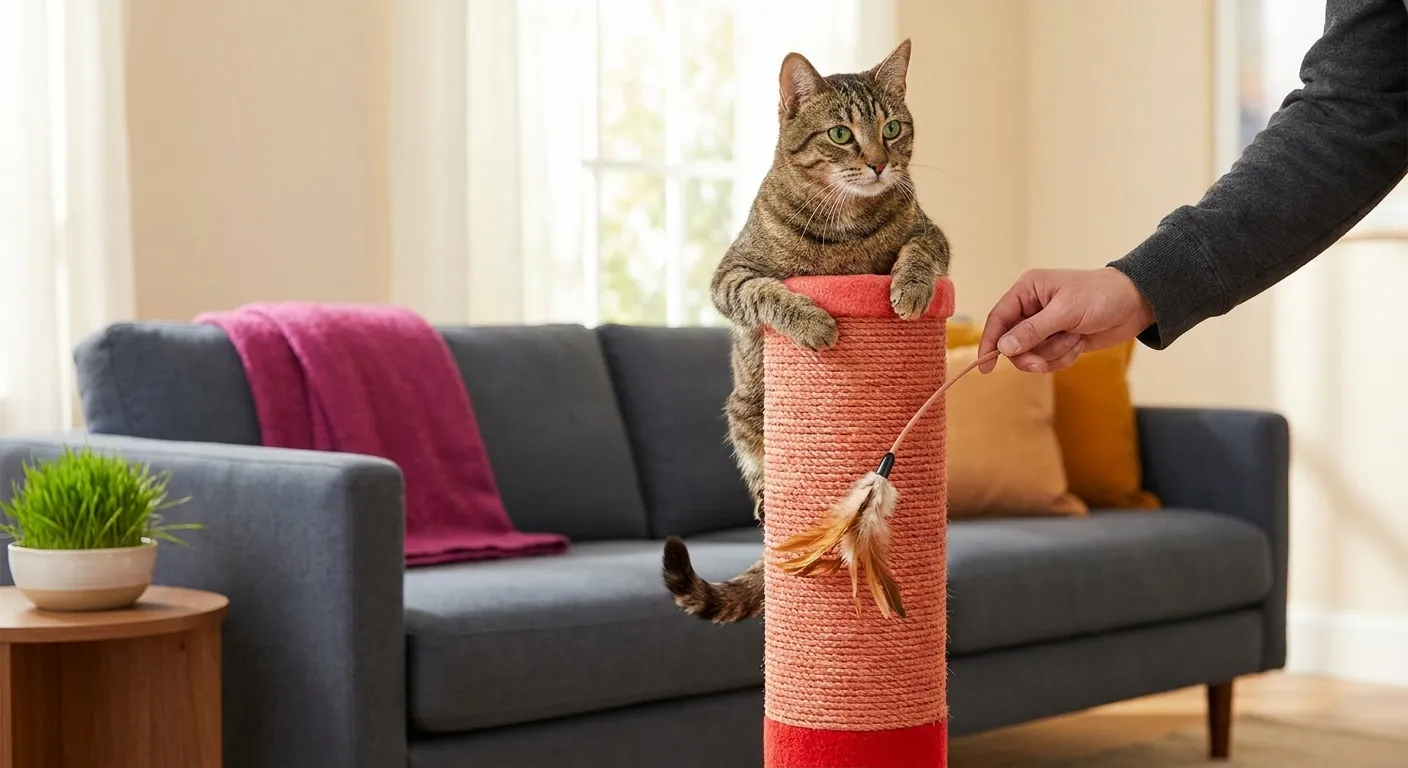
The sight of shredded upholstery or claw marks on your favorite armchair can be incredibly frustrating for any cat owner. While it might feel like your feline friend is intentionally trying to ruin your belongings, scratching is a completely natural and essential feline behavior. The good news is that with understanding, patience, and the right strategies, you can effectively stop cat scratching furniture and redirect this instinct to appropriate outlets. Best Cat Care is here to help you protect your home and foster a harmonious environment for both you and your cat.
Why Do Cats Scratch? Understanding the Instinct
Before you can solve the problem, it’s crucial to understand why cats scratch. It’s not out of spite; it serves several vital functions:
- Marking Territory: Cats have scent glands in their paws. When they scratch, they leave behind both a visual mark and a unique scent, communicating their presence and ownership to other cats.
- Stretching and Muscle Toning: Scratching is a full-body stretch that helps cats flex their paws, legs, and back muscles, keeping them limber and agile.
- Shedding Claw Sheaths: As cats’ claws grow, the outer layer (sheath) naturally sheds. Scratching helps remove these old sheaths, revealing sharp, new claws underneath.
- Stress Relief and Excitement: Scratching can be a way for cats to release pent-up energy, relieve stress, or express excitement, much like humans might stretch or pace.
Providing Appealing Alternatives: The Best Scratching Posts
The most effective way to deter furniture scratching is to provide irresistible alternatives. Your goal is to make the scratching post more appealing than your sofa.
Material Matters
Cats have strong preferences for textures. Offer a variety to see what your cat loves:
- Sisal Rope: This is often a favorite, providing a rough, satisfying texture that allows cats to really dig their claws in.
- Corrugated Cardboard: Inexpensive and popular, especially for horizontal scratchers.
- Carpet: Use caution with carpeted posts if your cat is already scratching your carpeted furniture, as it might reinforce the wrong behavior.
Vertical vs. Horizontal
Some cats prefer to stretch upwards, while others like to scratch along the ground. Provide both options:
- Vertical Posts: These should be tall enough for your cat to stretch to their full height. Stability is key; a wobbly post won’t be used.
- Horizontal Scratchers: These include boards, mats, or cardboard loungers on the floor.
Location, Location, Location
Placement is critical. Put scratching posts where your cat already likes to scratch, or near their favorite resting and sleeping spots. Cats often scratch after waking up. If they’re scratching a particular piece of furniture, place a suitable scratcher directly in front of it.
Quantity is Key
One scratching post is rarely enough, especially in a multi-cat household. Ideally, you should have at least one scratching surface per cat, plus one extra. Place them strategically throughout your home, particularly in areas where your cat spends a lot of time or has previously scratched inappropriately. This abundance of options helps to prevent cat furniture damage.
How to Stop Cat Scratching Furniture: Deterrents and Training
While providing appealing alternatives is crucial, sometimes you also need to make the undesirable scratching spots less attractive. Combining deterrents with positive reinforcement can significantly help to prevent cats from scratching furniture.
Make Furniture Undesirable
There are several ways to make your furniture less appealing for scratching. Consider these temporary solutions:
- Double-Sided Tape: Cats dislike sticky surfaces. Apply double-sided sticky tape specifically designed for furniture to the areas your cat scratches. After a few weeks, your cat may associate that spot with an unpleasant texture.
- Foil or Plastic Sheeting: Covering furniture with aluminum foil or thick plastic can also deter scratching due to the texture and sound.
- Citrus or Pepper Sprays: Many cats dislike the smell of citrus or certain spices. You can try a pet-safe deterrent spray containing these scents. Always test a small, inconspicuous area first to ensure it doesn’t stain.
- Scratch Guards: Clear vinyl or plastic scratch guards can be applied directly to furniture corners or arms. These physically block your cat from damaging the fabric.
Remember, these deterrents are most effective when used in conjunction with attractive scratching posts nearby. The goal is to redirect, not just punish.
Positive Reinforcement and Training
When you see your cat using a scratching post, offer praise, a treat, or playtime. This positive reinforcement helps them associate the post with good things. You can also entice your cat to a new post by sprinkling catnip on it or dangling a toy near it.
Never punish your cat for scratching. Punishment can create fear and anxiety, potentially worsening the behavior or leading to other issues. Instead, gently redirect them to an appropriate scratching surface. For instance, pick them up and place their paws on the post, then praise them.
Nail Care and Grooming
Regular nail care is another important component in your efforts to stop cat scratching furniture. While it won’t eliminate the need to scratch, it can minimize damage.
Trimming Claws
Trimming your cat’s claws every 2-4 weeks can help keep them blunt and less damaging. Introduce nail trimming gradually and positively. If you’re unsure how to do it safely, consult your veterinarian or a professional groomer. Many cats tolerate it well with patience and treats.
Soft Paws (Nail Caps)
Soft Paws are vinyl caps that are glued onto your cat’s claws. They effectively blunt the claws, preventing them from damaging surfaces. They typically last 4-6 weeks and fall off as the cat’s natural nail sheds. These are a humane and effective option for many cat owners seeking to prevent furniture damage.
Environmental Enrichment and Stress Reduction
A bored or stressed cat is more likely to engage in destructive behaviors, including inappropriate scratching. Therefore, enriching your cat’s environment and reducing stress can play a significant role in helping to prevent furniture scratching.
Playtime and Exercise
Ensure your cat gets plenty of interactive playtime daily. Use wand toys, laser pointers, and other engaging toys to simulate hunting behavior and help them expend energy. A tired cat is a happy cat, and less likely to vent frustration on your sofa. Aim for at least two 10-15 minute play sessions per day.
Vertical Space
Cats love to climb and observe their surroundings from high vantage points. Provide cat trees, shelves, or window perches. These offer both physical exercise and mental stimulation, reducing boredom.
Puzzle Feeders
Puzzle feeders make your cat work for their food, engaging their minds and slowing down eating. This can prevent boredom and provide a healthy outlet for their natural instincts.
Reduce Stressors
Identify and minimize potential stressors in your cat’s environment. This could include changes in routine, new pets, loud noises, or insufficient resources (food bowls, litter boxes). Feliway diffusers, which release synthetic feline facial pheromones, can also help create a calming environment and reduce anxiety, thereby helping to stop cat scratching furniture.
Addressing Specific Scratching Habits
Sometimes, a cat develops a specific habit of scratching a particular item. Addressing this directly can be very effective.
Targeted Protection
If your cat always attacks the corner of a specific armchair, you might need a multi-pronged approach for that spot. Place a highly attractive scratching post directly in front of it. Simultaneously, apply deterrents like double-sided tape or a clear scratch guard to the furniture itself. Consistency is key to altering this learned behavior and getting them to stop cat scratching furniture.
Consider Professional Help
If you’ve tried various methods and your cat continues to damage furniture, it might be beneficial to consult with a feline behaviorist or your veterinarian. They can help identify underlying medical issues or behavioral problems that might be contributing to the scratching and provide tailored advice. Moreover, they can offer advanced strategies to protect your home from cat furniture damage.
The Importance of Patience and Consistency
Changing a cat’s behavior takes time, patience, and consistency. There’s no quick fix when trying to get your cat to stop scratching furniture. You need to be diligent in providing appropriate scratching outlets, using deterrents consistently, and reinforcing good behavior. Avoid getting frustrated; remember that scratching is natural for your cat. Your goal is to guide their natural instincts in a way that works for both of you.
By understanding why cats scratch, providing appealing alternatives, using gentle deterrents, ensuring proper nail care, and enriching their environment, you can successfully teach your cat to use appropriate scratching surfaces. This approach helps to prevent cat furniture damage and ensures a happy home for everyone. Best Cat Care aims to provide you with all the tools to achieve this harmonious living. For more information on feline behavior and health, visit the ASPCA website or explore resources from the American Association of Feline Practitioners.
Conclusion
Successfully managing your cat’s scratching behavior is entirely achievable with the right approach. By understanding the instinctual reasons behind scratching, providing a variety of attractive and well-placed scratching posts, utilizing humane deterrents, and maintaining good nail hygiene, you can protect your home. Furthermore, enriching your cat’s environment through play and vertical spaces can significantly reduce their need to scratch inappropriately. Remember, patience and consistency are your greatest allies in this process. With these strategies, you and your feline companion can enjoy a happy, harmonious home free from shredded furniture. Ultimately, your efforts to stop cat scratching furniture will lead to a better relationship with your pet.
FAQ
How can I encourage my cat to use a new scratching post?
To encourage your cat to use a new scratching post, try sprinkling catnip on it or dangling a favorite toy nearby. You can also gently rub their paws on the post to transfer their scent. Praise and treats should be offered whenever they interact with it positively. Ensure the post is stable and tall enough for a full stretch.
What materials are best for cat scratching surfaces?
Cats generally prefer sisal rope, corrugated cardboard, and natural wood for scratching. Offer a variety of textures to see what your cat likes best. Avoid carpeted posts if your cat is already scratching your carpeted furniture, as it might reinforce the unwanted behavior.
Are nail caps (Soft Paws) safe for cats?
Yes, nail caps like Soft Paws are generally considered safe and humane. They are applied with a non-toxic adhesive and fall off naturally as your cat’s claws grow. They prevent your cat’s claws from causing damage without interfering with their natural stretching or walking.
How many scratching posts does a cat need?
Ideally, you should have at least one scratching surface per cat, plus one extra, distributed throughout your home. Place them in areas where your cat spends a lot of time, such as near sleeping spots or where they previously scratched furniture. This ensures convenient and appealing options to prevent furniture damage.
Can stress cause a cat to scratch furniture more?
Yes, stress and anxiety can definitely contribute to increased or inappropriate scratching. Cats often use scratching as a way to relieve stress or mark their territory when feeling insecure. Addressing underlying stressors through environmental enrichment, consistent routines, and potentially pheromone diffusers can help reduce excessive scratching behavior.
Explore more: More from Best Cat Care