Water is fundamental to all life, and for cats, adequate hydration is absolutely critical for their health and well-being. Unlike many animals, cats often don’t have a strong thirst drive, which can lead to chronic dehydration if not managed. Understanding cat hydration importance is key to preventing a host of health issues, from urinary tract problems to kidney disease.
Why Cat Hydration Importance is Critical for Feline Health
Cats evolved from desert-dwelling ancestors, meaning they historically obtained most of their water from their prey. This innate trait often translates to a low thirst drive in domestic cats, especially those on a dry kibble diet. Water plays a vital role in nearly every bodily function. For instance, it aids in nutrient absorption, regulates body temperature, lubricates joints, and helps flush toxins from the body. Consequently, chronic dehydration can lead to serious health complications, including crystal formation in the urinary tract, bladder infections, and, most critically, kidney disease, which is a common ailment in older felines. Ensuring your cat drinks enough water is a proactive measure that can significantly contribute to their overall health and longevity. It supports healthy organ function, particularly the kidneys and urinary system, helping to prevent painful and costly medical conditions. In fact, recognizing the significance of proper feline water intake is a cornerstone of comprehensive preventive care for your beloved companion.
Recognizing Signs of Dehydration in Cats
It’s crucial for cat owners to be able to identify the signs of dehydration. Early detection can prevent more severe health problems. One common indicator is lethargy or reduced activity levels. A dehydrated cat might also have sunken eyes or a dry mouth and gums. Furthermore, checking your cat’s skin elasticity is a simple test. Gently pull up the skin between their shoulder blades; if it doesn’t snap back quickly, your cat might be dehydrated. Another sign to look for is decreased urine output or unusually dark, concentrated urine. Constipation can also be a symptom, as adequate water helps maintain healthy digestive function. If you notice any of these signs, it’s important to contact your veterinarian promptly. They can accurately assess your cat’s hydration status and recommend appropriate steps to restore their fluid balance.
Practical Ways to Boost Your Cat’s Water Intake
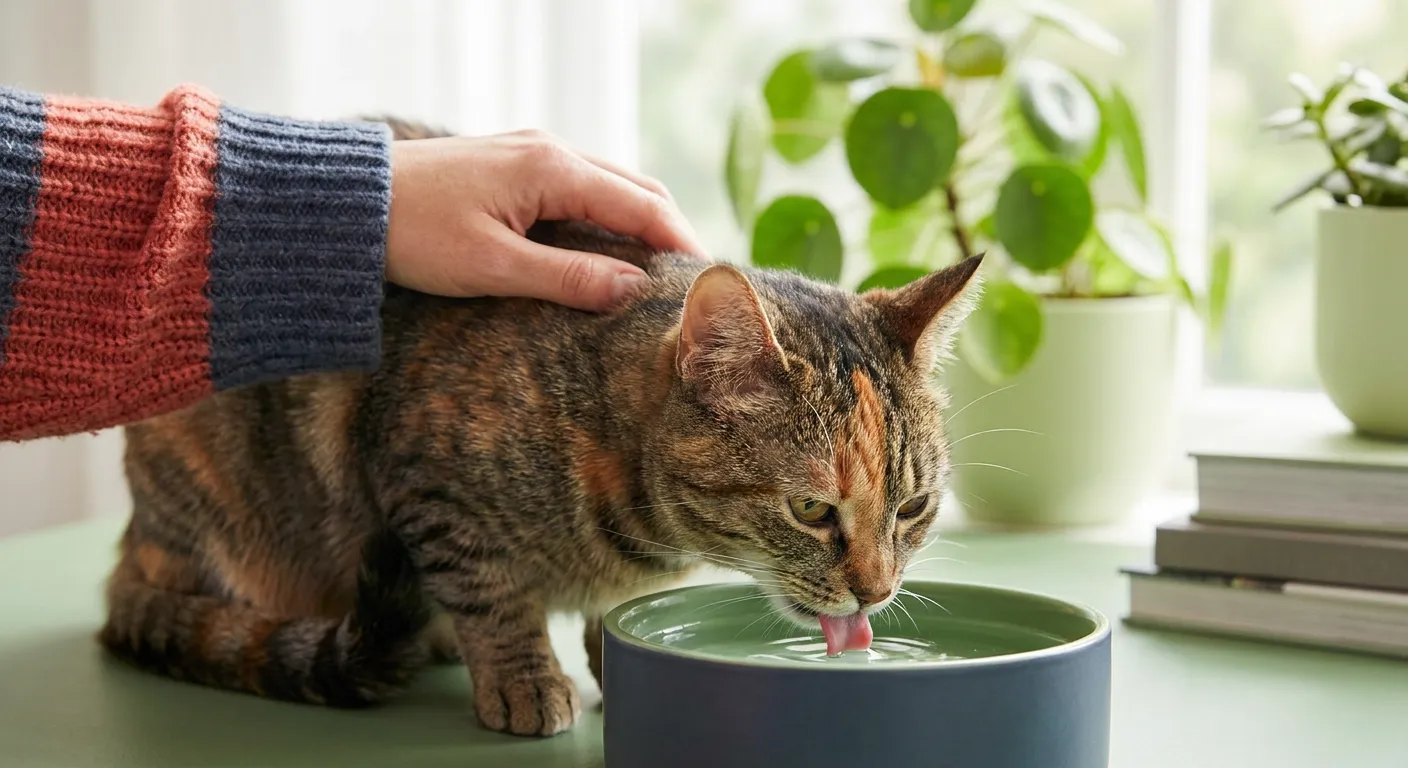
Given their natural inclination, cat owners often need to get creative to encourage their felines to drink more. One of the most effective strategies is to incorporate wet food into their diet, as it contains a high percentage of moisture. If your cat primarily eats dry kibble, try adding a little water or low-sodium chicken broth to it. Moreover, consider investing in a pet drinking fountain; many cats are attracted to the running water, which mimics a fresh, natural water source. Offer multiple water bowls in different locations around the house, ensuring they are clean and refilled daily. Some cats prefer ceramic or glass bowls over plastic. Therefore, experiment with different bowl types and locations to find what your cat prefers. You can also add a few drops of tuna juice (from tuna packed in water, not oil) or a small amount of ice cubes to their water to pique their interest. By implementing these simple yet effective strategies, you can significantly improve your cat’s hydration levels.
The Role of Diet in Feline Hydration
The type of food your cat eats plays a significant role in their overall hydration. Dry kibble, while convenient, typically contains only 5-10% water. Conversely, wet food often boasts a moisture content of 70-80%. This substantial difference means that cats on an exclusively dry food diet must actively drink more water to meet their hydration needs. Unfortunately, as discussed, many cats have a naturally low thirst drive. Consequently, integrating wet food into your cat’s diet, even if it’s just one meal a day, can dramatically increase their daily fluid intake. When selecting cat food, consider options that prioritize high moisture content. For more insights on optimal nutrition, you might find our guide on Best Cat Food Choices: A Comprehensive Nutritional Guide helpful. This proactive dietary adjustment is a vital component of ensuring proper cat hydration importance.
Understanding Water Preferences: Bowls, Fountains, and Location
Cats can be particular about their water sources, and understanding these preferences is key to increasing their intake. Firstly, the material of the bowl matters. Many cats dislike plastic bowls due to potential odors or tastes, preferring ceramic, glass, or stainless steel alternatives. Secondly, cleanliness is paramount. Water bowls should be cleaned daily to prevent bacterial growth and accumulation of dust or food particles. A dirty bowl can deter a cat from drinking. Furthermore, consider the placement of water bowls. Cats often prefer to drink away from their food bowls, as instinct dictates that water near prey might be contaminated. Placing multiple bowls in quiet, accessible areas throughout your home can encourage more frequent drinking. Investing in a pet water fountain can also be highly effective. The movement and aeration of the water in a fountain often attract cats, as it mimics fresh, running water sources they would naturally seek. Some cats are fascinated by the sound and motion, making them drink more. Remember, encouraging adequate feline water intake is a significant aspect of cat hydration importance.
Addressing Specific Hydration Challenges in Cats
Some cats present unique challenges when it comes to hydration. For senior cats, for example, a decreased sense of smell or mobility issues might reduce their water intake. For these older felines, ensuring easily accessible water sources and potentially elevated bowls can make a difference. Our article on Senior Cat Care Tips: Ensuring Comfort and Health in Their Golden Years offers additional advice for older pets. Cats with certain medical conditions, such as diabetes or kidney disease, have increased hydration needs. In these cases, your veterinarian might recommend specific dietary changes or even subcutaneous fluid administration. It’s essential to work closely with your vet to manage these conditions and ensure your cat receives adequate fluids. For cats that are particularly finicky, experimenting with different water temperatures (some prefer cooler, some room temperature) or even adding a tiny splash of low-sodium broth can sometimes entice them to drink. Moreover, recognizing the varying needs of individual cats highlights the critical nature of cat hydration importance across all life stages and health statuses.
The Long-Term Benefits of Optimal Feline Hydration
Prioritizing your cat’s hydration offers numerous long-term health benefits, significantly contributing to their overall quality of life. Firstly, consistent and adequate water intake supports healthy kidney function. The kidneys are vital for filtering waste products from the blood, and sufficient water helps them perform this task efficiently, thereby reducing the risk of chronic kidney disease, a common ailment in older cats. Secondly, proper hydration maintains a healthy urinary tract, flushing out bacteria and preventing the formation of urinary crystals and stones, which can lead to painful infections and blockages. Furthermore, good hydration aids in digestion and nutrient absorption, ensuring your cat gets the most out of their food. It also helps regulate body temperature and lubricate joints, contributing to mobility and comfort, especially as cats age. Overall, understanding the cat hydration importance is not just about preventing illness; it’s about fostering a vibrant, healthy life for your cherished companion. For a broader perspective on proactive health measures, consider reviewing The Blueprint for Comprehensive Cat Preventive Care.
When to Consult Your Veterinarian About Cat Hydration
While proactive measures are excellent, knowing when to seek professional veterinary advice regarding your cat’s hydration is equally important. If you observe persistent signs of dehydration, such as lethargy, sunken eyes, or a lack of skin elasticity, a vet visit is imperative. Similarly, if your cat suddenly stops drinking or drastically reduces their water intake, this could indicate an underlying health issue requiring immediate attention. Changes in urination patterns, such as greatly increased or decreased frequency, or straining to urinate, are also red flags. These symptoms could point to serious conditions like urinary tract infections or kidney problems. Your veterinarian can perform diagnostic tests to determine the cause of any hydration issues and recommend appropriate treatment. They can also offer tailored advice on how to encourage your specific cat to drink more, especially if there are existing health concerns. For example, conditions like hyperthyroidism or diabetes can significantly impact a cat’s fluid balance. Early intervention is always best, so do not hesitate to reach out to your vet if you have any concerns about your cat’s fluid intake or overall health. Recognizing cat hydration importance also means knowing when to trust expert medical guidance.
Conclusion: Prioritizing Your Cat’s Water Intake
Recognizing cat hydration importance and actively encouraging water consumption is one of the best gifts you can give your feline companion. These small efforts can lead to significant health benefits, ensuring your cat remains vibrant and healthy throughout their life. From understanding their ancestral thirst drive to implementing creative strategies like wet food and water fountains, every step you take contributes to their well-being. Moreover, paying attention to their drinking habits and knowing the signs of dehydration allows for early intervention, safeguarding against serious health complications. Ultimately, a well-hydrated cat is a happy and healthier cat, thriving under your attentive care. By making proper hydration a priority, you are investing in your cat’s long-term health and happiness. For further reading on feline health, the Cornell Feline Health Center offers extensive resources on various aspects of cat care, including nutrition and hydration. Visit Cornell Feline Health Center.
FAQ
How much water should a cat drink daily?
Generally, a cat should drink about 2-4 ounces of water per 5 pounds of body weight per day. This amount can vary based on their diet (wet vs. dry food), activity level, and environmental temperature. Cats on a mostly wet food diet will naturally consume less from their water bowl.
Can cats drink tap water?
Most cats can safely drink tap water, provided it’s safe for human consumption in your area. However, some cats might be sensitive to the taste of chlorine or other minerals in tap water. Offering filtered water can sometimes encourage finicky drinkers to consume more.
What are the most common health problems associated with poor feline fluid intake?
Poor fluid intake in cats is commonly associated with urinary tract infections, bladder stones or crystals, and chronic kidney disease. Dehydration can also exacerbate constipation and other digestive issues, highlighting the critical role of adequate water consumption.
Are water fountains really better than bowls for cats?
Many cats prefer water fountains because they provide moving, aerated water, which can be more appealing than stagnant water in a bowl. Running water often appears fresher and can stimulate a cat’s natural instinct to drink, leading to increased water consumption. However, some cats are perfectly content with bowls.
How can I tell if my cat is getting enough liquids?
A well-hydrated cat will typically be active, have bright eyes, and moist gums. You can also check their skin elasticity by gently pinching the skin on their back; it should snap back quickly. Consistent urination (not excessively frequent or infrequent) and soft, well-formed stools are also good indicators of sufficient fluid intake. If you’re concerned, consult your vet.