
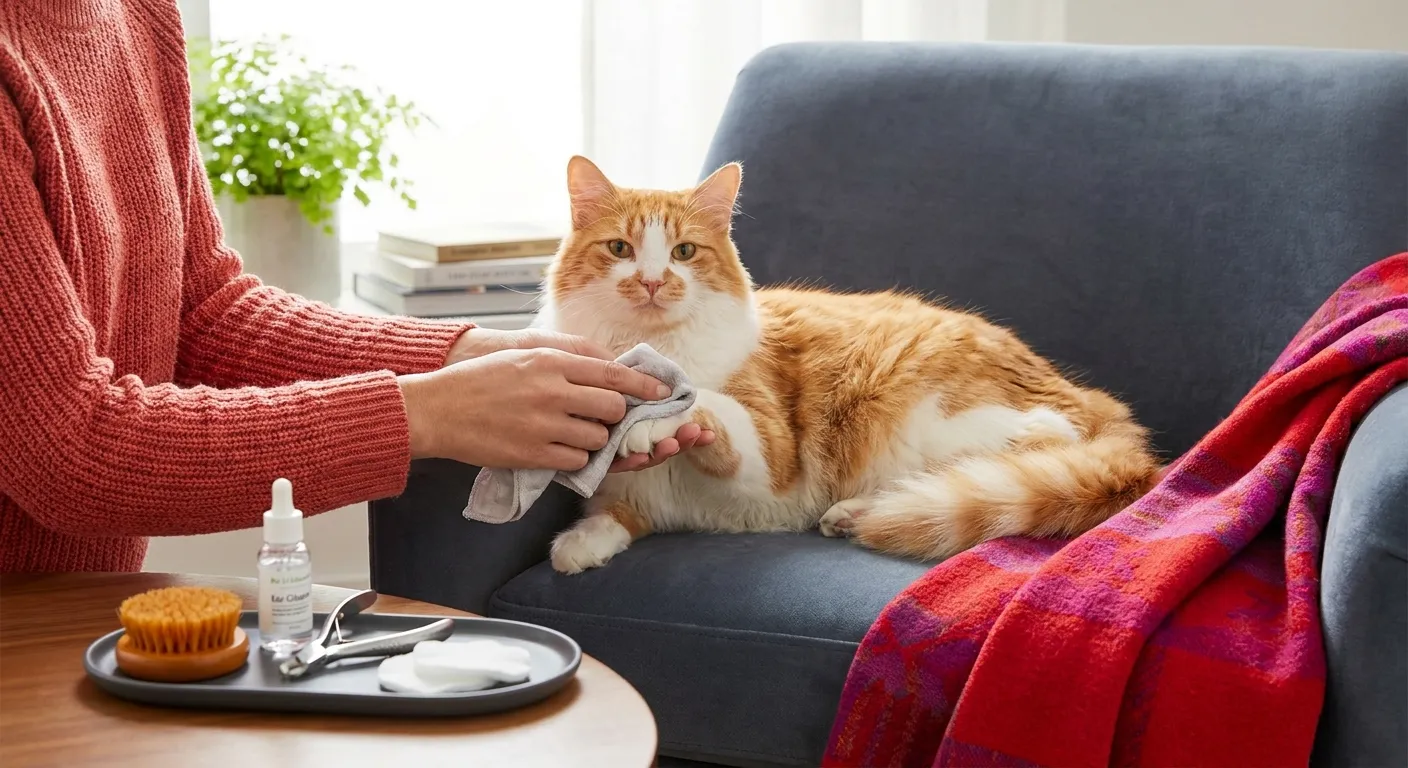
Cats are renowned for their meticulous self-grooming habits, often spending hours meticulously cleaning their fur. While their independence is admirable, relying solely on their own efforts isn’t always enough to maintain optimal health. As pet owners, our active participation in their grooming routine is a crucial aspect of preventative care. Implementing effective cat grooming tips is vital for your feline’s overall health and well-being, extending far beyond simply keeping their coat shiny. With the pet care industry’s growing focus on advanced health, understanding comprehensive grooming is more important than ever.
The “Why” Behind Comprehensive Grooming
Grooming isn’t just about aesthetics; it’s a powerful tool for monitoring your cat’s health and strengthening your bond. Regular grooming sessions allow you to:
- Prevent Hairballs: Especially for long-haired breeds, regular brushing significantly reduces the amount of loose fur your cat ingests, minimizing uncomfortable and potentially dangerous hairballs.
- Maintain Skin Health: Brushing stimulates blood circulation and distributes natural oils, leading to a healthier skin barrier. It also helps you detect any skin irritations, parasites, lumps, or bumps early on.
- Detect Early Warning Signs: Consistent physical interaction during grooming can help you notice subtle changes in your cat’s body that might indicate an underlying health issue, prompting timely veterinary intervention.
- Strengthen Your Bond: Gentle grooming can be a relaxing and positive experience for your cat, fostering trust and deepening the connection between you.
Mastering the Art of Brushing: More Than Just Appearance
Brushing is the cornerstone of any grooming routine. For long-haired cats, daily brushing is ideal to prevent mats and tangles. Short-haired cats can benefit from weekly sessions. Invest in the right tools: a slicker brush for detangling, a deshedding tool to remove undercoat, and a rubber curry brush for sensitive skin. Always use gentle strokes, moving in the direction of hair growth, and pay close attention to areas prone to matting, like under the legs and behind the ears. This is also your chance to check for fleas or any unusual skin conditions. Furthermore, regular brushing is among the most effective cat grooming tips for a healthy coat.
Dental Care: The Unsung Hero of Feline Health
Often overlooked, dental hygiene is critical. Dental disease is incredibly common in cats, affecting up to 90% by age three, and can lead to painful infections, tooth loss, and even systemic health problems. While daily brushing with cat-specific toothpaste and a soft brush is the gold standard, dental wipes or special dental treats can help. Remember, human toothpaste is toxic to cats. Regular professional dental cleanings by your veterinarian are also essential for removing built-up plaque and tartar, ensuring their pearly whites stay healthy. For more insights into maintaining overall feline health, consider reading about Why Regular Vet Check-ups are Crucial for Cat Longevity.
Nail Trimming: Preventing Snags and Scratches
Trimming your cat’s nails regularly is another vital component of good cat care practices. Untrimmed claws can snag on carpets, furniture, or even grow into their paw pads, causing pain and infection. Most cats need their nails trimmed every 2-4 weeks. Use cat-specific clippers and only trim the very tip, avoiding the quick, which contains blood vessels and nerves. If you’re unsure, ask your vet or a professional groomer for a demonstration. Making nail trimming a positive experience with treats and praise can significantly ease the process.
Bathing Your Feline Friend: When and How
While most cats are self-cleaning, there are instances when a bath becomes necessary. This might be due to excessive dirt, an inability to self-groom (common in senior or ill cats), or certain skin conditions requiring medicated shampoos. When bathing, use lukewarm water and cat-specific shampoo. Avoid getting water in their ears or eyes. Be sure to rinse thoroughly to prevent skin irritation. After the bath, gently towel dry your cat and keep them warm until they are completely dry. Introducing bathing slowly and positively can make it less stressful for both of you. This is one of the more challenging but effective cat grooming tips.
Ear Cleaning: A Gentle Approach
Regularly checking your cat’s ears for dirt, wax buildup, or any signs of infection is important. Healthy cat ears should be clean and odorless. If you notice a foul odor, excessive wax, redness, or your cat is shaking their head or scratching their ears frequently, consult your veterinarian. For routine cleaning, use a vet-approved ear cleaner and a soft cotton ball. Never use cotton swabs inside the ear canal, as this can push debris further in or damage delicate structures. Gently wipe the visible parts of the ear, being careful not to go too deep. Early detection of issues is key, similar to recognizing Early Signs of Illness in Cats.
Eye Care: Keeping Them Bright and Clear
Your cat’s eyes should be bright, clear, and free from excessive discharge. Some breeds, like Persians, may have more tear staining due to their facial structure. Gently wipe away any discharge with a soft, damp cloth or a vet-approved eye cleaner. Always use a fresh part of the cloth for each eye to prevent potential spread of infection. If you notice persistent redness, swelling, excessive tearing, or any changes in eye appearance, it’s crucial to consult your vet immediately. These observations are part of comprehensive preventative care, which is the Cornerstone of Feline Health.
Dealing with Mats and Tangles: A Gentle Approach
Mats and tangles can be painful for your cat and, if left untreated, can lead to skin infections and discomfort. For minor mats, try to gently tease them apart with your fingers or a wide-toothed comb, working from the outside in. A mat splitter or a dematting tool can also be helpful. Always be extremely careful not to pull on your cat’s skin. For severe or extensive matting, it’s best to seek professional help from a groomer or veterinarian. They have the tools and expertise to safely remove mats without causing injury or undue stress to your feline companion. Patience is key when implementing these grooming practices.
Choosing the Right Grooming Tools
Having the correct tools makes a significant difference in the effectiveness and ease of your grooming routine. Consider investing in:
- Brushes: A slicker brush for detangling, a deshedding tool (like a Furminator) for undercoat removal, and a rubber curry brush for short-haired cats or sensitive skin.
- Nail Clippers: Scissor-style or guillotine-style clippers designed for cats.
- Cat-Specific Toothbrush and Toothpaste: Never use human dental products.
- Ear Cleaner: Vet-approved solutions.
- Soft Cloths/Cotton Balls: For eye and ear cleaning.
- Grooming Wipes: For quick clean-ups between sessions.
- High-Quality Shampoo: If bathing is necessary, ensure it’s formulated for cats.
The right tools are essential for implementing effective cat grooming tips without stress.
Making Grooming a Positive Experience
For many cats, grooming can be a source of stress. To make it a positive experience, start early in your cat’s life, if possible. Keep sessions short and frequent, especially initially. Use positive reinforcement with treats and praise. Create a calm environment and handle your cat gently. If your cat becomes agitated, take a break and try again later. Consistency and patience will help your cat associate grooming with positive interactions. This approach is crucial for all cat care, including introducing a new cat or managing their environment, much like Introducing a New Cat to Your Existing Pets Smoothly.
Special Considerations for Different Cat Types
Grooming needs can vary significantly based on your cat’s breed, age, and health status.
Long-Haired Breeds
Breeds like Persians, Maine Coons, and Ragdolls require daily brushing to prevent mats and tangles. Their luxurious coats are prone to collecting debris and forming knots, making regular attention imperative. Deshedding tools are particularly useful for these breeds.
Short-Haired Breeds
While less prone to matting, short-haired cats still benefit from weekly brushing. This helps remove loose fur, reduces shedding around the house, and keeps their skin healthy. A rubber curry brush can be very effective for stimulating their skin and distributing oils.
Senior Cats
As cats age, their flexibility and ability to self-groom may decline. Senior cats often need more assistance with brushing, nail trimming, and even bathing. Be extra gentle and observant during grooming sessions, as they may have sensitive joints or underlying health conditions. Caring for a senior cat involves many considerations, including ensuring their comfort, as discussed in 5 Essential Steps to Keep Your Senior Cat Comfortable.
Cats with Health Conditions
Cats with conditions like arthritis, obesity, or certain skin issues may require specialized grooming approaches. Always consult your veterinarian for advice on how to best groom a cat with specific health concerns. They can recommend appropriate tools, techniques, or medicated products if necessary. These personalized effective cat grooming tips are vital.
When to Seek Professional Grooming Help
While regular at-home grooming is crucial, there are times when professional grooming is beneficial or even necessary. If your cat has severe matting that you cannot safely remove, if they are extremely resistant to grooming, or if they have special needs due to age or health, a professional groomer can provide expert care. Professional groomers have specialized tools and techniques to handle even the most challenging grooming situations, ensuring your cat’s comfort and safety. They can also offer advice on maintaining your cat’s coat between visits. Understanding when to seek professional help is one of the most practical effective cat grooming tips.
The Long-Term Benefits of Consistent Grooming
Implementing a consistent grooming routine offers numerous long-term benefits for your cat. Beyond a shiny coat and fresh breath, it contributes to their overall longevity and quality of life. Regular physical interaction during grooming helps you stay attuned to your cat’s body, allowing for early detection of potential health issues, from skin lesions to changes in weight or lumps. This proactive approach to health is invaluable. Furthermore, the routine itself provides mental stimulation and reinforces your bond, creating a happier, more well-adjusted feline companion. These are truly effective cat grooming tips that yield lasting results.
Ultimately, comprehensive grooming is not just a chore; it’s an act of love and a fundamental part of responsible pet ownership. By dedicating time to these essential practices, you are investing in your cat’s health, happiness, and your shared companionship for years to come. These effective cat grooming tips are designed to empower you.
Conclusion
In conclusion, while cats are naturally fastidious creatures, their grooming needs extend beyond their own capabilities. As dedicated cat owners, our active involvement in their grooming routine is a cornerstone of preventative care and overall well-being. From regular brushing to diligent dental care, nail trimming, and attentive ear and eye cleaning, each aspect plays a critical role in maintaining their health. By understanding and implementing these effective cat grooming tips, you not only ensure your feline friend looks and feels their best but also strengthen your bond and detect potential health issues early. Remember, a happy, healthy cat is a well-groomed cat, and consistent care leads to a long, fulfilling life together. Embracing these practices is a testament to your commitment to your beloved companion.
FAQ
Why is regular brushing important for all cats, not just long-haired ones?
Regular brushing helps all cats by removing loose fur, which reduces shedding around your home and minimizes the amount of hair your cat ingests, thereby preventing hairballs. It also stimulates blood circulation and distributes natural oils, contributing to healthier skin and a shinier coat, regardless of hair length.
Can I use human toothpaste to clean my cat’s teeth?
No, you should never use human toothpaste for your cat. Human toothpaste often contains ingredients like fluoride or xylitol, which are toxic to cats if ingested. Always use a veterinarian-approved, cat-specific toothpaste that is safe for felines to swallow.
How often should I trim my cat’s nails?
Most cats need their nails trimmed every 2-4 weeks. The exact frequency can vary depending on your cat’s activity level and how quickly their nails grow. Regular checks will help you determine the best schedule for your individual cat.
What should I do if my cat has matted fur that I can’t remove?
If your cat has severe or extensive matting that you cannot safely remove at home, it’s best to seek professional help. A professional groomer or veterinarian has the expertise and specialized tools to safely remove mats without causing pain or injury to your cat.
Are there any signs during grooming that indicate a potential health problem?
Yes, grooming sessions are excellent opportunities to check for health issues. Look for changes in skin condition (redness, lumps, parasites), unusual odors from the ears or mouth, excessive shedding, changes in coat texture, or any signs of pain or discomfort when touched. Noticing these early signs allows for prompt veterinary attention.