
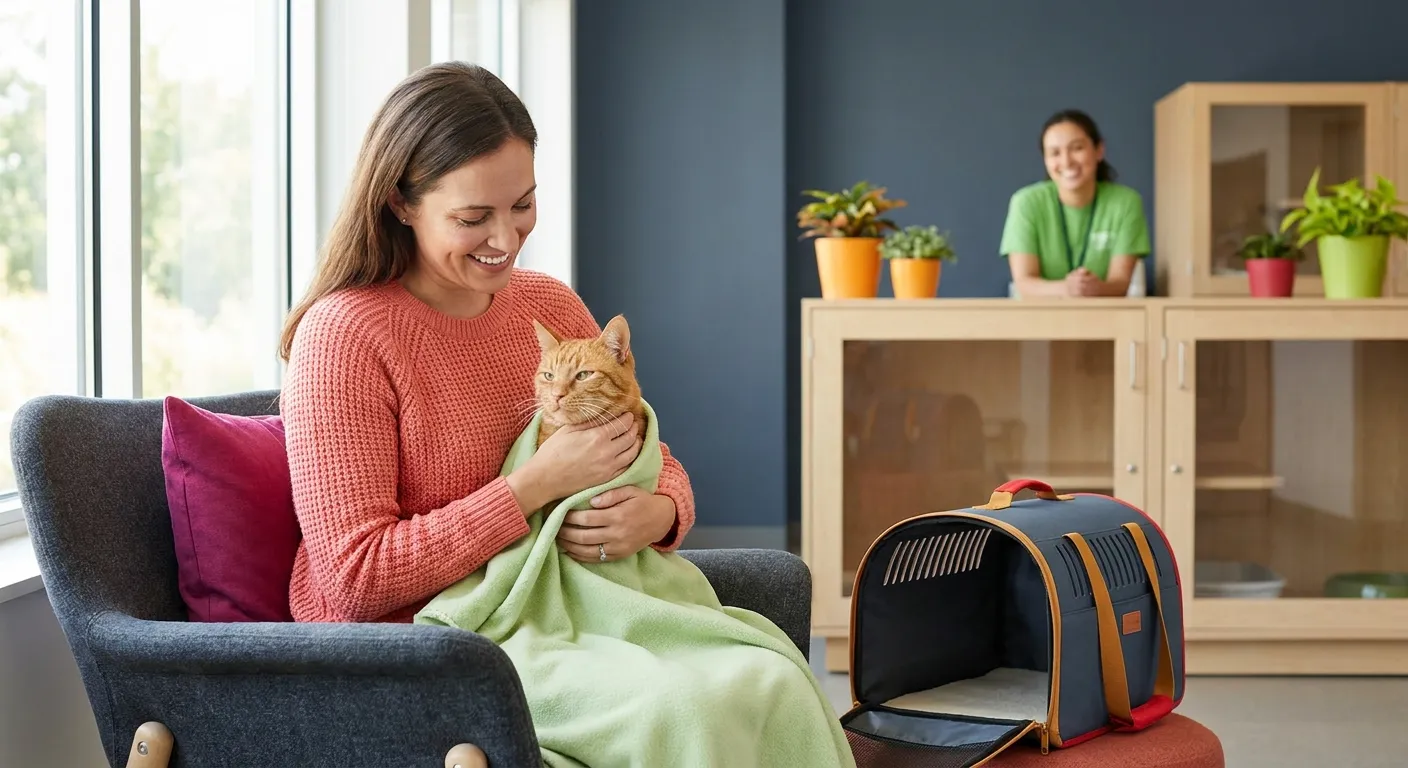
Bringing a new cat into your home is a truly rewarding experience. Indeed, adopting shelter cat offers a wonderful opportunity to provide a loving home to an animal in need. While immensely fulfilling, it’s important to understand that a rescued feline may need time and patience to adjust to their new environment. This comprehensive guide from Best Cat Care will help you prepare for their arrival and facilitate a smooth transition, ensuring a happy life for your new companion.
Many cats in shelters have experienced various challenges. Therefore, their past can influence how they adapt to a new family. Knowing what to anticipate will allow you to offer the best support possible. Moreover, a well-prepared home environment significantly reduces stress for both you and your new pet. Ultimately, patience and understanding are paramount during this crucial period.
The Initial Adjustment Period: Patience is Key When Adopting Shelter Cat
When you are adopting shelter cat, expect an initial adjustment period. This period can range from a few days to several weeks, or even months for more timid felines. Your new cat has likely experienced significant changes; consequently, they may feel overwhelmed or fearful. Provide a safe, quiet ‘base camp’ room with all essentials: food, water, a litter box, a scratching post, and hiding spots. Allow them to explore at their own pace. Avoid forcing interaction; instead, let them approach you. Spend short, quiet periods in the room, speaking softly and offering treats. Furthermore, consistency in routine will help build their confidence and trust in you and their new surroundings.
During these first days, observe your cat’s behavior carefully. For instance, look for signs of comfort like relaxed body language, purring, or rubbing against objects. Conversely, signs of stress might include hiding constantly, hissing, or lack of appetite. It’s crucial not to rush things. Remember, every cat is an individual with a unique personality and past experiences. Therefore, some will be outgoing from day one, while others will take a long time to fully relax. Your patience, understanding, and consistent love will ultimately foster a strong, lifelong bond with your rescued companion.
Setting Up a Safe ‘Base Camp’
A designated ‘base camp’ is essential for any newly adopted feline. This small, secure space provides a sense of safety and control. Choose a spare bedroom or a quiet bathroom. Ensure the room is free of potential hazards. In addition, place the litter box far from food and water bowls. Provide comfortable bedding and vertical spaces like cat trees or shelves. These elevated spots offer a sense of security. Furthermore, soft, cozy blankets and cardboard boxes make excellent hiding places. This setup allows your cat to decompress without feeling exposed or overwhelmed by a large new home.
Initially, limit access to this room only. This helps the cat acclimate to a smaller area before exploring the entire house. Regularly clean the litter box and replenish food and water. Moreover, maintain a calm and quiet atmosphere around this room. Avoid loud noises or sudden movements. This thoughtful preparation lays the groundwork for a positive transition for your new companion.
Building Trust and Long-Term Bonding
Once your cat starts to show signs of comfort in their base camp, you can gradually introduce them to other areas of your home and family members. Continue to prioritize positive interactions, using gentle petting, calm voices, and engaging playtime. Interactive toys like wand teasers can be excellent for bonding and building confidence. Positive reinforcement with treats and praise for desired behaviors reinforces good associations with you and their new home. Remember that every cat is an individual; some will be outgoing from day one, while others will take a long time to fully relax. Your patience, understanding, and consistent love will ultimately foster a strong, lifelong bond with your rescued companion.
Gradual introductions are key when you are adopting shelter cat. Firstly, allow your cat to explore adjacent rooms while you supervise. Keep initial sessions short. Gradually increase the time and area over several days or weeks. If you have other pets, introduce them slowly and carefully, always under supervision. For example, allow them to smell each other through a closed door before direct contact. This careful approach prevents fear and aggression, promoting peaceful coexistence. Ultimately, a slow introduction leads to a more harmonious household.
Understanding Your Cat’s Body Language
Learning to read your cat’s body language is vital for building trust. A relaxed cat will have soft eyes, ears pointed forward, and a loosely held tail. Conversely, flattened ears, dilated pupils, a twitching tail, or a crouched posture indicate fear or aggression. Pay attention to these signals. Respect their boundaries. If your cat seems stressed, give them space. Never force interaction. For example, a cat rubbing against you or head-butting is showing affection. This indicates they feel comfortable and trust you. Understanding these cues helps you respond appropriately and strengthen your bond.
Vocalization also offers clues to your cat’s feelings. Purring typically signifies contentment, though it can also be a self-soothing mechanism when stressed. Meows can vary widely, from a polite request for attention to a frustrated complaint. Hissing or growling, however, are clear warnings to back off. By observing both body language and vocalizations, you can better understand your cat’s needs and build a stronger relationship. This insight is especially helpful when you are adopting shelter cat, as their past experiences might influence their communication style.
Essential Supplies for Your Newly Adopted Feline
Preparing your home with the right supplies is crucial before your new cat arrives. This proactive step helps reduce stress and makes the transition smoother. You will need a litter box and appropriate litter. Furthermore, food and water bowls are essential. Choose stainless steel or ceramic options, as plastic can harbor bacteria. High-quality cat food, both wet and dry, should be on hand. Consider asking the shelter what food your cat was eating to ensure a consistent diet initially.
In addition, provide a comfortable bed or two. Scratching posts or pads are also necessary to protect your furniture. Toys, such as wand teasers, crinkle balls, and puzzle feeders, offer enrichment and mental stimulation. A cat carrier is vital for safe transport to and from the vet. Finally, invest in a sturdy collar with an ID tag, even for indoor cats. This preparation ensures your new companion has everything they need for a comfortable start. This helps when adopting shelter cat.
Choosing the Right Food and Nutrition
Proper nutrition is fundamental for your cat’s health and well-being. When selecting cat food, look for options that list meat as the primary ingredient. Avoid foods with excessive fillers or artificial additives. Many veterinarians recommend a mix of wet and dry food. Wet food provides essential hydration, while dry food can help with dental health. Always provide fresh water, changing it daily. A water fountain can encourage some cats to drink more. Consult with your veterinarian for personalized dietary recommendations, especially if your cat has any specific health concerns. This ensures your cat receives all necessary nutrients for a long, healthy life.
Transitioning to a new food should be done gradually. Mix small amounts of the new food with their old food, slowly increasing the proportion over seven to ten days. This prevents digestive upset. Observe your cat’s appetite and energy levels. If they seem to lose interest in food or show signs of discomfort, consult your vet. A balanced diet is a cornerstone of good health, particularly for a cat adjusting to a new home. This careful approach supports their overall well-being. It is a key step when adopting shelter cat.
Introducing Your Shelter Cat to Other Pets and Children
Introducing a new cat to existing pets or children requires careful planning and supervision. For other pets, especially other cats or dogs, always begin with a slow, gradual introduction process. Keep the new cat in their base camp initially. Allow existing pets to sniff under the door. Then, swap scents by rubbing a cloth on each animal and letting the other smell it. This helps them get used to each other’s presence without direct contact. When you are adopting shelter cat, this step is vital.
Once they seem comfortable with scent swapping, try brief, supervised visual introductions through a baby gate or screen door. Keep these interactions positive with treats and praise. Gradually increase the duration and proximity. Never leave pets unsupervised until you are certain they are comfortable and safe together. Similarly, teach children how to interact gently and respectfully with the new cat. Supervise all interactions closely. Explain that the cat needs space and quiet time. This careful approach minimizes stress and fosters positive relationships for everyone in the household.
Tips for Multi-Pet Households
In a multi-pet household, providing ample resources for each animal is critical. Ensure there are enough litter boxes (one per cat plus one extra), food bowls, water stations, and scratching posts. This reduces competition and potential conflict. Furthermore, create vertical spaces and hiding spots accessible to all cats. These offer escape routes and safe havens. It is also beneficial to feed pets in separate areas initially. This prevents resource guarding. When you are considering adopting shelter cat, think about how they will fit into your existing pet dynamic.
Monitor interactions closely. Look for any signs of stress, such as hissing, growling, or avoiding each other. If tension arises, separate them and go back to an earlier stage of introduction. Consistency and patience are paramount. Positive reinforcement, like treats and praise during calm interactions, helps create positive associations. Remember that successful integration can take time, sometimes weeks or even months. However, with careful management, many multi-pet households thrive. This thoughtful process makes adopting shelter cat a rewarding experience for all.
Common Behavioral Challenges and How to Address Them
When adopting shelter cat, you might encounter some common behavioral challenges. These often stem from stress, past experiences, or simply adjusting to a new routine. Litter box issues, such as urinating or defecating outside the box, are frequent. This can be due to stress, an unclean litter box, the wrong type of litter, or a medical issue. Consult your vet first to rule out any health problems. Ensure the litter box is clean, accessible, and in a quiet location. Try different types of litter if your cat seems particular. Sometimes, having an additional litter box helps.
Fear and hiding are also common. Give your cat time and space. Provide plenty of hiding spots. Use gentle, calm interactions. Aggression, though less common, can occur. This might be directed at people or other pets. Identify the triggers for aggression. Consult a professional cat behaviorist if aggression persists or is severe. Destructive scratching can be redirected to appropriate scratching posts by using catnip or pheromone sprays. Remember, patience and understanding are key to addressing these behaviors successfully. It is part of the journey when adopting shelter cat.
Encouraging Play and Enrichment
Play is vital for a cat’s physical and mental well-being. It helps them burn energy, satisfy their hunting instincts, and bond with you. Provide a variety of toys, including wand teasers, laser pointers (use sparingly and always end with a tangible toy), and puzzle feeders. Schedule regular play sessions, ideally 10-15 minutes, once or twice a day. This consistency creates a routine. Rotate toys to keep your cat interested. Vertical spaces like cat trees and shelves offer opportunities for climbing and observation, enriching their environment. When you are adopting shelter cat, enrichment is paramount.
Mental stimulation is just as important as physical exercise. Puzzle feeders challenge your cat to work for their food, preventing boredom. Training your cat to do simple tricks, like coming when called or sitting, can also be mentally stimulating and a great bonding experience. Clicker training is an effective method for this. A well-exercised and mentally engaged cat is generally a happier, better-behaved cat. This focus on enrichment helps them thrive in their new home. It is a wonderful aspect of the experience when adopting shelter cat.
The Rewards of Adopting a Shelter Cat
Ultimately, the decision to embark on adopting shelter cat is incredibly rewarding. You are providing a second chance at a loving home for an animal who truly needs one. Shelter cats often show immense gratitude and form deep, lasting bonds with their new families. They bring joy, companionship, and endless entertainment into your life. While the adjustment period requires patience and understanding, the love and affection you receive in return are immeasurable. Each purr, head rub, and playful pounce is a testament to the special bond you’ve built.
By choosing to adopt, you also contribute to a larger cause. You help reduce pet overpopulation and support the vital work of animal shelters. Many shelters provide initial veterinary care, vaccinations, and spaying/neutering, ensuring your cat is healthy from the start. Furthermore, the staff at shelters often know the personalities of their cats well and can help you find the perfect match for your lifestyle. The journey of adopting shelter cat enriches not only your life but also the life of a deserving feline. It is a decision that brings profound happiness and fulfillment for years to come.
In conclusion, welcoming a shelter cat into your home is a beautiful act of compassion. By understanding what to expect, preparing your environment, and offering unwavering patience and love, you can ensure a smooth and successful transition. The bond you forge with your rescued companion will be unique and deeply satisfying. Best Cat Care encourages all cat lovers to consider this fulfilling path. Your new feline friend awaits!
FAQ: Adopting a Rescued Feline
How long does it take for a rescued cat to adjust?
The adjustment period for a rescued feline varies significantly. Some cats may settle in within a few days or weeks, while others, especially those with more timid personalities or difficult pasts, might take several months. Patience and a consistent, calm environment are key to helping them feel secure.
What should I do on the first day with my new companion?
On the first day, take your new companion directly to their designated ‘base camp’ room. Ensure all essentials are present: food, water, litter box, and hiding spots. Allow them to explore the room at their own pace. Spend short, quiet periods in the room, speaking softly, but avoid forcing interaction. Let them initiate contact.
How can I introduce my new cat to my existing pets?
Introduce your new cat to existing pets slowly and gradually. Start with scent swapping by rubbing cloths on each animal. Then, progress to supervised visual introductions through a baby gate. Always keep initial interactions short and positive, increasing duration as they become more comfortable. Never leave them unsupervised until you are confident they are getting along.
What are common signs of stress in a newly adopted cat?
Common signs of stress in a newly adopted cat include hiding excessively, loss of appetite, changes in litter box habits, flattened ears, dilated pupils, hissing, growling, or excessive grooming. If you observe these behaviors, ensure they have a safe space and consider consulting your veterinarian or a cat behaviorist.
What supplies do I need for a new cat?
You will need essential supplies such as a litter box, cat litter, food and water bowls, high-quality cat food, a comfortable bed, scratching posts, a variety of toys, and a cat carrier. A collar with an ID tag is also recommended. Providing these items helps your new companion feel secure and comfortable in their new home.
Explore more: More from Best Cat Care