
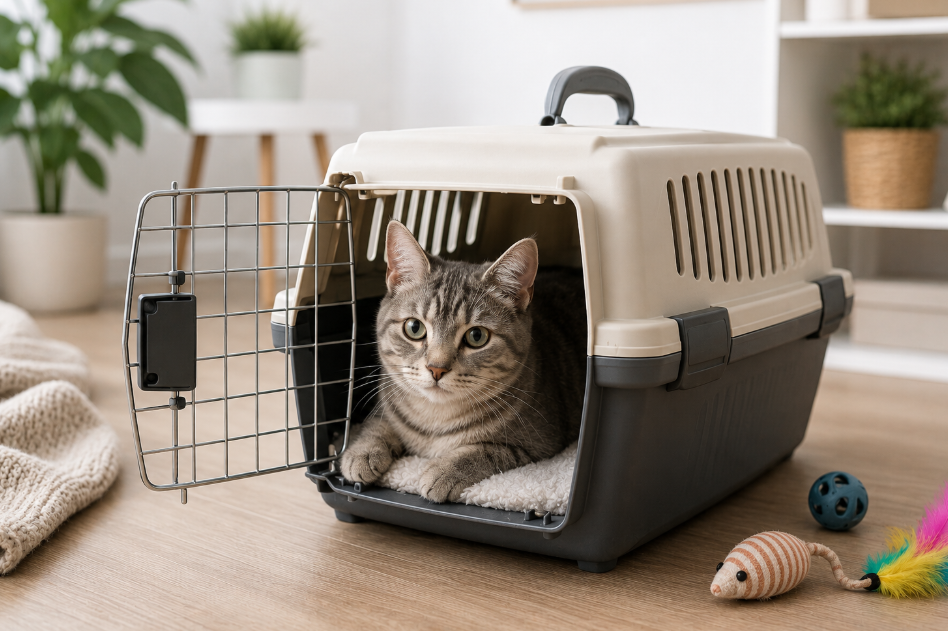
The best cat carriers do more than hold your cat during a trip. They help your cat feel secure, make handling easier, and protect them from escape, injury, and stress. Many cats dislike travel because carriers often appear only before a vet visit, car ride, or unfamiliar experience. However, the right carrier can make these moments much calmer. It gives your cat a safe space while helping you manage travel with more confidence.
A good carrier should fit your cat’s size, personality, and travel needs. Some cats do better in sturdy hard-sided carriers, while others relax in soft-sided options with flexible panels. Nervous cats may need top-loading designs that make entry easier. Larger cats need more room and stronger support. Therefore, choosing a carrier should not be based on looks alone.
Travel safety also matters. For safe pet travel guidance, the American Veterinary Medical Association recommends planning ahead and keeping pets properly secured during trips. Choosing the right carrier also works best when your cat is already used to routine care. For more help with preventive wellness, read our guide on cat health checkups for early detection.
Best Cat Carriers for Safe Travel
The best cat carriers for safe travel should feel sturdy, secure, and comfortable from the moment your cat steps inside. A good carrier gives your cat enough room to turn around and rest, but it should not be so large that your cat slides during movement. Strong doors, reliable zippers, firm bases, and proper ventilation all matter because travel can make even calm cats nervous. When the carrier feels stable, your cat is more likely to settle during vet visits, road trips, or short outings.
Ventilation is one of the most important features. Cats can become stressed in enclosed spaces, so airflow helps them stay cooler and calmer. Look for mesh panels, side openings, or vented hard plastic walls. However, ventilation should not weaken the structure. A flimsy carrier can bend, collapse, or open during handling.
The door should lock securely. Many cats can push through weak zippers, loose latches, or poorly fitted panels. Therefore, strong closures are essential. If you choose a soft carrier, check the zippers and seams. If you choose a hard carrier, check the door latch and screws. A carrier should stay closed even when your cat pushes, turns, or panics.
A stable base also matters. Cats dislike feeling unsteady under their paws. A sagging bottom can make travel more frightening, especially for older cats or heavier cats. The best cat carriers often include a firm base with a washable pad or fleece liner. This gives your cat better footing and adds comfort during the trip.
Cleaning should be easy too. Travel can involve accidents, shedding, drool, or spilled water. A carrier with removable bedding, wipeable surfaces, and washable liners will save time. More importantly, it helps keep the space fresh and hygienic for future trips.
Hard-Sided, Soft-Sided, and Backpack Cat Carriers
Hard-sided carriers are a classic choice for vet visits and car travel. They are sturdy, easy to clean, and usually provide strong protection. Many also have removable tops, which can help at the vet clinic. A cat can stay in the bottom half while the veterinarian starts the exam, reducing stress for shy or fearful pets.
Soft-sided carriers are popular for short trips and air travel. They are lighter, easier to store, and often fit better under airplane seats. However, they must have a strong frame and secure closures. Some soft carriers collapse too easily, so always test the structure before using one. The best cat carriers in this style feel flexible but not flimsy.
Backpack carriers can be useful for walking, public transportation, or short outings. They free your hands and can feel convenient. Still, not every cat enjoys the motion. Some backpacks are too small, poorly ventilated, or shaped more for human style than feline comfort. If you use one, choose a design with good airflow, a flat base, and enough space for your cat to rest naturally.
Expandable carriers can help during longer waits or hotel stays. These carriers open into a larger resting area when you are not moving. They can give your cat more room without making the carrier too bulky during transport. However, they should still close securely and remain stable when lifted.
Rolling carriers may help owners who cannot comfortably carry a heavy cat. Yet they can be noisy and bumpy, which may upset some cats. If your cat startles easily, a rolling carrier may not be the calmest option. Always think about your cat’s comfort, not just your own convenience.
Choosing the Right Carrier for Car and Air Travel
For car travel, safety should come first. A loose cat in the car can distract the driver, hide under the seat, or escape when a door opens. Because of this, the carrier should sit securely on the floor behind a front seat or be restrained according to the product’s instructions.
The best cat carriers for car travel should have a strong shell, reliable closures, and a flat base. If your cat gets carsick, choose a carrier that is easy to clean. You may also want extra absorbent pads inside. Avoid placing the carrier in direct sun, and never leave your cat alone in a parked car.
For air travel, the right carrier depends on airline rules. Each airline sets its own pet policy, so measurements matter. In-cabin pet carriers usually need to fit under the seat, but exact size limits vary. Therefore, always check the airline’s current rules before buying or packing.
Soft-sided carriers are often better for cabin travel because they can compress slightly under the seat. Still, they should not squeeze your cat. Your pet must have enough space to stay comfortable during the flight. If the carrier is too tight, the trip can become stressful and unsafe.
Long-distance travel requires extra planning. Your cat may need health records, updated vaccines, or a travel certificate depending on the destination. This is especially important for flights, hotel stays, or moves across state or country lines. Your veterinarian can help you prepare the right documents and decide whether your cat is fit to travel.
Carrier Features That Reduce Stress
Cats feel calmer when the carrier seems familiar. A carrier that only appears during stressful trips can create fear. Therefore, training matters as much as the carrier itself. The best cat carriers work even better when your cat already sees them as a safe place.
Choose a carrier that can stay out at home. Place it in a quiet room with the door open. Add a soft blanket, treats, or a favorite toy. Over time, your cat may explore it, nap inside, or treat it like a safe hiding spot. This simple habit can make future travel easier.
Top-loading carriers are useful for cats that resist front entry. Instead of pushing your cat through a small door, you can gently lower them inside. This reduces struggle and lowers the risk of scratches. Many vets also like carriers with removable tops because they allow calmer handling during exams.
Privacy can help anxious cats. Some carriers include covers, while others can be partly covered with a towel. However, do not block airflow. A light cover may reduce visual stress during car rides or clinic waits. It can also help your cat feel less exposed.
The best cat carriers should also be quiet and stable. Loud buckles, rattling doors, and shifting panels can make cats more nervous. Before buying, open the doors, test the handles, and check how the carrier moves. A calm design can make a noticeable difference.
Scent is another useful tool. Put familiar bedding inside before travel. You can also ask your vet about feline calming pheromone sprays. Use them only as directed, and let the carrier dry before placing your cat inside.
Matching the Carrier to Your Cat’s Size and Personality
Small cats may feel secure in compact carriers, but they still need room to move comfortably. Large cats need stronger carriers with wider doors and reinforced bases. If your cat is overweight, long-bodied, or muscular, do not rely on average size labels. Measure your cat and check the carrier’s weight limit.
Nervous cats often do better with hard-sided carriers that open from the top and front. These designs reduce handling battles and give vets better access. Confident cats may tolerate soft-sided carriers well, especially for short trips. However, even calm cats need secure zippers and firm support.
Senior cats may need extra comfort. Arthritis, stiffness, or dental pain can make travel harder. A low-entry carrier can help older cats step in more easily. Soft padding also supports joints. If your cat has mobility problems, ask your vet which carrier style may reduce discomfort.
Kittens need secure carriers too. A carrier that feels too large may let them slide around. Add a washable liner for traction and warmth. Since kittens grow quickly, choose a carrier that works now but will still fit later. The best cat carriers for kittens should be safe, easy to clean, and escape-resistant.
Multiple cats should usually have separate carriers. Even bonded cats can panic during travel. If one cat becomes scared, both may become stressed or aggressive. Separate carriers also make vet visits easier because each cat can be handled safely.
How to Prepare Your Cat Before Travel
Start carrier training before you need it. Leave the carrier open in a familiar area. Feed treats near it, then inside it. Later, close the door briefly while your cat stays calm. Gradual practice helps your cat build trust without pressure.
Short practice trips can also help. Once your cat accepts the carrier, carry it around the house. Then try a short car ride that does not end at the vet. Keep the experience calm and reward your cat afterward. This can weaken the link between the carrier and stressful events.
Avoid forcing your cat unless travel is urgent. Chasing, grabbing, or pushing can make carrier fear worse. Instead, use calm movements and prepare early. If your cat is very fearful, talk to your veterinarian about safe handling strategies.
Pack the carrier thoughtfully. Add absorbent padding, familiar bedding, and a small comfort item. Do not overcrowd the space with toys or bowls. For longer trips, ask your vet how to manage food, water, and litter needs.
The best cat carriers work better when owners plan ahead. Check the latch, zippers, bedding, labels, and travel route before leaving. If flying, confirm airline rules again near the travel date. If driving, prepare for breaks and avoid opening the carrier in unsafe areas.
Common Mistakes to Avoid When Buying a Carrier
One common mistake is choosing a carrier based only on appearance. Cute colors and trendy shapes may look nice, but safety matters more. A carrier should be practical, strong, and comfortable. If it cannot protect your cat, it is not the right choice.
Another mistake is buying a carrier that is too small. Cats may curl up often, but they still need room to turn and settle. A cramped carrier can increase stress and discomfort. On the other hand, a carrier that is too large can feel unstable during movement.
Weak closures are also risky. Some cats are strong escape artists. They may push through loose doors or work zippers open. Always inspect the closure before every trip. If any part feels worn or loose, replace the carrier.
Poor ventilation can make travel uncomfortable. Bubble-style carriers with limited airflow may look fun, but some designs trap heat and restrict movement. A good carrier should give your cat air, visibility, and comfort without exposing them too much.
Skipping training is another mistake. Even the best cat carriers cannot solve fear overnight. Cats need time to accept the carrier as part of daily life. When you build positive associations early, travel often becomes easier.
Finally, do not wait until an emergency to buy one. Every cat owner should have a safe carrier ready. If your cat becomes ill, injured, or needs urgent care, you should not have to search for a carrier at the last minute.
The best cat carriers make travel safer, calmer, and more manageable. They protect your cat in the car, help reduce stress at the vet, and make planned trips easier. Whether you choose a hard-sided carrier, soft-sided airline carrier, backpack, or expandable design, focus on safety first. Look for secure closures, good ventilation, strong support, easy cleaning, and the right fit for your cat.
A carrier is more than a travel tool. It can become a familiar safe space when introduced with patience. Leave it out, add comfort items, and practice before trips. With the right choice and a calm routine, the best cat carriers can turn stressful travel into a smoother experience for both you and your cat.
FAQ
1. What type of carrier is safest for vet visits?
A hard-sided carrier with a front door and removable top is often safest and easiest. It gives your cat security and allows the vet to examine them with less stress.
2. Are soft carriers good for cats?
Yes, soft carriers can work well for short trips and air travel. However, they should have strong zippers, good ventilation, and a firm base that does not sag.
3. How much room should my cat have inside?
Your cat should be able to stand, turn around, and lie down comfortably. The space should feel secure, but not cramped or unstable.
4. Can I put two cats in one carrier?
It is usually better to use separate carriers. Even friendly cats can panic during travel, and separate spaces make handling safer.
5. How can I help my cat like the carrier?
Leave the carrier open at home with soft bedding and treats inside. Then practice short, calm sessions before using it for real travel.
Featured Image Alt Text:
best-cat-carriers-safe-travel