
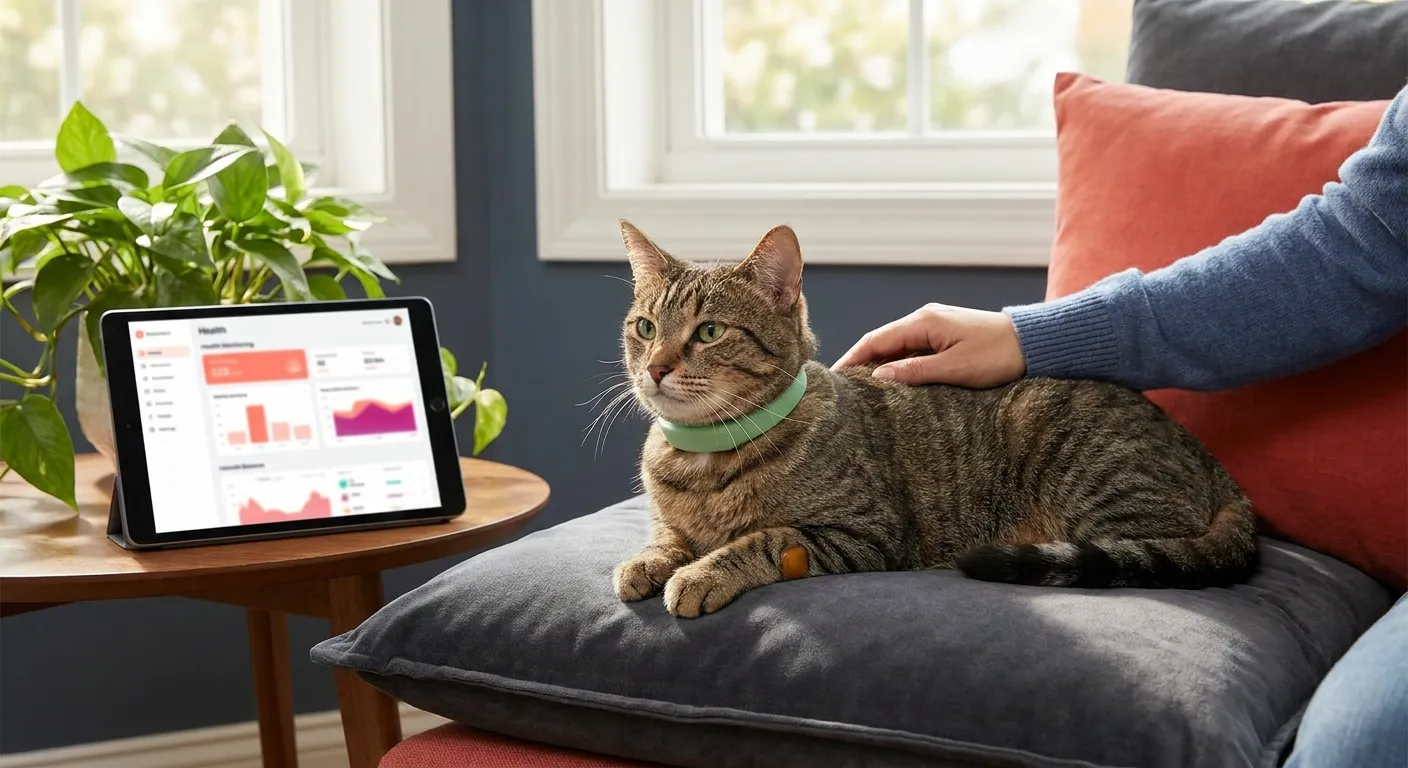
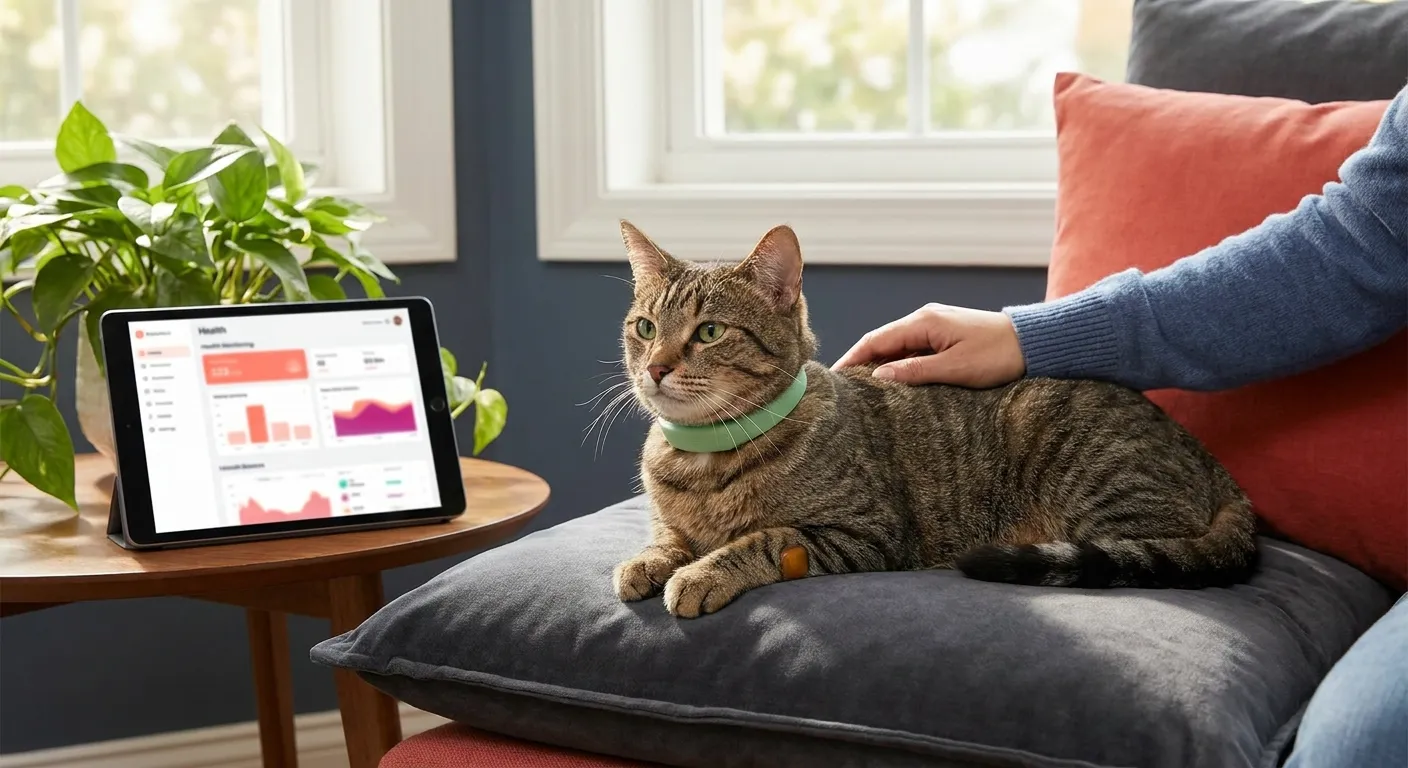
In an era where technology seamlessly integrates into every aspect of our lives, it’s no surprise that feline care is experiencing its own digital revolution. The advent of cat health monitoring devices is transforming how owners proactively manage their pets’ well-being, moving beyond traditional vet visits to continuous, real-time insights. This technological leap aligns with the pet care industry’s significant growth, with the global pet tech market projected to reach a staggering $20 billion by 2026, driven by a desire for advanced, preventative care.
The Evolution of Feline Health Monitoring
Gone are the days when observing subtle changes in your cat was your only early warning system. Today, a suite of smart devices offers unprecedented visibility into your cat’s health, allowing for earlier detection of potential issues and more informed decision-making. This shift represents a proactive approach to feline wellness, empowering owners to play a more active role in their cat’s long-term health.
Wearables: More Than Just GPS Tracking
Smart collars, once primarily known for GPS tracking, have evolved into sophisticated health monitoring hubs. Devices from companies like PetPace, Fi, and FitBark are now capable of tracking a comprehensive range of vital signs and behavioral patterns:
- Temperature: Detecting fever or hypothermia early.
- Heart Rate and Respiration: Indicating stress, pain, or underlying cardiac/respiratory issues.
- Activity Levels: Monitoring changes in playfulness, energy, or lethargy that could signal illness.
- Sleep Quality: Identifying disrupted sleep patterns that might point to discomfort or anxiety.
These advanced wearables can detect subtle behavioral shifts—such as changes in gait, excessive scratching, or altered eating habits—that might otherwise go unnoticed until symptoms become more severe. Receiving an alert about a deviation from your cat’s baseline activity can prompt a timely veterinary consultation, potentially catching an illness in its earliest, most treatable stages. Furthermore, these devices contribute to a deeper understanding of your cat’s unique rhythms, which is crucial for overall health management.
Smart Litter Boxes: A Window into Digestive and Urinary Health
Perhaps one of the most innovative advancements in cat health monitoring devices is the smart litter box. These intelligent systems offer a discreet yet powerful way to track critical health indicators related to your cat’s urinary and digestive systems.
Devices like SiiPet’s LitterLens, for instance, utilize AI-powered technology to monitor toilet health. They track usage patterns, frequency, and even the consistency of waste, alerting owners to changes that could signify health problems such like urinary tract infections (UTIs), kidney issues, or digestive disturbances. Imagine knowing if your cat is straining to urinate or having unusually loose stools the moment it happens, rather than days later when symptoms are more pronounced. This data provides invaluable insights. For example, consistent changes in litter box habits are often early indicators of illness. Consequently, these smart litter boxes can be instrumental in identifying issues before they become severe, complementing the information gathered from other pet health trackers.
Beyond the Basics: Integrated Monitoring Systems
The true power of modern feline health tracking comes from integrating data across various devices. Some platforms allow owners to consolidate information from wearables, smart litter boxes, and even smart feeders, creating a holistic view of their cat’s health. This integrated approach can reveal complex patterns that single devices might miss, offering a more complete picture of your cat’s well-being. For instance, a decrease in activity (from a wearable) combined with increased litter box visits (from a smart litter box) could strongly suggest a urinary issue, prompting immediate attention.
The goal is to move towards predictive analytics, where algorithms can identify potential health risks based on cumulative data trends. This proactive method means addressing concerns before they escalate. Moreover, it allows veterinarians to have a more comprehensive history of your cat’s health, aiding in diagnosis and treatment plans. This level of detail was previously unimaginable. Therefore, these integrated systems represent a significant step forward in preventative care.
Smart Feeders and Water Fountains: Tracking Nutritional Habits
While often seen as convenience items, smart feeders and water fountains also play a vital role in monitoring your cat’s health. These devices can track:
- Food Intake: Monitoring how much and how often your cat eats, which can indicate appetite changes related to illness or stress.
- Water Consumption: Ensuring adequate hydration, a critical factor for kidney health and overall well-being. Ensuring your cat drinks enough water is paramount, and smart fountains can help track this.
- Weight Management: Some feeders integrate scales to track weight, assisting in managing obesity or detecting unexplained weight loss.
Changes in eating or drinking habits are often among the first signs of illness in cats. Smart feeders provide objective data that can confirm these changes, preventing guesswork. Furthermore, they can help manage specific dietary needs, especially for cats requiring portion control or timed meals. This data is invaluable for veterinarians in assessing your cat’s nutritional status. For more insights on feline nutrition, consider reading our article on debunking common cat diet fads.
The Benefits of Utilizing Cat Health Monitoring Devices
Adopting these advanced monitoring solutions offers numerous advantages for both cats and their owners. Primarily, they facilitate early detection of health issues. This can lead to faster intervention and better prognoses. Many common feline ailments, such as kidney disease or diabetes, benefit significantly from early diagnosis.
Secondly, these devices provide peace of mind. Knowing that you are continuously monitoring your cat’s well-being can reduce anxiety for owners, especially those with senior cats or felines prone to specific health conditions. For example, keeping your senior cat comfortable often involves close observation, which these devices can greatly assist with. Thirdly, the data collected can significantly improve communication with your veterinarian. Instead of relying on anecdotal observations, you can provide concrete data points, leading to more accurate diagnoses and tailored treatment plans. This objective data helps your vet understand your cat’s normal baseline, making deviations more apparent. Consequently, a more precise approach to veterinary care is possible.
Empowering Proactive Pet Care
These sophisticated pet health trackers empower owners to transition from reactive to proactive pet care. Instead of waiting for visible symptoms of illness, which often indicate an advanced stage, owners can identify subtle changes early on. This proactive approach aligns with the principles of preventative cat care, focusing on maintaining health rather than just treating illness. For instance, consistent tracking of activity levels can help you identify a decline in mobility before it becomes a noticeable limp. Moreover, understanding your cat’s baseline behaviors through continuous monitoring allows you to quickly spot anomalies, which are often early indicators of underlying problems. Therefore, these devices are not just gadgets; they are tools for a healthier, longer life for your feline companion.
Choosing the Right Cat Health Monitoring Devices
With a growing market, selecting the appropriate cat health monitoring devices can seem daunting. Consider your cat’s specific needs, your lifestyle, and your budget. Some cats may benefit more from activity trackers, while others, particularly those prone to urinary issues, might find smart litter boxes more beneficial. Research different brands and read reviews to ensure reliability and accuracy. Compatibility with your existing smart home ecosystem, if any, might also be a factor.
It’s also important to understand the data these devices provide. While they offer valuable insights, they are not substitutes for professional veterinary care. Always consult your vet if you notice concerning changes or receive alerts from your devices. These tools are designed to complement, not replace, regular veterinary check-ups. In fact, they can enhance the effectiveness of those check-ups by providing a wealth of historical data. Therefore, careful consideration and consultation with your vet are key to making the best choice for your pet.
Integrating Technology with Traditional Care
The true value of cat health monitoring devices lies in their ability to bridge the gap between daily observation and professional veterinary insights. They provide a continuous stream of data that can inform and enhance the care provided by your veterinarian. Think of these devices as an extension of your vet’s diagnostic toolkit, offering insights into your cat’s life outside the clinic. This consistent monitoring helps establish a baseline for your cat’s health, making it easier to spot deviations. For example, if your cat’s heart rate typically hovers around 120 bpm, a sustained reading of 160 bpm from a wearable device would be a clear red flag. Consequently, this data can facilitate more targeted discussions during appointments. Remember, regular vet check-ups are crucial for cat longevity, and these tools simply enhance their effectiveness.
The Future of Feline Health Tracking
The landscape of cat health monitoring devices is constantly evolving. We can anticipate even more sophisticated sensors, enhanced AI capabilities for predictive health insights, and greater integration with veterinary systems. Imagine devices that can non-invasively monitor blood glucose levels for diabetic cats or identify specific biomarkers for early cancer detection. The potential for personalized, preventative feline medicine is immense. Furthermore, as technology becomes more accessible, these devices will likely become standard tools for responsible pet ownership. The trend is moving towards a future where every cat owner has the means to proactively safeguard their pet’s health. This will undoubtedly lead to healthier, happier, and longer lives for our feline friends.
In conclusion, the rise of cat health monitoring devices marks a significant advancement in pet care. These innovative tools offer unprecedented opportunities for early detection, proactive management, and improved communication with veterinarians. By embracing these technologies, cat owners can ensure their beloved companions receive the best possible care, leading to healthier, happier, and longer lives. The continuous flow of data from these feline health trackers empowers owners with knowledge, transforming how we approach feline wellness. The commitment to understanding and nurturing our cats’ health is central to Best Cat Care’s mission. Therefore, exploring these technological aids is a natural extension of that commitment.
Resources for Further Reading:
- American Veterinary Medical Association (AVMA) on Wearable Technology for Pets
- ASPCA on Common Cat Health Issues
FAQ: Smart Paws, Smart Care
What are the primary benefits of using pet health trackers for cats?
The main benefits include early detection of potential health issues, providing continuous monitoring of vital signs and behaviors, and offering objective data to share with your veterinarian. These insights allow for more proactive care and better overall health management for your feline friend.
Are monitoring devices for cat health accurate and reliable?
While the accuracy varies by device and brand, many reputable pet health trackers offer reliable data. It’s important to research specific products and read reviews. Always remember these devices are supplementary tools and should not replace professional veterinary diagnostics.
How do smart litter boxes contribute to feline wellness?
Smart litter boxes provide crucial insights into your cat’s urinary and digestive health by tracking usage frequency, duration, and waste consistency. This data can alert owners to early signs of conditions like UTIs, kidney problems, or digestive disturbances, prompting timely veterinary intervention.
Can these animal health monitors help with behavior issues?
Yes, by tracking activity levels, sleep patterns, and other behavioral metrics, these devices can sometimes help identify changes that might be linked to stress, anxiety, or other underlying behavioral issues. Deviations from a cat’s normal routine, for instance, could signal a need for behavioral assessment.
What should I consider when choosing a feline health monitoring system?
When selecting a system, consider your cat’s specific health needs, your budget, the device’s features (e.g., GPS, vital sign monitoring, litter box tracking), ease of use, and compatibility with other devices. Always prioritize products from reputable brands and consult your veterinarian for recommendations.