
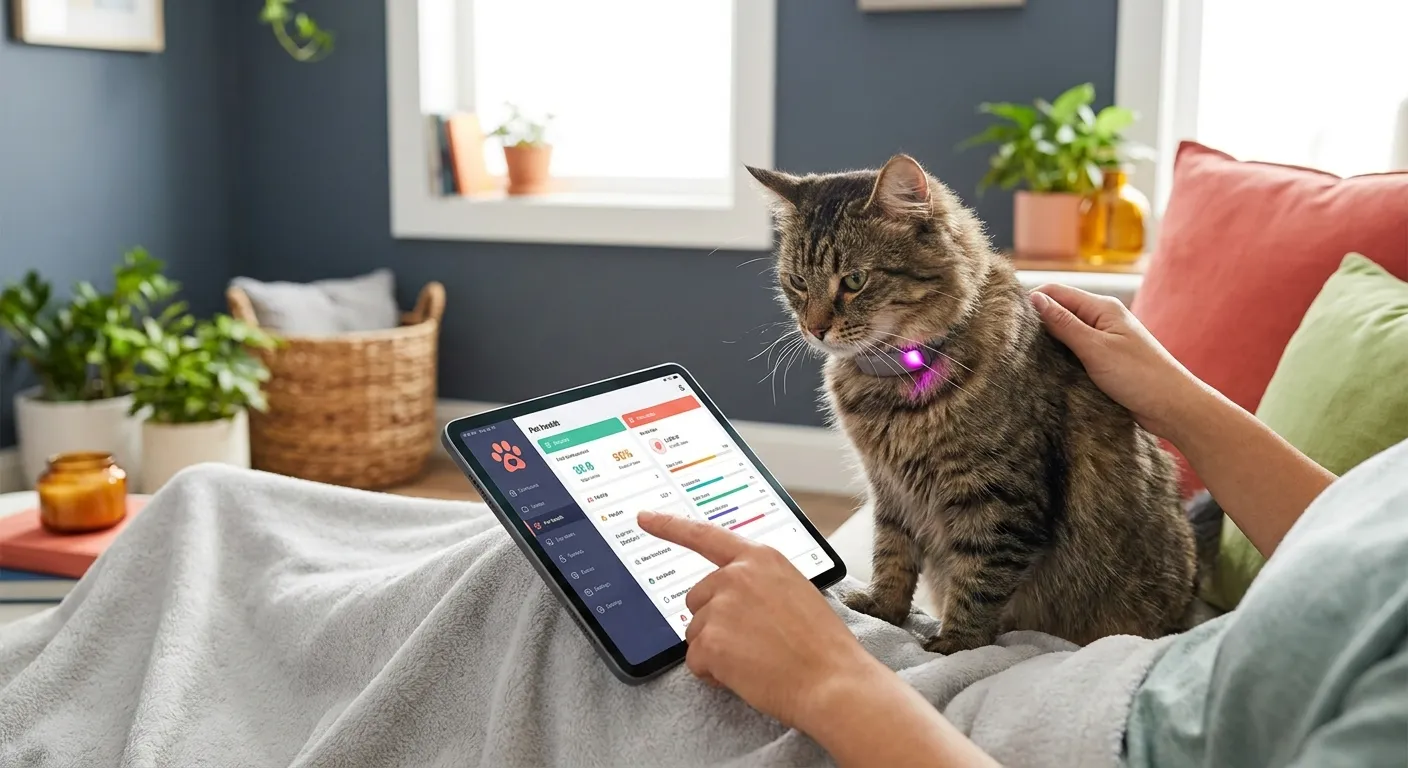
The pet care landscape is rapidly evolving, with technology playing an increasingly pivotal role in ensuring our feline friends lead healthier, happier lives. As the global pet tech market is projected to reach an impressive $20 billion by 2026, savvy cat owners are turning to innovative cat health monitoring devices to gain unprecedented insights into their pets’ well-being. At Best Cat Care, we believe that empowering owners with data-driven tools is key to proactive and preventative care.
The Dawn of Digital Feline Health
For centuries, understanding our cats’ health relied heavily on observation and vet visits. While these remain crucial, pet technology has introduced a new dimension of continuous monitoring, allowing for earlier detection of potential issues and more informed daily care. This shift marks a significant advancement in how we approach feline wellness. Consequently, many pet owners are now more prepared to address health changes promptly.
Wearables: Beyond Tracking Location
Smart collars, once primarily known for GPS tracking, have advanced significantly. Devices like PetPace, Fi, and FitBark now offer sophisticated health monitoring capabilities. They can track vital signs such as temperature, heart rate, and respiration. Furthermore, their utility goes further, monitoring activity levels, sleep quality, and even detecting subtle behavioral changes that could indicate an underlying illness. Imagine receiving an alert if your cat’s resting heart rate shows an unusual spike, prompting a timely vet visit before symptoms become severe. This proactive feedback empowers owners considerably.
Smart Litter Boxes: Your Cat’s Personal Health Reporter
One of the most intriguing advancements in cat health monitoring devices is the smart litter box. These intelligent systems are transforming the way we monitor feline urinary and digestive health. Devices like SiiPet’s LitterLens utilize AI-powered technology to track usage patterns, weight changes, and even the characteristics of your cat’s output. Therefore, they provide a wealth of information previously unavailable to owners.
Early Detection Through Daily Habits
Changes in litter box habits are often the first sign of health problems like urinary tract infections (UTIs), kidney disease, or digestive issues. A smart litter box can alert owners to increased frequency of urination, straining, or changes in stool consistency, allowing for early intervention. This proactive approach can make a significant difference in managing chronic conditions and preventing acute crises, providing a level of insight that traditional litter boxes simply cannot. In fact, this technology significantly enhances our ability to recognize early signs of illness in cats.
The Role of Telemedicine and AI Diagnostics
Technology’s impact extends beyond physical devices to how we interact with veterinary care. Telemedicine tools are becoming standard practice, offering virtual consultations that provide convenience and accessibility for various conditions. This progression means that expert advice is often just a click away.
Virtual Vet Visits and AI Assistants
Mobile apps with real-time video consultations, integrated health records, and AI chat assistants are enhancing remote care. Owners can discuss behavioral concerns, nutritional queries, skin issues, or chronic condition management from the comfort of their home. This offers a convenient alternative to in-person visits for non-emergency situations. Moreover, these platforms often integrate with data from various cat health monitoring devices, providing a holistic view for veterinarians. For example, a vet might review activity data from a smart collar during a virtual consultation.
Understanding the Benefits of Feline Wellness Trackers
The primary benefit of utilizing feline wellness trackers is the ability to shift from reactive to proactive pet care. Instead of waiting for obvious symptoms of illness, owners can detect subtle changes early. This often leads to better outcomes and less invasive treatments for their beloved cats. Furthermore, these devices offer peace of mind, knowing that your cat’s health is continuously observed.
Customized Care Plans
Data collected from these tracking solutions allows veterinarians to develop highly customized care plans. For instance, if a cat’s activity levels consistently drop, a vet might recommend dietary adjustments or specific exercises. This level of personalized care was previously difficult to achieve without extensive, frequent vet visits. Consequently, cats receive more tailored and effective health management.
Types of Cat Health Monitoring Solutions
Beyond wearables and smart litter boxes, other innovative solutions are emerging. These include microchip scanners that track temperature, and smart food dispensers that monitor eating habits. Each type of device offers unique insights into different aspects of a cat’s health. Therefore, choosing the right combination can provide a comprehensive overview.
Smart Feeders and Water Fountains
Smart feeders can track how much and how often your cat eats, alerting you to changes in appetite that could signal illness. Similarly, smart water fountains monitor water intake, which is crucial for identifying potential kidney issues or dehydration. Ensuring your cat drinks enough water is vital for overall health. These devices provide concrete data, rather than relying solely on observation, which can be less reliable. As a result, owners gain a better understanding of their cat’s daily consumption patterns.
Integrating Data for Comprehensive Health Insights
The true power of these various cat health monitoring devices comes from integrating their data. Many platforms now allow data from different devices to be consolidated into a single app or dashboard. This provides a holistic view of your cat’s health trends. For example, a sudden decrease in activity (from a smart collar) combined with increased urination (from a smart litter box) could immediately flag a potential urinary issue.
Collaboration with Veterinarians
Sharing this integrated data with your veterinarian can significantly enhance diagnostic accuracy and treatment effectiveness. Vets can review long-term trends and specific alerts, providing them with a more complete picture than a single examination might offer. This collaborative approach ensures that your cat receives the best possible care. Indeed, it fosters a partnership between owner and vet for feline well-being.
Choosing the Right Feline Wellness Technology
With so many options available, selecting the appropriate feline wellness technology can seem daunting. It’s important to consider your cat’s specific needs, your lifestyle, and your budget. Research different brands and read reviews to find devices known for accuracy and reliability. Furthermore, consider devices that offer good customer support and a user-friendly interface.
Key Considerations
- Accuracy: How reliable are the readings from the device?
- Comfort: Will your cat tolerate wearing a collar or using a specific litter box?
- Battery Life: How often does the device need charging or battery replacement?
- App Features: Is the accompanying app intuitive and does it provide actionable insights?
- Veterinary Integration: Can the data be easily shared with your vet?
By carefully evaluating these factors, you can make an informed decision that benefits both you and your cat. For instance, some devices might be better suited for senior cats who require closer monitoring.
Potential Challenges and Limitations
While cat health monitoring devices offer numerous advantages, it’s also important to acknowledge their limitations. No technology can completely replace regular veterinary check-ups or the keen observations of a dedicated owner. False alarms can occur, causing unnecessary worry, and some cats may simply refuse to adapt to wearables. Moreover, data privacy and security are important considerations when using connected devices.
Data Interpretation and Over-Reliance
Owners should also be mindful of over-relying on device data without professional veterinary interpretation. A device might flag an anomaly, but a veterinarian is essential for proper diagnosis and treatment. Furthermore, understanding what the data truly means requires some education. This highlights the importance of regular communication with your vet.
The Future of Feline Health Tracking
The field of feline health tracking is continuously advancing. We can anticipate even more sophisticated sensors, improved AI algorithms, and greater integration with smart home systems. Imagine a future where your cat’s health data seamlessly integrates with their environment, adjusting food portions, water availability, or even ambient temperature based on their real-time needs. This continuous innovation promises an even brighter future for cat care.
Preventative Care Evolution
These innovations will further empower owners in providing preventative cat care. Early detection will become even more precise, and interventions more timely. The goal remains the same: to help our cherished feline companions live the longest, healthiest, and happiest lives possible. Ultimately, these tools support better decision-making for cat owners.
Conclusion
The advent of cat health monitoring devices represents a significant leap forward in feline wellness. From smart collars tracking vital signs to intelligent litter boxes reporting on elimination habits, these technologies provide invaluable data that empowers cat owners and veterinarians alike. While these tools offer incredible benefits for proactive care and early detection, they are best utilized in conjunction with regular veterinary visits and attentive owner observation. As technology continues to evolve, we at Best Cat Care are excited about the future possibilities for enhancing the lives of our beloved cats. Embrace these innovations to give your feline friend the smartest care possible.
Frequently Asked Questions About Feline Health Trackers
How do pet wearables help monitor cat health?
Pet wearables, such as smart collars, track various metrics like activity levels, sleep patterns, heart rate, and temperature. This data helps owners and vets identify deviations from normal behavior or vital signs, indicating potential health issues early on. For example, a sudden drop in activity could signal discomfort.
Are smart litter boxes truly effective for detecting health problems?
Yes, smart litter boxes are highly effective. They monitor usage frequency, duration, and even the weight of your cat’s waste, providing crucial insights into urinary and digestive health. Changes in these patterns can be early indicators of conditions like UTIs, kidney disease, or constipation, prompting timely veterinary consultation. This allows for early intervention, often leading to better outcomes.
What are the privacy concerns with using these cat health monitoring devices?
Privacy concerns with feline wellness trackers typically revolve around data security and who has access to your cat’s health information. It’s important to choose reputable brands that have clear data privacy policies and robust security measures. Always read the terms of service to understand how your data is collected, stored, and used. Ensuring your personal and pet’s data is protected is paramount.
Can these health monitoring solutions replace regular vet check-ups?
No, these monitoring solutions cannot replace regular vet check-ups. While they provide continuous data and early warning signs, a veterinarian’s expertise is essential for diagnosis, treatment, and comprehensive health assessments. These devices are best viewed as supplementary tools that enhance proactive care and inform your vet. Therefore, they support, rather than substitute, professional veterinary care. Regular vet check-ups are crucial for cat longevity.
How do I choose the best health tracking device for my cat?
To choose the best health tracking device, consider your cat’s specific needs, temperament, and your budget. Evaluate factors like device accuracy, comfort for your cat, battery life, and the features of the accompanying app. Reading reviews and consulting with your veterinarian can also help you make an informed decision. Some cats may tolerate a collar better than others, for instance.