
As a devoted cat owner, you understand that providing the best for your feline friend goes beyond cuddles and playtime. It’s about creating a foundation of health and happiness through consistent, evidence-based care. In an era where U.S. pet industry expenditures are projected to reach $165 billion in 2026, with 95 million households owning a pet, the demand for reliable information on essential cat care tips has never been higher. At Best Cat Care, we’re committed to being your comprehensive resource, helping you navigate the fundamentals of feline well-being.
Understanding Your Cat’s Nutritional Needs
Nutrition is the cornerstone of your cat’s health. Many owners wonder: “What’s the best food for my cat?” The answer often lies in understanding their biology as obligate carnivores. This means their diet must be rich in animal protein to thrive. Look for high-quality commercial foods that list meat (chicken, fish, turkey) as the first ingredient, not fillers or byproducts. Furthermore, consider your cat’s age and activity level when selecting food. Kittens, adults, and senior cats have different caloric and nutrient requirements.
Wet vs. Dry Food: Making the Right Choice
While dry kibble is convenient, wet food offers crucial hydration, which is vital for feline urinary tract health. Cats naturally have a low thirst drive, and a diet primarily of dry food can contribute to chronic dehydration. We recommend incorporating wet food daily to ensure adequate moisture intake. When selecting food, always check for an AAFCO (Association of American Feed Control Officials) statement, indicating it provides complete and balanced nutrition for your cat’s life stage. For more information on dietary choices, explore our guide on Debunking Common Cat Diet Fads: What’s Best for Feline Nutrition?
The Importance of Regular Grooming
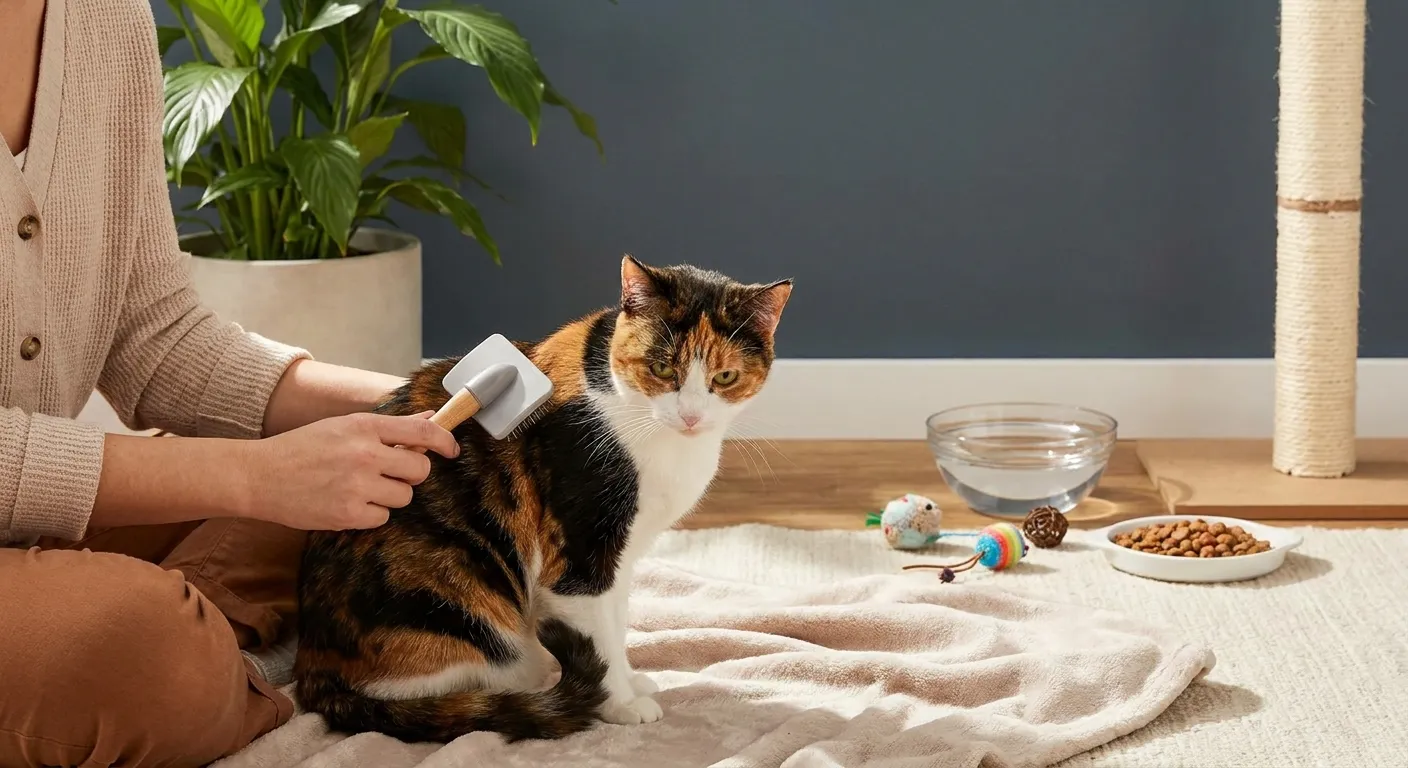
Many people believe cats groom themselves sufficiently, but regular human assistance is essential, especially for long-haired breeds or senior cats. Grooming isn’t just about aesthetics; it’s a preventative health measure. In addition, it strengthens the bond between you and your pet. Consider mastering Mastering Cat Grooming at Home: A Comprehensive Guide for Happy Felines.
Brushing for Health and Bonding
Daily or weekly brushing helps remove loose fur, preventing uncomfortable hairballs and matting. Matts can pull on your cat’s skin, causing pain and even skin infections. Brushing also stimulates blood circulation and distributes natural oils, keeping their coat healthy and shiny. Beyond the physical benefits, grooming sessions offer a wonderful opportunity for bonding, strengthening your relationship with your feline companion. Therefore, make it a regular part of your routine.
Nail Trimming: A Crucial Habit
Regular nail trims prevent ingrown claws, which can be incredibly painful and lead to infection. It also protects your furniture and reduces the risk of accidental scratches during play. Aim for a trim every 2-4 weeks. If you’re unsure how, consult your veterinarian or a professional groomer for guidance. This is a vital component of good feline care.
Preventative Health: Vet Visits and Vaccinations
Just like humans, cats benefit immensely from preventative healthcare. Annual veterinary check-ups are non-negotiable, even if your cat appears healthy. Cats are masters at hiding illness, and a vet can often detect subtle changes that might indicate a budding problem. Consequently, early detection often leads to more effective treatment. Why Regular Vet Check-ups are Crucial for Cat Longevity explains this further.
The Power of Vaccinations and Parasite Control
Vaccinations protect your cat from common, serious diseases like rabies, feline distemper, and feline leukemia. Your veterinarian will recommend a vaccination schedule tailored to your cat’s lifestyle and risk factors. Furthermore, regular parasite control for fleas, ticks, and worms is equally important. These parasites can cause discomfort, skin issues, and even transmit diseases. Consult your vet for the best preventative measures.
Recognizing Signs of Illness
While annual check-ups are key, it’s also important for owners to be observant. Changes in appetite, litter box habits, activity levels, or grooming can all signal a health issue. For example, excessive hiding or unusual vocalizations might indicate pain or distress. If you notice any concerning symptoms, contact your veterinarian promptly. Early intervention can make a significant difference in your cat’s recovery. Read our article on Beyond the Purr: Recognizing Early Signs of Illness in Cats.
Creating a Stimulating Environment
A happy cat needs more than just food and shelter; they need mental and physical stimulation. This is particularly true for indoor cats, who rely solely on their human companions to provide an enriching environment. Consequently, boredom can lead to behavioral issues such as destructive scratching or inappropriate urination.
Playtime and Enrichment
Engage your cat in interactive play daily using toys that mimic prey, such as wand toys or laser pointers. Rotate toys to keep them interesting. Provide scratching posts and cat trees to satisfy their natural instincts to climb and scratch. Additionally, puzzle feeders can make mealtime more engaging and prevent rapid eating. These measures are truly important feline care tips.
Safe Outdoor Access or Indoor Safety
For many cats, an indoor-only lifestyle is safest, protecting them from traffic, predators, and diseases. However, an indoor environment still needs enrichment. Consider a