
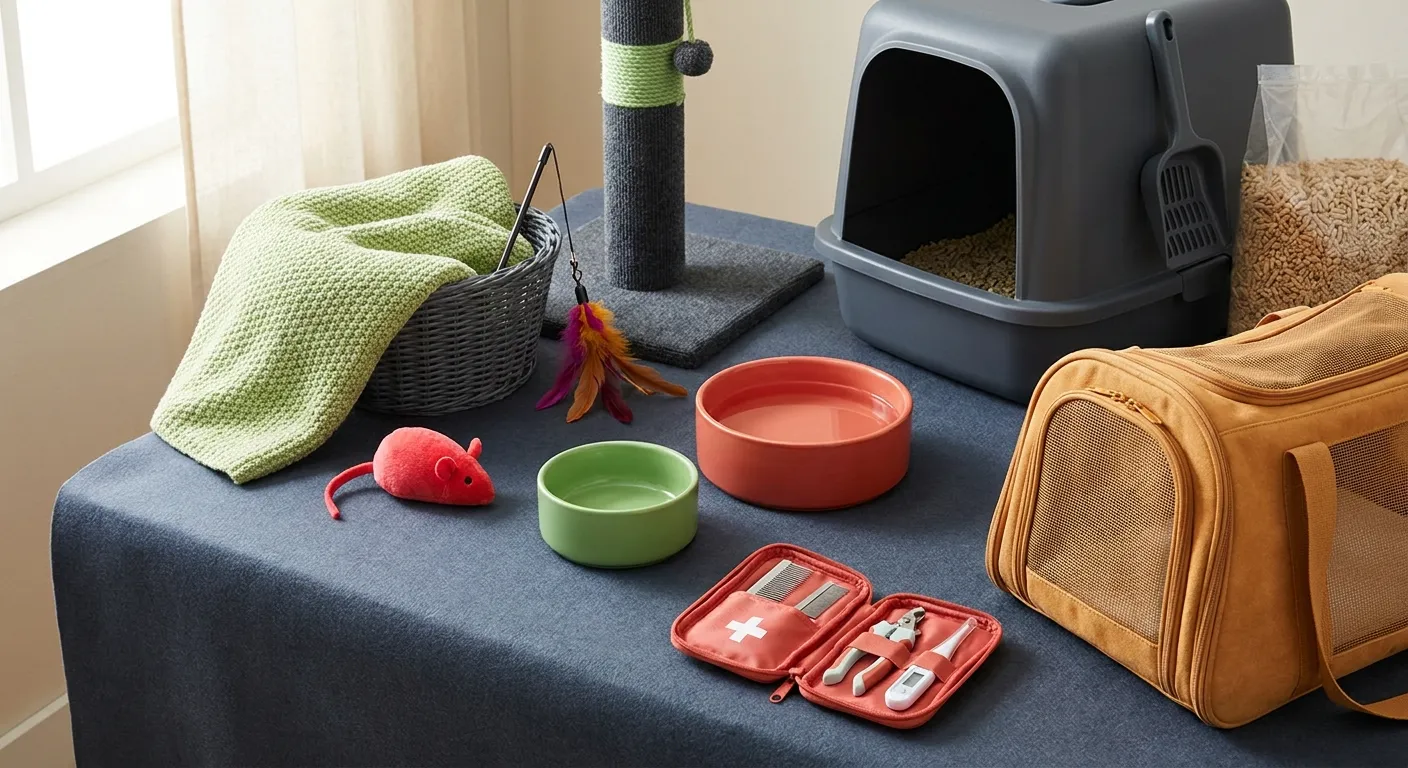
Bringing a new feline friend into your home is an exciting time, and having the right new cat essential supplies ready is crucial for a smooth transition and a happy, healthy beginning. A well-prepared environment helps your cat feel secure, loved, and allows them to adjust to their new surroundings with ease. From basic necessities to comfort items, understanding what your new companion truly needs will set the foundation for a lifetime of well-being.
Setting Up Your Cat’s Sanctuary: What You’ll Need
Before your new cat even steps paw through the door, having their basic needs covered creates a welcoming haven. Think about distinct zones for eating, sleeping, playing, and toileting. This structured approach helps minimize stress and clearly communicates boundaries.
Food and Water Stations
Proper nutrition is paramount. You’ll need:
- Food Bowls: Opt for ceramic, glass, or stainless steel bowls. Plastic can harbor bacteria and cause chin acne. Have at least two—one for food and one for water.
- Water Source: A wide, shallow bowl is often preferred, but many cats enjoy a flowing water fountain. Fresh water should be available 24/7.
- High-Quality Cat Food: Consult with your vet about the best diet for your cat’s age, activity level, and any specific health needs. Whether wet, dry, or a combination, ensure it’s a complete and balanced formula.
The All-Important Litter Box Setup
Litter box etiquette starts with the right setup. This is one of the most critical elements for preventing behavioral issues.
- Litter Boxes: The general rule is one litter box per cat, plus one extra. Place them in quiet, accessible locations away from food and water.
- Cat Litter: Experiment to find what your cat prefers. Unscented clumping clay litter is a common favorite, but there are also eco-friendly options like pine, paper, or silica gel.
- Litter Scoop: Essential for daily cleaning. Regular scooping is key to maintaining hygiene and encouraging consistent use.
- Litter Mat: Helps to contain tracking and keep your floors cleaner.
Cozy Sleeping Spots
Cats love to nap, often for 12-16 hours a day. Provide several comfortable options:
- Cat Beds: Soft, cozy beds in various shapes and sizes. Some cats prefer enclosed spaces, while others like open cushions.
- Blankets/Towels: Old towels or soft blankets can make any spot more inviting, especially if they carry your scent.
- Elevated Perches: Cats feel safe and enjoy observing their territory from above. Cat trees or shelves provide vertical space.
Playtime and Enrichment: Keeping Minds and Bodies Active
Mental and physical stimulation are vital for a happy cat. Boredom can lead to destructive behaviors.
- Interactive Toys: Wands with feathers, laser pointers (use with caution and always end with a tangible toy), and puzzle feeders engage their hunting instincts. Furthermore, these items are crucial for preventing boredom.
- Scratching Posts/Pads: Provide multiple scratching opportunities in various materials and orientations (vertical and horizontal). This saves your furniture and fulfills a natural feline need.
- Catnip Toys: Many cats respond positively to catnip, which can provide a burst of playful energy. Explore our range of catnip toys for engaging options.
- Tunnels and Cubes: These provide hiding spots and opportunities for ambush play, which cats adore.
Grooming Essentials for a Healthy Coat
Even though cats are meticulous self-groomers, they still benefit from human assistance. Regular grooming strengthens your bond and helps maintain their health.
- Brushes and Combs: Choose a brush appropriate for your cat’s fur type. Short-haired cats benefit from a rubber curry brush, while long-haired cats need a slicker brush or a de-shedding tool to prevent mats.
- Nail Clippers: Regular nail trims prevent overgrown claws, which can be painful and lead to damage. Start early to get your kitten accustomed to the process.
- Cat-Specific Shampoo (if needed): Most cats rarely need baths, but if yours does, use a shampoo formulated specifically for felines. Human shampoos are too harsh.
- Dental Care: Consider cat toothbrushes and toothpaste or dental treats to support oral hygiene. Dental health is a key component of overall well-being.
Safety and Identification: Protecting Your New Companion
Ensuring your cat’s safety is a top priority, especially as they explore their new environment. These items are fundamental.
- Carrier: A secure, comfortable carrier is essential for vet visits and safe transport. Opt for one that is easy to clean and well-ventilated.
- Collar with ID Tag: Even indoor cats can slip out. A breakaway collar with an ID tag listing your contact information is vital.
- Microchip: This permanent form of identification greatly increases the chances of being reunited if your cat gets lost. Discuss this with your veterinarian.
- Pet First-Aid Kit: Be prepared for minor injuries or emergencies. Include items like gauze, antiseptic wipes, and vet wrap.
Preparing for Veterinary Care: A Lifelong Partnership
Establishing a relationship with a veterinarian is critical for your cat’s long-term health. Regular check-ups and vaccinations are essential.
- Initial Vet Visit: Schedule a check-up shortly after bringing your new cat home. This allows the vet to assess their health, discuss vaccinations, and address any concerns.
- Vaccination Records: If available, bring any existing vaccination and health records from the shelter or breeder.
- Preventative Medications: Discuss flea, tick, and heartworm prevention with your vet. These are often year-round necessities.
Creating a Safe and Stimulating Environment
Beyond the basic supplies, consider how your home itself can become a better place for your cat. This involves more than just having the right new cat essential supplies.
- Cat-Proofing Your Home: Just like baby-proofing, ensure your home is safe. Remove toxic plants, secure loose cords, and store hazardous chemicals out of reach.
- Vertical Space: Cats love to climb and observe. Provide cat trees, shelves, or window perches. This makes them feel secure and gives them their own territory.
- Quiet Retreats: Ensure your cat has several quiet, private spots where they can retreat and feel safe. This is especially important during the initial adjustment period.
- Environmental Enrichment: Rotate toys, provide new scents (like safe herbs or cardboard boxes), and offer opportunities for mental challenges.
The Importance of Socialization and Patience
While gathering all the new cat essential supplies is a great first step, remember that patience and positive interactions are equally important. Allow your cat to adjust at their own pace.
- Gentle Introduction: Introduce your cat gradually to new people, pets, and environments. Slow and steady wins the race.
- Positive Reinforcement: Use treats, praise, and gentle petting to reward desired behaviors.
- Consistent Routine: Cats thrive on routine. Consistent feeding times, play sessions, and litter box cleaning help them feel secure.
By thoughtfully acquiring all the necessary new cat essential supplies and preparing your home, you’re setting the stage for a wonderful relationship with your new feline companion. Moreover, you are demonstrating your commitment to their well-being from day one. Remember, a happy cat is a healthy cat, and a prepared owner makes all the difference. This comprehensive approach ensures a smooth transition and a lifetime of purrs and companionship. In fact, these preparations are key to a lasting bond. For more tips on enriching your cat’s life, explore our interactive toys section.
Essential Items for Your New Cat: A Checklist
To summarize, here is a handy checklist of the most important items to have:
- Food and water bowls (non-plastic)
- High-quality cat food
- Multiple litter boxes
- Cat litter and scoop
- Cat beds and blankets
- Scratching posts and pads
- Variety of interactive toys
- Grooming tools (brush, nail clippers)
- Cat carrier
- Breakaway collar with ID tag
- Veterinary appointment scheduled
This comprehensive list of essential items for your new feline friend ensures you are well-prepared. Furthermore, it covers all the bases for their immediate needs and long-term happiness. Consulting with your veterinarian can provide additional personalized recommendations for your specific cat, especially regarding dietary needs or any health considerations. For example, a kitten’s needs might differ slightly from an adult cat’s.
Beyond the Basics: Enhancing Your Cat’s Life
While the initial set of new cat essential supplies covers the fundamentals, there are many ways to enrich your cat’s life further as they settle in. Consider items that promote mental stimulation, physical activity, and overall comfort. For instance, creating vertical spaces with cat trees or shelves can significantly improve their environment.
Advanced Play and Enrichment
Once your cat is comfortable, you might introduce more advanced enrichment items:
- Cat Trees and Condos: These provide vertical territory, scratching surfaces, and cozy napping spots. Cats love to survey their domain from a high vantage point.
- Window Perches: A simple perch allows your cat to safely observe the outside world, providing endless entertainment.
- Outdoor Enclosures (Catios): For cats who crave the outdoors but need to be safe, a secure catio can be a fantastic addition, offering fresh air and stimulation without the risks of free-roaming.
- Rotating Toys: Keep playtime fresh by rotating toys regularly. This prevents boredom and keeps your cat engaged. Interactive toys are particularly good for this.
Comfort and Security Enhancements
Ensuring your cat feels safe and comfortable goes a long way:
- Feliway Diffusers: These release synthetic feline facial pheromones that can help calm anxious cats and promote a sense of security in their new home. Many vets recommend them.
- Heated Beds: Older cats or those in cooler climates often appreciate a heated bed for extra comfort, especially during winter months.
- Grooming Gloves: Some cats prefer a gentle grooming glove over a traditional brush, making the experience more enjoyable for them.
Long-Term Health and Wellness Considerations
Beyond the initial setup, consider these ongoing aspects of your cat’s care:
- Pet Insurance: Investing in pet insurance can provide peace of mind for unexpected veterinary emergencies or long-term health conditions.
- Regular Vet Check-ups: Annual or bi-annual wellness exams are crucial for early detection of health issues and maintaining preventative care. Your vet can also offer advice on any developing behavioral concerns.
- Dental Health Routine: As mentioned, regular dental care is vital. Your vet can advise on the best products and techniques for your cat.
Ultimately, providing all the necessary new cat essential supplies is an act of love and responsibility. It lays the groundwork for a strong bond and a healthy, happy life together. By being proactive and thoughtful in your preparations, you are setting your new feline companion up for success. This commitment ensures they thrive in their new home. Remember to consult reliable sources like the ASPCA for further general cat care information, or the American Association of Feline Practitioners for expert feline health resources.
FAQ: Welcoming Your New Feline Friend
What are the absolute must-have items for a new cat?
The absolute must-have items include food and water bowls (preferably ceramic or stainless steel), high-quality cat food, at least two litter boxes with appropriate litter, a litter scoop, comfortable sleeping spots, scratching posts, and a variety of interactive toys. A secure carrier for transport is also essential.
How many litter boxes does a new cat need?
The general rule of thumb is one litter box per cat, plus one extra. So, for one new cat, you should ideally have two litter boxes placed in quiet, accessible locations away from their food and water stations.
What kind of food should I give my new kitten or cat?
It’s best to consult with your veterinarian to determine the most appropriate high-quality cat food for your new companion’s age, activity level, and any specific health needs. Whether wet, dry, or a combination, ensure it’s a complete and balanced formula.
How can I help my new cat adjust to their new home?
Help your new cat adjust by providing a quiet, safe space with all their basic needs met. Establish a consistent routine for feeding, playtime, and litter box cleaning. Use positive reinforcement and allow them to explore and socialize at their own pace. Patience is key during this transition.
Are there any items I should avoid buying for my new cat?
Avoid plastic food and water bowls, as they can harbor bacteria. Also, be cautious with toys that have small parts that can be swallowed. While laser pointers can be fun, always end playtime with a tangible toy to prevent frustration. Generally, avoid anything that could pose a choking hazard or be toxic if ingested.