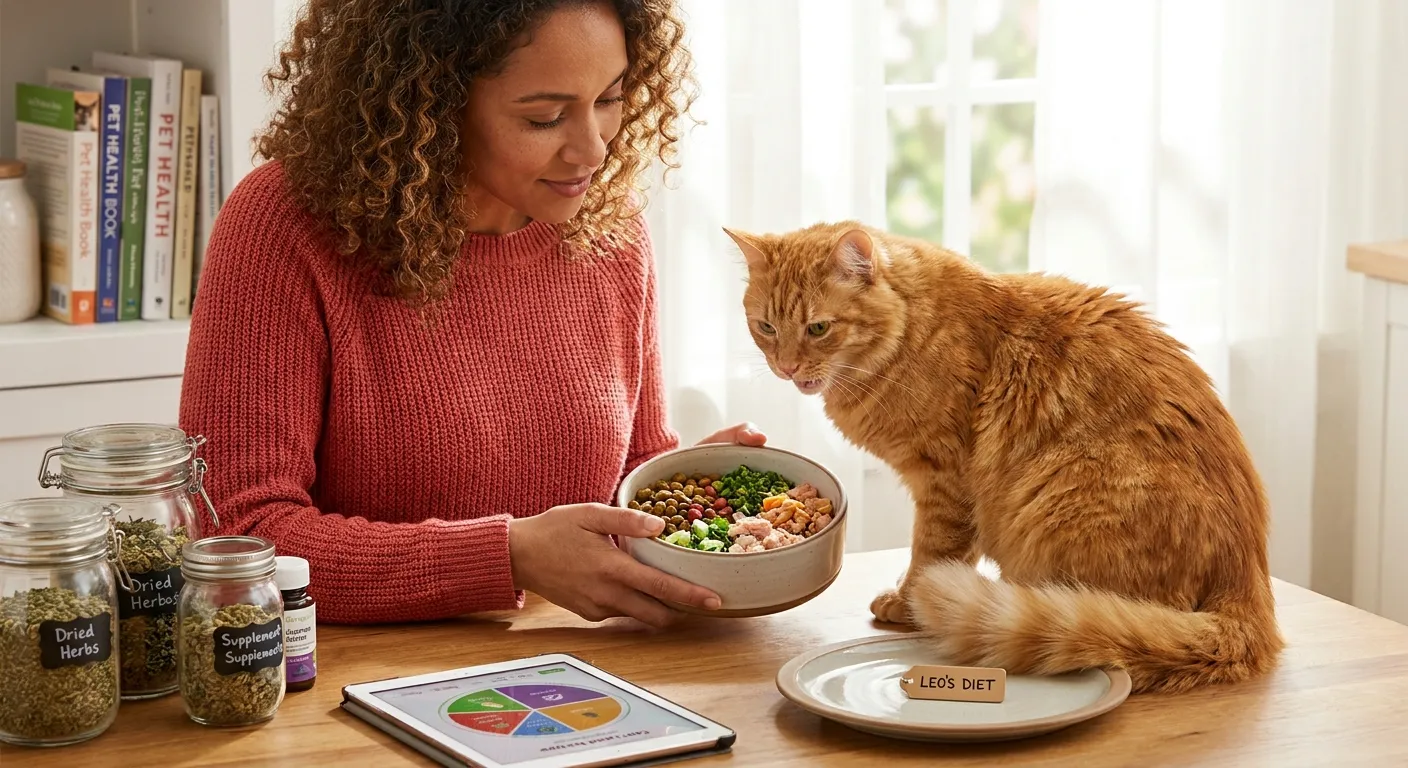
In the evolving world of pet care, the concept of personalized cat nutrition is no longer a futuristic ideal but a present-day reality. Cat owners are increasingly seeking tailored dietary solutions that go beyond generic kibble, aiming to provide their feline companions with the precise nutrients needed for optimal health and longevity. This shift reflects a broader industry trend towards advanced health and personalized care, with the U.S. pet industry expenditures projected to reach $165 billion in 2026, driven significantly by a focus on quality nutrition.
Why Personalized Cat Nutrition Matters More Than Ever
Just like humans, every cat is unique. Factors such as age, breed, activity level, existing health conditions, and even genetic predispositions play a crucial role in their nutritional requirements. A one-size-fits-all approach often falls short. Consequently, this can lead to potential deficiencies or excesses that impact your cat’s well-being. The demand for highly specific, individualized cat food is surging, influenced by advancements in understanding feline biology and the availability of sophisticated diagnostic tools.
The Rise of Microbiome Testing and Customized Diets
One of the most exciting developments in personalized feline nutrition for 2026 is the increasing influence of microbiome testing. At-home kits and vet-ordered panels are allowing owners to gain unprecedented insights into their cat’s gut health. The microbiome—the community of microorganisms living in the digestive tract—is vital for nutrient absorption, immune function, and even mood. Understanding its composition can help identify imbalances and inform dietary choices. For example, specific bacterial profiles can indicate a need for certain prebiotics or probiotics.
Based on these insights, customized kibble and supplements can be formulated. Imagine a diet designed to support a specific bacterial balance, reduce inflammation, or improve digestion for your cat. This level of precision was once unimaginable but is now becoming accessible through innovative companies and veterinary practices. Moreover, regular vet check-ups are crucial for interpreting these results and ensuring your cat receives the best care. You can learn more about Why Regular Vet Check-ups are Crucial for Cat Longevity.
Human-Grade Ingredients: A New Standard
The perception of pet food quality has undergone a significant transformation. What was once considered a luxury—human-grade ingredients—is now becoming a standard expectation for many discerning cat owners. There’s a growing demand for fresh, raw, freeze-dried, and minimally processed diets that retain more natural nutrients and avoid artificial additives. This trend mirrors human dietary preferences, reflecting the deep bond owners share with their pets and their desire to provide the best possible care.
Companies like The Pet Gourmet® are at the forefront, offering customizable meal options that include freeze-dried raw toppers, allowing owners to enhance their cat’s diet with high-quality, biologically appropriate ingredients. Furthermore, this approach aligns with a broader understanding of what constitutes a healthy diet for felines.
Harnessing the Power of Functional Foods and Supplements
Beyond basic nutrition, functional foods and treats are gaining traction. These products contain ingredients with specific health benefits, such as omega-3 fatty acids for joint health, probiotics for digestion, or antioxidants for immune support. As a result, they can play a significant role in supporting a cat’s overall well-being. When considering these options, it’s important to consult with your veterinarian to ensure they complement your cat’s specific dietary needs.
Targeted Nutritional Support for Specific Conditions
Many cats face unique health challenges, such as allergies, kidney disease, or diabetes. Tailored cat food can make a substantial difference in managing these conditions. For instance, diets for cats with allergies often feature novel protein sources or limited ingredients. Similarly, specialized formulas for senior cats address common issues like joint stiffness and cognitive decline. Understanding Understanding Cat Allergies: Symptoms, Causes, and Management is a great first step.
Veterinarians often recommend therapeutic diets designed to support specific organ functions or mitigate symptoms. These diets are not just about providing calories; they are about delivering precise nutritional interventions. Consequently, this precision can significantly improve a cat’s quality of life and potentially extend their lifespan. Always discuss any dietary changes with your vet, especially if your cat has a pre-existing condition.
The Role of Genetics in Dietary Choices
Advancements in feline genetic testing are also beginning to inform dietary recommendations. While still an emerging field, genetic predispositions to certain diseases or sensitivities can eventually be identified. This information can then be used to proactively adjust a cat’s diet, potentially preventing or delaying the onset of health issues. For example, some breeds might be prone to specific heart conditions that can be managed with targeted nutrients.
This level of detailed insight allows for truly individualized cat nutrition plans. It moves beyond general breed recommendations to a truly unique dietary blueprint for each feline companion. As this technology becomes more widespread, it will further refine our ability to provide optimal care.
Understanding Your Cat’s Unique Nutritional Needs
Creating an effective personalized diet for your cat begins with a thorough understanding of their individual requirements. This involves a multi-faceted approach, combining veterinary expertise with owner observation. Furthermore, it requires a commitment to ongoing learning about feline health.
Consulting with Your Veterinarian
The first and most crucial step in developing a personalized diet is a comprehensive consultation with your veterinarian. They can perform a physical examination, conduct blood tests, and discuss your cat’s medical history. This information is vital for identifying any underlying health issues or specific nutritional deficiencies. Your vet can also provide guidance on appropriate calorie intake based on your cat’s ideal weight and activity level.
Moreover, they can help you navigate the vast array of commercial pet foods and supplements. They can also offer recommendations for reputable brands and discuss the pros and cons of different dietary approaches, such as wet food, dry food, or raw diets. Your veterinarian is your best resource for ensuring your cat’s dietary plan is safe and effective.
Observing Your Cat’s Health and Behavior
As a cat owner, you are uniquely positioned to observe your cat’s daily habits and overall well-being. Pay attention to their coat condition, energy levels, litter box habits, and any changes in appetite. These observations provide valuable clues about their nutritional status. For instance, a dull coat might indicate a lack of essential fatty acids, while lethargy could suggest a caloric imbalance.
Keeping a journal of these observations can be helpful to share with your veterinarian during check-ups. This collaborative approach between owner and vet ensures a holistic view of your cat’s health, which is essential for refining their individualized cat food plan. Remember that consistent monitoring is key to success.
Key Components of a Tailored Feline Diet
A truly effective personalized diet considers several critical components to ensure complete and balanced nutrition. These elements work together to support all aspects of your cat’s health, from digestion to energy levels. Moreover, they are tailored to meet the specific demands of their life stage.
Protein: The Cornerstone of Feline Diets
Cats are obligate carnivores, meaning their bodies are designed to derive nutrients primarily from animal sources. Therefore, high-quality animal protein is the most important component of their diet. Look for diets that list real meat (chicken, turkey, fish, beef) as the first ingredient. Protein provides essential amino acids necessary for muscle maintenance, immune function, and overall vitality. However, the type and amount of protein can vary based on age and health status.
For example, kittens require higher protein levels for growth, while senior cats might benefit from easily digestible protein sources. Discussing protein sources with your vet can help you choose the best options for your cat’s specific needs.
Fats: Essential for Energy and Nutrient Absorption
Fats are a concentrated source of energy for cats and are crucial for the absorption of fat-soluble vitamins (A, D, E, K). Essential fatty acids, such as omega-3 and omega-6, support healthy skin, a shiny coat, and reduce inflammation. Sources like fish oil, flaxseed, and animal fats are beneficial. However, it’s important to provide fats in appropriate amounts, as excessive fat intake can lead to weight gain.
The right balance of fats contributes significantly to a cat’s overall health and well-being. Your vet can advise on the optimal fat content for your cat’s individualized cat food plan.
Carbohydrates, Vitamins, and Minerals
While not the primary energy source for cats, carbohydrates can provide some energy and dietary fiber. However, the quantity should be limited and come from digestible sources. Vitamins and minerals are vital for countless bodily functions, from bone health to immune response. A balanced diet should provide all necessary vitamins and minerals in appropriate ratios. For instance, taurine is an essential amino acid for cats, critical for heart health and vision, and must be present in their diet.
Ensuring these micronutrients are correctly balanced is a hallmark of truly personalized cat nutrition. Always check the nutritional adequacy statement on pet food labels. For more general advice on what foods to avoid, consider reading Debunking Common Cat Diet Fads: What’s Best for Feline Nutrition?
Practical Steps to Implement Personalized Cat Nutrition
Transitioning to a new diet requires patience and a systematic approach. Here are some practical steps to help you successfully implement an individualized cat food plan for your feline friend.
Gradual Dietary Transitions
Cats can be sensitive to sudden changes in their diet, which can lead to digestive upset. Therefore, any dietary transition should be gradual. Start by mixing a small amount of the new food with their old food, gradually increasing the proportion of the new food over 7-10 days. This allows your cat’s digestive system to adjust. Monitor their appetite, stool consistency, and overall behavior during this period.
If you notice any adverse reactions, slow down the transition or consult your veterinarian. Patience is key to a smooth and successful dietary change, ensuring your cat accepts and benefits from their new personalized cat nutrition plan.
Monitoring and Adjusting
Personalized cat nutrition is not a static concept; it requires ongoing monitoring and adjustments. Your cat’s needs will change over time due to age, activity level, or health status. Regularly assess their weight, body condition, coat quality, and energy levels. Schedule regular veterinary check-ups to discuss their progress and make any necessary modifications to their diet.
For example, a senior cat might require fewer calories but more joint support. Conversely, a highly active cat might need a more energy-dense diet. This continuous evaluation ensures their diet remains optimal throughout their life. This is especially important for 5 Essential Steps to Keep Your Senior Cat Comfortable.
Staying Informed and Adapting to New Research
The field of feline nutrition is constantly evolving. New research and product developments emerge regularly. Staying informed about these advancements can help you make the best choices for your cat. Follow reputable pet health organizations, read scientific journals, and discuss new findings with your veterinarian. This proactive approach ensures your cat benefits from the latest in personalized cat nutrition.
Being an informed owner empowers you to advocate for your cat’s health and adapt their diet as new information becomes available. This commitment to ongoing learning is a cornerstone of responsible pet ownership.
The Future of Feline Dietary Customization
The trajectory of feline nutrition points towards even greater customization and technological integration. We can anticipate more precise tools and services that will make individualized cat food accessible to an even broader audience. This evolution will further enhance the well-being of our feline companions.
Advanced Diagnostic Tools
Expect to see more sophisticated diagnostic tools becoming available to general practitioners. This includes more detailed blood panels, advanced imaging techniques, and potentially at-home kits that provide deeper insights into metabolic health. These tools will allow for earlier detection of nutritional imbalances and specific health predispositions, leading to more proactive dietary interventions. For instance, continuous glucose monitoring for diabetic cats could become commonplace.
These advancements will refine the precision of personalized cat nutrition, making it easier for owners and vets to create highly targeted dietary plans. The future promises a truly data-driven approach to feeding our cats.
AI and Data-Driven Recommendations
Artificial intelligence (AI) is poised to play a significant role in future cat nutrition. AI algorithms could analyze vast amounts of data—including genetic profiles, microbiome results, activity levels, and health records—to generate highly specific dietary recommendations. Imagine an app that tracks your cat’s eating habits and suggests adjustments based on real-time data.
This technology could help simplify the process of creating and maintaining an individualized cat food plan, making expert-level dietary advice more accessible to everyday pet owners. The integration of AI will undoubtedly revolutionize how we approach personalized cat nutrition.
Sustainable and Ethical Sourcing
As consumer awareness grows, the demand for sustainably and ethically sourced pet food ingredients will also increase. This means a focus on environmentally friendly production methods and humane animal welfare standards for protein sources. Companies that prioritize these values will likely gain a competitive edge. This trend reflects a broader societal shift towards conscious consumption.
Owners will increasingly seek out brands that not only provide optimal personalized cat nutrition but also align with their ethical principles. This will drive innovation in ingredient sourcing and manufacturing processes across the pet food industry. For more information on pet industry trends, you can refer to insights from the American Pet Products Association.
Conclusion
Personalized cat nutrition represents a significant leap forward in feline health and well-being. By considering each cat’s unique biological makeup, lifestyle, and health status, owners can provide diets that optimize their pet’s health and longevity. From microbiome testing to human-grade ingredients and functional foods, the tools and knowledge are available to tailor a diet that truly meets individual needs. Partnering with your veterinarian, observing your cat closely, and staying informed are crucial steps in this journey. As technology advances, the ability to fine-tune your cat’s diet will only become more sophisticated, promising a healthier and happier future for our beloved feline companions. The commitment to individualized cat food is an investment in their lasting vitality.
FAQ Section
What does an individualized diet for cats entail?
An individualized diet for cats involves tailoring their food based on specific factors like age, breed, activity level, existing health conditions, and even genetic predispositions. It moves beyond generic pet food to provide precise nutrients for optimal health.
How can microbiome testing benefit my cat’s diet?
Microbiome testing provides insights into your cat’s gut health, revealing the composition of microorganisms in their digestive tract. This information can help identify imbalances and guide dietary choices, allowing for customized food that supports digestion, immune function, and nutrient absorption.
Are human-grade ingredients truly better for my cat?
Many cat owners believe human-grade ingredients offer superior quality, retaining more natural nutrients and avoiding artificial additives. While the term