
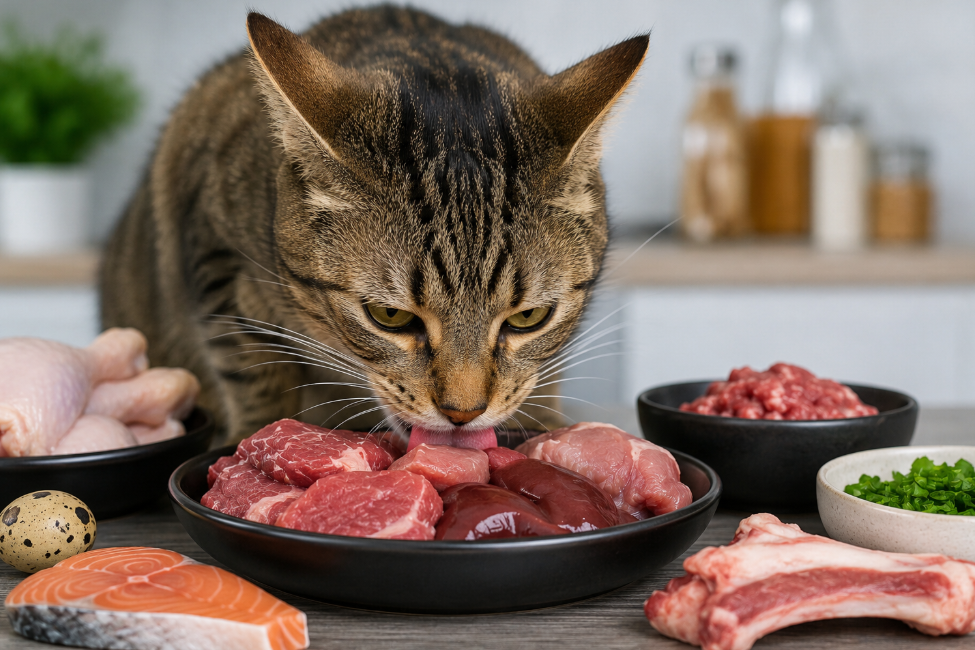
A raw diet for cats is one of the most debated topics in feline nutrition. Some cat owners believe it is the most natural way to feed an obligate carnivore, while many veterinarians warn that raw meat can carry serious health risks. The truth sits somewhere between curiosity and caution. Cats do need animal-based nutrients, but that does not automatically mean uncooked meat is the safest or most balanced choice for every household.
Many owners start looking into raw feeding because their cat has digestive issues, dull fur, picky eating habits, or food sensitivities. Others want to avoid fillers, artificial ingredients, or highly processed foods. Those concerns are understandable. However, feeding a cat is not only about choosing meat. A complete feline diet must include the right balance of protein, fat, vitamins, minerals, amino acids, and moisture.
That is why this topic deserves a clear explanation. A raw diet for cats can mean different things depending on the recipe, source, preparation method, and handling process. Some owners use commercial frozen raw food. Others prepare homemade meals with raw muscle meat, organs, bones, and supplements. Each option carries different benefits and risks, so it is important to understand the full picture before changing your cat’s food.
What a Raw Cat Food Diet Really Means
A raw diet for cats usually includes uncooked animal ingredients such as muscle meat, organ meat, ground bone, and sometimes raw egg or small amounts of added nutrients. The idea behind this feeding style is that cats evolved as hunters. Since cats are obligate carnivores, they depend on nutrients found in animal tissue. Cornell Feline Health Center explains that cats need nutrients from animal products and generally require high protein, moderate fat, and minimal carbohydrates.
However, a homemade raw meal is not the same as a whole prey animal. Wild prey contains bones, organs, blood, connective tissue, moisture, and a natural nutrient balance. When owners recreate that diet at home, small mistakes can create major gaps. For example, too little calcium can affect bones, while too much liver can cause vitamin imbalances. Therefore, raw feeding requires more precision than many people expect.
Commercial raw food may seem easier because it often claims to be complete and balanced. Even so, owners still need to check whether the product meets recognized nutritional standards and suits their cat’s age, health, and lifestyle. Kittens, senior cats, pregnant cats, and cats with kidney disease, diabetes, immune problems, or digestive disorders need extra care.
A raw diet for cats should never be treated like a casual experiment. Unlike dogs, cats have strict nutrient needs and can be sensitive to dietary mistakes. They require taurine, arachidonic acid, vitamin A, and other nutrients in proper amounts. Because of this, any major diet change should be discussed with a veterinarian or board-certified veterinary nutritionist.
Potential Benefits Cat Owners Often Notice
Supporters of a raw diet for cats often point to improved coat quality, better stool consistency, higher moisture intake, and increased enthusiasm at mealtime. Some cats do seem to enjoy the texture and smell of raw food. Since cats can be picky, a food they willingly eat can feel like a major win for owners.
Moisture is another reason raw feeding attracts attention. Cats often have a low thirst drive because they evolved to get much of their water from prey. Dry kibble has far less moisture than fresh or canned food. Therefore, wet diets, including properly prepared raw diets, may help increase water intake. However, canned food can also provide high moisture without the same level of pathogen risk.
Some owners also like that raw meals can be low in carbohydrates. Cats do not need a high-carb diet, and many owners prefer foods centered on animal protein. A raw diet for cats may appeal to people who want more control over ingredients, especially if their cat has known sensitivities. However, ingredient control does not guarantee nutritional balance.
Another possible benefit is smaller, less odorous stools. This may happen when a cat digests more of the food and consumes fewer fillers. Still, stool changes alone do not prove that a diet is healthier. A cat can have firm stool and still miss key nutrients over time.
Raw feeding may also encourage owners to pay closer attention to labels, ingredients, and feeding routines. That awareness can be positive. Yet the same benefit can come from choosing high-quality cooked, canned, or veterinary-formulated diets. In other words, the value often comes from thoughtful feeding, not only from raw food itself.
The Main Risks of Raw Feeding
The biggest concern with a raw diet for cats is foodborne illness. Raw meat can carry bacteria such as Salmonella, Listeria, E. coli, and Campylobacter. The FDA warns that raw pet food can be dangerous to both pets and people, especially because harmful bacteria can spread through handling, bowls, surfaces, and feces.
This risk matters even if a cat looks healthy. Cats may shed bacteria without obvious signs of illness. As a result, people in the home can be exposed without realizing it. The risk is higher for young children, older adults, pregnant people, and anyone with a weakened immune system. Because cats walk on counters, lick their fur, and share living spaces, contamination can spread beyond the food bowl.
The American Veterinary Medical Association discourages feeding raw or undercooked animal-source proteins to cats and dogs because of risks to animal and human health. The organization also supports feeding diets processed in ways that reduce or remove harmful pathogens. This does not mean every raw-fed cat will become sick. However, it does mean the risk is real enough for major veterinary groups to warn against it.
Nutritional imbalance is another major concern. A homemade raw diet for cats can easily become deficient or excessive in key nutrients. For example, feeding mostly muscle meat may not provide enough calcium. Feeding too much bone may cause constipation or mineral imbalance. Too much liver may create vitamin A concerns. These problems may not show up right away, but they can affect long-term health.
Bones can also create physical risks. Ground bone may be part of some raw recipes, but whole bones can break teeth, cause choking, or injure the digestive tract. Even when a cat handles bones well, the risk remains. Therefore, owners should never assume that natural means safe.
Raw fish deserves special caution. Some raw fish can contain enzymes that affect thiamine, an essential B vitamin. A thiamine deficiency can cause serious neurological problems in cats. In addition, raw seafood can carry parasites or bacteria. For this reason, fish-based raw feeding should not be done without expert guidance.
Who Should Avoid Raw Cat Food
A raw diet for cats is usually not a good choice for homes with vulnerable people. If anyone in the household is pregnant, elderly, immunocompromised, or very young, the food safety risk becomes more serious. Even careful handling cannot remove all risk because contamination can occur during storage, feeding, cleanup, or contact with the cat.
Cats with health problems may also need to avoid raw food. Cats with kidney disease, pancreatitis, inflammatory bowel disease, immune disorders, cancer, or diabetes often need carefully managed diets. A sudden switch to raw food may worsen symptoms or interfere with treatment. Therefore, these cats should follow a veterinary-guided plan.
Kittens also need special attention. They grow quickly and require precise nutrition. A poorly balanced homemade raw meal can harm development. Senior cats may also struggle if they have dental pain, digestive sensitivity, or hidden disease. Before feeding raw food to either life stage, owners should get professional advice.
Multi-pet homes can make raw feeding harder too. Dogs may steal cat food, cats may switch bowls, and food may sit out too long. Since raw food should not remain at room temperature for extended periods, feeding routines must be controlled. Busy households may find that difficult.
A raw diet for cats may also be unsuitable for owners who cannot commit to strict hygiene. Safe handling means washing hands, disinfecting surfaces, cleaning bowls after every meal, thawing food properly, and storing food at safe temperatures. If that routine feels unrealistic, a cooked or commercial complete diet may be safer.
How to Reduce Risk If You Still Consider Raw Feeding
Some cat owners will still consider a raw diet for cats after weighing the concerns. If that is the case, the safest first step is a veterinary consultation. Ideally, the plan should involve a board-certified veterinary nutritionist. This helps ensure that the diet meets your cat’s needs and does not rely on guesswork.
Choose products carefully. Look for companies that provide complete nutrient profiles, feeding trials, pathogen control steps, and clear storage instructions. Some commercial raw diets use high-pressure processing or other methods to reduce bacteria. However, reduced risk does not mean zero risk. Owners should still handle these products like raw meat.
Avoid random recipes from blogs, forums, or social media. Many homemade recipes are not nutritionally complete, even if they look healthy. A raw diet for cats should be formulated with proper calcium, phosphorus, taurine, fatty acids, vitamins, and trace minerals. Supplements may be necessary, but they must be used correctly.
Food safety should be strict. Thaw frozen raw food in the refrigerator, not on the counter. Use separate utensils and cutting boards. Wash bowls after each meal. Discard uneaten food quickly. Clean surfaces with safe disinfectants. Also, wash your hands after touching raw food, bowls, packaging, or litter boxes.
Monitor your cat closely during any diet change. Watch for vomiting, diarrhea, constipation, weight loss, itching, dull coat, low energy, or changes in thirst and urination. If symptoms appear, stop and contact your veterinarian. Gradual transitions are usually easier on digestion, but even slow changes can cause problems if the diet does not suit the cat.
Routine veterinary checkups are important as well. Your vet may recommend weight tracking, stool testing, bloodwork, or urine checks. These tests can help catch issues before they become serious. Although this adds cost, it is part of responsible raw feeding.
Safer Alternatives to Raw Feeding
Many cat owners want the perceived benefits of raw feeding without the same level of risk. Fortunately, there are safer options. High-quality canned food can provide moisture, animal protein, and balanced nutrition. For many cats, this is a practical middle ground.
Gently cooked fresh cat food is another option. Cooking reduces many pathogens while still offering a less processed texture than kibble. However, homemade cooked diets also need proper formulation. Meat alone is not enough, whether it is raw or cooked.
Freeze-dried raw food is sometimes marketed as safer, but it still may carry bacteria if it has not been treated properly. Rehydration, handling, and storage still matter. Therefore, owners should not assume freeze-dried means risk-free.
A raw diet for cats is not the only path to better nutrition. If your goal is fewer fillers, better moisture, or clearer ingredients, you can compare complete wet foods, limited-ingredient diets, veterinary therapeutic diets, and cooked fresh formulas. The best option depends on your cat’s health, preferences, and tolerance.
For cats with suspected food sensitivities, an elimination diet guided by a veterinarian may help more than switching to raw food. Many allergy or sensitivity issues require controlled protein exposure. Randomly changing foods can make the problem harder to identify.
Owners should also remember that cats thrive on consistency. Frequent diet changes can upset digestion and create picky eating habits. A steady, complete, balanced food that your cat tolerates well is often better than chasing trends.
Making the Right Choice for Your Cat
Deciding whether to feed a raw diet for cats should not come down to fear or hype. It should come down to your cat’s health, your household risk level, your ability to handle food safely, and your access to professional guidance. Raw feeding may appeal to owners who want a natural, meat-based approach, but it carries concerns that should not be ignored.
The strongest argument for raw feeding is that cats are biologically designed to eat animal tissue. However, the strongest argument against it is that modern homes are not the wild. Raw meat can expose cats and people to pathogens. Homemade recipes can also miss important nutrients. Both issues can have serious consequences.
A balanced view is best. Some cats may do well on carefully formulated commercial raw food under veterinary supervision. Others may do better on canned, cooked, or prescription diets. There is no single perfect food for every cat. What matters most is safety, balance, digestibility, and long-term health.
Before switching, ask your veterinarian specific questions. Is my cat healthy enough for this diet? Does my household have added infection risks? Is this recipe complete and balanced? What signs should I watch for? How often should we check weight, stool, bloodwork, or urine? These questions can help you make a safer decision.
A raw diet for cats can sound simple, but it is actually a serious feeding commitment. It requires careful sourcing, precise formulation, strict hygiene, and ongoing monitoring. If you are not ready for that responsibility, there are safer ways to improve your cat’s diet.
In the end, the best diet is the one that keeps your cat healthy, nourished, and safe. Natural feeding ideas can be useful, but they should never replace science, food safety, or veterinary care. When you balance curiosity with caution, you can choose a feeding plan that supports your cat’s well-being for years to come.
FAQ
1. Is raw feeding safe for every cat?
No, raw feeding is not safe or suitable for every cat. Cats with health issues, kittens, senior cats, and cats in homes with vulnerable people need extra caution. Always speak with a veterinarian before switching diets.
2. Can uncooked meat give cats more nutrients?
Uncooked meat may preserve some nutrients, but that does not make it complete or balanced. Cats need precise amounts of minerals, vitamins, taurine, and fatty acids. Meat alone cannot meet every need.
3. What are the biggest risks of raw cat food?
The biggest risks are bacterial contamination, parasite exposure, nutritional imbalance, and bone-related injuries. These risks can affect both cats and humans in the home.
4. Are commercial raw foods better than homemade recipes?
Commercial raw foods may be more consistent than homemade recipes, especially if they are complete and balanced. However, they can still carry pathogen risks, so safe handling remains important.
5. What is a safer option for cats that need more moisture?
High-quality canned food is often a safer option because it provides moisture and balanced nutrition without the same raw meat handling risks. Gently cooked fresh food may also work when properly formulated.