
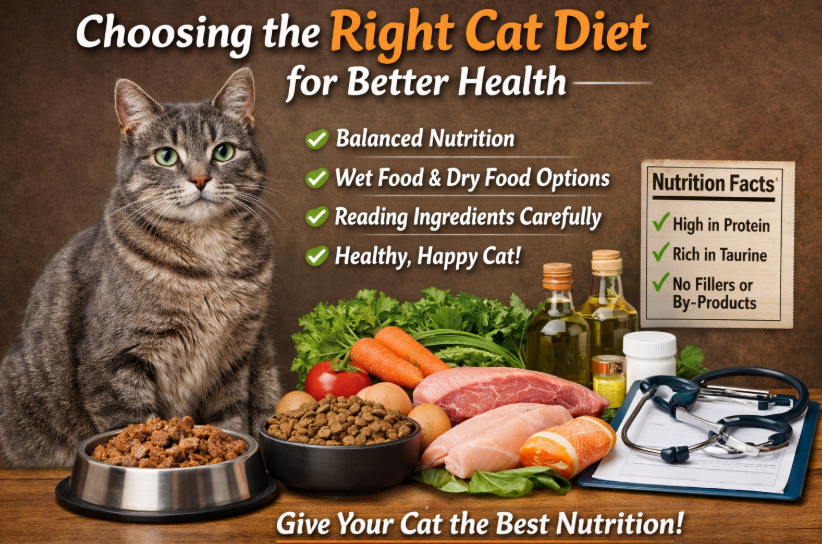
Choosing the right cat diet is one of the most important decisions you can make for your pet’s long-term health. While many cat owners focus on treats, toys, and grooming, nutrition is the foundation that affects everything from energy levels to coat quality. A well-balanced diet not only supports daily vitality but also helps prevent common health issues that can develop over time.
Understanding how to select the right cat diet can feel overwhelming, especially with so many options available. However, once you learn what your cat truly needs, the process becomes much simpler. In this guide, you will discover how to evaluate food choices, understand nutritional needs, and confidently provide your cat with a diet that supports a healthier and happier life.
Understanding Your Cat’s Nutritional Needs
Cats are obligate carnivores, which means they require nutrients that are only found in animal-based proteins. Therefore, the right cat diet must be rich in high-quality meat sources. Unlike dogs or humans, cats cannot thrive on plant-based diets because they need specific amino acids like taurine to maintain heart health and vision.
Protein should be the primary ingredient in any food you choose. In addition, fats provide essential energy, while small amounts of carbohydrates can support digestion. However, too many fillers or grains can reduce the quality of the diet. As a result, reading labels carefully becomes a critical step in choosing the right cat diet.
Hydration is another key factor. Cats naturally have a low thirst drive, so moisture-rich foods can help prevent urinary and kidney issues. Wet food, for instance, often plays an important role in a balanced feeding plan.
Dry Food vs Wet Food: What Works Best
Many pet owners debate whether dry or wet food is better. In reality, the right cat diet often includes a combination of both. Each type offers unique benefits that contribute to overall health.
Dry food is convenient and cost-effective. It also helps reduce plaque buildup on teeth. However, it contains less moisture, which can be a concern for cats that do not drink enough water. On the other hand, wet food provides hydration and is usually more palatable. This makes it especially useful for picky eaters or older cats.
Balancing both options can give your cat the advantages of each. For example, feeding wet food during meals and offering dry food as a supplement can support hydration while maintaining convenience.
How Age Affects Dietary Needs
A cat’s nutritional requirements change throughout its life. Therefore, the right cat diet should always match your pet’s age and life stage. Kittens, adult cats, and senior cats all need different nutrient levels.
Kittens require higher protein and calorie intake to support growth and development. In contrast, adult cats need a balanced diet that maintains weight and energy. As cats age, their metabolism slows down, and they may benefit from lower-calorie foods with added joint support.
Senior cats, in particular, may develop sensitivities or health conditions. For this reason, choosing the right cat diet for older pets often involves easily digestible ingredients and added vitamins. Adjusting food choices as your cat ages helps maintain long-term health and comfort.
Reading Labels and Ingredients Carefully
Pet food labels can be confusing, but learning how to read them is essential. The first ingredient listed should always be a high-quality protein source. If you see vague terms like “meat by-products” or excessive fillers, it may not be the best option.
The right cat diet avoids unnecessary additives, artificial preservatives, and low-quality grains. Instead, look for natural ingredients and clearly defined protein sources such as chicken, turkey, or fish. Additionally, check for essential nutrients like taurine, omega fatty acids, and vitamins.
Understanding ingredient quality allows you to make smarter decisions. Over time, this habit ensures your cat consistently receives better nutrition.
Special Diets for Health Conditions
Some cats require specialized diets due to health concerns. Conditions such as obesity, diabetes, kidney disease, or food allergies can influence what your cat should eat. In these cases, the right cat diet becomes even more important.
For overweight cats, portion control and low-calorie formulas help manage weight. Meanwhile, cats with kidney issues may need reduced phosphorus and protein levels. Food allergies often require limited-ingredient diets that eliminate common triggers.
Consulting a veterinarian is always recommended when dealing with health issues. They can guide you toward the right cat diet that addresses your pet’s specific needs without compromising overall nutrition.
Portion Control and Feeding Habits
Even the best food can cause problems if feeding habits are not managed properly. Therefore, portion control plays a crucial role in maintaining a healthy weight. Overfeeding is one of the most common mistakes among cat owners.
Establishing a consistent feeding schedule helps regulate appetite and digestion. Instead of free-feeding, consider offering measured meals at set times. This approach supports better weight management and allows you to monitor your cat’s eating habits more closely.
The right cat diet includes not only quality ingredients but also proper portion sizes. Paying attention to how much your cat eats each day can prevent obesity and related health issues.
The Role of Treats and Supplements
Treats can be a great way to reward your cat, but moderation is key. Too many treats can disrupt the balance of the right cat diet and lead to weight gain. Ideally, treats should make up no more than 10 percent of your cat’s daily calorie intake.
Supplements, on the other hand, can provide additional health benefits when needed. Omega-3 fatty acids, for example, support skin and coat health. Joint supplements may benefit older cats. However, not all cats require supplements, especially if their diet is already well-balanced.
Before adding anything new, it is best to consult your veterinarian. This ensures that supplements complement the right cat diet rather than interfere with it.
Transitioning to a New Diet Safely
Switching your cat’s food should always be done gradually. Sudden changes can upset the digestive system and cause stress. Therefore, transitioning slowly is essential when introducing the right cat diet.
Start by mixing a small amount of the new food with the current one. Over the course of seven to ten days, gradually increase the proportion of the new food. This method allows your cat to adjust without discomfort.
Monitoring your cat during the transition is important. Look for signs of improved energy, better coat condition, and normal digestion. A smooth transition indicates that you have likely chosen the right cat diet.
Common Mistakes to Avoid
Many cat owners unknowingly make mistakes when choosing food. One common issue is selecting products based solely on marketing claims rather than ingredients. Attractive packaging does not always reflect quality.
Another mistake is ignoring portion sizes. Even healthy food can lead to weight gain if overfed. Additionally, some owners rely too heavily on treats, which can disrupt nutritional balance.
Avoiding these pitfalls helps ensure that your cat receives the right cat diet consistently. Small changes in habits can lead to significant improvements in overall health.
Signs Your Cat Has the Right Diet
It is important to recognize whether your current feeding plan is working. Cats on the right cat diet typically show clear signs of good health. Their coat appears shiny and smooth, and their energy levels remain steady throughout the day.
Healthy digestion is another positive indicator. Regular, firm stools and a good appetite suggest that your cat is receiving proper nutrition. In contrast, dull fur, lethargy, or digestive issues may signal that adjustments are needed.
Regular veterinary checkups can also confirm whether your cat’s diet is appropriate. These visits provide valuable insights into your pet’s overall well-being.
Long-Term Benefits of Proper Nutrition
Choosing the right cat diet has lasting benefits that go beyond daily health. Over time, proper nutrition can reduce the risk of chronic diseases and improve life expectancy. Cats that receive balanced diets are more likely to maintain healthy weights and avoid common conditions.
In addition, good nutrition supports mental well-being. Cats that feel physically healthy tend to be more active and engaged. This leads to a better quality of life for both pets and owners.
Investing in the right cat diet early on creates a strong foundation for long-term health. It is one of the simplest yet most powerful ways to care for your pet.
Conclusion
Selecting the right cat diet is not about choosing the most expensive product or following trends. Instead, it involves understanding your cat’s unique needs and making informed decisions based on quality ingredients and balanced nutrition. By focusing on protein sources, hydration, portion control, and life stage requirements, you can create a diet that supports optimal health.
Consistency is key when it comes to feeding your cat. Small adjustments, such as improving ingredient quality or managing portion sizes, can lead to noticeable improvements over time. Ultimately, providing the right cat diet ensures your pet enjoys a healthier, more energetic, and longer life.
FAQ
- What should I look for in a high-quality cat food?
Look for real meat as the first ingredient, essential nutrients like taurine, and minimal fillers or artificial additives. - Is wet food better than dry food for cats?
Both have benefits, so a combination often works best to provide hydration and convenience. - How often should I feed my cat each day?
Most adult cats do well with two measured meals per day, depending on their activity level and age. - Can I change my cat’s food suddenly?
It is better to transition slowly over several days to avoid digestive upset and stress. - How do I know if my cat’s diet is working?
Healthy weight, shiny coat, steady energy, and good digestion are strong signs of proper nutrition.