
In an era where technology seamlessly integrates into every aspect of our lives, it’s no surprise that smart cat health monitoring is rapidly transforming feline care. The pet care industry is experiencing a significant shift towards advanced health and technology, with the global pet tech market projected to reach a staggering $20 billion by 2026. This growth is driven by a desire among cat owners, particularly Gen Z and Millennials who now account for 53 million U.S. households owning a cat, to be more proactive and informed about their pets’ health. Utilizing feline health tech allows us to move beyond reactive care, offering unprecedented insights into our cats’ daily lives and potential health concerns.
The Rise of Advanced Feline Health Tracking
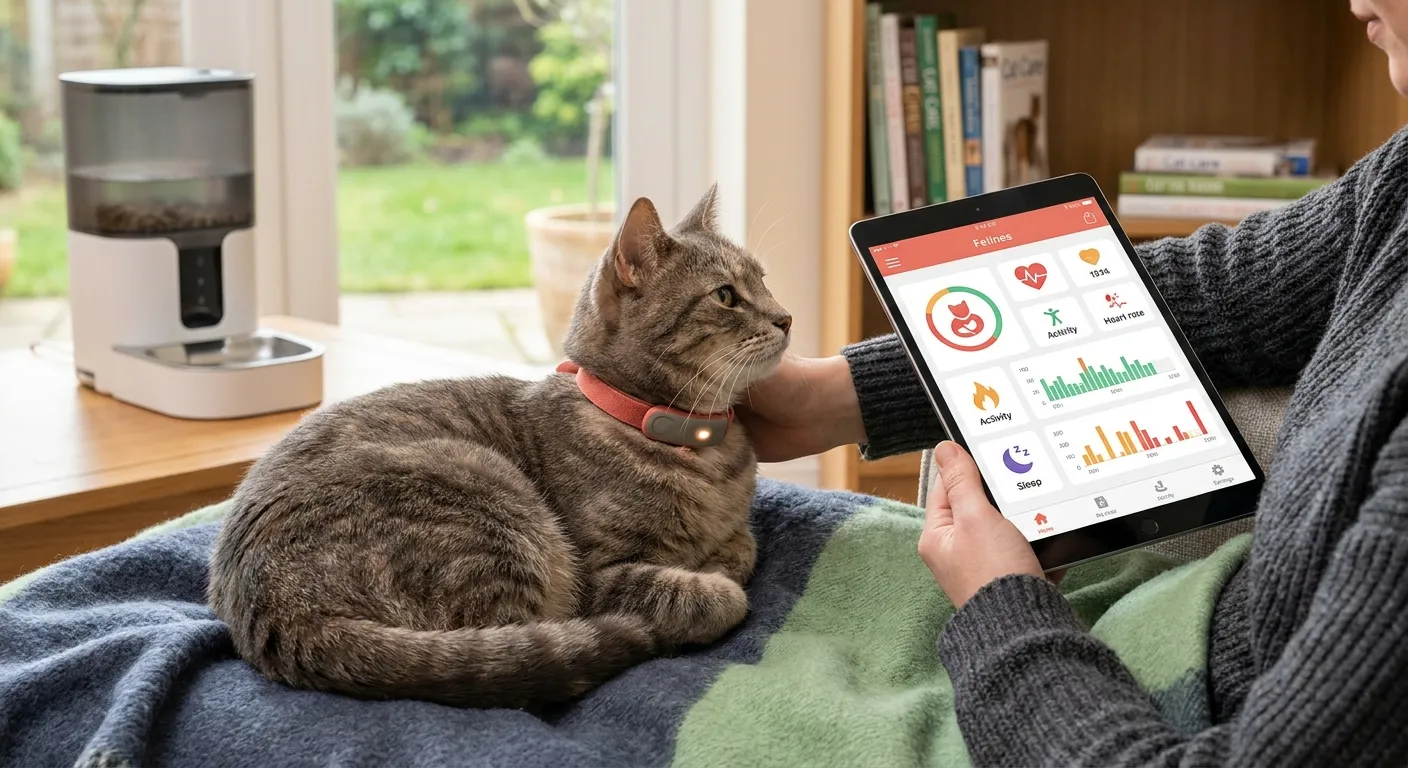
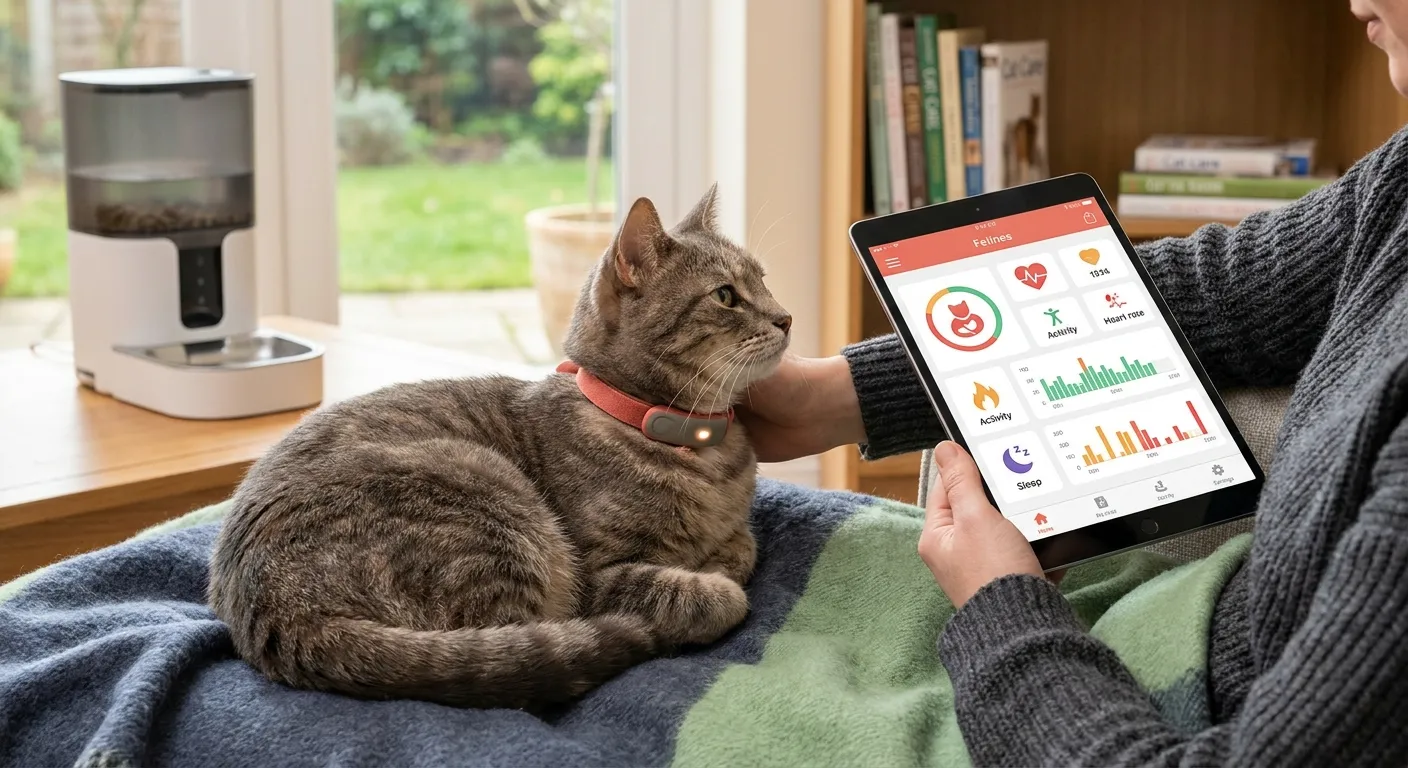
Gone are the days when pet tech was limited to simple GPS trackers. Today’s pet health wearables and smart devices offer a sophisticated array of monitoring capabilities. Companies like PetPace, Fi, and FitBark are advancing smart collars beyond simple location tracking to measure vital signs such as temperature, heart rate, and respiration. These devices also meticulously track activity levels, sleep quality, and can even detect subtle behavioral changes that might signal an underlying illness. This advanced pet monitoring empowers owners to understand their cat’s baseline health and spot deviations much earlier than traditional methods.
Furthermore, the data collected from these devices can offer a comprehensive overview of your cat’s daily routine. For instance, consistent tracking allows you to identify what is normal for your pet. Consequently, any departure from this norm can be a clear indicator to investigate further. This proactive approach supports overall feline well-being significantly.
How Wearables and Devices Operate
The innovation behind these devices lies in their sophisticated sensors and algorithms. Embedded within collars or other unobtrusive forms, these sensors continuously collect data on various physiological and behavioral metrics. For example, a sudden drop in activity or a prolonged period of restlessness could indicate pain or discomfort. Changes in sleep patterns might point to stress or a developing health issue. The data is then transmitted to a mobile app, providing owners with real-time insights and historical trends, allowing for data-driven discussions with veterinarians.
Moreover, these devices often feature user-friendly interfaces. This makes it easier for cat owners to interpret complex data. Many apps also offer personalized alerts, notifying you immediately of any concerning changes. Therefore, you can respond promptly to potential health issues, enhancing your cat’s care.
Smart Litter Boxes: Essential for Digestive and Urinary Health
Perhaps one of the most innovative advancements in digital cat care comes in the form of smart litter boxes. Devices like SiiPet’s LitterLens utilize AI-powered technology to monitor toilet health. They track usage patterns, frequency, and even the characteristics of waste, alerting owners to changes that could signify common feline health problems such as urinary tract infections (UTIs), constipation, or diarrhea. This proactive AI pet health monitoring can be crucial for early detection, especially for conditions where symptoms might otherwise go unnoticed until they become severe.
In addition, monitoring litter box habits is a key component of understanding recognizing early signs of illness in cats. For example, increased urination frequency might signal a UTI, while straining could indicate constipation. Smart litter boxes automate this observation, providing objective data. This can be invaluable for your veterinarian.
The Role of AI and Telemedicine in Feline Care
Beyond physical devices, artificial intelligence (AI) and telemedicine are revolutionizing how we access veterinary care. Telemedicine tools are becoming standard practice, offering virtual consultations with veterinarians. This convenience means you can discuss your cat’s health data and receive professional advice without leaving your home. AI also plays a role in analyzing the vast amounts of data collected by monitoring devices, identifying patterns that might be too subtle for the human eye to detect.
Specifically, AI algorithms can process information from various sources, including wearables and smart litter boxes. This holistic view helps in creating more accurate health profiles for your cat. Consequently, veterinarians can make more informed decisions regarding treatment plans. This integration represents a significant step forward in personalized pet care.
Preventative Care with Smart Cat Health Monitoring
The true power of smart cat health monitoring lies in its ability to facilitate preventative care. By continuously tracking vital signs, activity, and behavior, these tools allow owners and veterinarians to intervene before minor issues escalate into serious health problems. For instance, a gradual decrease in activity levels might prompt a discussion about joint health or weight management. Similarly, subtle changes in heart rate could indicate an emerging cardiac condition.
Moreover, this proactive approach aligns perfectly with the principles of understanding preventative cat care. Regular monitoring helps maintain optimal health, potentially extending your cat’s lifespan. Identifying potential issues early on can also reduce the need for more invasive or costly treatments later. This makes feline wellness tech a valuable investment.
Choosing the Right Feline Health Monitoring Devices
With a growing market, selecting the appropriate health monitoring devices for your cat can seem daunting. Consider your cat’s specific needs, breed, age, and lifestyle. For example, an active outdoor cat might benefit more from a robust GPS and activity tracker, while an older indoor cat could benefit from a smart litter box and sleep monitor. Always read reviews and consult with your veterinarian before making a purchase.
It is also important to consider the user-friendliness of the accompanying app. An intuitive interface ensures you can easily access and understand the data. Furthermore, check for compatibility with your existing devices. This will ensure a seamless experience in your daily routine.
Benefits of Integrating Smart Pet Tech into Your Routine
Integrating feline health technology into your daily routine offers numerous advantages. Firstly, it provides peace of mind, knowing you have a constant eye on your cat’s well-being. Secondly, it fosters a stronger bond between you and your pet, as you become more attuned to their needs and subtle cues. Thirdly, it empowers you to be a more informed advocate for your cat’s health, leading to better discussions with your vet.
Additionally, these devices can be particularly helpful for managing chronic conditions. For example, if your cat has diabetes, a device that tracks activity and sleep could help monitor their energy levels. This information, in turn, assists in adjusting their care plan as needed. Therefore, technology truly supports comprehensive health management.
Addressing Concerns: Data Privacy and Accuracy
As with any technology that collects personal data, concerns about privacy and data accuracy are valid. Reputable pet tech companies prioritize data security, often employing encryption and secure cloud storage. Always research a company’s privacy policy before committing to a device. Regarding accuracy, while these devices offer valuable insights, they are not a substitute for professional veterinary diagnosis. They serve as complementary tools, providing data that can inform veterinary assessments.
For instance, while a smart collar might detect an elevated heart rate, a veterinarian will still need to perform a physical exam to determine the underlying cause. Therefore, these tools are best used in conjunction with regular vet check-ups. They enhance, rather than replace, professional medical care.
The Future of Smart Cat Health Monitoring
The landscape of smart cat health monitoring is continuously evolving. We can anticipate even more sophisticated sensors, enhanced AI capabilities, and seamless integration with veterinary systems. Imagine a future where your cat’s health data is automatically shared with your vet, allowing for immediate intervention when necessary. The potential for truly personalized and preventative feline care is immense, promising healthier and happier lives for our beloved companions.
One area of significant development is non-invasive monitoring. Researchers are exploring ways to gather health data without requiring wearables, perhaps through environmental sensors in the home. This would further reduce any potential stress for the cat. Consequently, the future holds exciting possibilities for feline health innovation.
Another advancement could involve predictive analytics. AI models might soon be able to forecast potential health issues based on accumulated data and genetic predispositions. This would allow for even earlier interventions. Thus, the proactive nature of pet care will only strengthen.
Real-World Impact of Feline Health Tech
Consider the story of Luna, a senior cat whose owners noticed a subtle but consistent decrease in her water intake through a smart water fountain. This early alert prompted a vet visit, revealing a mild kidney issue that was promptly managed. Without the smart monitoring, this vital sign change might have gone unnoticed until more severe symptoms appeared. This illustrates how feline health tech can make a tangible difference in a cat’s life.
Similarly, a cat named Oliver, known for his playful nature, suddenly showed reduced activity on his smart collar. His owners immediately consulted their vet, who diagnosed an early stage of arthritis. Thanks to the early detection provided by the activity tracker, Oliver received timely treatment, allowing him to maintain a good quality of life. These examples highlight the practical benefits of advanced pet monitoring.
The integration of technology into cat care is not just a trend; it’s a fundamental shift towards more informed, proactive, and compassionate pet ownership. By embracing smart cat health monitoring, we are equipping ourselves with powerful tools to ensure our feline friends lead long, healthy, and joyful lives. The future of feline well-being is indeed looking brighter with these innovations.
It is important to remember that while technology offers incredible support, it should always complement your direct observations and your veterinarian’s expertise. Your bond with your cat remains paramount. Technology simply provides additional layers of insight, reinforcing your ability to provide the best possible care for your cherished companion. This comprehensive approach ensures all aspects of your cat’s health are considered.
Conclusion: Embracing a Healthier Future for Cats
The journey towards optimal feline health is continually evolving, and smart cat health monitoring stands at the forefront of this progression. From smart collars tracking vital signs to AI-powered litter boxes analyzing waste, these innovations provide unprecedented visibility into our cats’ well-being. By embracing these advancements, cat owners can move beyond reactive care, adopting a proactive stance that prioritizes early detection and preventative measures. This commitment to leveraging technology for health empowers us to foster happier, healthier, and longer lives for our beloved feline companions. The integration of such tools signifies a profound step forward in pet care, reflecting our deep dedication to their health and happiness.
FAQ Section
What devices are available for monitoring a cat’s health?
Many devices exist today. These include smart collars that track activity, sleep, and vital signs, as well as smart litter boxes that monitor waste patterns and frequency. Smart feeding bowls can also track food intake. These tools offer a comprehensive overview of your cat’s daily habits.
How do health monitoring devices help with preventative care?
These devices provide continuous data on your cat’s baseline health. They can alert you to subtle changes in behavior or physiological metrics that might indicate an emerging health issue. Early detection allows for prompt veterinary intervention. This often prevents conditions from becoming more severe.
Can these technologies replace regular vet visits?
No, feline health technology complements, but does not replace, regular veterinary check-ups. The data from these devices offers valuable insights for your veterinarian. However, professional diagnosis and physical examinations remain essential for comprehensive feline care. They work best together.
Are smart litter boxes effective for detecting specific health problems?
Yes, smart litter boxes are highly effective for detecting changes in urinary and digestive health. They can track frequency, volume, and consistency of waste. This information helps identify potential issues like urinary tract infections, constipation, or diarrhea. They serve as an early warning system.
What should I consider when choosing a pet health monitoring system?
When selecting a system, consider your cat’s specific needs, age, and lifestyle. Evaluate the device’s features, the user-friendliness of its accompanying app, and its data privacy policies. Always consult your veterinarian for recommendations. This ensures you choose the best fit for your feline friend.