Understanding how cat diet affects mood is essential if you want a happier and more balanced pet. Many cat owners focus on physical health, yet emotional well-being is just as important. Interestingly, what your cat eats plays a major role in shaping behavior, energy levels, and even social interaction. When nutrition is balanced, cats tend to feel calmer, more playful, and more engaged with their surroundings.
However, when the diet lacks essential nutrients, subtle changes can begin to appear. For example, your cat may become irritable, withdrawn, or unusually restless. These shifts often happen gradually, so they are easy to overlook. By learning how cat diet affects mood, you can identify these patterns early and make changes that improve both behavior and quality of life.
The Link Between Nutrition And Emotional Balance
There is a strong connection between nutrition and emotional stability, and this is where cat diet affects mood in a noticeable way. Cats rely on specific nutrients to regulate brain function, including amino acids, fatty acids, and vitamins. When these nutrients are present in the right balance, they support healthy neurotransmitters that influence mood and behavior.
On the other hand, poor nutrition can disrupt this balance. For instance, diets low in protein may reduce energy and cause lethargy. Similarly, deficiencies in certain vitamins can lead to anxiety or unusual aggression. Because of this, even small dietary imbalances can have a direct impact on how your cat feels and behaves.
In addition, consistent feeding routines help maintain emotional stability. Cats thrive on predictability, so regular meal times can reduce stress and create a sense of security. This further shows how cat diet affects mood beyond just the food itself.
Signs Your Cat’s Diet May Be Affecting Behavior
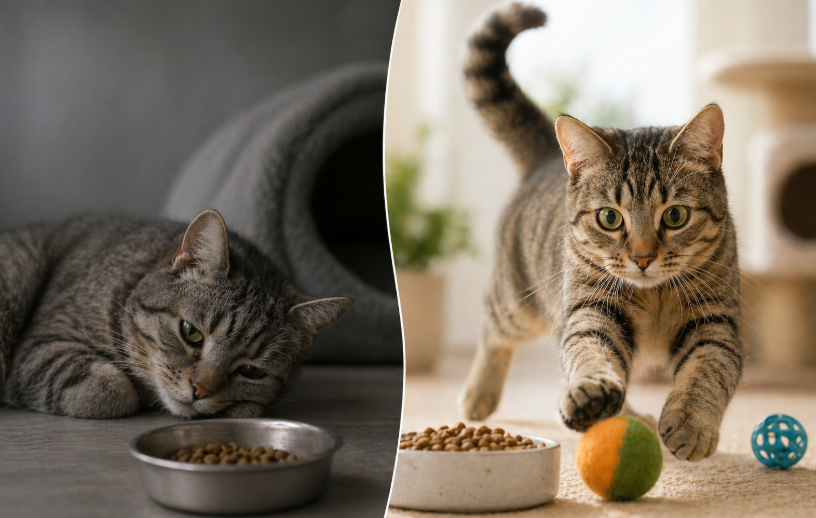
Recognizing the signs that cat diet affects mood can help you take action before problems worsen. One common sign is a sudden change in energy levels. If your cat becomes unusually hyperactive or overly tired, it may be linked to nutritional imbalances.
Another clear signal involves mood swings. A friendly cat that becomes aggressive or a playful cat that turns withdrawn may be reacting to dietary issues. Additionally, excessive vocalization or changes in sleep patterns can indicate discomfort or stress related to food.
Digestive problems also play a role. When cats experience discomfort from poor digestion, it often affects their behavior. They may become irritable or avoid interaction. By paying attention to these signs, you can better understand how cat diet affects mood and respond accordingly.
Key Nutrients That Influence Mood And Behavior
To fully understand how cat diet affects mood, it is important to look at specific nutrients that support emotional health. Protein is one of the most important components, as it provides amino acids that help regulate brain function. Without enough protein, cats may experience low energy and reduced motivation.
Omega-3 fatty acids also play a significant role. These healthy fats support brain health and can help reduce anxiety and inflammation. As a result, cats with balanced fatty acid intake often display calmer and more stable behavior.
Vitamins and minerals are equally important. For example, B vitamins support the nervous system, while magnesium can help regulate stress responses. When these nutrients are lacking, behavioral issues may begin to appear. Therefore, ensuring a balanced diet is essential if you want to improve how cat diet affects mood in a positive way.
The Impact Of Poor Diet Choices
Not all cat foods are created equal, and poor diet choices can quickly show how cat diet affects mood in negative ways. Highly processed foods with low nutritional value may fill your cat’s stomach, but they often fail to support overall health. Over time, this can lead to irritability, low energy, and even long-term health issues.
Inconsistent feeding habits can also create stress. Feeding your cat at irregular times or frequently changing food brands may cause confusion and discomfort. As a result, your cat may become anxious or display unusual behaviors.
Additionally, overfeeding or underfeeding can impact mood. Cats that are overweight may feel sluggish, while those that are underfed may become restless or aggressive. Maintaining proper portion sizes helps create balance and supports both physical and emotional health.
How To Improve Your Cat’s Mood Through Diet
If you want to improve your cat’s well-being, focusing on how cat diet affects mood is a great place to start. Begin by choosing high-quality food that contains the right balance of protein, fats, and essential nutrients. Look for options that are specifically formulated for your cat’s age and lifestyle.
Gradual changes are important when switching diets. Sudden transitions can upset your cat’s digestive system and create stress. Instead, introduce new food slowly over several days. This allows your cat to adjust comfortably and reduces the risk of negative reactions.
Hydration is another key factor. Cats often do not drink enough water, so including wet food in their diet can help maintain proper hydration. This supports digestion and overall comfort, which in turn improves mood.
Consistency is also essential. Feeding your cat at the same times each day creates a sense of routine and stability. Over time, this routine helps regulate behavior and reinforces positive habits.
The Role Of Environment And Feeding Routine
While nutrition is important, the environment also influences how cat diet affects mood. A calm and comfortable feeding area can reduce stress and encourage healthy eating habits. Avoid placing food near loud or busy areas, as this may cause anxiety.
Interactive feeding methods, such as puzzle feeders, can also improve behavior. These tools provide mental stimulation and prevent boredom, which is especially important for indoor cats. As a result, your cat becomes more engaged and less likely to develop negative habits.
Moreover, observing your cat during feeding time can provide valuable insights. Notice how quickly they eat, whether they seem satisfied, and if any behaviors change. These observations help you understand how cat diet affects mood in real time.
When To Seek Professional Advice
Although many dietary changes can be managed at home, there are times when professional guidance is necessary. If you notice persistent behavioral issues, it may be time to consult a veterinarian. They can evaluate your cat’s diet and recommend adjustments based on specific needs.
Medical conditions can also influence behavior, so it is important to rule out underlying health issues. A vet may suggest specialized diets or supplements to address specific concerns. By working with a professional, you gain a clearer understanding of how cat diet affects mood and how to improve it safely.
Conclusion
Understanding how cat diet affects mood gives you a powerful tool to improve your cat’s life. By focusing on balanced nutrition, consistent routines, and careful observation, you can create an environment where your cat feels secure, energetic, and content. Small changes in diet can lead to noticeable improvements in behavior, making your pet happier and more engaged.
Ultimately, your cat’s emotional well-being is closely tied to what they eat. When you make thoughtful choices and stay attentive to their needs, you support both their physical health and their overall happiness. This proactive approach ensures that your cat enjoys a more balanced and fulfilling life.
FAQ
- Can food really change my cat’s behavior?
Yes, nutrition plays a major role in energy levels, mood, and overall behavior in cats. - What type of diet is best for a calm and happy cat?
A balanced diet with high-quality protein, healthy fats, and essential nutrients supports stable behavior. - How quickly can diet changes affect mood?
Some changes can be noticed within days, but full effects often take a few weeks. - Should I switch my cat’s food suddenly?
No, gradual transitions are best to avoid digestive issues and stress. - When should I consult a vet about diet-related behavior?
If behavioral changes persist or worsen, a vet can provide tailored advice and rule out health issues.