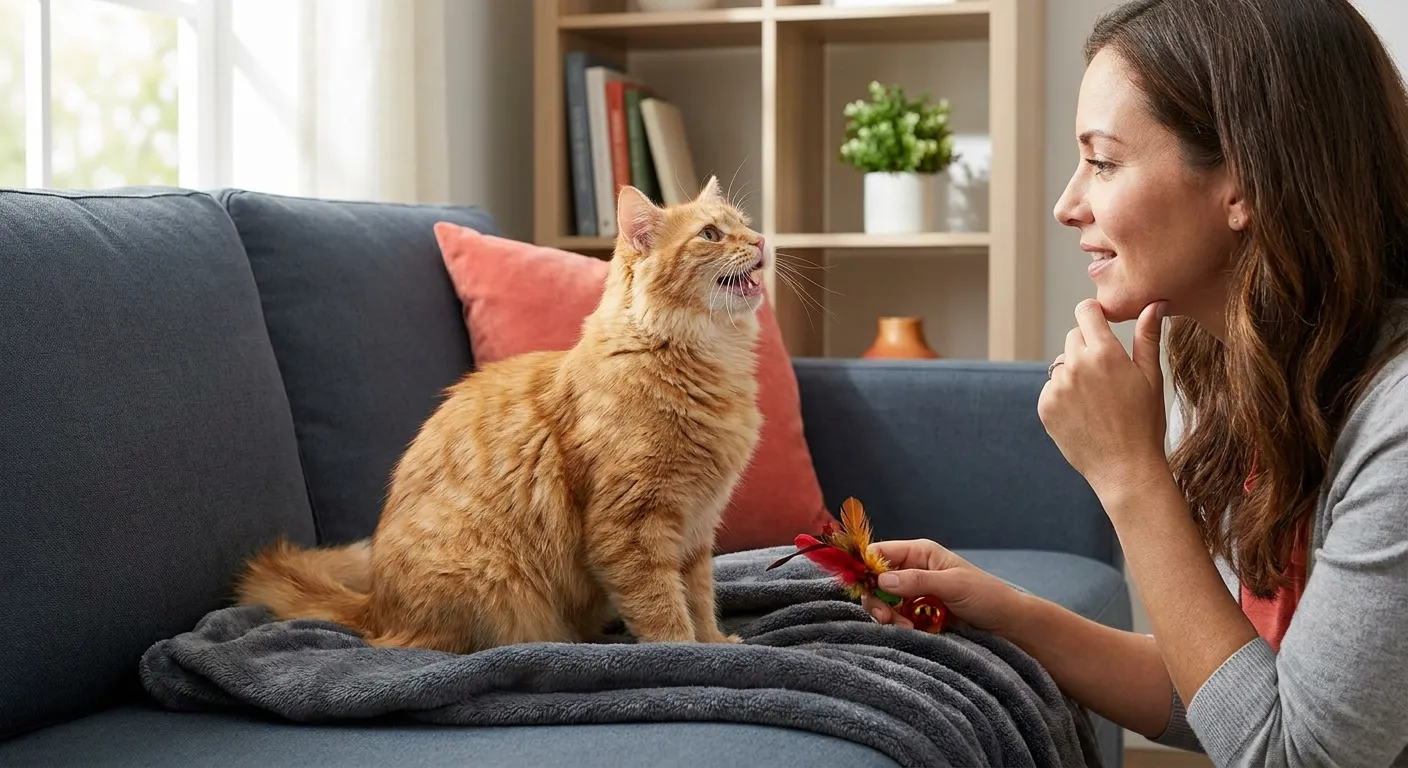
Cats communicate in many fascinating ways, but meowing stands out as one of their most direct forms of vocal interaction with humans. If you’ve ever found yourself pondering, “Why cat meows?” excessively, you are certainly not alone. Understanding the specific reasons behind your feline’s vocalizations is absolutely crucial for fostering a stronger bond and, more importantly, ensuring their overall well-being. Interestingly, unlike their wild counterparts, domestic cats primarily meow to communicate directly with people, making it a truly unique aspect of our shared lives with them.
Understanding Why Cat Meows: Common Vocal Cues
There are numerous reasons behind why cat meows, and deciphering these often depends significantly on the immediate context and the specific type of meow. For instance, a short, high-pitched meow might simply be a friendly greeting. Conversely, a prolonged, insistent meow could clearly indicate hunger or a demand for immediate attention. Some cats, furthermore, meow merely to express pure happiness or excitement, especially during lively playtime sessions. However, it is also important to recognize that meowing can signal discomfort or even distress. Pain, anxiety, boredom, or a strong desire for something specific—such as access to a particular room or a favorite toy—are all common triggers for increased vocalization. Therefore, observing your cat’s body language alongside their meows can provide invaluable further clues. Is their tail held high or tucked low? Are their ears flattened back or perked forward? These subtle cues truly help paint a complete and accurate picture of their intended message.
When Excessive Meowing Becomes a Concern
While some cats are naturally more talkative than others, a sudden and noticeable increase in the frequency or intensity of meowing warrants careful attention. For example, if your cat begins meowing excessively, especially during the quiet hours of the night, or if their meows sound distinctly distressed or painful, it could indeed be a sign of an underlying health issue. Conditions such as hyperthyroidism, kidney disease, or even cognitive dysfunction in older cats can certainly lead to increased vocalizations. Additionally, anxiety, stress, or a lack of environmental enrichment can contribute significantly to excessive meowing. Consequently, if you observe a significant change in your cat’s meowing habits, or if it is accompanied by other concerning symptoms, it is always best to consult your veterinarian promptly. They can effectively rule out medical causes and then suggest appropriate behavioral strategies to manage the situation effectively.
The Language of Meows: Decoding Different Sounds
Cats possess a surprisingly diverse vocal repertoire, and each meow variation often carries a distinct meaning. A soft, trilling meow, for example, is frequently an affectionate greeting. Meanwhile, a louder, more insistent meow often signals a demand, perhaps for food or attention. A low, rumbling meow, also known as a purr-meow, typically indicates contentment or a desire for petting. On the other hand, a sudden, sharp yowl or caterwaul is usually a sign of distress, pain, or aggression, particularly during territorial disputes or mating calls. Recognizing these different vocalizations helps you better understand why cat meows in various situations. Furthermore, paying attention to the context—what is happening around your cat when they meow—is absolutely essential for accurate interpretation. Is it mealtime? Are you about to leave the house? These factors provide crucial context.
Environmental Factors and Cat Meows
The environment plays a significant role in feline behavior, including why cat meows. Cats are creatures of habit, and any disruption to their routine or surroundings can trigger vocalizations. Moving to a new home, introducing a new pet, or even rearranging furniture can cause stress and lead to increased meowing. Boredom is another common environmental factor. Cats, particularly indoor cats, require mental and physical stimulation. A lack of engaging toys, climbing structures, or interactive play can result in your cat meowing out of sheer boredom or to solicit interaction. Therefore, providing a stimulating environment with plenty of opportunities for play and exploration is vital for a happy, quiet cat. Consider adding puzzle feeders, scratching posts, and perches where your cat can observe their surroundings. These simple additions can significantly reduce unwanted vocalizations.
Addressing Excessive Meowing: Practical Strategies
Once you’ve ruled out medical causes with your veterinarian, you can begin to address excessive meowing through behavioral modification. Consistency is key when trying to alter your cat’s vocal habits. If your cat meows for attention, it’s important not to reward the meowing itself. Instead, wait for a moment of quiet before giving them attention or playtime. This teaches them that silence is rewarded, not incessant vocalization. If your cat meows for food, establish a strict feeding schedule and stick to it. Avoid free-feeding if meowing is related to hunger. Puzzle feeders can also help extend meal times and provide mental stimulation. For cats meowing due to boredom, increase playtime and provide more enrichment. Interactive toys, regular play sessions with you, and even catnip can help alleviate boredom. For nocturnal meowing, ensure your cat has had plenty of activity during the day and a comfortable, safe sleeping spot. Some owners find success with automatic feeders for early morning hunger meows. Additionally, consider consulting a certified feline behaviorist for personalized guidance, especially if the problem persists. They can offer tailored strategies for your specific situation.
The Aging Cat and Increased Vocalizations
As cats age, their behavior can change in various ways, and an increase in meowing is a common observation. Older cats may experience cognitive dysfunction syndrome (CDS), often referred to as feline dementia. This condition can lead to disorientation, anxiety, and increased vocalizations, particularly at night. They might wander aimlessly, seem confused, and meow more frequently. Arthritis and other age-related pains can also cause discomfort, leading to a cat meowing for attention or relief. Furthermore, sensory decline, such as hearing or vision loss, can make older cats feel more vulnerable and lead them to vocalize more to locate their owners or express their insecurity. If your senior cat starts meowing more, a veterinary check-up is essential to rule out treatable medical conditions and discuss supportive care options for age-related issues. Your vet can suggest pain management, dietary changes, or medications to help manage CDS symptoms.
The Role of Breed in Feline Vocalizations
It’s worth noting that some cat breeds are naturally more vocal than others. Siamese cats, for example, are renowned for their loud, distinctive, and frequent meows, often described as conversations. Oriental Shorthairs, Bengals, and Sphynx cats are also known for being quite talkative. These breeds often have a strong desire to communicate with their human companions and will use their voices to express a wide range of emotions and demands. On the other hand, breeds like the British Shorthair or Persian are generally considered quieter and less prone to frequent meowing. Therefore, understanding your cat’s breed characteristics can provide insight into their natural propensity for vocalization. If you have a naturally chatty breed, a certain level of meowing is to be expected and is simply part of their charm. However, even in vocal breeds, a sudden change in meowing patterns should still be investigated.
Building a Stronger Bond Through Understanding
Ultimately, understanding why cat meows is about strengthening the bond you share with your feline companion. By paying close attention to their vocalizations, body language, and the context of their meows, you become better equipped to meet their needs and respond appropriately. This deepened understanding fosters trust and reinforces your role as a caring and responsive owner. Remember, a meow is rarely just a sound; it’s a message, an attempt to communicate something important. Whether it’s a plea for food, a demand for attention, an expression of joy, or a signal of distress, each meow carries meaning. By taking the time to decipher these messages, you are not only ensuring your cat’s physical health but also nurturing their emotional well-being. This proactive approach to understanding your cat’s vocal cues will undoubtedly lead to a happier, healthier, and more harmonious life together.
When to Consult a Veterinarian
While many reasons for why cat meows are benign, there are specific instances when professional veterinary advice is crucial. If your cat’s meowing is sudden, persistent, and accompanied by other symptoms such as changes in appetite, litter box habits, lethargy, aggression, or hiding, a vet visit is imperative. Furthermore, if the meowing sounds distressed, painful, or unusually loud and urgent, do not delay seeking medical attention. Older cats who suddenly become excessively vocal, especially at night, should also be evaluated for age-related conditions. Early diagnosis and treatment can significantly improve your cat’s quality of life and prevent potential health issues from escalating. Your veterinarian can perform a thorough examination, conduct necessary tests, and provide an accurate diagnosis, offering peace of mind and the best course of action for your beloved pet. For more information on feline health, consider resources like the ASPCA’s guide to common cat diseases or the Cornell Feline Health Center.
Conclusion
Deciphering why cat meows is a journey of observation, understanding, and responsiveness. From simple greetings to urgent pleas, each vocalization offers a glimpse into your cat’s world and their immediate needs. By being attentive to the nuances of their meows, considering environmental factors, and recognizing when medical intervention might be necessary, you empower yourself to be the best possible caregiver. Your cat relies on you to understand their unique language, and by doing so, you build an unbreakable bond based on mutual respect and affection. Continue to observe, learn, and respond to your feline friend, ensuring they live a life filled with happiness and optimal health.
FAQ Section
Why does my cat meow continuously?
Cats may meow continuously for various reasons, including seeking attention, expressing hunger, boredom, or anxiety. Sometimes, it can also signal discomfort or an underlying medical issue. Observe their body language and the context to understand their message.
Is excessive feline vocalization a sign of illness?
Yes, sometimes. A sudden or significant increase in your cat’s vocalizations, especially if it sounds distressed or is accompanied by other behavioral changes, can indeed be a symptom of an underlying health problem. It’s best to consult a veterinarian to rule out medical causes.
How can I stop my cat from meowing at night?
To reduce nocturnal meowing, ensure your cat receives plenty of playtime and mental stimulation during the day. Establish a consistent feeding schedule, and avoid rewarding night meows with attention or food. Providing a comfortable sleeping area can also help.
Do certain cat breeds talk more than others?
Absolutely. Some cat breeds are naturally more vocal. Siamese cats, for example, are famously chatty, often engaging in long “conversations” with their owners. Other vocal breeds include Oriental Shorthairs and Bengals, while breeds like British Shorthairs tend to be quieter.
What does it mean when my cat makes a trilling sound?
A trilling sound from your cat is generally a positive vocalization. It’s often a sign of affection, a friendly greeting, or an invitation to interact. It’s a soft, rolling sound that typically indicates contentment and a desire for social interaction.
Explore more: More from Best Cat Care