
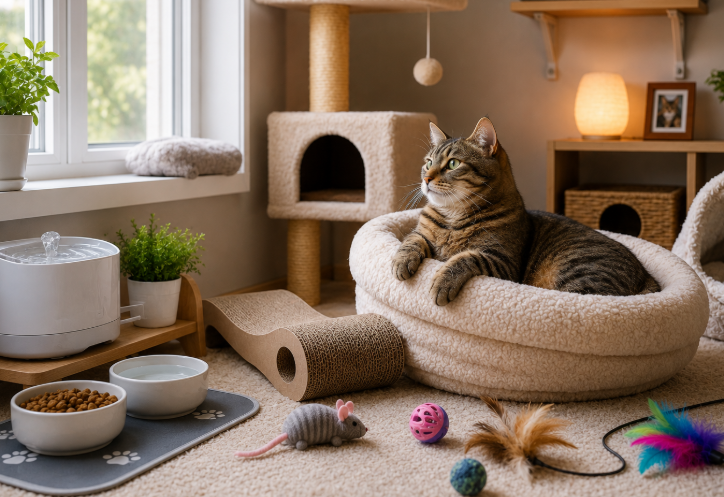
Training your cat home alone starts with understanding how cats handle change, routine, and separation. Many people think cats are naturally independent, but that does not mean they enjoy sudden long periods without their favorite person nearby. Some cats stay relaxed when left for a few hours, while others become anxious, vocal, clingy, destructive, or withdrawn. Because every cat has a different personality, the best approach is slow, gentle, and predictable. Instead of leaving suddenly and hoping your cat adjusts, you can build comfort through short practice sessions, safe spaces, food routines, enrichment, and calm returns.
Cats feel safest when life follows a pattern. They learn when meals happen, where they nap, which windows they watch, and how your daily movements usually flow. When that pattern changes, some cats become stressed. This can happen when you start working outside the home, travel more often, or leave for longer errands. However, with a thoughtful plan, your cat can learn that alone time is normal and safe.
The goal is not to make your cat ignore you or stop needing attention. Instead, the goal is to help your cat feel secure when you are away. A confident cat can rest, explore, eat, play, and use the litter box without panic. This kind of independence grows through trust. Therefore, training a cat home alone should feel calm and supportive, not rushed or forced.
Before you begin, watch your cat’s current behavior. Does your cat follow you from room to room? Do they cry when you close a door? Are they destructive when bored? Do they hide when the house feels quiet? These clues can help you choose the right starting point. A relaxed cat may only need light routine practice, while a nervous cat may need slower training and more comfort tools.
Why Cats Struggle With Alone Time
Some cats struggle with alone time because they depend on routine, scent, sound, and familiar interaction. Although cats may seem private, many form strong bonds with their people. They may enjoy your voice, your movement through the home, and the comfort of knowing you are nearby. When you suddenly leave for long stretches, the house can feel different and less predictable.
Kittens, rescue cats, senior cats, and highly social cats may need extra support. A kitten may not yet understand that you always come back. A rescue cat may have past experiences with abandonment or unstable homes. Meanwhile, a senior cat may feel less confident because of pain, hearing changes, vision changes, or medical issues. In these cases, training should move even more slowly.
Stress signs can look different from cat to cat. Some cats meow loudly, scratch doors, knock things over, or overgroom. Others hide, stop eating, sleep more, or avoid the litter box. Because cats often hide discomfort, quiet behavior does not always mean your cat is fine. You need to look at patterns instead of one single reaction.
Boredom can also create problems. A cat left alone with no stimulation may search for entertainment in unsafe ways. They may chew cords, climb curtains, open cabinets, or scratch furniture. However, this behavior does not mean your cat is bad. It often means their environment needs more safe outlets for energy and curiosity.
To help your cat home alone, begin with the idea that independence is a skill. Like any skill, it improves with practice. Short, positive sessions teach your cat that your absence is temporary. Over time, your cat learns that nothing scary happens when you leave.
Start With Short Practice Sessions
The easiest way to train alone time is to start small. Leave your cat in a comfortable room for a few minutes while you stay nearby. You might step into another room, close the door briefly, and return before your cat becomes upset. At first, the goal is not a long absence. The goal is calm repetition.
Keep your departures boring. Do not make a big emotional goodbye, because this can signal that something unusual is happening. Instead, act normal. Pick up your keys, step away, and return calmly. When you come back, avoid dramatic greetings. A calm return teaches your cat that leaving and coming back are ordinary parts of the day.
Gradually increase the time. If your cat handles five minutes well, try ten. Then try fifteen or twenty. Move at your cat’s pace. If your cat cries, scratches, or panics, the session may be too long. Shorten the next practice round and make it easier. Progress works best when your cat stays below their stress limit.
Practice departure cues too. Many cats learn that shoes, bags, coats, or keys mean you are leaving. If those cues always predict a long absence, your cat may become anxious before you even reach the door. To reduce this reaction, pick up your keys and sit down. Put on your shoes and stay home. Touch your bag, then offer a treat or play session. These small exercises make departure cues feel less alarming.
Food can help create a positive link. Before leaving for a short practice session, offer a small treat puzzle, lick mat, or measured snack. This gives your cat something pleasant to do as you go. However, use food carefully if your cat has a medical diet or weight concerns. The reward should fit your cat’s normal feeding plan.
A predictable schedule also helps. If you can, practice around the same time each day. Cats learn through repetition, so a steady rhythm builds trust. Over time, a cat home alone can become calmer because the routine feels familiar instead of sudden.
Create a Safe and Comforting Space
Your cat’s environment has a huge effect on alone-time success. A safe space should include cozy resting spots, water, a clean litter box nearby, scratching surfaces, and places to hide. It should also feel quiet, stable, and familiar. If your cat already loves a certain room, use that area as the main comfort zone.
Do not lock your cat in a room they dislike. This can make alone time feel like punishment. Instead, build comfort before you need to leave. Add a soft bed, favorite blanket, safe toys, and a scratching post. Let your cat explore the room while you are home. When they choose to rest there on their own, the space becomes more reassuring.
Scent matters to cats. Leave a blanket, shirt, or towel that smells like you near their resting area. Familiar scent can provide comfort, especially for cats that seek closeness. Also, avoid washing every bed or blanket at once. A home that smells too different may feel less secure.
Windows can provide gentle stimulation. A safe window perch allows your cat to watch birds, trees, people, and outdoor movement. However, make sure windows are locked and screens are secure. A cat should never be able to push through a screen or access an open balcony while alone.
Remove hazards before practice sessions. Put away string toys, rubber bands, hair ties, plastic bags, toxic plants, sharp items, loose cords, and small objects that could be swallowed. Safe toys are important, but unsupervised toys must be sturdy. Wand toys, yarn, ribbon, and feather toys are better for supervised play only.
Sound can also help some cats. Soft music, quiet radio, or normal household background noise may reduce the sudden silence after you leave. Yet not every cat enjoys sound. Test it while you are home first. If your cat relaxes, it may help. If they seem alert or bothered, keep the space quiet.
To support a cat home alone, think about comfort and safety together. A beautiful room is not enough if hazards remain. Likewise, a safe room should still feel warm, familiar, and inviting.
Use Enrichment To Prevent Boredom
Mental stimulation helps cats feel calmer when alone. A bored cat may become restless, while an enriched cat has healthy choices. Enrichment does not need to be complicated. It simply means giving your cat safe ways to use natural behaviors like hunting, scratching, climbing, sniffing, watching, and exploring.
Food puzzles can be useful. They slow eating, add interest, and create a small challenge. Start with an easy puzzle so your cat does not get frustrated. You can also hide a few pieces of dry food around a safe room, as long as your cat can find them. This creates a gentle hunting game.
Scratching posts are essential. Cats scratch to stretch, mark territory, maintain claws, and release energy. If your cat scratches furniture when alone, add better options nearby. Some cats prefer vertical posts, while others like horizontal scratchers. Texture matters too, so try sisal, cardboard, carpet, or wood-style surfaces.
Climbing spaces can also help. A cat tree, shelf, or stable perch gives your cat a sense of control. Height often makes cats feel safer. However, choose sturdy furniture and avoid placing perches near fragile items. A safe vertical space can make alone time more relaxing.
Rotate toys instead of leaving everything out. When the same toys stay on the floor every day, they lose interest. Keep a few safe toys available, then switch them every few days. This keeps the environment fresh without overwhelming your cat. Small changes can make the space more engaging.
Interactive play before you leave can make a big difference. Spend ten to fifteen minutes using a wand toy or chase game, then offer a small meal. This follows a natural hunt, catch, eat, groom, sleep pattern. After that routine, many cats settle more easily.
A cat home alone should have enough to do, but not too much chaos. Overloading the space with noisy toys, unfamiliar scents, or complicated puzzles may cause stress. Choose calm, familiar enrichment that matches your cat’s age, energy, and confidence.
Build a Calm Leaving and Returning Routine
Your behavior matters during training. Cats notice emotional energy, repeated cues, and changes in tone. If you act worried every time you leave, your cat may learn that leaving is something to fear. Instead, keep the routine steady and low-key.
Before leaving, meet your cat’s basic needs. Offer fresh water, check the litter box, provide food if it fits the schedule, and give a short play session. Then leave calmly. Avoid repeating your cat’s name, apologizing, or giving long goodbyes. Although it feels kind to comfort them, too much attention can increase tension.
When you return, stay calm too. If your cat runs to greet you, acknowledge them gently. If they stay hidden, do not force them out. Let them approach when ready. This teaches your cat that your return is safe and predictable, not overwhelming.
Avoid rewarding panic by accident. If your cat cries behind a door and you immediately rush back every time, they may learn that crying controls your return. This does not mean you should ignore true distress. Instead, make the next session shorter so your cat can succeed without reaching panic.
Use a camera if you need more insight. A pet camera can show whether your cat settles after a few minutes or stays stressed the whole time. Some cats meow briefly, then nap. Others pace, scratch, or refuse to relax. Knowing the difference helps you adjust training.
If your cat shows severe distress, speak with your vet. Medical problems, pain, cognitive changes, or anxiety can make alone time harder. A veterinarian or feline behavior professional can help you create a safer plan. Some cats need extra support before they can handle longer absences.
Training a cat home alone is not about rushing toward a full workday or trip. It is about building confidence through small wins. Each calm practice session teaches your cat that they are safe, even when you are not in the room.
Prepare for Longer Absences
Once your cat handles short sessions well, you can slowly prepare for longer time away. Start by leaving for a short errand. Then try a longer outing. Keep the setup familiar each time. Your cat should have water, litter access, safe resting spots, and enrichment before you go.
Do not make the first long absence a full vacation. Cats need time to adjust. If you plan to travel, practice weeks in advance. This gives you time to fix problems, test feeders, introduce a sitter, and create a steady care routine. Waiting until the night before a trip can create stress for everyone.
For full workdays, make the home environment dependable. Feed your cat before you leave or set a tested feeder. Provide fresh water in more than one place. Keep safe toys available, and make sure the litter box is clean. If your cat needs midday care, arrange a visit.
For travel, hire a sitter or ask someone trusted to visit daily. Even confident cats need food, water, litter care, and a wellness check. A sitter should know your cat’s hiding spots, feeding routine, vet details, and emergency signs. Automatic tools can help, but they should not replace human care for long trips.
Some cats do better with a second daily visit. This is especially true for kittens, senior cats, cats with medical needs, or cats that crave attention. If your cat becomes lonely, a second check-in can offer play, feeding, medication, or comfort.
Boarding may work for some cats, but many feel safer at home. If you choose boarding, pick a quiet, cat-focused facility. Visit first and ask about routines, cleaning, noise, medication handling, and emergency care. For most cats, staying in a familiar home with a reliable sitter is less stressful.
A cat home alone for longer periods needs a plan that covers both emotional comfort and physical safety. Food and water are only part of the picture. Your cat also needs routine, enrichment, clean litter, and someone who can notice problems.
Conclusion
Helping your cat become comfortable alone takes patience, planning, and kindness. Cats may look independent, but many still need routine and emotional security. When you train slowly, your cat learns that your absence is temporary and safe. This can reduce stress, prevent problem behavior, and make daily life easier for both of you.
Start with short practice sessions, calm departures, and gentle returns. Then create a safe space with familiar scent, fresh water, clean litter, safe toys, and cozy resting areas. Add enrichment through scratching posts, window views, food puzzles, climbing spaces, and play before leaving. These small steps help your cat feel more confident.
Most importantly, move at your cat’s pace. Some cats adjust quickly, while others need extra time. If your cat shows severe distress, health changes, or unusual behavior, call your vet. With steady support, your cat home alone can feel calmer, safer, and more comfortable when you are away.
FAQ
1. How Long Can a Cat Stay by Itself During the Day?
Many healthy adult cats can manage a normal workday with food, water, litter, and enrichment. However, kittens, seniors, and cats with medical needs may need more frequent care.
2. Why Does My Cat Cry When I Leave?
Your cat may feel bored, anxious, confused, or attached to your routine. Start with short practice sessions and create a calm leaving pattern to build confidence.
3. Should I Leave the Television On for My Cat?
Some cats like soft background noise, while others prefer quiet. Test gentle sound while you are home first and watch how your cat responds.
4. Can I Use Treats To Help With Alone-Time Training?
Yes, treats or food puzzles can help create a positive link with your departure. Keep portions small and use options that fit your cat’s normal diet.
5. When Should I Worry About Separation Stress?
Worry if your cat stops eating, urinates outside the box, overgrooms, hides all day, destroys items, or seems panicked. A vet or cat behavior expert can help.