
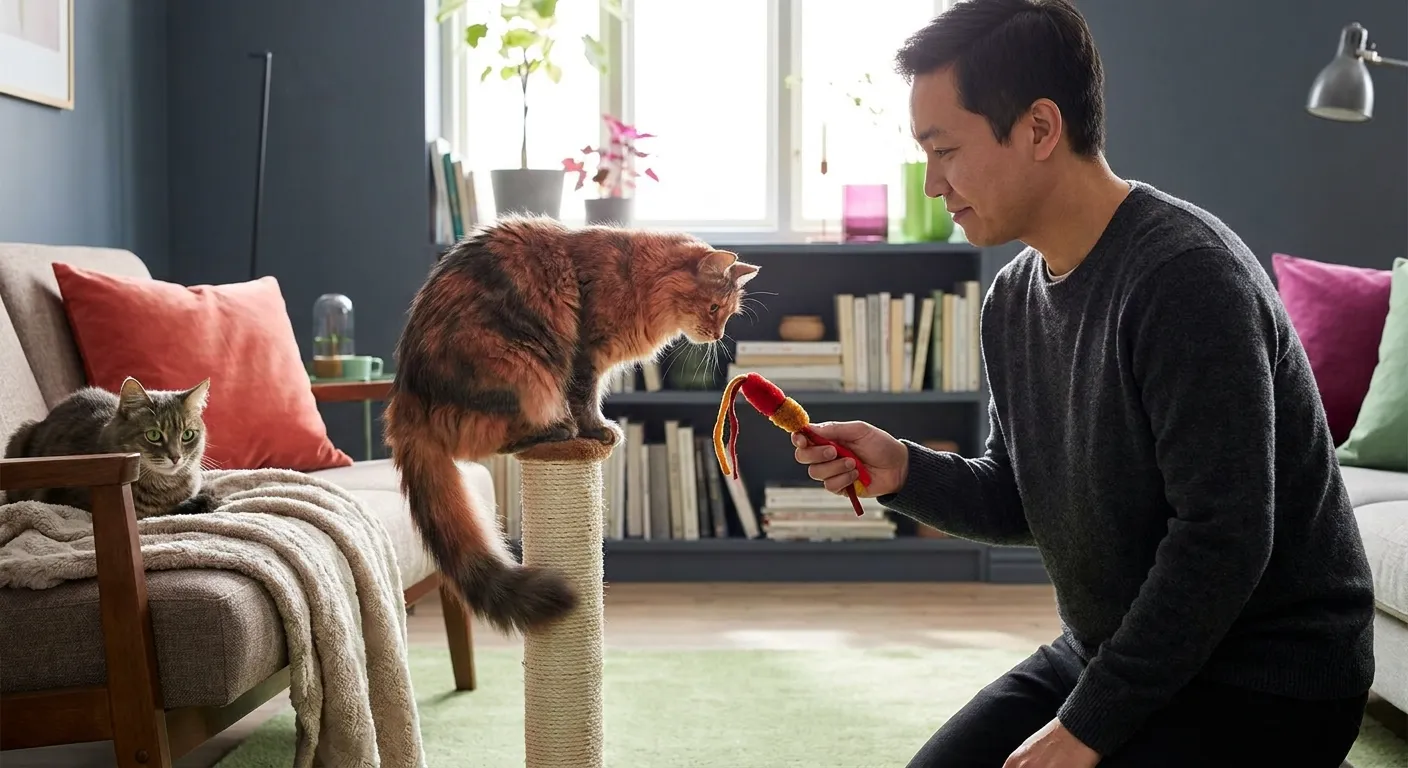
Cats are masters of subtle communication, using a complex language of body postures, vocalizations, and scent signals to express their needs and feelings. Many cat owners find themselves puzzled by their feline’s actions, making understanding cat behavior problems a common challenge. At Best Cat Care, we believe that decoding your cat’s cues is the first step toward a harmonious home and a deeper bond. When you understand why your cat behaves a certain way, you can effectively address issues and foster a happier environment for both of you.
Misinterpreting your cat’s behavior can lead to frustration for both pet and owner. What might seem like ‘naughty’ behavior is often a cry for help, a sign of stress, or an attempt to communicate an unmet need. By learning to read their signals, you can proactively address potential issues before they escalate, ensuring your cat feels safe, understood, and loved. Therefore, a comprehensive approach to feline communication is essential.
The Importance of Decoding Feline Communication
Understanding your cat’s unique way of communicating is fundamental to their well-being. Cats don’t ‘misbehave’ out of spite; rather, their actions are often indicators of underlying physical or emotional states. For example, a cat might spray urine not to be disobedient, but because they feel insecure in their territory. Furthermore, persistent meowing could signal pain or simply a desire for attention. Recognizing these signals allows you to respond appropriately, strengthening your bond and creating a more peaceful home environment.
It is important to remember that every cat is an individual. While general patterns exist, individual personalities and past experiences significantly influence how a cat expresses itself. Consequently, patience and keen observation are vital tools for any cat owner. By dedicating time to observe your cat’s routines and reactions, you will begin to notice subtle changes that can indicate a developing issue. This proactive approach is key to preventing minor issues from becoming significant challenges. For more insights into their subtle cues, explore our guide on Decode Cat Body Language: Understanding Your Feline’s Signals for a Deeper Bond.
Common Feline Behaviors and How to Address Them
1. Inappropriate Urination or Defecation Outside the Litter Box
This is one of the most common and frustrating cat behavior issues, but it’s rarely done out of spite. It’s almost always a sign that something is wrong. Therefore, prompt attention is crucial. Many owners struggle with this particular behavioral concern.
- Potential Causes: Medical issues (UTI, kidney disease, diabetes), litter box aversion (dirty box, wrong litter type, wrong box location, shared box with other cats), stress, territorial marking.
- Solutions: First, consult your vet to rule out medical problems. If medically cleared, evaluate your litter box setup: ensure you have one box per cat plus one extra, scoop daily, change litter regularly, try different litter types, and place boxes in quiet, accessible locations. Reduce stress by maintaining a consistent routine and providing safe spaces. Moreover, consider using a pheromone diffuser to help reduce anxiety.
2. Excessive Vocalization (Meowing, Yowling)
While some breeds are naturally more talkative, sudden or persistent excessive vocalization can indicate a problem. This is a common aspect of understanding cat behavior problems. For example, Siamese cats are known for their chattiness.
- Potential Causes: Seeking attention, hunger, pain/discomfort, anxiety, cognitive dysfunction (in older cats), boredom, heat cycle (unspayed females).
- Solutions: Rule out medical issues with a vet visit. If it’s attention-seeking, try to only respond when your cat is quiet. Ensure they have enough enrichment (toys, climbing structures) to prevent boredom. For anxious cats, consider pheromone diffusers or calming supplements. Spaying can resolve yowling during heat. We have a detailed guide on Why Does My Cat Meow So Much? Deciphering Feline Vocalizations.
3. Aggression (Towards Humans or Other Pets)
Aggression is a serious behavior that requires careful handling to prevent injury and improve your cat’s quality of life. Therefore, early intervention is critical. Many owners find this to be a particularly challenging cat behavior problem to resolve.
- Potential Causes: Fear, pain, territoriality, redirected aggression (e.g., seeing another cat outside but attacking you), play aggression (especially in kittens), petting-induced aggression.
- Solutions: Identify triggers. For fear-based aggression, provide safe hiding spots. For pain, seek vet attention. Introduce new pets slowly and with positive reinforcement. Consult a veterinary behaviorist for complex cases. For redirected aggression, block your cat’s view of outdoor triggers. Understanding the nuances of feline aggression is a key part of understanding cat behavior problems.
4. Destructive Scratching
Scratching is a natural and necessary feline behavior. However, when it targets your furniture, it becomes a problem for owners. This is a common issue when addressing feline conduct.
- Potential Causes: Marking territory, stretching muscles, sharpening claws, stress, lack of appropriate scratching posts.
- Solutions: Provide multiple scratching posts of various materials (sisal, cardboard, carpet) and orientations (vertical, horizontal). Place them in prominent areas where your cat spends time. Use pheromone sprays on posts to attract your cat. Trim your cat’s nails regularly. Consider deterrents on unwanted scratching surfaces, but avoid punishment. For more comprehensive advice, see our article on How to Stop Cat Scratching Furniture: A Comprehensive Guide to Protecting Your Home.
5. Excessive Grooming or Hair Pulling
While grooming is a natural cat behavior, when it becomes excessive, it can indicate underlying issues. This often manifests as bald patches or skin irritation. It’s an important signal for pet owners to recognize.
- Potential Causes: Allergies, parasites (fleas, mites), pain, stress, boredom, obsessive-compulsive disorder.
- Solutions: A vet visit is crucial to rule out medical causes like allergies or parasites. If medically cleared, focus on stress reduction through environmental enrichment and a consistent routine. Provide more interactive play to alleviate boredom. Pheromone diffusers can also be helpful. Addressing these underlying causes is vital for managing this cat behavior problem.
6. Hiding and Withdrawal
While cats enjoy their solitude, prolonged hiding or withdrawal from social interaction can signal a problem. This is often a subtle but significant change in a cat’s usual demeanor.
- Potential Causes: Fear, pain, illness, stress, new environment, changes in household routine.
- Solutions: First, ensure your cat is not ill or in pain by visiting the vet. Provide safe, quiet hiding spots (e.g., cat trees, boxes). Minimize loud noises and sudden movements. Introduce new people or pets gradually. Maintain a predictable routine. If your cat is a new rescue, our guide on Adopting a Shelter Cat: What to Expect and How to Help Them Adjust might be helpful.
Proactive Strategies for Preventing Cat Behavior Problems
Prevention is always better than cure, especially when it comes to feline behavior. By understanding your cat’s needs and providing an enriching environment, you can significantly reduce the likelihood of issues arising. This proactive approach is central to understanding cat behavior problems before they escalate.
Environmental Enrichment
Cats are natural hunters and explorers. A stimulating environment is crucial for their mental and physical health. Provide climbing structures, scratching posts, interactive toys, and puzzle feeders. Window perches offer entertainment and mental stimulation. Regularly rotate toys to keep things interesting. Our article on Cat Environmental Enrichment: A Lifelong Guide to Feline Happiness and Well-being offers many ideas.
Consistent Routine
Cats thrive on routine. Predictable feeding times, play sessions, and even litter box cleaning can reduce anxiety and provide a sense of security. Sudden changes can be very unsettling for some cats, potentially leading to stress-related behaviors. Therefore, maintaining consistency is paramount.
Regular Veterinary Check-ups
Many behavioral issues have underlying medical causes. Regular vet visits are essential for early detection and treatment of health problems. Annual check-ups, even for seemingly healthy cats, can prevent minor ailments from escalating into more serious conditions that manifest as behavioral changes. This is a fundamental aspect of comprehensive cat care, as discussed in The Blueprint for Comprehensive Cat Preventive Care: A Lifelong Health Strategy.
Positive Reinforcement
Reward desired behaviors with treats, praise, or petting. Avoid punishment, which can create fear and anxiety, often exacerbating existing problems. Positive reinforcement builds trust and encourages your cat to repeat good behaviors. This method is far more effective in modifying feline conduct.
Early Socialization
For kittens, early positive exposure to various people, sounds, and experiences can help them develop into well-adjusted adult cats. This early socialization can prevent fear-based aggression and shyness later in life. It’s a critical period for shaping a cat’s personality.
When to Seek Professional Help for Feline Conduct
While many common cat behavior problems can be addressed with patience and environmental adjustments, some situations require expert intervention. If you’ve tried various solutions without success, or if the behavior is sudden, severe, or dangerous, it’s time to consult a professional. A veterinary behaviorist or a certified cat behavior consultant can provide tailored advice and strategies. They can help with persistent issues like house soiling, aggression, or severe anxiety. For example, the American College of Veterinary Behaviorists provides a directory of qualified professionals. Furthermore, understanding the limitations of your own expertise is a sign of responsible pet ownership. For complex cases, a specialist can offer invaluable insights into understanding cat behavior problems.
A professional will conduct a thorough assessment, considering your cat’s history, environment, and physical health. They can help identify subtle triggers you might have missed and develop a comprehensive behavior modification plan. This often involves a combination of environmental changes, training techniques, and sometimes, medication. It is important to work closely with your veterinarian throughout this process, as medical issues can often mimic behavioral ones. The Cornell Feline Health Center offers excellent resources for cat owners seeking more information on feline health and behavior. Therefore, don’t hesitate to seek specialized guidance when needed.
Conclusion
Understanding cat behavior problems is a journey that enriches the bond you share with your feline companion. By learning to interpret their unique language of body postures, vocalizations, and habits, you gain invaluable insight into their needs and emotions. Remember that problematic behaviors are often signals of underlying issues, whether medical, environmental, or emotional. Consequently, a proactive and empathetic approach is key to resolving these challenges.
At Best Cat Care, we empower you with the knowledge and resources to create a happy, healthy, and harmonious home for your cat. From addressing inappropriate urination to managing aggression, every step you take towards understanding your cat’s world strengthens your connection. Continue to observe, learn, and adapt, and you’ll find that decoding your cat’s cues leads to a more fulfilling relationship for both of you. Ultimately, a well-understood cat is a happier cat.
FAQ
What are the most common reasons for cats to exhibit unwanted behaviors?
Cats often display unwanted behaviors due to underlying issues such as medical conditions (like UTIs or pain), stress or anxiety, lack of environmental enrichment, changes in routine, or improper litter box setup. It’s rarely out of spite; rather, it’s a form of communication.
How can I tell if my cat’s behavior change is due to a medical issue?
Sudden changes in behavior, especially those involving elimination, appetite, energy levels, or vocalization, should prompt a veterinary visit. Many medical conditions can manifest as behavioral changes, and ruling out health problems is always the first step. Our article on Recognizing Cat Illness Warning Signs Early: A Comprehensive Guide for Owners can help.
Is it possible to stop my cat from scratching furniture?
While you cannot stop a cat from scratching entirely (it’s a natural behavior), you can redirect it. Provide appealing scratching posts of various types and textures, place them in prominent areas, and use deterrents on furniture. Positive reinforcement helps encourage use of appropriate scratching surfaces.
What is the best way to introduce a new cat to my existing pets?
Slow and gradual introductions are crucial. Start with scent swapping, then supervised visual contact, gradually increasing interaction time. Ensure each cat has their own resources (food, water, litter boxes, safe spaces) to minimize territorial disputes. Patience is key for a successful integration.
When should I consult a professional cat behaviorist?
If you’ve tried various at-home solutions without success, or if the behavior is severe, dangerous (like aggression), or causing significant stress to you or your cat, it’s time to seek professional help. A veterinary behaviorist or certified cat behavior consultant can offer expert guidance.
Can an older cat suddenly develop new behavioral issues?
Yes, older cats can develop new behaviors due to age-related conditions like cognitive dysfunction (feline dementia), arthritis, or other health problems. Regular vet check-ups are essential for senior cats to address these changes. Refer to Senior Cat Care Tips: Ensuring Comfort and Health in Their Golden Years for more information.