Recognizing overfeeding your cat signs is essential if you want to maintain your pet’s health and prevent long-term issues. Many cat owners unknowingly give too much food, often out of love or concern. However, excess feeding can quickly lead to weight gain, reduced energy, and even serious health conditions. Because cats rely on you for portion control, it becomes important to understand when feeding habits are no longer balanced.
At first, the signs may seem subtle. Your cat may appear slightly heavier or less active than usual. Over time, these small changes can develop into bigger problems. By identifying overfeeding your cat signs early, you can take action before your cat’s health is affected. With the right adjustments, it is possible to restore balance and support a healthier lifestyle.
Why Overfeeding Happens More Than You Think
One reason overfeeding your cat signs are so common is that feeding habits are often based on emotion rather than need. Many owners associate food with care and comfort, which leads to offering extra portions or frequent treats. While this may seem harmless, it can disrupt your cat’s natural appetite regulation.
Additionally, free feeding plays a major role. Leaving food available all day makes it difficult to track how much your cat actually eats. As a result, portion control becomes inconsistent, and overeating becomes more likely. Cats may eat out of boredom rather than hunger, especially in indoor environments.
Another factor involves misunderstanding portion sizes. Feeding guidelines can vary depending on food type, weight, and activity level. Without proper measurement, it becomes easy to exceed the recommended amount. These habits contribute directly to overfeeding your cat signs and make it harder to maintain a healthy routine.
Physical Signs Your Cat Is Eating Too Much
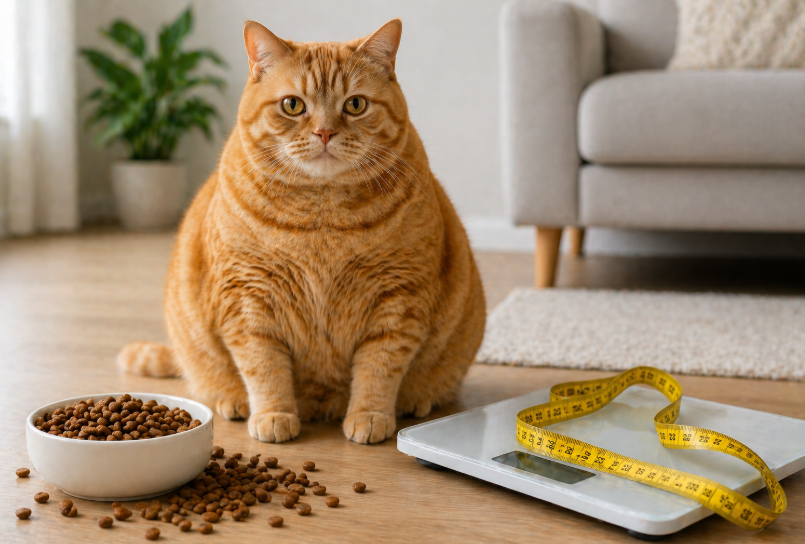
One of the most obvious overfeeding your cat signs is weight gain. If your cat’s body appears rounder or you can no longer feel their ribs easily, it may indicate excess weight. While some weight changes are gradual, consistent increases should not be ignored.
Another sign is reduced mobility. Cats that are overfed often become less active and may struggle with jumping or climbing. This lack of movement can lead to further weight gain, creating a cycle that affects overall health.
Changes in coat condition can also appear. Overweight cats may groom less effectively, which results in a dull or unkempt coat. In addition, you may notice heavier breathing during activity, which suggests reduced fitness. These physical changes are clear indicators of overfeeding your cat signs that require attention.
Behavioral Changes Linked To Overfeeding
Behavior can reveal a lot about feeding habits, and overfeeding your cat signs often include noticeable changes in routine. For example, your cat may become less playful and spend more time resting. While rest is normal, excessive inactivity may indicate discomfort caused by extra weight.
Interestingly, some cats continue to beg for food even when overfed. This behavior is often learned rather than based on hunger. If your cat receives food after begging, they quickly associate the action with reward.
In addition, overfed cats may show reduced interest in meals at scheduled times. Because they are not truly hungry, they may leave food behind or eat slowly. These patterns highlight how overfeeding your cat signs can affect both physical and behavioral health.
Health Risks Of Overfeeding Your Cat
Ignoring overfeeding your cat signs can lead to serious health risks over time. Obesity is one of the most common issues and can increase the likelihood of diabetes, joint problems, and heart conditions. These diseases not only affect quality of life but also require ongoing care.
Joint stress is another concern. Extra weight places pressure on bones and joints, making movement more difficult. This can lead to long-term mobility issues and discomfort.
In addition, digestive problems may occur. Overeating can strain the digestive system, leading to irregular bowel movements or discomfort. By addressing overfeeding your cat signs early, you can reduce these risks and protect your cat’s long-term health.
How Portion Control Makes A Difference
One of the most effective ways to correct overfeeding your cat signs is through proper portion control. Measuring food accurately ensures that your cat receives the right amount of nutrition without excess calories. This simple step can make a significant difference over time.
Using a measuring cup or digital scale helps maintain consistency. Guessing portions often leads to overfeeding, especially when different family members feed the cat. Clear guidelines prevent this confusion and create a structured routine.
In addition, portion control allows you to adjust feeding based on your cat’s needs. If weight loss is required, reducing portions gradually can help achieve results without causing stress. These adjustments directly address overfeeding your cat signs and support healthier habits.
Creating A Structured Feeding Schedule
A consistent schedule is another key factor in reducing overfeeding your cat signs. Feeding your cat at the same times each day helps regulate appetite and prevents unnecessary snacking. Most adult cats benefit from two meals per day, spaced evenly.
Scheduled feeding also makes it easier to monitor eating behavior. If your cat suddenly eats less or more than usual, you can quickly notice the change. This awareness supports early intervention when needed.
Avoid leaving food out all day, as this encourages grazing and overeating. Instead, provide meals at set times and remove uneaten food after a short period. By establishing structure, you reinforce healthy habits and reduce overfeeding your cat signs effectively.
Reducing Treats Without Causing Stress
Treats are often a hidden cause of overfeeding your cat signs, as they add extra calories without providing balanced nutrition. While treats can be useful for training or bonding, they should be given in moderation.
Limiting treats does not mean removing them completely. Instead, consider using smaller portions or healthier alternatives. You can also replace treats with playtime or attention, which satisfies your cat’s need for interaction.
Gradually reducing treat frequency helps your cat adjust without stress. Over time, your cat will rely more on regular meals rather than expecting extra snacks. This approach supports a balanced diet and reduces overfeeding your cat signs.
Encouraging More Activity And Movement
Increasing activity is an important step in managing overfeeding your cat signs. Exercise helps burn excess calories and improves overall fitness. Interactive toys, climbing structures, and play sessions can encourage movement throughout the day.
Even short play sessions can make a difference. Engaging your cat in active games stimulates both physical and mental health. This not only supports weight management but also reduces boredom-related eating.
Additionally, creating a stimulating environment encourages natural behaviors. Cats that stay active are less likely to overeat out of boredom. By combining exercise with proper feeding, you create a balanced approach to reducing overfeeding your cat signs.
Tracking Progress And Making Adjustments
Monitoring progress is essential when addressing overfeeding your cat signs. Regularly checking your cat’s weight and body condition helps you determine whether changes are effective. Small improvements over time indicate that your approach is working.
If progress is slow, adjustments may be needed. This could involve further reducing portions, increasing activity, or reviewing treat intake. Consistency remains the most important factor.
In some cases, consulting a veterinarian can provide additional guidance. They can recommend specific dietary plans or identify underlying issues. By staying attentive and flexible, you can successfully manage overfeeding your cat signs and maintain long-term health.
Conclusion
Recognizing overfeeding your cat signs is the first step toward creating a healthier and more balanced lifestyle for your pet. While overfeeding is common, it can be corrected with simple and consistent changes. By focusing on portion control, structured feeding, and increased activity, you can help your cat return to a healthy weight and improve overall well-being.
Taking action early prevents more serious health problems and ensures that your cat remains active, comfortable, and happy. With the right approach, feeding becomes a controlled and positive part of your daily routine. Ultimately, addressing overfeeding your cat signs is one of the most effective ways to support your cat’s long-term health.
FAQ
- How can I tell if my cat is overweight?
You may notice a round body shape and difficulty feeling the ribs under the fur. - How many times a day should I feed my cat?
Most adult cats do well with two balanced meals each day. - Are treats bad for my cat?
Treats are fine in moderation but should not replace regular meals. - Can overfeeding cause serious health issues?
Yes, it can lead to obesity, diabetes, and joint problems over time. - Should I consult a vet about my cat’s diet?
Yes, especially if your cat shows signs of weight gain or health concerns.