One of the most common frustrations for cat owners revolves around litter box problems. From accidents outside the box to sudden changes in behavior, solving cat litter box issues can feel like an unending puzzle. However, these issues are often a cat’s way of communicating discomfort, stress, or an underlying health problem. Understanding the root cause is the first step toward a cleaner home and a happier feline.
At Best Cat Care, we believe that a harmonious home environment starts with understanding and addressing your cat’s fundamental needs. This comprehensive guide will equip you with practical strategies for resolving common cat litter box problems, transforming frustration into understanding and ultimately, a more peaceful coexistence for you and your cat.
The Golden Rule: One More Box Than Cats
It might seem excessive, but the ‘N+1’ rule (where N is the number of cats) is foundational for litter box success. If you have one cat, you should ideally have two litter boxes. Two cats? Three boxes. This ensures that no cat feels territorial pressure or is forced to use a dirty box. Placement is equally critical: boxes should be in quiet, easily accessible locations, away from high-traffic areas, food, and water bowls. Avoid tucking them into dark, enclosed spaces where a cat might feel trapped.
Furthermore, consider your cat’s age and mobility. Senior cats, for instance, might need boxes with lower sides for easier entry and exit. Similarly, a cat with arthritis might struggle with a high-sided box. Therefore, thoughtful placement and appropriate box design are key to preventing avoidance behaviors.
Choosing the Right Tools: Box Type and Litter Preference
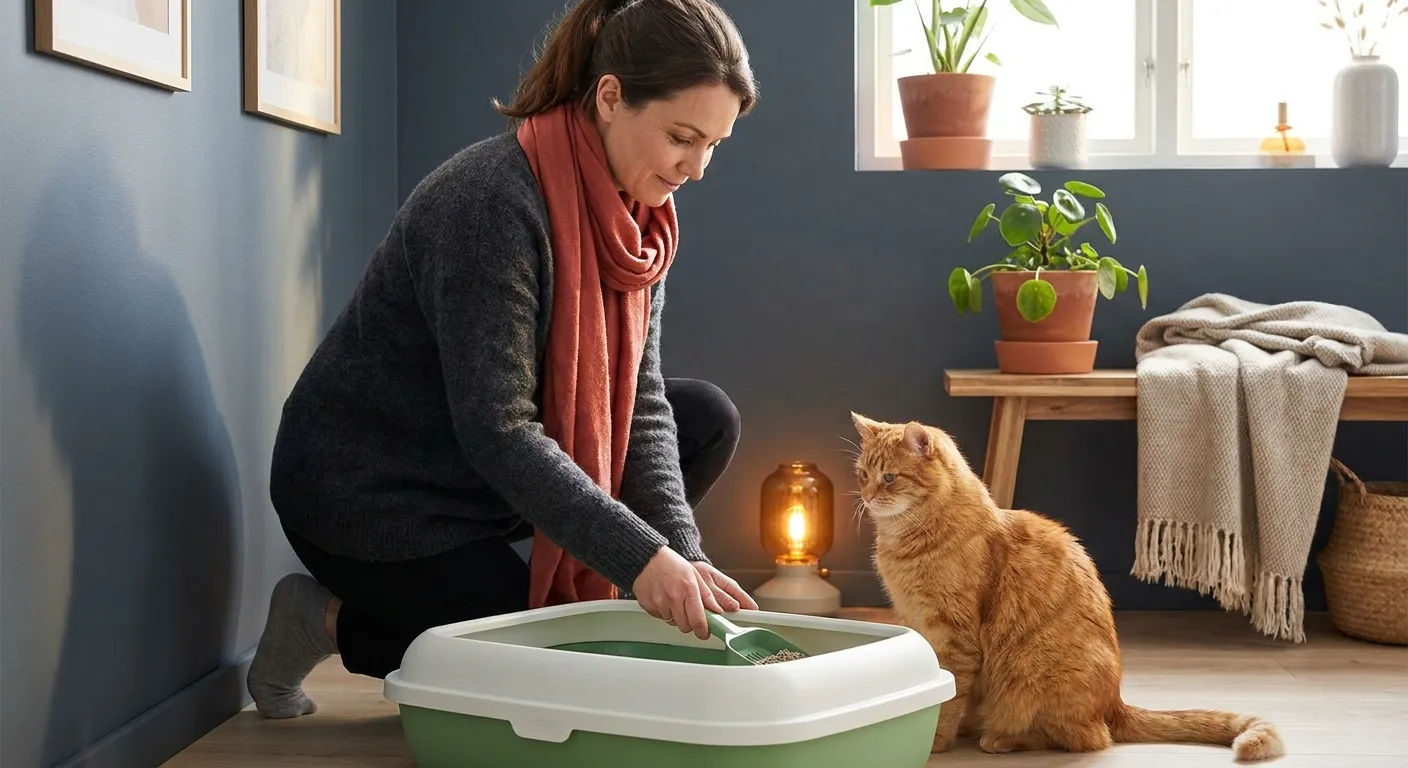
The physical setup of the litter box itself plays a huge role in your cat’s acceptance. Many cats prefer large, open-top litter boxes that allow them to enter, turn around comfortably, and exit without feeling confined. Covered boxes, while appealing to humans for odor control, can trap odors and make cats feel vulnerable. This can lead to your cat seeking other, less desirable places to relieve themselves.
Litter type is another significant factor. Most cats prefer fine-grained, unscented clumping clay litter, as it mimics natural soil and is soft on their paws. Strongly scented litters, while designed to mask odors, can be off-putting to a cat’s sensitive nose. Experiment with different types if your cat is particular, offering a ‘litter buffet’ of options to see what they prefer. Remember, what smells good to you might be overwhelming for your cat.
Depth and Cleanliness Matter
The depth of the litter should be adequate for digging, typically 2-3 inches. More importantly, cleanliness is paramount. Scoop at least once, preferably twice, daily. Cats are fastidiously clean creatures; they will often avoid a soiled box. A full litter change and thorough cleaning of the box with mild, unscented soap and water should happen weekly or bi-weekly, depending on usage. Harsh chemical cleaners or those with strong scents can deter cats. In fact, a dirty litter box is one of the most common reasons for a cat to start eliminating outside of it.
To maintain optimal hygiene, consider using unscented baking soda at the bottom of the clean litter box before adding fresh litter. This can help absorb odors naturally. Furthermore, replace plastic litter boxes annually, as plastic can absorb odors and become scratched, harboring bacteria over time.
Behavioral Reasons Behind “Accidents”
If the physical setup is ideal and your cat is still having accidents, behavioral factors might be at play. Stress and anxiety are common triggers. Changes in the home environment (new pet, new baby, moving, furniture rearrangement), inter-cat aggression, or even a change in your routine can cause a cat to feel insecure and mark territory outside the box. Some cats might even start eliminating outside the box as a way to cope with boredom or lack of stimulation. For more guidance on this, refer to our article on Managing Cat Stress and Anxiety: A Guide to Calmer Felines.
Additionally, inter-cat dynamics can significantly impact litter box usage. If one cat is bullying another, the intimidated cat might avoid the litter box, especially if it’s in a location where they feel trapped. Providing multiple boxes in different, safe locations can alleviate this tension. Therefore, observing interactions between your cats is crucial.
Addressing Stress and Boredom
To mitigate stress, try to maintain a consistent routine for your cat. Provide plenty of vertical space, scratching posts, and interactive toys to enrich their environment. This can help reduce anxiety and prevent them from acting out. For an in-depth look at making your cat’s environment more stimulating, read our guide on Cat Environmental Enrichment: A Lifelong Guide to Feline Happiness and Well-being.
Furthermore, consider using feline pheromone diffusers, which can help create a calming atmosphere for some cats. These diffusers release synthetic versions of natural feline facial pheromones, which can signal safety and security to your cat. Consequently, this can reduce stress-related inappropriate elimination.
Medical Conditions Mimicking Litter Box Problems
It is absolutely essential to rule out medical causes when your cat suddenly starts having litter box issues. A visit to the veterinarian should always be the first step. Conditions like urinary tract infections (UTIs), bladder stones, kidney disease, diabetes, or even arthritis can cause a cat to associate pain with the litter box, leading them to seek other places to eliminate. For example, a cat with a UTI might urinate more frequently and urgently, sometimes not making it to the box in time.
Arthritis or other mobility issues can make it difficult for an older cat to get into and out of a high-sided litter box comfortably. This discomfort can lead them to seek easier-to-access spots. Hence, changes in elimination habits, especially in older cats, warrant immediate veterinary attention. Our article on Senior Cat Care Tips: Ensuring Comfort and Health in Their Golden Years offers further insights into age-related changes.
Signs of a Medical Issue
Watch for other symptoms accompanying the inappropriate elimination, such as increased thirst, changes in appetite, lethargy, blood in the urine, straining to urinate, or crying while in the litter box. These are all red flags that indicate a medical problem requiring professional diagnosis and treatment. Early detection is key to successful treatment and Recognizing Cat Illness Warning Signs Early can make a significant difference in your cat’s health.
Your veterinarian may perform a urinalysis, blood tests, or imaging studies to pinpoint the underlying medical condition. Once the medical issue is addressed, the litter box problem often resolves. However, sometimes behavioral modification might still be needed if the cat has developed a strong aversion to the litter box during their illness.
Retraining and Positive Reinforcement
Once medical issues are ruled out and environmental factors are optimized, you might need to retrain your cat. Start by thoroughly cleaning any soiled areas outside the litter box using an enzymatic cleaner. This is crucial because cats are attracted to the scent of their previous accidents. If the scent remains, they are more likely to return to that spot.
Consider temporarily confining your cat to a smaller area with their litter box, food, water, and bed. Gradually expand their access to the home as they consistently use the litter box. This method helps re-establish the litter box as the appropriate place for elimination. Moreover, always use positive reinforcement.
Making the Litter Box Appealing
When your cat uses the litter box, offer praise, gentle petting, or a small treat. Never punish your cat for accidents; punishment only increases fear and anxiety, making the problem worse. Instead, focus on making the litter box a pleasant and safe place for them. Some cats even respond well to a small amount of catnip sprinkled near the litter box to encourage its use.
Furthermore, ensure the litter box is easily accessible and not in a high-traffic or noisy area. Cats prefer privacy when doing their business. Therefore, placement in a quiet corner can significantly increase acceptance. This careful approach is vital for successfully solving cat litter box issues.
Advanced Strategies for Stubborn Cases
For persistent litter box problems, more advanced strategies might be necessary. Some cats respond well to different types of litter boxes, such as those with sifting trays or even self-cleaning options, although the latter can sometimes be too noisy or startling for sensitive cats. Trying various litter substrates simultaneously in separate boxes can also reveal a hidden preference. This is often referred to as a