The pet food market is constantly evolving, often introducing new trends and fads that promise optimal health for our feline companions. While many are well-intentioned, some common cat diet fads can be misleading or even detrimental to a cat’s health. As responsible cat owners, it’s crucial to distinguish between evidence-based nutritional advice and passing trends to ensure our cats receive the balanced diet they need. This guide from Best Cat Care will help you navigate the complexities of feline nutrition, focusing on what truly supports your pet’s well-being.
Unpacking Popular Cat Diet Fads: What to Watch Out For
One popular trend gaining traction is the raw food diet. Proponents argue it mimics a cat’s ancestral diet, suggesting it’s more natural. However, raw meat can harbor dangerous bacteria like Salmonella and E. coli, posing significant risks to both cats and humans. Furthermore, it’s incredibly challenging to formulate a nutritionally complete and balanced raw diet without expert guidance from a veterinary nutritionist. This can easily lead to severe deficiencies or excesses in vital nutrients, ultimately compromising your cat’s long-term health. For instance, an imbalance in calcium and phosphorus can lead to serious bone problems.
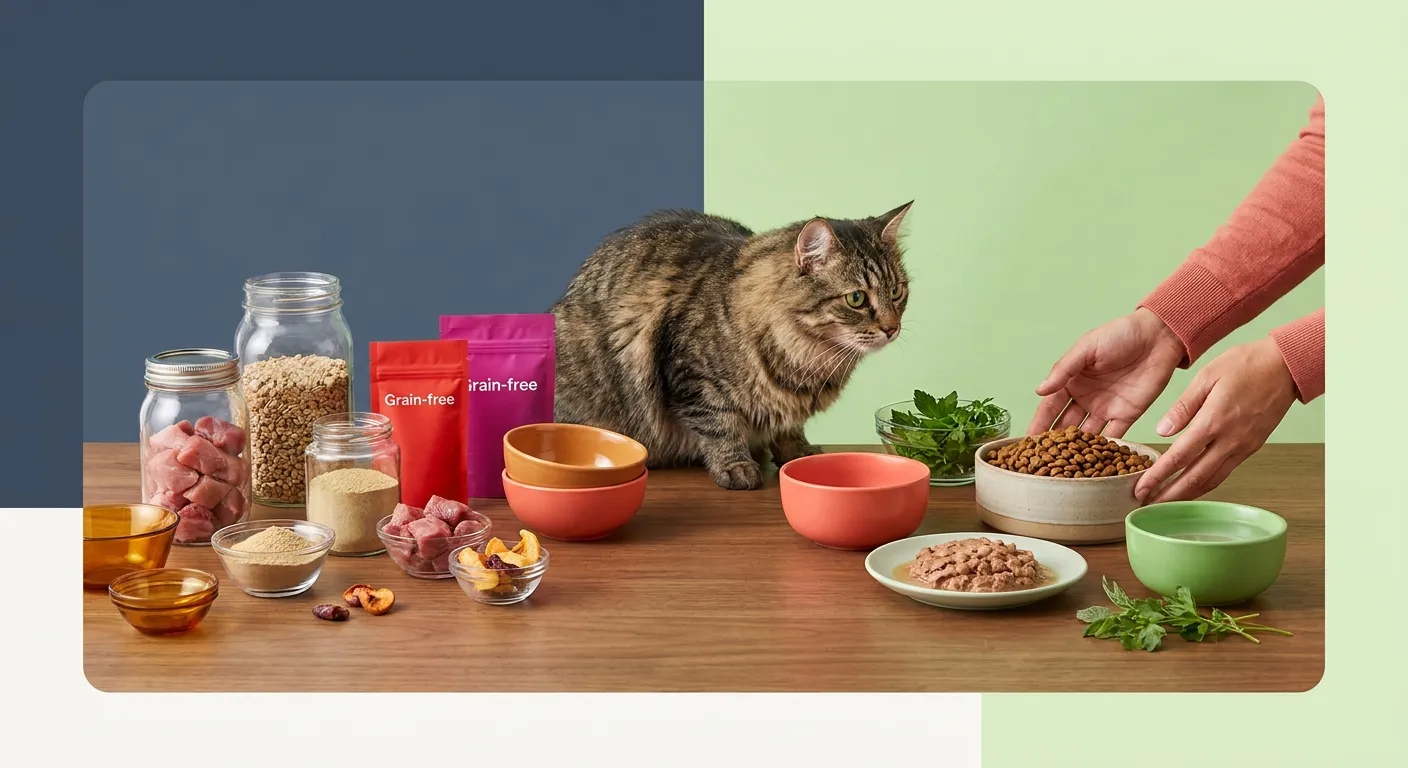
Another prevalent trend is grain-free diets. These are often marketed as superior because cats are obligate carnivores. While it’s true that cats don’t need grains in the same way omnivores do, quality grains are not inherently harmful. In fact, they can be a source of digestible carbohydrates, fiber, and essential nutrients. The focus should always be on the overall quality and balance of ingredients in a cat’s food, rather than simply the presence or absence of grains. Many grain-free formulations simply replace grains with other carbohydrate sources like potatoes or peas, which may not offer any significant nutritional advantage.
Homemade diets, while seemingly healthy and well-intentioned, represent another area where caution is absolutely needed. Without precise veterinary nutritional guidance, it’s incredibly difficult to meet a cat’s complex dietary requirements. Cats have unique needs for specific amino acids, vitamins, and minerals. Consequently, homemade diets often result in severe nutrient imbalances that can lead to long-term health problems, sometimes irreversible. For example, a common error is an insufficient amount of taurine, which is vital for heart and eye health in felines. Always consult your veterinarian or a board-certified veterinary nutritionist before considering a homemade diet for your feline friend.
Many owners also over-rely on treats or human food scraps. Although it’s tempting to share, these additions can significantly contribute to obesity and an unbalanced diet. Too many treats can fill your cat up, reducing their intake of their nutritionally complete regular food. This can lead to digestive upset or nutritional gaps over time. In fact, obesity is a growing concern among domestic cats, contributing to other health issues like diabetes and joint problems. It’s essential to remember that treats should make up no more than 10% of a cat’s daily caloric intake.
Understanding Feline Nutritional Needs: Beyond the Cat Diet Fads
Optimal feline nutrition is built on a scientific understanding of a cat’s physiological needs. Cats are obligate carnivores, meaning their diet must be primarily animal-based. This provides essential amino acids like taurine, arginine, and methionine, which they cannot synthesize themselves. Without sufficient animal protein, cats can develop serious health issues, such as dilated cardiomyopathy from taurine deficiency. Their digestive systems are specifically adapted to process meat, fat, and organs.
A high-quality commercial cat food, whether wet, dry, or a combination, is generally the safest and most reliable choice. These foods are formulated by veterinary nutritionists and meet the stringent standards set by organizations like AAFCO (Association of American Feed Control Officials) in the United States, or FEDIAF in Europe. Look for foods with clearly listed animal protein as the first ingredient, such as chicken, turkey, or fish. These formulations ensure a complete and balanced nutrient profile, removing the guesswork for pet owners.
Wet food is often highly recommended for its higher moisture content. This is particularly beneficial for supporting kidney health and overall hydration, which is crucial for preventing urinary tract issues in cats. Many cats do not drink enough water on their own, so wet food can be a significant source of hydration. However, high-quality dry food can also be part of a healthy diet, especially if your cat drinks plenty of water. Some owners opt for a mixed feeding approach, offering both wet and dry food.
Before making significant changes to your cat’s diet or considering any specialized diet, always consult your veterinarian. They can assess your cat’s individual health status, age, activity level, and any pre-existing medical conditions. This professional guidance ensures you recommend a diet that truly supports their well-being, rather than falling for enticing but unproven cat diet fads. Your vet can help you navigate the vast array of options and make informed decisions. For more comprehensive insights into selecting the right food, consider reviewing our guide on Best Cat Food Choices: A Comprehensive Nutritional Guide.
Debunking Specific Cat Diet Fads: The Raw Food Myth
Let’s delve deeper into the raw food diet, one of the most persistent cat diet fads. The idea that feeding raw meat mimics an ancestral diet is appealing, however, modern domestic cats are not the same as their wild ancestors. Their environments and lifestyles are vastly different. While wild felines consume raw prey, they also face different health challenges and have significantly shorter lifespans than well-cared-for domestic cats. The risks associated with raw feeding are substantial. Pathogens like Salmonella, E. coli, Listeria, and Clostridium botulinum are commonly found in raw meat. These bacteria can cause severe gastrointestinal illness in cats, and more importantly, they pose a serious zoonotic risk, meaning they can be transmitted to humans. This is especially concerning for households with children, elderly individuals, or immunocompromised people.
Furthermore, achieving nutritional completeness with a homemade raw diet is exceptionally difficult. Cats require a precise balance of vitamins and minerals. For example, an improper calcium-to-phosphorus ratio can lead to serious skeletal deformities or metabolic bone disease. Commercial raw diets, while often claiming to be balanced, still carry microbial risks. The American Veterinary Medical Association (AVMA) and other major veterinary organizations strongly advise against feeding raw or undercooked animal protein to pets due to these significant health concerns for both animals and humans. Instead, consider commercially prepared foods that are cooked to eliminate pathogens while retaining nutritional value.
The Truth About Grain-Free Cat Diets
Another prominent example of cat diet fads is the grain-free movement. This trend emerged from the misconception that grains are merely ‘fillers’ or that cats are somehow allergic to them. While grain allergies can occur, they are far less common than protein allergies in cats. The idea that grain-free diets are inherently superior for obligate carnivores is largely unfounded. As mentioned, quality grains like rice, corn, or barley, when properly processed, are digestible and provide valuable nutrients such as complex carbohydrates for energy, fiber for digestive health, and certain vitamins and minerals. The term ‘filler’ is often misleading; a well-chosen grain can be a beneficial ingredient.
In fact, some grain-free diets have raised concerns in the veterinary community. The replacement of grains with high levels of ingredients like peas, lentils, and potatoes has been implicated in potential links to dilated cardiomyopathy (DCM) in dogs, though the evidence in cats is less clear. Nevertheless, it highlights the importance of evidence-based nutrition over marketing trends. The crucial aspect of a cat’s diet is the source and quality of protein, fat, and essential micronutrients, not simply the exclusion of grains. When choosing a food, review the ingredient list and prioritize animal-based protein sources, followed by digestible carbohydrates and healthy fats. For a deeper understanding of what constitutes a healthy diet, you might find our article on The Blueprint for Comprehensive Cat Preventive Care helpful, as diet is a cornerstone of lifelong health.
Why Homemade Diets Are Risky Without Expert Guidance
Homemade diets represent one of the most well-intentioned, yet potentially dangerous, cat diet fads. Many cat owners believe they can provide a healthier, more natural diet by preparing meals themselves. However, a cat’s nutritional requirements are incredibly complex and specific. They are not simply miniature humans. For example, cats require significantly higher levels of protein and certain B vitamins. They also have a unique need for arachidonic acid, an essential fatty acid found only in animal fats, and, crucially, taurine.
Without precise measurements and a deep understanding of feline nutritional biochemistry, it is nearly impossible for an average owner to formulate a diet that meets all these needs. Studies have consistently shown that the vast majority of homemade cat diets, even those found online, are nutritionally imbalanced, leading to deficiencies or excesses that can cause serious health problems over time. These can range from bone deformities and dental issues to organ failure and even death. It is vital to understand that a balanced diet is not just about providing protein; it’s about the intricate balance of all macronutrients and micronutrients. If you are considering a homemade diet, it is absolutely imperative to work with a board-certified veterinary nutritionist who can formulate a customized, balanced recipe for your individual cat. Resources like the Tufts University Cummings School of Veterinary Medicine Clinical Nutrition Service offer valuable guidance on this complex topic.
The Dangers of Over-Treating and Human Food Scraps
The habit of over-treating or sharing human food scraps is another common practice that, while born of love, can contribute to unhealthy cat diet fads. Cats are naturally curious and often beg for food, which can be hard to resist. However, most human foods are not formulated for feline nutritional needs and can be harmful. For instance, onions and garlic are toxic to cats, even in small amounts, causing damage to red blood cells. Chocolate, grapes, and raisins are also highly toxic. Even seemingly harmless foods can cause digestive upset, vomiting, or diarrhea because a cat’s digestive system is not equipped to process many human ingredients, especially those high in fat, sugar, or spices.
Beyond immediate toxicity, excessive treats and human food contribute significantly to feline obesity. An overweight cat is at a much higher risk for a variety of health problems, including diabetes mellitus, arthritis, urinary tract disease, and certain types of cancer. It also puts undue strain on their joints, potentially worsening conditions like feline arthritis, which can impact their overall well-being. To prevent these issues, treats should be given sparingly and should ideally be specifically formulated for cats, making up no more than 10% of their daily caloric intake. Always check the calorie content of treats and adjust their main meal portion accordingly. For concerns about managing your cat’s weight, your veterinarian can provide tailored advice and help you establish a healthy feeding plan.
Navigating the Pet Food Aisle: What to Look For
With so many options available, choosing the right cat food can feel overwhelming. Beyond avoiding cat diet fads, understanding what constitutes a high-quality commercial cat food is essential. When you’re in the pet food aisle, look for a few key indicators:
- AAFCO Statement: The most crucial indicator is the nutritional adequacy statement from AAFCO (Association of American Feed Control Officials). This statement, usually found on the back of the bag or can, confirms that the food is