
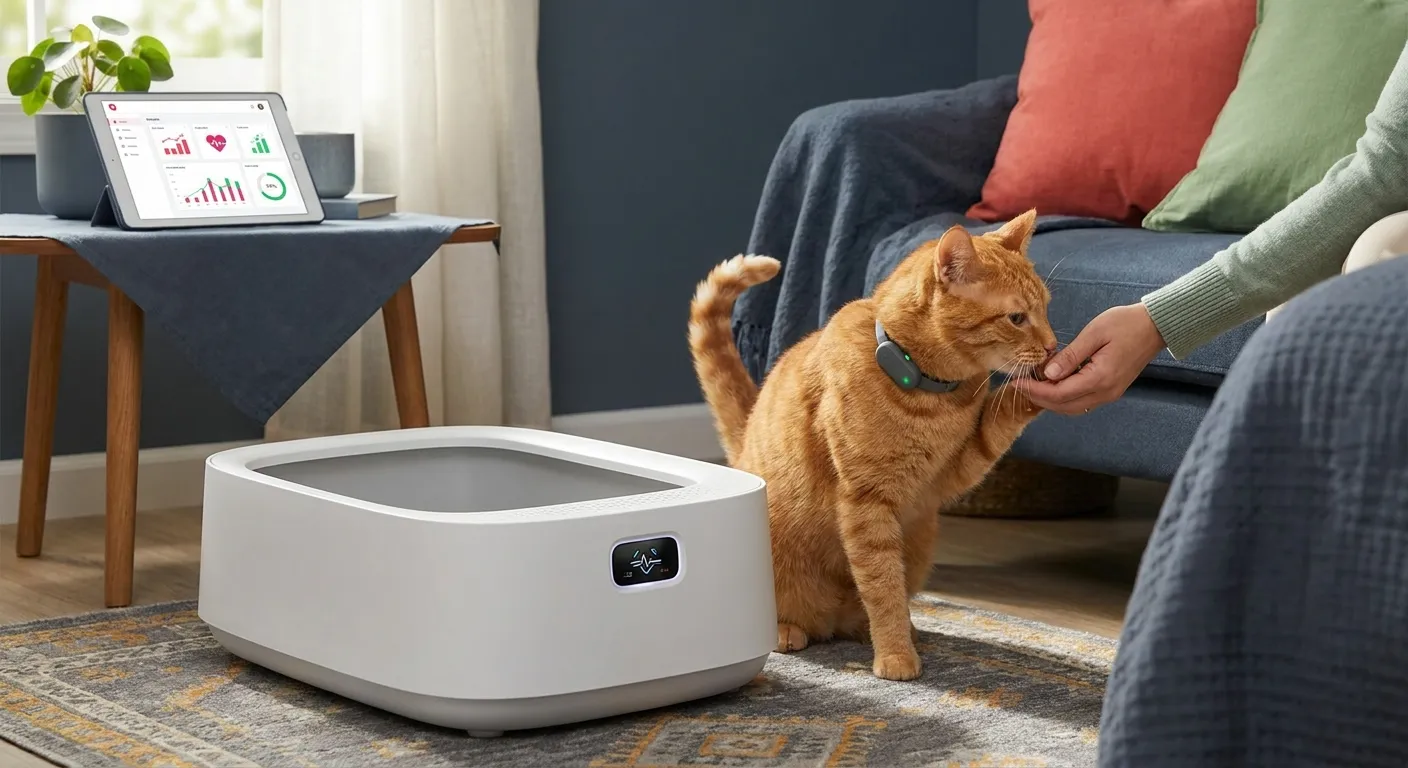
In the rapidly evolving pet care industry, integrating technology into your cat’s daily routine can provide unprecedented insights into their well-being. Smart cat health monitoring tools are changing how we understand and care for our beloved felines. These innovations help owners make informed decisions for healthier, happier pets. This trend aligns perfectly with the significant growth in pet care, which saw U.S. expenditures reach an estimated $158 billion in 2025, with technology playing an increasingly vital role.
The Rise of Wearables: Beyond GPS Tracking
Gone are the days when smart collars only offered GPS tracking. Today, advanced wearables like PetPace, Fi, and FitBark are sophisticated health monitoring devices. These smart collars now monitor a range of vital signs, including temperature, heart rate, and respiration. They also track activity levels, sleep quality, and even detect subtle behavioral changes that could indicate an underlying illness. Imagine knowing your cat’s resting heart rate has increased slightly over a few days, or that their sleep patterns have become irregular. These are crucial early warning signs that might otherwise go unnoticed until a condition becomes more serious.
For example, a sudden drop in activity or prolonged periods of inactivity could signal joint pain or lethargy due to illness. Consistent changes in sleep patterns might point to discomfort or stress. By providing continuous data, these devices empower cat owners to be proactive rather than reactive. This enables earlier veterinary intervention and potentially better outcomes. This kind of personalized, data-driven care is a cornerstone of the modern pet care landscape, where owners are increasingly seeking advanced health solutions. Furthermore, regular vet check-ups are always crucial for cat longevity, even with advanced monitoring.
AI-Powered Litter Boxes: A Window into Digestive and Urinary Health
Perhaps one of the most innovative advancements in feline health tech is the smart litter box. Devices such as SiiPet’s LitterLens utilize AI to monitor your cat’s toilet health. They offer invaluable insights into urinary and digestive issues. These smart systems track usage patterns, frequency, and even the consistency of waste. They alert owners to changes that could signify common feline health problems like urinary tract infections (UTIs), kidney issues, or digestive upset.
Consider the challenge of detecting a UTI in a cat, which often presents with subtle symptoms. A smart litter box can flag increased frequency of urination or changes in litter box habits long before you might notice overt signs of discomfort. This early detection is critical, as conditions like UTIs can escalate quickly if left untreated. The global pet tech market is projected to reach $20 billion by 2026, highlighting the growing demand for such intelligent solutions that blend convenience with comprehensive care.
Why Integrate Smart Monitoring into Your Cat’s Life?
The primary benefit of integrating smart health monitoring for cats is early detection. Many feline illnesses are subtle in their initial stages. Cats are masters at hiding discomfort, a survival instinct from their wild ancestors. Therefore, by the time a cat shows obvious signs of illness, the condition might be advanced. Technology offers a way to bridge this gap. Wearable devices and smart litter boxes collect continuous data, identifying anomalies that a human eye might miss. This proactive approach can significantly improve your cat’s prognosis and quality of life.
Moreover, these tools provide peace of mind for cat owners. Knowing that you have an extra layer of vigilance over your pet’s health can reduce anxiety. This is especially true for owners of senior cats, who may be more prone to age-related conditions. Understanding the cornerstone of feline health, preventative cat care, becomes much easier with these insights. It allows for targeted interventions rather than generalized care.
Enhanced Communication with Your Veterinarian
Data collected from smart pet health monitoring devices is incredibly valuable for your veterinarian. Instead of relying solely on your observations, which can sometimes be subjective or incomplete, you can provide objective data. This includes trends in activity, sleep, heart rate, and litter box habits. This information helps your vet make more accurate diagnoses and develop tailored treatment plans. For instance, if your cat’s activity levels have gradually decreased over weeks, this data can inform a discussion about joint health or potential pain management strategies. This collaborative approach enhances the quality of care your cat receives.
Understanding Your Cat’s Unique Baseline
Every cat is unique. What is normal for one cat might be a sign of trouble for another. Smart monitoring systems learn your individual cat’s baseline over time. They establish what is typical for their activity, sleep, and bathroom habits. This personalized baseline allows the system to accurately flag deviations that are specific to your pet. Consequently, you receive alerts for changes that truly matter for your cat, avoiding unnecessary worry while ensuring genuine concerns are addressed promptly. This level of personalized care goes beyond general observations.
Types of Smart Cat Health Monitoring Devices
Beyond collars and litter boxes, other innovative devices contribute to comprehensive cat health surveillance. These include smart feeders and water fountains.
Smart Feeders
Smart feeders can track your cat’s food intake, portion control, and feeding schedule. Changes in appetite can be an early indicator of illness. If your cat suddenly eats less or more than usual, the feeder can alert you. This data is particularly useful for managing weight, which is crucial for preventing conditions like feline diabetes. Furthermore, for cats on specific dietary plans, these feeders ensure consistency. You can also explore options for healthy feline nutrition.
Smart Water Fountains
Hydration is vital for feline health. Smart water fountains encourage cats to drink more by providing fresh, filtered, flowing water. Some models also track water intake, notifying you if your cat is drinking significantly less. This feature is important for preventing urinary and kidney issues. Ensuring your cat drinks enough water is a key aspect of their overall well-being. These fountains can be a great addition to your smart cat health monitoring setup.
Choosing the Right Smart Cat Health Monitoring System
When selecting a smart monitoring system for your feline friend, several factors should be considered. First, evaluate your cat’s specific needs. Do they have a pre-existing condition that requires close monitoring? Are you concerned about their weight or activity levels? Different devices excel in different areas.
Second, consider ease of use. The system should be user-friendly for both you and your cat. Comfortable wearables and intuitive apps are essential. Third, look for devices with reliable data accuracy. Read reviews and research the technology behind the product. Fourth, connectivity and integration are important. Can the device connect to your smartphone? Does it offer cloud storage for data? Finally, consider the cost and ongoing subscription fees. Investing in smart cat health monitoring is a commitment, but the benefits often outweigh the expenses.
Integrating Smart Devices with Veterinary Care
While these technologies offer remarkable insights, they do not replace regular veterinary check-ups. Instead, they enhance them. Share the data collected from your smart cat health monitoring devices with your veterinarian during appointments. This information can help them detect subtle changes, confirm suspicions, or monitor the effectiveness of treatments. For instance, if your cat is on medication for arthritis, activity tracking data can show if their mobility is improving. This collaborative approach ensures the best possible care for your cat. It also helps in recognizing early signs of illness in cats.
The Future of Feline Wellness Technology
The field of feline wellness technology is continuously advancing. We can expect even more sophisticated smart cat health monitoring solutions in the coming years. Imagine devices that can detect specific biomarkers for diseases in urine or saliva, or even non-invasive sensors that monitor blood pressure. The integration of AI will become even more prevalent, offering predictive analytics to identify potential health issues before they manifest. These advancements promise a future where proactive and personalized pet care becomes the norm, extending the healthy and happy lives of our beloved cats.
Indeed, the ability to monitor our cats’ health with such precision and continuity is a testament to technological progress. It reflects our deepening bond with our pets and our commitment to their well-being. By embracing these tools, we are not just adopting gadgets; we are investing in a healthier, longer, and more joyful life for our feline companions. For more insights into pet health, you can refer to articles from the American Veterinary Medical Association or explore resources on ASPCA.
Conclusion
The landscape of pet care has been transformed by smart cat health monitoring. Wearables and AI-powered litter boxes offer unprecedented insights into our cats’ well-being. These tools provide early detection of potential health issues, enhance communication with veterinarians, and help us understand our individual cats’ baselines. By embracing these technological advancements, cat owners can move from reactive care to proactive prevention, ensuring their feline friends live the happiest and healthiest lives possible. Investing in feline health monitoring is an investment in their future.
Frequently Asked Questions About Feline Wellness Technology
What are the main benefits of using health monitoring devices for cats?
The main benefits include early detection of illnesses, continuous tracking of vital signs and behaviors, and providing objective data to veterinarians. This proactive approach can significantly improve a cat’s health outcomes.
Are smart collars comfortable for all cats?
Most smart collars are designed for comfort. However, some cats may take time to adjust. It’s important to choose a lightweight, well-fitting collar and introduce it gradually. Monitor your cat for any signs of discomfort.
How accurate are AI litter boxes in detecting health issues?
AI litter boxes are highly accurate in tracking changes in litter box habits, such as frequency and waste consistency. While they provide strong indicators of potential issues like UTIs or digestive problems, a veterinary diagnosis is always necessary to confirm any suspected condition.
Can these devices replace regular vet visits?
No, these devices are supplementary tools. They provide valuable data that enhances veterinary care but do not replace the need for regular check-ups, vaccinations, and professional medical advice from a veterinarian.
What kind of data do feline health monitoring systems collect?
These systems can collect a wide range of data, including activity levels, sleep patterns, heart rate, respiration, temperature, and litter box usage (frequency, duration, waste consistency). Some also track food and water intake.
Related reading:
- Keeping Your Cat Safe Indoors: Hidden Dangers
- Debunking Common Cat Diet Fads: What’s Best for Feline Nutrition?