
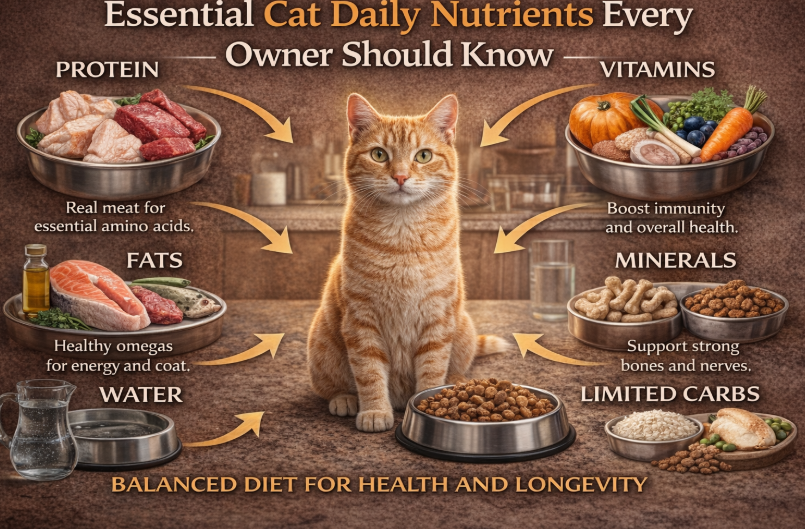
Understanding cat daily nutrients is one of the most important steps you can take to ensure your pet stays healthy and active. While many cat owners focus on feeding routines, the actual nutritional content of the food often gets overlooked. However, what your cat eats every day directly affects its energy, immune system, and overall quality of life.
Cats have very specific dietary needs because they are obligate carnivores. This means their bodies are designed to rely on nutrients found primarily in animal-based sources. Therefore, learning about cat daily nutrients allows you to make smarter food choices and avoid common nutritional mistakes that could harm your pet over time.
Why Proper Nutrition Matters for Cats
Nutrition plays a central role in your cat’s daily life. Without the right balance of cat daily nutrients, even the healthiest cat can develop problems. A well-balanced diet supports everything from muscle development to brain function.
In addition, proper nutrition strengthens the immune system. Cats that receive essential nutrients are better equipped to fight off infections and recover from illness. On the other hand, deficiencies can lead to weakness, dull coat, and long-term health issues.
Moreover, nutrition affects behavior. Cats that lack proper nutrients may become lethargic or irritable. Therefore, providing the right balance of cat daily nutrients ensures both physical and emotional well-being.
Protein As The Foundation Of A Cat’s Diet
Protein is the most critical component of cat daily nutrients. Because cats rely heavily on animal protein, their diet must include high-quality meat sources. Proteins provide essential amino acids that support muscle growth, tissue repair, and overall health.
One of the most important amino acids is taurine. Unlike other animals, cats cannot produce enough taurine on their own. As a result, it must come directly from their food. Without it, cats may develop serious heart and vision problems.
In addition, protein helps maintain a healthy weight. It keeps your cat feeling full while supporting lean muscle mass. Choosing foods with real meat as the primary ingredient ensures your cat gets the protein it needs every day.
Fats Provide Energy And Support
Fats are another essential part of cat daily nutrients. They serve as a concentrated source of energy, which is especially important for active cats. Healthy fats also support skin health and contribute to a shiny coat.
Omega-3 and omega-6 fatty acids are particularly beneficial. These fats help reduce inflammation and promote overall wellness. In addition, they support brain function and joint health.
However, balance is key. Too much fat can lead to weight gain, while too little can cause dry skin and low energy. Therefore, selecting foods with the right balance of fats is essential for maintaining optimal health.
The Role Of Vitamins In Daily Nutrition
Vitamins play a vital role in supporting various bodily functions. Cat daily nutrients must include a range of vitamins to ensure proper growth and maintenance. These nutrients help regulate metabolism, support vision, and strengthen the immune system.
For example, vitamin A is crucial for eye health. Unlike humans, cats cannot convert plant-based sources into vitamin A. Therefore, they must obtain it directly from animal-based foods.
Additionally, B vitamins support energy production and nervous system function. Without these vitamins, cats may experience fatigue and other health issues. Ensuring a complete and balanced diet helps provide all necessary vitamins.
Essential Minerals For Strong Health
Minerals are another important component of cat daily nutrients. These elements support bone health, nerve function, and overall cellular activity. Calcium and phosphorus, for instance, are essential for maintaining strong bones and teeth.
In addition, minerals like magnesium and potassium help regulate muscle function and hydration. However, too much or too little of certain minerals can cause problems. For example, imbalanced mineral levels may contribute to urinary issues.
Therefore, choosing a well-formulated diet ensures your cat receives the right balance of minerals without excess or deficiency.
Water And Hydration Needs
Water is often overlooked, yet it is one of the most critical cat daily nutrients. Proper hydration supports digestion, circulation, and temperature regulation. Cats naturally have a low thirst drive, so they may not drink enough water on their own.
Because of this, wet food can be beneficial. It provides additional moisture and helps prevent dehydration. In addition, always ensure your cat has access to fresh, clean water.
Encouraging hydration can also involve using water fountains. Many cats prefer running water, which increases their intake. Maintaining proper hydration is essential for kidney and urinary health.
Carbohydrates And Their Limited Role
Unlike other animals, cats do not require large amounts of carbohydrates. While some carbs can provide energy, they are not a primary part of cat daily nutrients. Excess carbohydrates can lead to weight gain and other health issues.
That said, small amounts of digestible carbohydrates can support gut health. Ingredients like rice or vegetables may provide fiber that aids digestion. However, these should not replace high-quality protein sources.
Therefore, when choosing food, it is important to prioritize protein and limit unnecessary fillers. This approach ensures your cat receives the nutrients it truly needs.
How Life Stage Affects Nutritional Needs
A cat’s nutritional needs change over time. Therefore, cat daily nutrients should be adjusted based on age and life stage. Kittens, adult cats, and senior cats all require different nutrient levels.
Kittens need more calories and protein to support rapid growth. Adult cats require balanced nutrition to maintain health and activity. Meanwhile, senior cats may benefit from lower-calorie diets with added joint support.
In addition, health conditions can influence nutritional requirements. Consulting a veterinarian helps ensure your cat receives the right nutrients at every stage of life.
Signs Of Nutritional Deficiency
Recognizing deficiencies is crucial when evaluating cat daily nutrients. Cats that lack proper nutrition often show visible signs. These may include dull fur, weight loss, or low energy levels.
In some cases, digestive issues such as diarrhea or vomiting may occur. Behavioral changes can also indicate problems. A normally active cat may become withdrawn or less playful.
Monitoring these signs allows you to adjust your cat’s diet early. Addressing deficiencies quickly prevents more serious health problems.
Choosing The Right Food For Daily Nutrition
Selecting the right food is key to meeting cat daily nutrients. High-quality commercial cat food is often formulated to provide balanced nutrition. However, not all products are equal.
Look for foods that list real meat as the first ingredient. Avoid products with excessive fillers or artificial additives. Reading labels carefully helps you make better choices.
In addition, consider your cat’s preferences. A food that meets nutritional standards is only effective if your cat actually eats it. Balancing quality and palatability ensures long-term success.
The Importance Of Consistency In Feeding
Consistency plays a major role in maintaining proper nutrition. Feeding your cat at regular times helps regulate digestion and energy levels. It also allows you to monitor appetite and detect changes early.
In addition, sudden changes in diet can disrupt the balance of cat daily nutrients. Gradual transitions are always recommended when introducing new food. This approach prevents digestive upset and stress.
Maintaining a consistent routine supports both physical health and emotional comfort. Cats thrive on stability, so predictable feeding habits are beneficial.
Conclusion
Providing the right cat daily nutrients is essential for your pet’s long-term health and happiness. From protein and fats to vitamins and hydration, each component plays a vital role in maintaining balance. Understanding these needs allows you to make informed decisions about your cat’s diet.
By focusing on quality ingredients, proper portions, and consistent feeding habits, you can support your cat’s overall well-being. Small improvements in nutrition can lead to noticeable benefits over time.
Ultimately, a well-nourished cat is more energetic, healthier, and better equipped to enjoy life. Prioritizing cat daily nutrients ensures your pet thrives every day.
FAQ
- What is the most important nutrient for cats?
Protein is the most important because it provides essential amino acids needed for overall health. - Do cats need carbohydrates in their diet?
Cats require very small amounts, and protein should always be the primary focus. - How can I tell if my cat is getting proper nutrition?
A healthy coat, steady energy, and good digestion are strong indicators of balanced nutrition. - Should I give supplements to my cat daily?
Most cats do not need supplements if they eat a complete and balanced diet. - How much water should a cat drink each day?
Water needs vary, but providing constant access to fresh water is essential for hydration.