
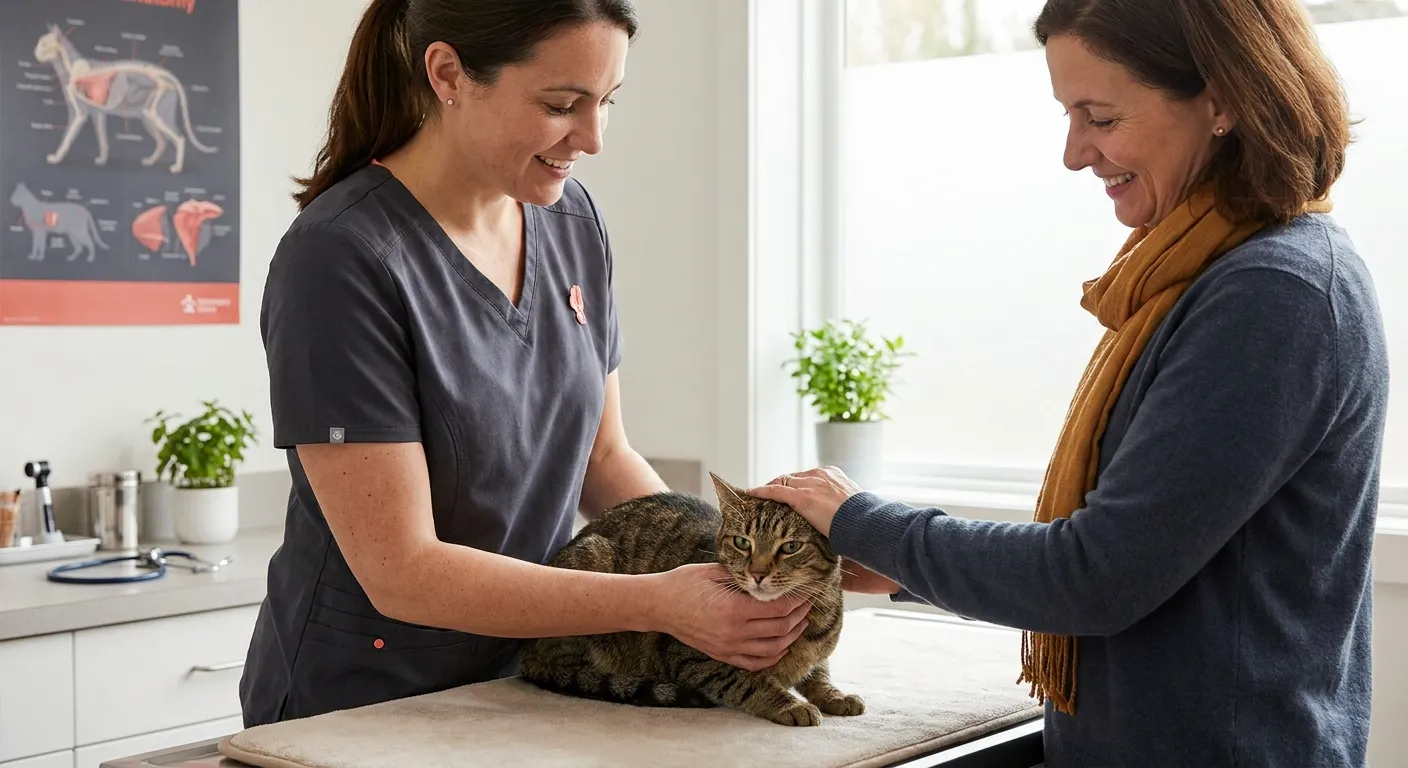
For many cat owners, a trip to the vet is often reserved for emergencies or vaccinations. However, the importance of regular vet checkups extends far beyond crisis management. These routine visits are a cornerstone of preventative care, playing a critical role in ensuring your cat lives a long, healthy, and happy life. They allow veterinarians to catch potential health issues early, often before they become serious.
The Silent Protectors: Why Routine Feline Health Exams Matter
Cats are masters at hiding illness, a survival instinct that can make it challenging for owners to detect problems until they are advanced. This is where routine veterinary examinations become invaluable. During these appointments, your veterinarian conducts a thorough physical examination, checking everything from teeth and gums to heart and lung function, coat condition, and muscle tone. They can identify subtle changes that might indicate the onset of disease, such as a slight weight loss, a new murmur, or dental issues that you might not notice at home. Early detection of conditions like kidney disease, diabetes, hyperthyroidism, or even certain cancers can lead to more effective treatment options and significantly improve your cat’s prognosis. For example, consider Mittens, a 7-year-old cat whose owner brought her for a routine check-up. The vet noticed a slight increase in her thirst and a subtle change in her gait. Blood tests revealed early-stage kidney disease, which, because it was caught early, allowed for dietary changes and medication that slowed the progression, giving Mittens many more comfortable years. Without that routine visit, the disease might have progressed silently until it was too late for effective intervention.
These visits also provide an opportunity to discuss nutrition, behavior, parasite control, and any concerns you may have about your cat’s well-being. Your vet can offer tailored advice based on your cat’s age, breed, lifestyle, and individual health profile. Beyond physical exams, regular vaccinations and parasite prevention are maintained, protecting your cat from common and potentially deadly diseases. Investing in routine veterinary care is not just about treating illness; it’s about actively promoting health and preventing problems before they start. It’s an investment in your cat’s future, ensuring they receive the best possible care throughout their life.
Understanding the Benefits of Consistent Veterinary Care
Consistent veterinary care offers numerous benefits that contribute significantly to a cat’s overall well-being and longevity. Firstly, these appointments establish a baseline for your cat’s health. Over time, your vet will gain a comprehensive understanding of your cat’s normal physiological state. Consequently, any deviations from this baseline become easier to spot during subsequent examinations. This historical data is incredibly valuable, enabling quicker and more accurate diagnoses.
Moreover, these visits are essential for addressing age-specific concerns. Kittens, for instance, require a series of vaccinations and deworming treatments to build strong immune systems. Adult cats need annual assessments to monitor for chronic conditions that often emerge in middle age. As cats enter their golden years, senior cat care becomes paramount, focusing on issues like arthritis, cognitive decline, and organ function. You can find more specific guidance on Senior Cat Care Tips: Ensuring Comfort and Health in Their Golden Years on our site.
Furthermore, preventative health screenings, such as blood tests and urinalysis, are often recommended during annual check-ups. These tests can reveal underlying issues before clinical signs even appear, allowing for proactive intervention. For example, detecting early signs of hyperthyroidism or kidney disease through blood work can lead to dietary adjustments or medication that significantly extend a cat’s healthy lifespan. In fact, many common feline diseases are manageable if caught early.
The Role of Preventative Care in Feline Longevity
Preventative care is the cornerstone of a long and healthy life for your feline companion. Regular vet checkups are the primary means by which this preventative approach is implemented. During these visits, your veterinarian doesn’t just react to problems; they actively work to prevent them. This includes updating vaccinations, discussing flea, tick, and heartworm prevention, and advising on appropriate nutrition and weight management. Maintaining a healthy weight, for instance, can prevent serious conditions like diabetes and joint problems, which significantly impact a cat’s quality of life.
Beyond physical health, these appointments also offer a chance to discuss behavioral changes. Cats can exhibit stress or anxiety through subtle cues, and understanding these can prevent more serious behavioral issues. For insights into feline behavior, explore our guide on Decode Cat Body Language: Understanding Your Feline’s Signals for a Deeper Bond. Your vet can provide guidance on environmental enrichment, which is crucial for a cat’s mental and physical well-being. A stimulating environment helps prevent boredom and reduces the likelihood of stress-related illnesses.
Ultimately, preventative care, facilitated by consistent veterinary visits, empowers cat owners to be proactive rather than reactive. It shifts the focus from treating illness to maintaining wellness, ensuring that your cat enjoys as many comfortable and joyful years as possible. This holistic approach to feline health is truly invaluable.
What Happens During a Comprehensive Feline Health Exam?
A comprehensive feline health exam involves a series of systematic checks designed to assess your cat’s overall health status. Typically, the visit begins with a discussion about your cat’s history, including any changes in behavior, appetite, thirst, or litter box habits. This information is vital for the veterinarian to understand your cat’s current condition. Then, the physical examination begins.
The vet will meticulously examine your cat from nose to tail. This includes:
- Oral Health: Checking teeth for tartar buildup, gum disease, and any signs of infection. Dental disease is common in cats and can lead to serious systemic health issues if left untreated.
- Eyes and Ears: Inspecting for discharge, inflammation, or any signs of infection or injury.
- Coat and Skin: Looking for parasites like fleas, ticks, or mites, as well as skin lesions, excessive shedding, or lumps.
- Palpation: Gently feeling the abdomen to check for abnormalities in organs, lymph nodes, and muscle tone. They will also feel joints for signs of arthritis.
- Auscultation: Listening to the heart and lungs with a stethoscope to detect murmurs, arrhythmias, or respiratory issues.
- Weight Assessment: Monitoring weight changes is crucial, as both weight loss and gain can indicate underlying health problems.
- Temperature: Taking your cat’s temperature to check for fever or hypothermia.
Furthermore, these appointments are an ideal time to administer necessary vaccinations and discuss parasite prevention. Your vet might also recommend routine blood work or urinalysis, especially for older cats, to screen for conditions like kidney disease, diabetes, and hyperthyroidism. For a deeper dive into comprehensive care, consider our page on The Blueprint for Comprehensive Cat Preventive Care: A Lifelong Health Strategy.
Addressing Common Concerns During Routine Cat Check-ups
Regular vet checkups are not just about physical examinations; they are also an opportunity to address any concerns you may have about your cat’s health or behavior. Many cat owners have questions about their cat’s diet, for instance. Your veterinarian can offer personalized advice on the best cat food choices, considering your cat’s age, activity level, and any specific health needs. You can explore more about Best Cat Food Choices: A Comprehensive Nutritional Guide on our website.
Behavioral issues are another common topic. Whether it’s excessive meowing, inappropriate urination, or aggression, your vet can help identify potential medical causes or provide guidance on behavioral modification strategies. Sometimes, a change in environment or routine can significantly impact a cat’s behavior. For instance, if you’re wondering Why Does My Cat Meow So Much? Deciphering Feline Vocalizations, your vet can help rule out underlying health issues.
Parasite control is also a recurring discussion point. Fleas, ticks, and internal parasites like worms can pose significant health risks to cats and even humans. Your vet will recommend appropriate preventative medications and discuss the best schedule for administration. This ensures your cat remains protected throughout the year.
Moreover, these visits are crucial for discussing the overall quality of life, especially for senior cats or those with chronic conditions. Your vet can advise on pain management, mobility support, and palliative care options to ensure your cat remains comfortable and happy for as long as possible. These discussions are vital for making informed decisions about your cat’s long-term care.
The Long-Term Impact of Consistent Veterinary Visits
The long-term impact of consistent veterinary visits on your cat’s life cannot be overstated. By consistently engaging in preventative care, you are actively contributing to their longevity and overall happiness. These ongoing appointments build a strong relationship between you, your cat, and your veterinarian, fostering trust and open communication. A vet who knows your cat well is better equipped to notice subtle changes that might indicate a developing health issue.
Furthermore, early intervention, made possible by these routine examinations, often leads to less invasive and more successful treatments. This can save you significant emotional and financial stress in the long run. For example, treating early-stage dental disease is far simpler and less costly than dealing with advanced infections that may require extractions and extensive medical care. The American Veterinary Medical Association (AVMA) emphasizes the importance of regular dental care for pets.
Ultimately, prioritizing regular vet checkups is a profound act of love and responsibility. It’s about giving your cat the best chance at a full, vibrant life, free from preventable suffering. These visits are an investment in their future, ensuring they receive expert care and attention throughout every stage of their life. This proactive approach ensures that minor issues don’t escalate into major health crises, providing peace of mind for you and sustained health for your beloved feline.
Remember, a healthy cat is a happy cat. By committing to regular vet checkups, you’re not just scheduling an appointment; you’re securing a lifetime of well-being for your cherished companion. For additional resources and information on maintaining your cat’s health, visit the ASPCA website.
Conclusion
In conclusion, the significance of regular vet checkups for your cat’s longevity and quality of life cannot be overstated. These routine appointments serve as a critical component of preventative care, allowing for the early detection of illnesses that cats are so adept at concealing. From comprehensive physical examinations to vaccinations, parasite control, and personalized advice on nutrition and behavior, each visit contributes to a holistic approach to feline wellness. By prioritizing consistent veterinary care, cat owners empower their pets to lead healthier, happier, and longer lives. It is an essential investment in your cat’s future, ensuring they receive the expert attention needed to thrive.
FAQ
How often should my cat have a veterinary examination?
Generally, adult cats should have an annual veterinary examination. Kittens require more frequent visits for vaccinations and deworming, while senior cats or those with chronic conditions may benefit from semi-annual check-ups to monitor their health more closely.
What is typically included in a routine feline health assessment?
A routine feline health assessment usually includes a thorough physical examination from nose to tail, checking teeth, gums, eyes, ears, coat, skin, heart, lungs, and abdomen. It also covers vaccinations, parasite prevention, and discussions about nutrition, behavior, and any owner concerns.
Can a veterinarian detect illnesses that I might not notice at home?
Absolutely. Veterinarians are trained to identify subtle signs of illness that cat owners might miss. Cats are masters at hiding pain and discomfort, so a vet’s trained eye can spot early indicators of diseases like dental issues, kidney problems, or hyperthyroidism before they become obvious to you.
Why are preventative health screenings important for cats?
Preventative health screenings, such as blood tests and urinalysis, are crucial because they can detect underlying health conditions before your cat shows any symptoms. Early detection allows for timely intervention, often leading to more effective treatment and a better prognosis, significantly improving your cat’s long-term health.
How does consistent veterinary care contribute to a cat’s lifespan?
Consistent veterinary care, including periodic health examinations, contributes to a cat’s lifespan by enabling early detection and treatment of diseases, maintaining up-to-date vaccinations, preventing parasitic infections, and providing personalized advice on diet and lifestyle. This proactive approach helps to prevent serious health issues and manage chronic conditions effectively, ensuring a longer, healthier life for your feline companion.