As cats age, their needs naturally evolve. Providing proper care for a senior feline involves recognizing these changes and adapting their environment and routine accordingly. Focusing on the comfort and well-being of older cats can significantly enhance their quality of life. Indeed, ensuring your senior cat comfortable and thriving in their golden years requires thoughtful attention. Here are five essential steps to achieve this.
1. Regular Veterinary Check-ups: A Cornerstone of Senior Cat Care
One crucial step in maintaining feline well-being is consistent veterinary attention. Senior cats, typically those aged seven years and older, should visit the vet at least twice a year. These regular check-ups are vital for the early detection of age-related conditions. For example, arthritis, kidney disease, and hyperthyroidism are common in older felines. Early intervention can make a significant difference in managing these conditions, thus improving their overall quality of life. Furthermore, your veterinarian can provide tailored advice on preventive care strategies. You can find more information about comprehensive health strategies on our page about The Blueprint for Comprehensive Cat Preventive Care: A Lifelong Health Strategy.
During these visits, the vet will perform a thorough physical examination. This includes checking their teeth, eyes, ears, and coat. Blood and urine tests are also often recommended. These tests help monitor organ function and identify any underlying health issues before they become severe. Additionally, discussing any changes in behavior or appetite with your vet is important. Such changes could be indicators of pain or discomfort. Regular veterinary oversight is paramount to keeping your older cat comfortable and healthy.
2. Adjust Their Diet: Fueling Senior Feline Health
Secondly, adjusting your senior cat’s diet is often necessary. Older cats may have different nutritional requirements compared to their younger counterparts. Often, they benefit from diets lower in calories to prevent obesity, especially if they are less active. Conversely, some senior cats might experience weight loss due to underlying health issues, requiring a calorie-dense diet. Specialized diets are also available to support specific health concerns, such as kidney or joint health. Consequently, consulting your veterinarian for the best dietary recommendations is essential.
Moreover, ensuring constant access to fresh water is critical for senior cats. Hydration is vital for kidney function and overall health. Consider providing multiple water bowls in various locations, or even a pet fountain, to encourage increased water intake. Some senior cats may also benefit from wet food, which provides additional moisture. For a deeper understanding of feline nutrition, explore our guide on Best Cat Food Choices: A Comprehensive Nutritional Guide. Proper nutrition plays a key role in keeping your senior cat comfortable and energetic.
3. Modify Their Environment: Creating a Senior-Friendly Home
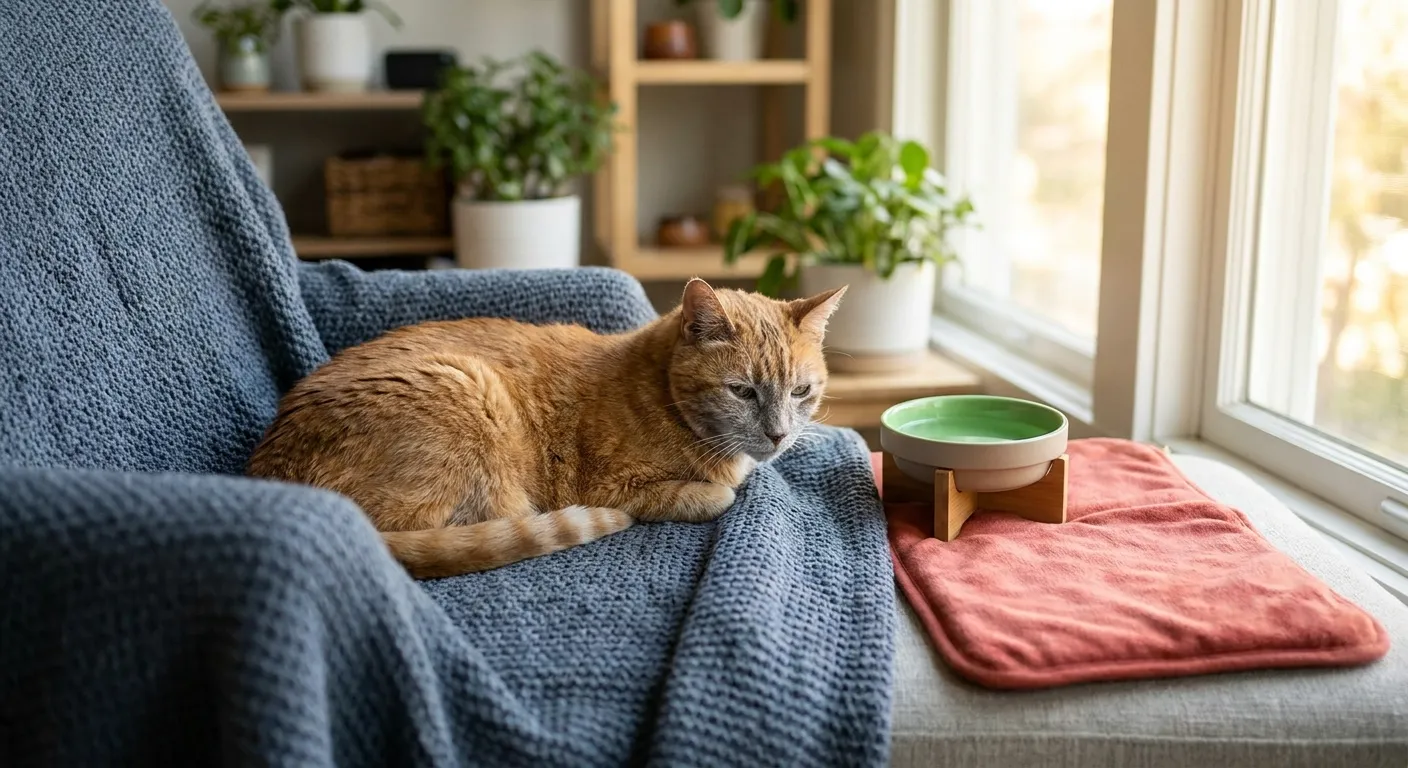
Thirdly, modifying their environment to accommodate reduced mobility is crucial. As cats age, they may develop arthritis or other conditions that make jumping and climbing difficult. Provide easily accessible warm, soft beds, perhaps with orthopedic support, in quiet, draft-free areas. Ramps or steps can help them reach favorite high spots, like windowsills or couches, without pain or strain. Similarly, ensure litter boxes have lower sides for easier entry and exit. Consider placing multiple boxes around the house, especially on each floor, to minimize the distance your aging feline needs to travel.
Furthermore, maintain a consistent routine. Senior cats often thrive on predictability. Changes in routine can cause stress, which can exacerbate existing health conditions. Ensure their food, water, and resting areas are always readily available and easy to reach. Creating a safe and predictable environment helps your senior cat comfortable and secure. Learn more about enhancing their living space by visiting our article on Cat Environmental Enrichment: A Lifelong Guide to Feline Happiness and Well-being.
4. Gentle Grooming: Essential for Hygiene and Bonding
Fourth, gentle grooming becomes increasingly important for older cats. Due to stiffness, pain, or reduced flexibility, senior cats may find it harder to groom themselves effectively. Regular, gentle brushing helps prevent matting, which can be painful and lead to skin infections. Brushing also stimulates circulation and provides an excellent opportunity to check for lumps, skin issues, or parasites. Moreover, it strengthens the bond between you and your feline companion. Many senior felines enjoy the gentle attention of a grooming session.
During grooming, pay close attention to their claws. Older cats may not use scratching posts as frequently, leading to overgrown claws that can get caught or grow into their paw pads. Regular, gentle nail trims are therefore necessary. If you are unsure how to trim your cat’s nails, your veterinarian or a professional groomer can demonstrate the correct technique. Ultimately, consistent grooming contributes significantly to keeping your senior cat comfortable and clean.
5. Maintain Mental Stimulation: Keeping Their Minds Sharp
Finally, maintaining mental stimulation with gentle play and interaction is vital. While they may not be as active as younger cats, senior felines still benefit from mental engagement. Puzzle feeders, for instance, can provide a stimulating challenge at meal times. Short, calm play sessions using feather wands or soft toys can keep their minds sharp and spirits high. Avoid overly strenuous activities that might put a strain on their joints. The goal is engagement, not exertion.
It is also important to ensure they have quiet, safe spaces where they can retreat for undisturbed rest. Senior cats often require more sleep and peaceful environments. Limit loud noises and sudden disturbances. Gentle interaction, such as petting and soft conversation, reinforces their sense of security and belonging. These efforts are crucial in making your senior cat comfortable and ensuring they remain mentally engaged and happy. For more insights on feline care, consider resources like the ASPCA’s Senior Cat Care guide or the Cornell Feline Health Center’s advice on caring for senior cats.
Cherishing Their Golden Years: A Commitment to Comfort
By implementing these five essential steps, you can help your senior cat comfortable and cherish their companionship for many more years. These thoughtful adjustments demonstrate your love and commitment to their well-being. From specialized diets to a modified home environment, each step plays a crucial role in providing the best possible care for your aging feline friend. Remember, a comfortable senior cat is a happy senior cat. Prioritizing their unique needs as they age ensures they continue to thrive and enjoy a high quality of life. Consequently, you will strengthen the bond you share, making their golden years truly special.
FAQ Section
How often should a senior cat visit the vet?
Senior cats, generally those aged seven years and older, should visit the veterinarian at least twice a year. These regular check-ups help with early detection and management of age-related health conditions.
What dietary changes are recommended for older cats?
Older cats may benefit from diets lower in calories to prevent obesity, or specialized diets supporting conditions like kidney or joint health. Always consult your vet for personalized dietary advice for your aging feline companion.
How can I make my home more accessible for an aging cat?
To make your home more accessible, provide low-sided litter boxes, ramps or steps to favorite spots, and warm, orthopedic beds. These modifications help accommodate reduced mobility and keep your older feline content.
Is grooming still important for senior felines?
Yes, gentle grooming is very important. Older cats may struggle to groom themselves due to stiffness. Regular brushing prevents matting, stimulates circulation, and allows you to check for skin issues. It also strengthens your bond.
How can I keep my senior cat mentally engaged?
Maintain mental stimulation through gentle play sessions with soft toys, puzzle feeders, and regular, calm interaction. Provide quiet, safe spaces for rest. These activities keep their minds sharp without overexertion.