
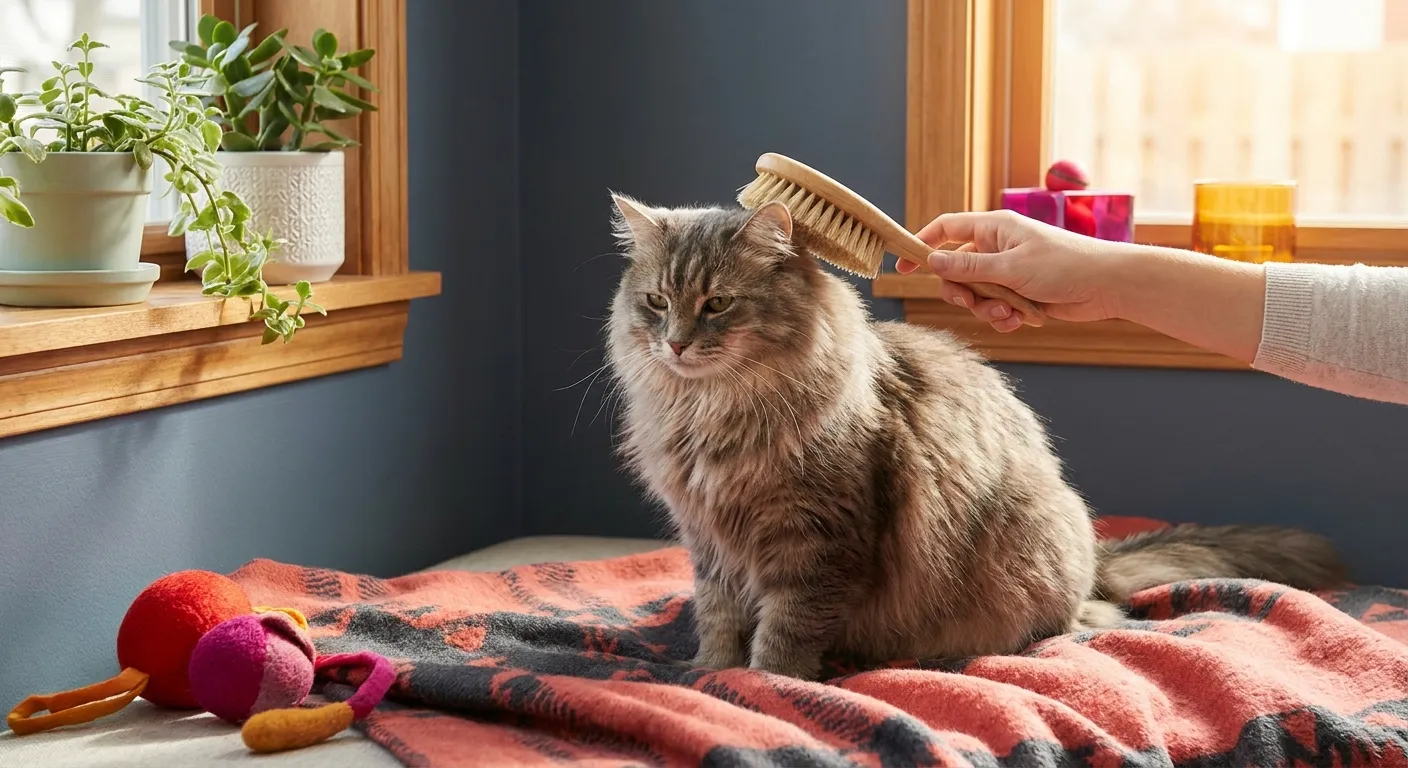
Keeping your cat well-groomed is more than just aesthetics; it’s a vital part of their overall health and well-being. While many cats are diligent self-groomers, they often need a helping hand, especially with tasks like nail trimming or managing shedding. This comprehensive guide will walk you through the essentials of cat grooming at home, ensuring your feline friend stays comfortable, clean, and healthy. Regular grooming sessions can also strengthen your bond and allow you to spot potential health issues early.
Why Regular At-Home Grooming Matters
Beyond keeping your cat looking pristine, consistent grooming offers several health benefits. In fact, it helps prevent hairballs, reduces the risk of matting (which can be painful and lead to skin infections), keeps nails at a healthy length, and allows you to monitor their skin, fur, and overall physical condition. Establishing a routine from an early age can make the grooming experience a positive one for both of you. Furthermore, early detection of health issues through regular checks is a cornerstone of comprehensive cat preventive care.
Essential Tools for Your Grooming Kit
Before you begin, gather your supplies. Having everything within reach will certainly make the process smoother:
- Brushes: A slicker brush for removing loose fur and a fine-toothed comb for detangling.
- Nail Clippers: Specifically designed for cats, either scissor-style or guillotine-style.
- Dental Care: A cat-specific toothbrush and enzymatic toothpaste.
- Ear Cleaner: Vet-approved solution and cotton balls (never cotton swabs).
- Cat-Safe Shampoo: If bathing is necessary.
- Treats: For positive reinforcement.
Step-by-Step Guide to Effective Cat Grooming at Home
1. Brushing: The Foundation of Feline Grooming
Brushing is arguably the most important aspect of cat grooming at home. Aim for short, regular sessions, especially for long-haired breeds. Start gently, using a soft brush to get your cat accustomed to the sensation. Gradually, introduce a slicker brush to remove dead hair and undercoat, then finish with a comb to check for tangles. Brushing not only prevents mats and hairballs but also distributes natural oils, keeping their coat shiny and healthy. Consequently, this simple routine significantly contributes to their overall well-being.
- Frequency: Daily for long-haired cats, 2-3 times a week for short-haired.
- Technique: Brush in the direction of hair growth, being extra gentle around sensitive areas like the belly and tail.
2. Nail Trimming: A Crucial Task
Keeping your cat’s nails trimmed prevents them from getting caught on furniture or developing painful ingrown claws. Introduce nail trimming gradually. Start by gently touching their paws, rewarding them with treats. When ready, gently press on a toe pad to extend the claw. Only snip the very tip, avoiding the pink quick (the blood vessel and nerve supply) which is visible in lighter claws. If you accidentally cut the quick, apply styptic powder to stop the bleeding. Preventing cat scratching furniture also becomes easier with regularly trimmed nails.
- Frequency: Every 2-4 weeks.
- Tip: If your cat is resistant, try trimming just one or two nails at a time over several sessions.
3. Dental Care: Protecting Their Pearly Whites
Oral hygiene is a frequently overlooked part of proper cat grooming at home. Dental disease is common in cats and can lead to serious health problems. Ideally, brush your cat’s teeth daily, or at least several times a week. Use a cat-specific toothbrush and enzymatic toothpaste (never human toothpaste). Introduce this slowly, letting your cat taste the toothpaste first, then gradually introducing the brush. You might also consider dental treats or water additives, though brushing remains the gold standard. For more insights on overall health, consider resources like the American Veterinary Medical Association’s guide to dental care for pets.
- Frequency: Daily or several times a week.
- Technique: Gently lift their lip and brush the outer surfaces of their teeth.
4. Ear Cleaning: Keeping Infections at Bay
Regularly check your cat’s ears for dirt, wax buildup, or signs of infection (redness, odor, excessive scratching). If their ears appear dirty, use a vet-approved ear cleaner and a cotton ball. Simply apply a few drops of cleaner into the ear canal, gently massage the base of the ear, then wipe away any debris with the cotton ball. Never use cotton swabs, as these can push debris further into the ear or damage the eardrum. If you notice any signs of infection, such as discharge or strong odor, consult your veterinarian immediately. This proactive approach is part of recognizing cat illness warning signs early.
- Frequency: Monthly, or as needed.
- Caution: If you suspect an ear infection, always seek veterinary advice.
5. Bathing: When and How to Wash Your Feline
Most cats do not require frequent bathing, as they are excellent self-groomers. However, some situations necessitate a bath, such as when they get into something sticky or oily, or if they have certain skin conditions. When bathing your cat, use a cat-specific shampoo and lukewarm water. Prepare everything beforehand, including towels and a non-slip mat. Gently wet your cat, apply shampoo, lather, and rinse thoroughly to avoid skin irritation. Dry your cat promptly with towels, and if they tolerate it, a low-heat hairdryer. For further guidance on maintaining feline hygiene, the ASPCA offers valuable cat grooming tips.
- When: Only when necessary.
- Tip: Make the experience as calm and quick as possible, offering treats afterward.
Making Cat Grooming a Positive Experience
The key to successful cat grooming at home is positive reinforcement and patience. Start grooming sessions when your cat is relaxed, perhaps after a nap or meal. Keep sessions short, especially when introducing new grooming tasks. Always reward your cat with treats, praise, or playtime afterward. This helps them associate grooming with positive outcomes, making future sessions much easier. Conversely, forcing your cat can lead to stress and a negative association with grooming. Managing feline anxiety is essential, as discussed in our guide on managing cat stress and anxiety.
Addressing Common Grooming Challenges
Even with the best intentions, you might encounter challenges during feline care at home. For instance, some cats strongly resist nail trimming. In such cases, try wrapping your cat gently in a towel (a