
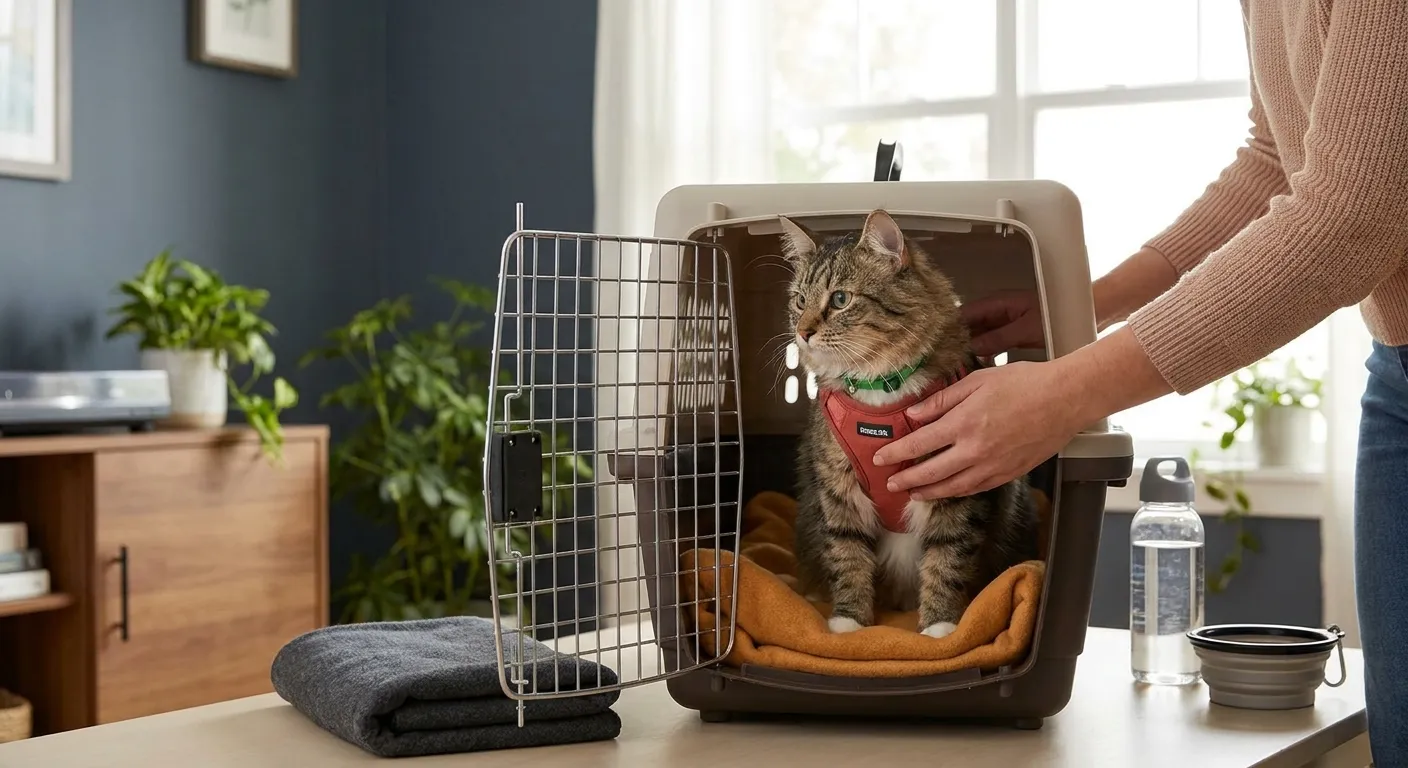
Planning a trip with your feline friend can be daunting, but with the right preparation, ensuring safe cat travel tips can make the experience smooth for both of you. Cats are creatures of habit and often find changes in routine stressful. However, there are proven strategies to help them adapt to car rides, flights, or even just a visit to the vet. By understanding their needs and taking proactive steps, you can significantly reduce anxiety for your pet, making any journey more pleasant. Furthermore, careful planning not only safeguards their physical well-being but also supports their emotional comfort throughout the adventure.
Preparing for Safe Cat Travel Tips
Before any journey, a visit to the veterinarian is crucial. They can confirm your cat is healthy enough to travel and provide any necessary health certificates or advice on motion sickness medication if needed. This initial check-up is a vital part of comprehensive cat preventive care. For example, your vet might recommend specific vaccinations or parasite prevention depending on your destination. Choosing a sturdy, well-ventilated carrier is also essential. It should be large enough for your cat to stand, turn around, and lie down comfortably. Moreover, the carrier should be secure and escape-proof.
Acclimate your cat to the carrier by leaving it open in your home, placing treats or favorite toys inside. This helps them associate the carrier with positive experiences, reducing anxiety when it’s time to travel. Consider using a pheromone spray inside the carrier to create a calming environment. For car journeys, secure the carrier with a seatbelt to prevent it from sliding around, which can further distress your pet. This simple step can prevent injuries and maintain a sense of stability for your cat. In addition, always ensure the carrier is placed in a stable position where it won’t be exposed to direct sunlight or extreme drafts.
Essential Pre-Travel Checklist
- Veterinary Check-up: Confirm your cat’s health and obtain necessary travel documents.
- Proper Carrier: Select a secure, comfortable, and well-ventilated carrier.
- Carrier Acclimation: Allow your cat to get used to the carrier at home.
- Identification: Ensure your cat wears a collar with ID tags and is microchipped.
- Supplies: Pack food, water, bowls, litter box, litter, and any medications.
- Emergency Contacts: Have your vet’s number and a local vet’s number at your destination.
It’s also wise to consider your cat’s temperament. Some cats are naturally more anxious than others. Understanding cat body language can help you gauge their stress levels before and during travel. If your cat shows signs of extreme stress, such as excessive vocalization or hiding, consult your vet for further advice on managing their anxiety. This proactive approach is key to successful and stress-free pet transport.
During the Journey: Keeping Your Cat Calm
During travel, minimize stressors as much as possible. Keep the car calm and quiet, avoiding loud music or sudden stops. A calm environment helps your cat feel more secure. If the journey is long, plan for regular breaks where your cat can have access to water and a litter box, if appropriate and safe to do so. Always provide fresh water, especially on warm days. Never leave your cat unattended in a car, especially in warm weather, as temperatures can rise rapidly and be fatal. This is a critical aspect of safe cat travel tips.
For air travel, understand airline regulations thoroughly, as policies vary greatly regarding in-cabin versus cargo travel. Research specific airline requirements well in advance. Some cats benefit from pheromone sprays or calming treats, but always consult your vet before administering any supplements. Moreover, consider a direct flight to minimize layovers and reduce stress for your feline companion. Ensure all necessary documentation, like health certificates, is readily accessible.
Car Travel Tips for Cats
- Secure the Carrier: Use a seatbelt or other restraints.
- Maintain Calm: Keep the car quiet and avoid sudden movements.
- Hydration: Offer water during breaks.
- Litter Access: Provide a small litter box if feasible for long trips.
- Temperature Control: Ensure the car’s temperature is comfortable.
- Never Leave Unattended: Especially in fluctuating temperatures.
When traveling by car, consider a designated ‘cat zone’ in the vehicle. This area, usually the back seat, should be free from clutter and provide easy access to the secured carrier. Furthermore, covering the carrier with a light blanket can help some cats feel more secure, as it mimics a den-like environment. However, ensure adequate ventilation is maintained. Consider playing calming music or white noise to mask unfamiliar sounds, which can contribute to a more serene atmosphere.
For extended road trips, it’s beneficial to practice shorter car rides beforehand. This gradual exposure helps your cat associate car travel with positive experiences rather than sudden, stressful events. Offer treats and praise after each successful short trip. This method of positive reinforcement is highly effective in reducing anxiety. Remember, patience is paramount when introducing new experiences to your cat, as their comfort is the ultimate goal of these safe cat travel tips.
Air Travel with Your Feline Friend
Air travel presents unique challenges, making thorough preparation even more crucial. Begin by researching airline pet policies well in advance, as they differ significantly regarding carrier dimensions, fees, and whether your cat can travel in the cabin or must go as cargo. Most airlines require a health certificate issued by a veterinarian within a specific timeframe before travel, typically 10 days. Therefore, schedule your vet visit accordingly. For more details on health requirements, you can check resources like the USDA APHIS website for pet travel.
If your cat must travel in cargo, ensure the carrier meets IATA (International Air Transport Association) standards for size, ventilation, and construction. Label the carrier clearly with your contact information, destination, and
Related reading:
- Managing Cat Stress and Anxiety: A Guide to Calmer Felines
- Adopting a Shelter Cat: What to Expect and How to Help Them Adjust