
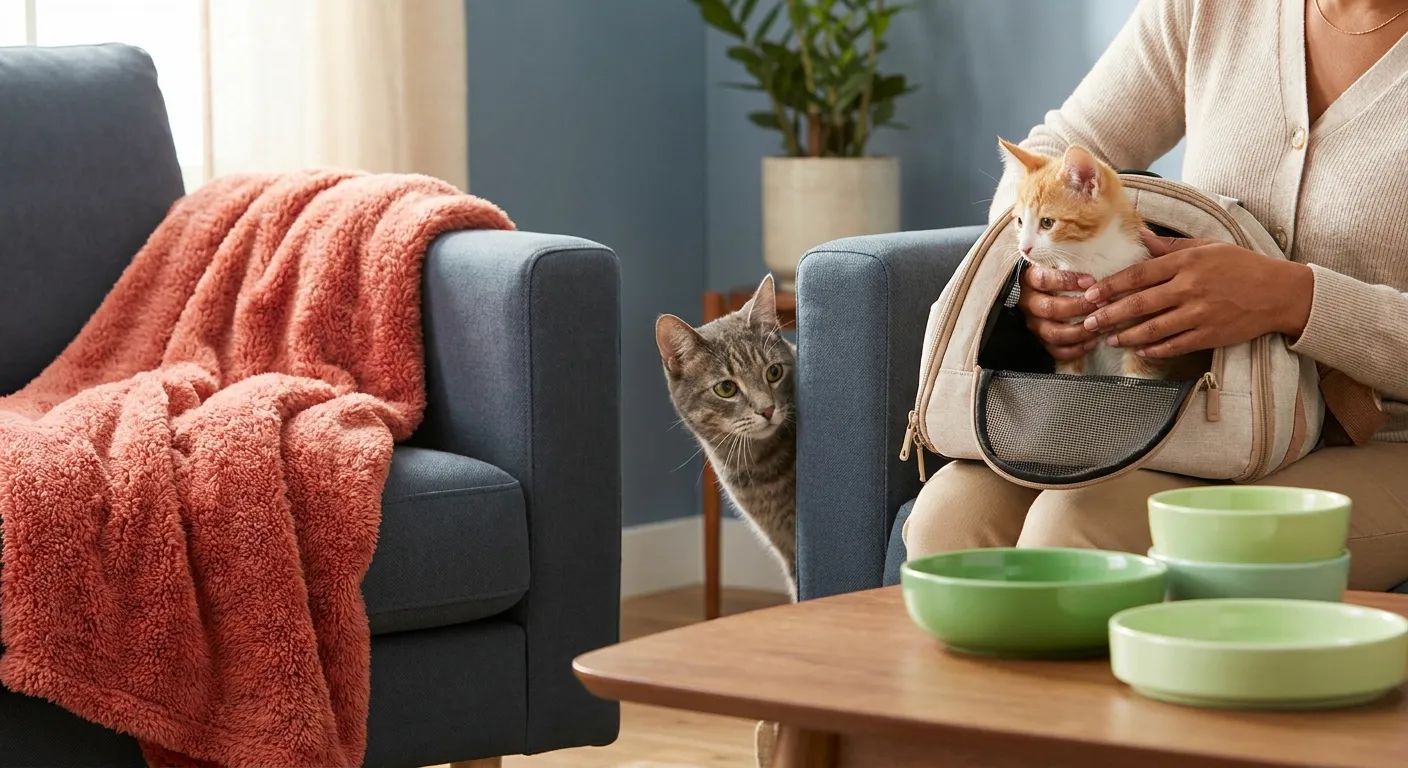
Bringing a new cat into a home with existing pets can be an exciting, yet sometimes challenging, experience. The key to a harmonious multi-pet household lies in a slow, controlled, and positive introduction process. Successfully introducing new cat to your current companions requires patience, understanding, and a strategic approach to minimize stress and prevent conflicts. Indeed, a well-planned integration can set the stage for a peaceful coexistence among all your furry family members.
Preparing your home and understanding feline behavior are crucial first steps. Furthermore, recognizing signs of stress in both your new arrival and resident pets will allow you to adjust your approach as needed. This comprehensive guide will walk you through every stage, ensuring a smooth transition for everyone involved.
Preparing for Your New Feline Friend
Before your new cat even sets a paw in your home, preparation is paramount. Establishing a safe, separate space is essential for their initial adjustment. This ‘sanctuary room’ will serve as their private haven, allowing them to decompress and acclimate to new smells and sounds without being overwhelmed by other pets. Consequently, this reduces the initial stress for both the new cat and your existing animals.
The sanctuary room should be fully equipped. Specifically, it needs food, fresh water, a litter box, a comfortable bed, and a few engaging toys. This setup ensures all their basic needs are met, fostering a sense of security. Moreover, having a dedicated space helps prevent resource guarding issues that can arise when pets are forced to share too quickly. Consider placing a pheromone diffuser in this room to further promote a calming environment for the new arrival.
For additional insights on helping a new cat adjust, especially if they are coming from a shelter, you might find our guide on Adopting a Shelter Cat: What to Expect and How to Help Them Adjust particularly helpful. This resource offers valuable tips for supporting your new feline’s emotional well-being during this significant transition.
Initial Scent Exchange: Building Familiarity
The very first step in the actual introduction process should focus on scent exchange. Cats rely heavily on their sense of smell to gather information and identify others. Therefore, allowing them to familiarize themselves with each other’s scent before a visual meeting can significantly reduce anxiety. This stage can last for several days, depending on the individual temperaments of your pets.
To facilitate scent swapping, gently rub a soft cloth or sock on each pet. Then, place the cloth from one pet into the other’s area. For instance, put the cloth rubbed on your resident cat in the new cat’s sanctuary room, and vice versa. Observe their reactions; a calm sniff is a good sign, while hissing or swatting indicates you need to proceed slowly. Repeating this process daily helps create positive associations with the other animal’s scent.
Another effective method involves swapping bedding. For example, exchange a blanket from the new cat’s bed with one from your resident cat’s favorite sleeping spot. This deeper scent immersion can further aid in mutual acceptance. Remember, patience is key during this phase; rushing it can lead to setbacks. Ensuring a positive experience at this stage lays a solid foundation for future interactions.
Supervised Visual Introductions
After a few days of successful scent swapping, you can gradually move to supervised visual introductions. The goal here is controlled exposure, allowing the pets to see each other from a safe distance without direct physical contact. A baby gate placed in the doorway of the sanctuary room works exceptionally well for this purpose.
Alternatively, you can crack open the sanctuary door just enough for them to see each other, always under close supervision. Keep these initial visual sessions very short, perhaps only a few minutes. Crucially, always end the session before any signs of tension or stress arise. You want to leave them wanting more, rather than ending on a negative note.
During these encounters, offer high-value treats or engage both pets in parallel play with interactive toys. This strategy helps create positive associations with the presence of the other animal. For example, give your resident cat their favorite treat while the new cat is visible through the gate. This teaches them that good things happen when the other pet is around. Monitoring Cat Body Language is vital during these sessions; look for relaxed ears, soft gazes, and calm tails as indicators of comfort.
Gradual Proximity and Interaction
As your pets show increasing comfort during supervised visual sessions, you can gradually increase the duration and proximity of these interactions. However, always ensure both pets have clear escape routes. Never force an interaction, as this can lead to fear and aggression. Instead, let them approach each other at their own pace.
A helpful technique involves feeding them on opposite sides of a closed door initially. Over time, you can slowly move their food bowls closer to the door, and eventually, to opposite sides of a baby gate. This shared positive experience of eating in the other’s presence reinforces positive associations. Similarly, shared play sessions can be highly beneficial.
Using wand toys or laser pointers to engage both cats in a low-stress activity can foster a sense of shared fun. Remember to direct the play so each cat gets individual attention and positive reinforcement. Look for signs of comfort such as relaxed body language, gentle sniffing, or even sharing the same space without tension. Conversely, hissing, growling, swatting, or flattened ears indicate you’ve moved too quickly. If this happens, simply revert to an earlier, more comfortable stage of introduction.
Understanding and Managing Pet Stress
Throughout the process of introducing new cat, it’s vital to recognize and manage stress in all your pets. Cats express stress in various ways, including changes in appetite, excessive grooming, hiding, or inappropriate urination. If you notice these signs, it’s a clear indication that you need to slow down the introduction process. For more detailed information, consult our article on Managing Cat Stress and Anxiety: A Guide to Calmer Felines.
Dogs, too, can exhibit stress through yawning, lip licking, tail tucking, or excessive panting. Providing a secure retreat for each pet is crucial. Ensure your resident pets still receive plenty of individual attention, playtime, and reassurance. This helps prevent feelings of displacement or jealousy, which can hinder a successful introduction. Offering high-value treats and positive praise during calm interactions can also reinforce desired behaviors.
Environmental enrichment plays a significant role in reducing overall stress levels. Providing plenty of vertical space, scratching posts, and engaging toys can help all your cats feel more secure and stimulated. This is especially true for multi-cat households, where individual territories and resources are important. Learn more about creating a stimulating environment in our guide to Cat Environmental Enrichment: A Lifelong Guide to Feline Happiness and Well-being.
Long-Term Integration and Monitoring
The goal of introducing new cat is not instant friendship, but peaceful coexistence. Some introductions may take weeks, others months, and in rare cases, even longer. Every cat is unique, and their personalities will dictate the pace. Do not despair if progress seems slow; consistency and patience are your best allies.
Once your pets are comfortably coexisting in the same room under supervision, you can gradually allow unsupervised time, starting with short periods. Always ensure they have access to their individual resources like food bowls, water, and litter boxes in multiple locations to avoid competition. Furthermore, continue to monitor their interactions closely for any subtle signs of tension or aggression. Early intervention can prevent minor squabbles from escalating.
Even after they appear to be fully integrated, occasional skirmishes can occur. This is normal. The key is to avoid punishing either pet, as this can create negative associations. Instead, calmly separate them and revert to a supervised stage for a short period. Consistency in positive reinforcement and providing ample resources will continue to support their bond. Understanding the nuances of feline behavior is crucial for a lasting, harmonious multi-pet family.
Addressing Specific Challenges When Introducing New Cat
Sometimes, challenges arise that require specific interventions when introducing new cat. If one pet is consistently aggressive or fearful, you might need to consult a professional animal behaviorist. They can provide tailored advice and strategies for your unique situation. Never force interactions between pets that show strong aversion to each other.
For instance, if your resident cat is overly territorial, ensure there are enough vertical spaces like cat trees and shelves for all cats to escape to. This helps reduce perceived competition for space. Providing separate feeding stations and multiple litter boxes in different areas of the house is also vital. A good rule of thumb for litter boxes is one per cat plus one extra. Consider also using calming pheromone sprays or diffusers recommended by veterinarians, which can help reduce anxiety.
If you have a dog, the introduction process needs careful management as well. Dogs and cats have different communication styles, so teaching your dog calm behavior around the new feline is essential. Always keep dogs on a leash during initial interactions and reward them for calm responses. You can find excellent resources on interspecies introductions from organizations like the ASPCA, which offers detailed guides on introducing cats to dogs.
The Importance of Continued Positive Reinforcement
Continued positive reinforcement is a cornerstone of successfully introducing new cat into a multi-pet household. Every calm interaction, every shared moment of peace, should be acknowledged and rewarded. This reinforces the idea that positive things happen when the other pet is around. Treats, praise, and gentle petting are all effective forms of reinforcement.
Furthermore, ensure that all pets receive adequate individual attention. This prevents jealousy and strengthens your bond with each animal. Dedicate specific time each day for one-on-one play, grooming, or cuddling. This reassures your resident pets that their place in the family is secure, even with a new addition. For insights on maintaining optimal health, our guide on The Blueprint for Comprehensive Cat Preventive Care offers valuable advice for all your pets.
Remember that the journey of integration is ongoing. Even after initial success, continue to provide a stable, predictable environment. Changes in routine or household dynamics can sometimes cause old tensions to resurface. By consistently applying these positive strategies, you create a foundation for a lifelong, harmonious relationship among all your beloved pets.
Conclusion
Successfully introducing new cat to your existing pets is a process that demands patience, careful planning, and a deep understanding of animal behavior. By preparing a sanctuary space, facilitating gradual scent and visual introductions, and consistently using positive reinforcement, you can significantly increase the chances of a peaceful and loving multi-pet home. The journey may have its challenges, but the reward of a harmonious household where all your furry companions thrive is immeasurable.
Remember, every pet is an individual, and the timeline for integration will vary. Focus on creating positive associations and never force interactions. With dedication and adherence to these steps, you will lay the groundwork for a stable and happy multi-pet family, ensuring a fulfilling life for every member.
FAQ Section
How long does it take for a new cat to adjust to existing pets?
The adjustment period for a new cat can vary significantly. Some introductions might take a few weeks, while others could extend to several months. It largely depends on the individual personalities and past experiences of all pets involved. Patience and a gradual approach are essential for success.
What are the signs of a successful feline introduction?
Signs of a successful introduction include relaxed body language, mutual sniffing, shared space without tension, and eventually, playing or grooming each other. Absence of hissing, growling, swatting, or hiding when the other pet is present are also good indicators.
What should I do if my existing cat is aggressive towards the new one?
If aggression occurs, immediately separate the pets calmly. Revert to an earlier stage of the introduction process, focusing on scent exchange and very brief, supervised visual interactions from a distance. Consider consulting a professional animal behaviorist for personalized guidance.
Can I introduce a new kitten to an older cat?
Yes, you can introduce a new kitten to an older cat. However, older cats may have less tolerance for a kitten’s boundless energy. Ensure the older cat has plenty of escape routes and quiet spaces. Supervise interactions closely and provide separate resources to minimize stress for both.
Should I feed my cats separately during the introduction phase?
Initially, it’s highly recommended to feed your cats separately in their respective areas. As they progress, you can feed them on opposite sides of a closed door or baby gate. This creates a positive association with the other pet’s presence during a rewarding activity, but always ensure each cat feels secure with their food.